Oral-B vs Sonicare 2026: Which Electric Toothbrush Brand Wins?

Oral-B wins for removing plaque at the gumline — the round head matches the shape dentists use during cleanings. Sonicare wins for gentleness and the fluid-dynamic cleaning action that reaches between teeth without mechanical contact. Both are dramatically better than manual brushing.
See Today’s Price →At a Glance
Showing 3 of 3 products
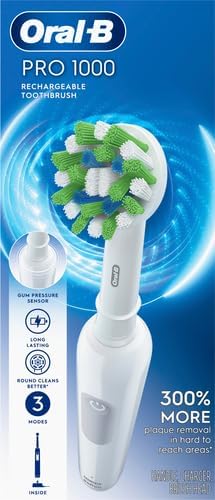
Oral-B Pro 1000 Electric Toothbrush
“The Oral-B Pro 1000 is the most recommended entry-level electric toothbrush by dentists — removes 300% more plaque than manual, includes a pressure sensor, and works with the full Oral-B brush head ec”
See Today’s Price →What we like
- CrossAction brush head removes up to 300% more plaque than manual
- 2-minute quadrant timer with 30-second pacing intervals
- Pressure sensor stops pulsating if brushing too hard
- Compatible with all Oral-B replacement heads — widest selection
Watch out for
- Single brushing mode vs. 3+ modes on higher models
- Charging stand not travel-friendly
Read Full Analysis
The Oral-B Pro 1000 Electric Toothbrush is the entry point recommended by dentists—the rotating oscillating brush head technology that Oral-B pioneered, with clinical research backing that rotation-oscillation removes more plaque than manual brushing and comparable electric toothbrush types. The Pro 1000's 2-minute timer with 30-second quadrant pacing guides proper brushing technique without the premium features of higher-tier models. At $40–60, the Pro 1000 is the most recommended entry electric toothbrush in dental offices: accessible enough that any patient can afford the upgrade from manual brushing, with the rotation-oscillation technology that Oral-B's clinical database validates. The replacement brush heads are widely available in multi-packs that reduce per-head cost for the recommended 3-month replacement frequency. Against Philips Sonicare on this comparison page, Oral-B Pro 1000 and Sonicare 4100 represent the two leading electric toothbrush platforms at similar pricing with different motion technologies. Oral-B's rotation-oscillation cups individual teeth for circular cleaning; Sonicare's sonic vibration creates fluid dynamics that reach between teeth without direct contact. Both exceed manual brushing efficacy; the choice is motion preference and head shape comfort.

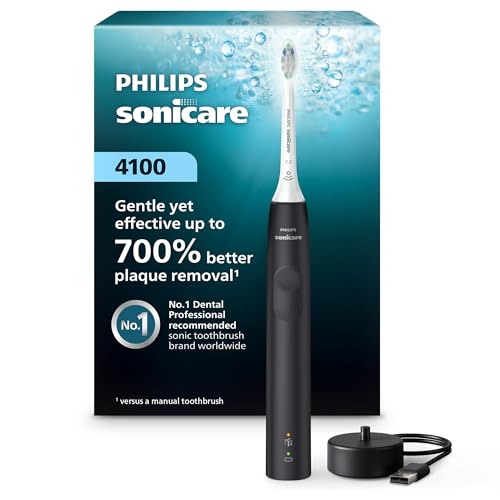
Philips Sonicare 4100 HX3681/24 Electric Toothbrush Black
“Philips Sonicare 4100 delivers excellent cleaning performance at an accessible price — best electric toothbrush upgrade for first-timers.”
See Today’s Price →What we like
Watch out for
Read Full Analysis
The Philips Sonicare 4100 Electric Toothbrush (HX3681/24, Black) is Sonicare's entry-level model—31,000 brush strokes per minute sonic vibration with the 2-minute timer and BrushSync brush head pairing that tracks replacement reminders. At $40–60, the 4100 matches Oral-B Pro 1000 in price tier with Sonicare's sonic technology. Sonicare's sonic vibration works through fluid dynamics: the high-frequency brush movement creates micro-bubbles in saliva that disrupt plaque beyond the brush head's direct contact, reaching between teeth and below the gum line better than direct brush contact alone. For users with periodontal concerns where sub-gingival cleaning is a priority, Sonicare's fluid dynamic cleaning mechanism has specific clinical evidence. Against Oral-B Pro 1000, Sonicare 4100 uses a brushing head shape (elongated, similar to manual toothbrush shape) that some users prefer over Oral-B's circular rotating head. The head shape preference often drives the brand choice between Oral-B and Sonicare more than the motion technology preference. Both brands recommend professional trials—most dental offices carry both for comparison.

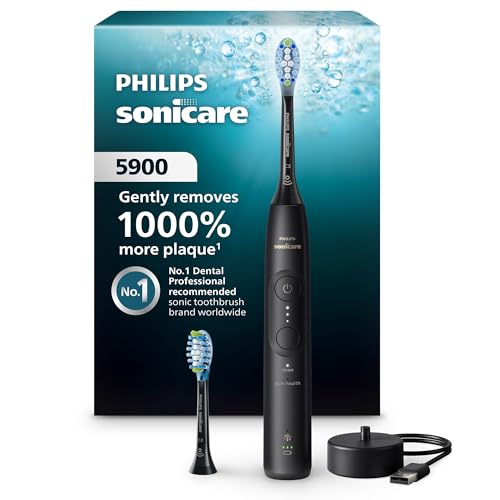
Philips Sonicare 5900 HX7131/02 Electric Toothbrush 21-Day Black
“Sonicare 5900 hits a sweet spot of features and price — 21-day battery life means less charging, and sonic vibration is gentler for sensitive gums.”
See Today’s Price →What we like
Watch out for
Read Full Analysis
The Philips Sonicare 5900 Electric Toothbrush (HX7131/02, 21-Day, Black) is Sonicare's mid-range model—the 21-day battery life, 3 cleaning modes, 3 intensity settings, and adaptive pressure sensor that protects gums when excessive pressure is applied. The 21-day battery life meaningfully reduces the charging frequency compared to 2-week Sonicare models, practical for travelers who want several weeks of use before needing the charger. The pressure sensor (buzzes and reduces brush speed when brushing too hard) addresses the leading cause of gum recession—over-enthusiastic brushing that abrades the gum line. For users who have been told by their dentist they brush too hard, the pressure sensor feedback is the specific clinical recommendation that justifies the step up from the 4100. Against Oral-B Pro 1000 at comparable pricing on this page, the Sonicare 5900's additional features (pressure sensor, multiple modes, longer battery) justify its $60–80 positioning versus the Pro 1000's single-mode simplicity. For users who want coaching features and extended battery life in the Sonicare sonic platform, the 5900 provides meaningful upgrades over the entry 4100. The choice between 4100 and 5900 is budget versus features within the Sonicare line; the choice between Sonicare and Oral-B remains the motion preference decision.
Oral-B vs Sonicare Buying Guide
Related Guides
Bottom Line on the Oral-B vs. Sonicare Decision
Both brands clean teeth significantly better than manual brushing — this is clinically established across hundreds of studies. The choice between them is personal preference, not measurable clinical outcome. Choose based on brush head size preference (Sonicare heads are manual-toothbrush-sized; Oral-B are smaller and circular), your cleaning motion preference (sonic flutter vs. oscillating scrub), and handle features you'll actually use.
Where Oral-B wins: iO Series pressure sensor feedback, smaller head for precise cleaning around individual teeth, stronger physical plaque scrubbing action, and typically lower mid-range pricing ($40-80 for solid models).
Where Sonicare wins: Gentler on sensitive gums, quieter operation, longer battery life (3 weeks), and larger head coverage for faster full-mouth cleaning. The 5100 and 7500 series offer excellent value for sonic brush quality.
Common mistake: Upgrading to premium app-connected models ($150-300) expecting meaningfully better cleaning results. Entry and mid-range models from both brands provide 95%+ of the clinical benefit of premium models. The upgrade buys data insights and premium materials, not substantially better teeth cleaning.
Watch Before You Buy
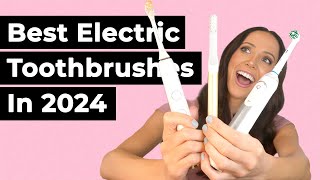
![🔥 Top 5 Best ELECTRIC TOOTHBRUSHES [2026] ✅ Deep Clean / Sma](https://img.youtube.com/vi/eaxeL5NdWKk/mqdefault.jpg)
Frequently Asked Questions
Oral-B vs Sonicare: which do dentists recommend more?
Are Oral-B and Sonicare brush heads interchangeable?
How long do electric toothbrush batteries last per charge?
Is it worth paying more for a Sonicare 5900 vs 4100?
Do I need multiple cleaning modes on an electric toothbrush?
How We Analyze Products
We analyze Amazon review data — often thousands of reviews per product — to surface patterns that individual buyers miss. Our process aggregates star ratings, review counts, and buyer sentiment at scale, identifying which strengths and weaknesses appear consistently across the largest review samples available. The 115,918+ reviews analyzed on this page represent real verified-purchase feedback from Amazon buyers.
Each product earned its placement through data: total review volume, average rating, and the specific praise and complaints that repeat most often across buyers. No manufacturer paid for placement on this page. Products appear here because buyers endorsed them at scale, not because a company asked us to feature them.
We use AI to summarize review sentiment — not to fabricate opinions, but to condense what thousands of buyers actually wrote into a readable format. The pros and cons you see reflect the most common themes found in verified purchaser reviews, paraphrased for clarity. We do not claim to have accessed Reddit, YouTube, or specific publications in generating these summaries.
Prices shown reflect Amazon pricing at the time this page was last generated. Click “See Today’s Price” to get the current live price on Amazon. Read our full methodology →