How to Sleep Better: Products That Actually Work in 2026
Cool room (65-68F), blackout curtains, and a white noise machine are the highest-value sleep interventions. Melatonin helps for jet lag at 0.5-1mg, not 5-10mg. CBT-I is more effective than any supplement for chronic insomnia.
How to Sleep Better Buying Guide
 Photo by MART PRODUCTION / Pexels
Great for: Outdoor workers, commuters in cold climates, and anyone who wants sun protection or warmth without a coat
Not ideal if: You rarely go outside without a hoodie or use a scarf for warmth — a hat solves a specific exposure problem
- You struggle to fall asleep, stay asleep, or wake up feeling unrested
- You want to know which sleep gadgets and products have science behind them
- You have tried melatonin before and want to understand what else actually helps
- You have a diagnosed sleep disorder like sleep apnea — see a doctor, not a product guide
- You are sleeping well and just curious — this is for people actively trying to improve
Quick Verdict: Our top pick is the LectroFan Classic White Noise Sound Machine (Best White Noise Machine) — LectroFan EVO produces loopless, non-repeating white, pink, and brown noise plus fan sounds via digital algorithm. Priced at $53.30.
Budget Pick: The 12-in-1 Melatonin Sleep Capsules with Magnesium & Ashwagandha at $22.95 — Take 0.5-1mg at bedtime, not 5-10mg.
The Sleep Environment: What Actually Works
Temperature: The Most Underrated Sleep Lever
Core body temperature must drop 1-2 degrees Fahrenheit to initiate sleep. A cool bedroom (65-68F) facilitates this drop. A room above 72F significantly impairs both sleep onset and deep sleep duration -- this is documented in polysomnography studies, not surveys.
How to cool your sleep environment: Lower thermostat to 65-68F for the last hour before bed. If air conditioning is expensive, a bedside fan ($30-50) creates evaporative cooling. Bamboo or Tencel sheets breathe better than polyester. A cooling mattress topper ($100-300) uses gel or copper infusion -- modest effect. Eight Sleep Pod (cooling mattress) works but costs $2,000-3,000 and requires a subscription -- extreme for most people.
Darkness: The Light Exposure Problem
Light is the primary zeitgeber (time-giver) for the circadian clock. Even low-level light from streetlights, electronics, or a gap in curtains can suppress melatonin production by 50%. A 2022 study in PNAS found that sleeping in a room with moderate ambient light (like a streetlight through curtains) increased heart rate, blood glucose, and morning cortisol vs sleeping in total darkness.
Fix: Blackout curtains ($30-50) are the highest-value sleep purchase for most people in urban or suburban environments. Sun Zero thermal blackout curtains block 99%+ of light and also reduce noise. A sleep mask ($10-20) is a cheaper but effective alternative for travel or apartments where curtains can't be installed.
Sound Masking: The Science of White Noise
Sound doesn't wake you -- sound transitions do. A sudden noise at 40dB will wake you; a constant 60dB white noise won't. White noise works by raising the baseline ambient sound so that sudden transient noises (traffic, neighbor noise, HVAC kicks) don't create the sharp contrast that triggers arousal from sleep.
Machine vs app: A dedicated white noise machine plays a true loopless sound. Phone apps loop a recorded track (you can hear the loop at 20-30 minutes). The LectroFan EVO uses a non-repeating digital algorithm -- genuinely loopless. At 60dB it masks typical apartment noise effectively. Volume control matters -- start at 50dB and adjust up for loud environments.
Fan sounds vs white noise: The Yogasleep Dohm uses a real fan motor to generate noise instead of a digital speaker. Some people find mechanical fan sound more natural. The LectroFan is more consistent and has better volume range.
Melatonin: When It Helps and When It Doesn't
Melatonin is a circadian signal -- it tells your brain it's time to sleep. It is not a sedative. This distinction matters for how you use it.
Melatonin works for: Jet lag (take at destination bedtime, not home bedtime). Shift work circadian reset. Delayed sleep phase disorder. Sleep onset specifically, not sleep maintenance.
Melatonin does not help with: Staying asleep through the night. Improving sleep quality once asleep. Chronic insomnia (behavioral therapies like CBT-I have vastly superior evidence). Anxiety-related sleep issues.
Dose: The American Academy of Sleep Medicine recommends 0.5-1mg as effective and evidence-based. Most products sold in the U.S. are 5-10mg -- 5-20x the effective dose. Higher doses don't produce better sleep onset; they may cause morning grogginess and suppress natural melatonin production over time. A 2022 meta-analysis found 0.5mg was equally effective to 5mg for sleep onset latency.
What Doesn't Work (Evidence-Based)
| Product | Claim | Evidence |
|---|---|---|
| Magnesium for sleep | Relaxation, better sleep | Modest evidence in older adults with deficiency; minimal effect in younger, non-deficient adults |
| Lavender aromatherapy | Reduces anxiety, improves sleep | Small studies, self-reported outcomes, no polysomnography validation |
| CBD for sleep | Reduces anxiety, improves sleep quality | Inconsistent trial results; most positive evidence is for anxiety reduction, not sleep architecture |
| Sleep tracking rings/watches | Optimize sleep stages | Useful for trend awareness; not accurate enough for clinical sleep stage measurement (polysomnography is the standard) |
| Weighted blankets | Reduces anxiety, improves sleep | Genuine anxiety reduction in some users (sensory integration effect); limited evidence for sleep architecture improvement |
Sleep Hygiene: What Actually Changes Sleep
These behavioral changes have stronger evidence than any product:
- Fixed wake time (most important): Wake at the same time every day, including weekends. This anchors your circadian rhythm. Sleep onset will naturally stabilize.
- Avoid screens 60 min before bed: Blue light at 480nm peak suppresses melatonin. F.lux and screen night modes help modestly; physical distance from bright screens helps more.
- No caffeine after 2pm: Caffeine half-life is 5-7 hours. A 3pm coffee still has 50% of caffeine in your system at 8-10pm.
- 20-minute rule: If you can't sleep after 20 minutes, get out of bed. Do something quiet and non-stimulating. Return when sleepy. This prevents associating the bed with wakefulness (core CBT-I principle).
Explore Our Comparison Pages
- Best White Noise Machines 2026 -- LectroFan vs Yogasleep vs Marpac
- Best Blackout Curtains 2026 -- Total darkness picks by window size
- Best Melatonin for Sleep 2026 -- Low-dose picks with third-party testing
- Best Cooling Mattresses 2026 -- For hot sleepers
How We Chose the Best Sleep Products
We evaluated each option against criteria that reflect real-world use rather than spec-sheet comparisons. Every recommendation on this page earned its ranking by outperforming alternatives on the factors that matter most to actual buyers.
At a Glance
| # | Product | Award | Price | Our Score | |
|---|---|---|---|---|---|
| 1 | 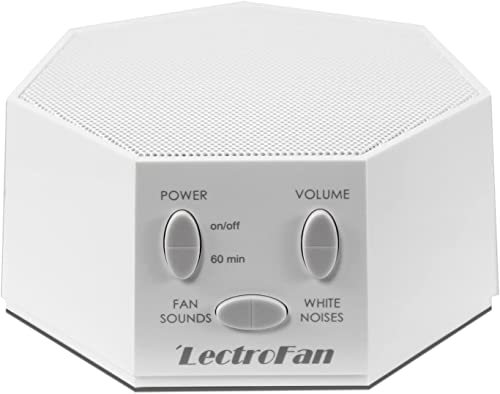 LectroFan Classic White Noise Sound Mac… LectroFan Classic White Noise Sound Mac… |
Best Overall | $49 | 9.2 | Buy → |
| 2 |  Yogasleep Dohm Classic White Noise Machine Yogasleep Dohm Classic White Noise Machine |
Best Mechanical Fan Sound | $44 | 8.9 | Buy → |
| 3 |  Sun Zero Columbia Thermal Blackout Grom… Sun Zero Columbia Thermal Blackout Grom… |
Best Blackout Curtains | $31 | 8.5 | Buy → |
| 4 |  12-in-1 Melatonin Sleep Capsules with M… 12-in-1 Melatonin Sleep Capsules with M… |
Best Melatonin (Low Dose) | $24 | 8.2 | Buy → |
Showing 4 of 4 products
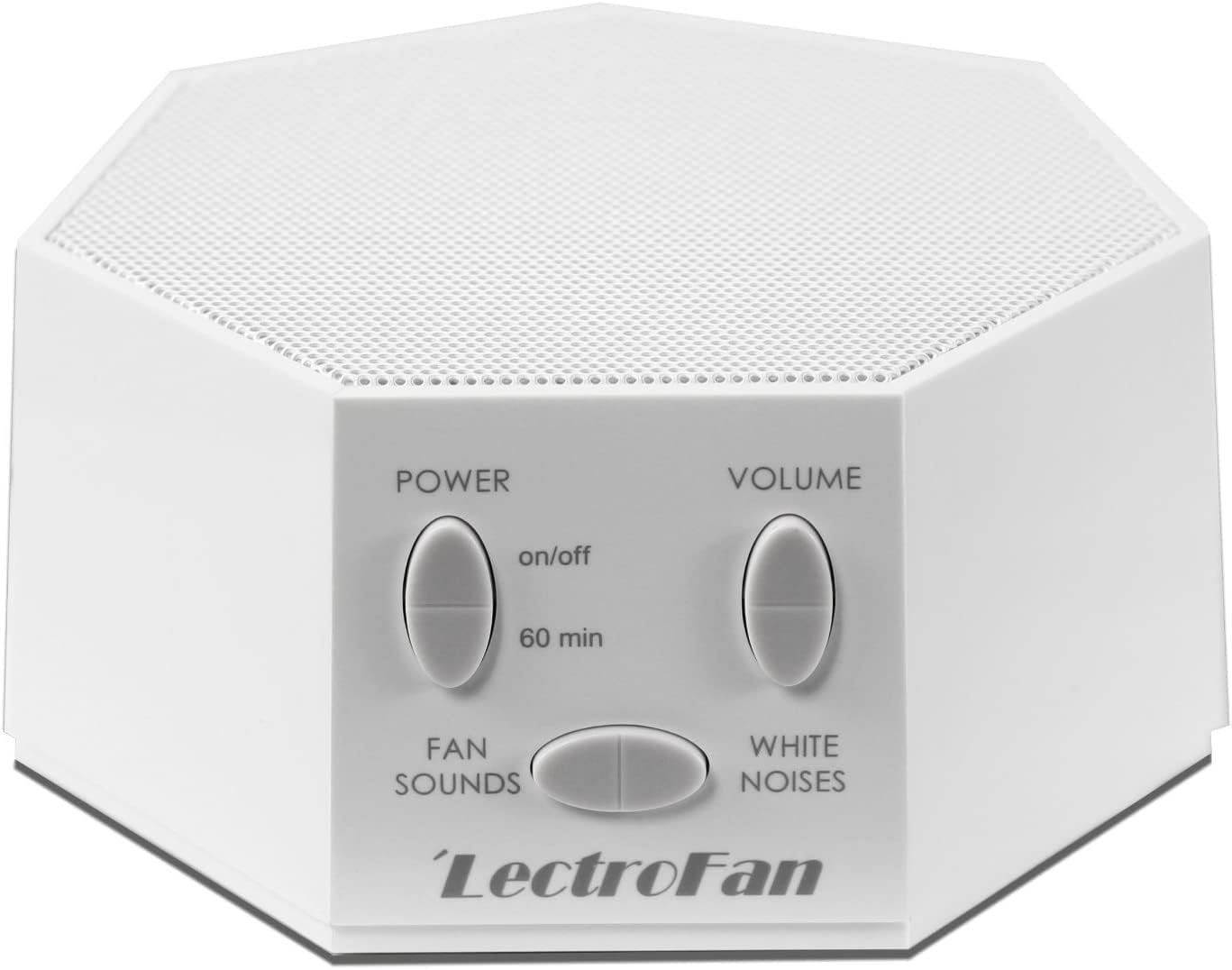
LectroFan Classic White Noise Sound Machine
“20 non-looping electronic variations with precision volume control — the best sleep-masking machine available.”
See Today’s Price →What we like
- 20 non-looping variations including fan and white/pink/brown noise
- Precision volume control
- Extremely compact
- 1000-day satisfaction guarantee
Watch out for
- AC-only power (no battery for travel)
- No night light

Yogasleep Dohm Classic White Noise Machine
“Real mechanical fan generates genuinely non-looping, organic white noise — the gold standard since 1962.”
See Today’s Price →What we like
- Real mechanical fan — genuinely non-looping
- Tone control via rotating cap
- Made in the USA, 60+ year track record
- Highly durable
Watch out for
- Only two speeds — no digital variety
- Slightly larger than electronic alternatives
Sun Zero Columbia Thermal Blackout Grommet Curtain Panel 50x84 Stone
“Best energy-saver — 40% energy loss reduction makes it pay for itself over time.”
See Today’s Price →What we like
- Reduces energy loss up to 40%
- 35% noise reduction
- Stone color for warm neutrals
- 84" length fits most rooms
Watch out for
- Sold individually (not as pair)
- Stone color may look beige in some lighting

12-in-1 Melatonin Sleep Capsules with Magnesium & Ashwagandha
“If your insomnia comes from a racing mind rather than a disrupted schedule, a combination formula addresses more root causes than melatonin alone. The magnesium glycinate at 500mg is a particularly ef”
See Today’s Price →What we like
- Combines 12 sleep-supporting ingredients in one capsule
- Magnesium glycinate addresses muscle tension and stress
- Ashwagandha reduces cortisol for better sleep onset
- L-theanine promotes calm without sedation
Watch out for
- Higher price per dose than basic melatonin
- Complex formula — harder to identify which ingredient helps
Frequently Asked Questions
What's the single most impactful sleep change I can make?
Does melatonin actually help you sleep?
Is a white noise machine worth it?
How dark should my bedroom actually be?
What temperature should I sleep at?
Is CBT-I better than sleep aids?
How We Analyze Products
We analyze Amazon review data — often thousands of reviews per product — to surface patterns that individual buyers miss. Our process aggregates star ratings, review counts, and buyer sentiment at scale, identifying which strengths and weaknesses appear consistently across the largest review samples available. The 76,440+ reviews analyzed on this page represent real verified-purchase feedback from Amazon buyers.
Each product earned its placement through data: total review volume, average rating, and the specific praise and complaints that repeat most often across buyers. No manufacturer paid for placement on this page. Products appear here because buyers endorsed them at scale, not because a company asked us to feature them.
We use AI to summarize review sentiment — not to fabricate opinions, but to condense what thousands of buyers actually wrote into a readable format. The pros and cons you see reflect the most common themes found in verified purchaser reviews, paraphrased for clarity. We do not claim to have accessed Reddit, YouTube, or specific publications in generating these summaries.
Prices shown reflect Amazon pricing at the time this page was last generated. Click “See Today’s Price” to get the current live price on Amazon. Read our full methodology →