Best Barebells Protein Bars 2026
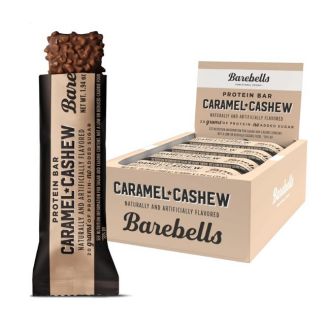
The Barebells Caramel Cashew Protein Bar at $27.99 is the best Barebells pick for 2026. Caramel Cashew is the brand's most popular flavor — caramel nougat, whole cashews, and chocolate coating in the candy bar format that defines the Barebells approach to protein.
See Today’s Price →At a Glance
| # | Product | Award | Price | Our Score | |
|---|---|---|---|---|---|
| 1 | Best Overall | $27 | 9.1 | Buy → | |
| 2 | Best Cookie Flavor | Check Price | 8.5 | Buy → | |
| 3 | Best Salty-Sweet | Check Price | 8.1 | Buy → | |
| 4 | Best White Chocolate | Check Price | 7.8 | Buy → | |
| 5 | Best Plant-Based | Check Price | 7.5 | Buy → |


Barebells Protein Bars Buying Guide
Barebells is a Swedish protein bar brand that competes on taste rather than purely on macronutrient profile. Their bars deliver 20g of protein per bar in flavors and textures designed to approximate candy bars — chocolate-coated, chewy, and sweetened in a way that distinguishes them from the dry, chalky texture of traditional protein bars. This guide covers the best Barebells products for 2026 across their core and plant-based flavor lineup.
How We Picked These
We compared Barebells products across protein content, taste quality relative to the candy bar benchmark the brand targets, texture consistency, and the difference between standard and plant-based formulations. Products were selected to cover the range of the Barebells flavor lineup. Five picks include the flagship Caramel Cashew, Cookies and Cream, plant-based Hazelnut Nougat, Salty Peanut, and White Chocolate Almond.
What Makes Barebells Different
The standard protein bar market is dominated by products that prioritize macronutrient delivery over palatability — most protein bars are dry, crumbly, or have the artificial sweetener aftertaste that makes them feel medicinal. Barebells reversed this priority: they designed the texture and flavor profile first, targeting candy bar satisfaction, and engineered the 20g protein content around that experience. The result is a bar that is routinely described by users as "tasting like a real candy bar." The trade-off is that Barebells bars cost more per gram of protein than utilitarian protein bars and contain more sugar alcohols than some alternatives — the palatability improvement comes from sweetener and texture investment, not from removing calories.

Core Flavors: Caramel Cashew and Cookies and Cream
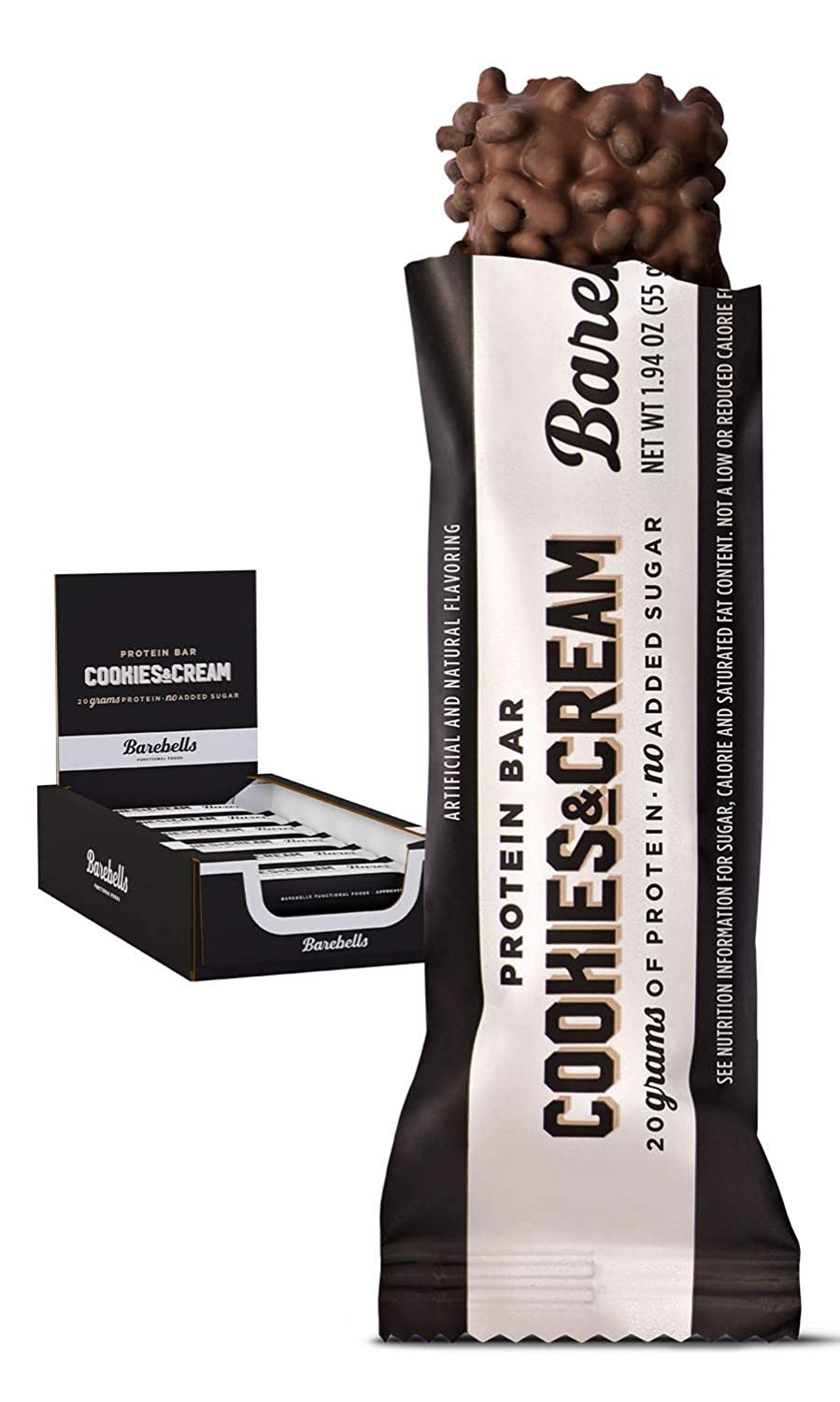
The Caramel Cashew is the Barebells benchmark flavor — a combination of caramel nougat, whole cashew pieces, and chocolate coating. The cashew texture within the nougat gives the bar a confection quality that the peanut-forward alternatives lack. The Cookies and Cream bar uses a cream-filled cookie crunch format that approximates an Oreo-style bar — the contrast of cream filling and cookie pieces provides textural variety that single-texture protein bars don't offer. Both are standard (non-plant-based) formulations using whey and casein protein blends.
Salty Peanut and White Chocolate Almond
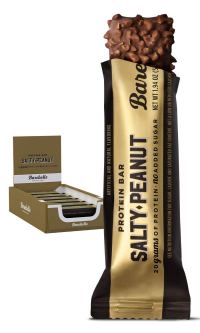
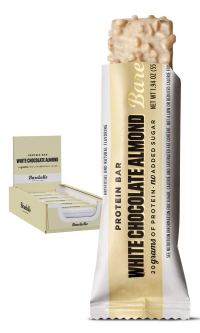
The Salty Peanut bar uses the sweet-and-salty contrast that has become a mainstream confection preference — a peanut and caramel combination with a salted top coat similar to salted caramel in candy bar formulations. The White Chocolate Almond uses white chocolate as the outer coating — a distinctive flavor profile in the protein bar category where milk or dark chocolate dominates. White chocolate almond is the appropriate choice for users who find standard chocolate protein bars monotonous after daily use and want a different sweetness profile.

Plant-Based Option: Hazelnut Nougat
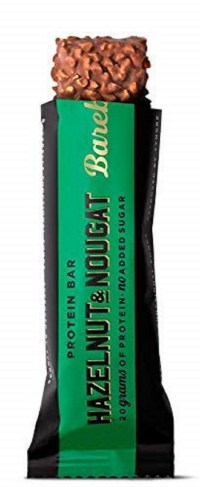
The Barebells Plant-Based Hazelnut Nougat provides the same candy bar texture in a vegan-appropriate formulation using plant-based protein (typically pea or rice protein blend). Plant-based protein bars have historically been more challenging to texture convincingly than whey-based alternatives — Barebells invests in the texture engineering to maintain the nougat consistency in the plant-based version. The hazelnut flavor is a distinct profile that doesn't exist in the standard whey lineup, providing flavor differentiation beyond just the protein source change.
How We Analyze Products
We analyze Amazon review data — often thousands of reviews per product — to surface patterns that individual buyers miss. Our process aggregates star ratings, review counts, and buyer sentiment at scale, identifying which strengths and weaknesses appear consistently across the largest review samples available.
Each product earned its placement through data: total review volume, average rating, and the specific praise and complaints that repeat most often across buyers. No manufacturer paid for placement on this page. Products appear here because buyers endorsed them at scale, not because a company asked us to feature them.
We use AI to summarize review sentiment — not to fabricate opinions, but to condense what thousands of buyers actually wrote into a readable format. The pros and cons you see reflect the most common themes found in verified purchaser reviews, paraphrased for clarity. We do not claim to have accessed Reddit, YouTube, or specific publications in generating these summaries.
Prices shown reflect Amazon pricing at the time this page was last generated. Click “See Today’s Price” to get the current live price on Amazon. Read our full methodology →