Best Dryer Balls Under $20 — 2026 Guide
The best dryer balls under $20 are XL wool balls in a 6-pack that reduce drying time by up to 25% and last 1,000+ loads without chemicals.
Dryer Balls Under $20 — Buying Guide
 Photo by Tima Miroshnichenko / Pexels
Wool dryer balls are one of the few laundry products where the DIY alternative genuinely outperforms the chemical-based original. A quality set of XL wool balls reduces drying time, softens fabrics, and reduces static — without the fragrance chemicals, waxy coatings, and plastic waste of dryer sheets. Under $20, you can get a 6-pack that will last 2-5 years of regular use. The math is simple: a box of dryer sheets costs $5-8 and lasts 1-3 months; a good set of wool balls costs $10-20 and lasts years. The upfront cost pays for itself within the first few months.
Wool vs Plastic Dryer Balls: What Actually Works
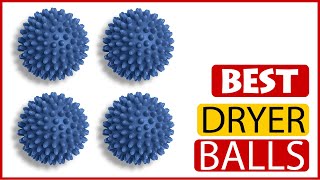
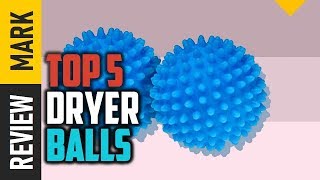
The wool vs plastic debate in dryer balls has a clear winner for most households. Wool balls absorb moisture during the drying cycle — this is the key functional difference. As moisture is absorbed and then released back into the drum, the humidity stays more evenly distributed, which helps fabrics dry more evenly and reduces static buildup caused by over-drying. Plastic balls with nubs create physical separation between garments (improving airflow) but they cannot absorb moisture, so they contribute less to the actual drying mechanism beyond tumbling.
The noise difference is also real. Plastic dryer balls are loud — the knocking noise against the drum is significant enough that many households stop using them after a few cycles. Wool balls are nearly silent: the soft material cushions impact with the drum, and after a few loads they felt slightly and become even quieter. If noise is a concern (apartment laundry rooms, baby sleeping nearby), wool is the only practical option.

XL wool balls (approximately 3 inches in diameter) outperform standard-size balls because larger balls bounce more effectively through heavy loads — comforters, towels, and jeans — rather than getting buried and sitting still. For light loads like t-shirts and underwear, size matters less. If you're buying once to handle all laundry types, XL is the default choice.
Size, Count, and Load Type: Getting the Math Right
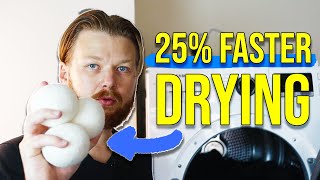
The most common mistake with dryer balls is underdosing. Tossing 2 or 3 balls into a large load produces minimal benefit — the balls get separated by heavy clothing and don't bounce effectively. The general rule: 3 balls for small loads (a few shirts and pants), 6 balls for large loads (full drum), and up to 8-9 balls for oversized loads like comforters or heavy towels. A 6-pack handles average household laundry well and covers large loads at full capacity.
Different fabric types benefit differently. Towels and sheets see the most dramatic results — these high-absorbency fabrics trap moisture in layers, and dryer balls physically separate each layer to allow airflow between them. Drying time reduction is most noticeable here: expect 15-25% faster drying on towel loads with a full 6-ball set. For synthetic fabrics like athletic wear and fleece, the moisture absorption benefit is smaller since synthetics dry fast anyway, but balls still reduce static — often a bigger problem with synthetics than with cotton.

For delicates, wool balls are safe. The soft surface won't snag fine fabrics. Use 2-3 balls on the delicate cycle with low heat. Plastic balls with nubs are not recommended for delicates; the hard surface can catch on lace or mesh.
Fragrance, Static, and What Dryer Balls Won't Fix
Adding fragrance to wool balls works reliably if done correctly. The technique: add 5-10 drops of essential oil directly to the ball, then let it absorb for 15-30 minutes before tossing in the dryer. Don't use fresh oil that hasn't absorbed — you risk oil transfer onto light-colored fabrics. Lavender, eucalyptus, and citrus oils are popular choices; the scent is subtle (less intense than dryer sheets) and fades after a few loads, so re-application is needed every few cycles.
Static is where dryer balls have limitations. Wool balls reduce static by preventing over-drying (the main cause of static buildup) and by maintaining humidity in the drum. But in very dry climates, during winter months when indoor humidity drops below 30%, and with heavily synthetic loads, static can persist even with a full set of wool balls. The most effective fix: remove clothes while slightly damp and let them finish air drying, or add a damp cloth to the dryer for the final few minutes of the cycle.

What dryer balls cannot do: they won't replace fabric softener for fabrics that need chemical softening agents, and they won't reduce pilling on prone fabrics. If your towels have become stiff from hard water mineral buildup, dryer balls won't soften them — that requires stripping minerals with a vinegar wash cycle first. And if your dryer takes forever because the exhaust vent is clogged, no amount of wool balls will fix that; vent cleaning is the actual solution.
Brand Differences and What to Look for on the Label
Not all wool dryer balls are made from the same material. Genuine New Zealand wool (the industry standard) felts tightly, holds its shape through thousands of cycles, and is dense enough to stay heavy during drying. Cheaper balls use lower-grade wool or wool blends that compress poorly and break down faster. The label phrases to look for: "100% New Zealand wool," "hand-wound," or "premium XL." Avoid balls described only as "natural wool" without specifying grade or origin.
For households with asthma, allergies, or young children, unscented wool is the cleanest option — add your own essential oil if you want occasional fragrance. If you're buying scented wool balls, check whether the fragrance is from natural essential oils (which fade but are chemical-free) or synthetic fragrance oil (longer-lasting but contains VOCs).
A 6-pack under $20 covers most household needs. The Maple Hill 2XL set at $9.99 offers strong value at under $2 per ball for extra-large wool. Smart Sheep's XL 6-pack at $19.95 uses 100% New Zealand wool and is one of the most consistent performers in the category. Nellie's 3-pack at $18 is higher per-unit cost but uses particularly dense wool that lasts exceptionally long. All three are legitimate choices depending on whether you prioritize upfront cost, wool quality, or longevity per ball.
If you're also considering wool Dryer Balls 2026: XL 6-Pack & Scented Picks, see our Best Wool Dryer Balls 2026: XL 6-Pack & Scented Picks. If you're also considering wool Dryer Balls 2026: XL, 6-Pack & Reusable, see our Best Wool Dryer Balls 2026: XL, 6-Pack & Reusable. If you're also considering dryer Balls 2026: Wool, Plastic & XL for Towels, see our Best Dryer Balls 2026: Wool, Plastic & XL for Towels.
Watch Before You Buy
At a Glance


Showing 3 of 3 products
Maple Hill Dryer Balls 2XL Lavender Vanilla Dream Scented 6-Pack
“A scented natural wool dryer ball set for those who want laundry fragrance without synthetic chemicals. Best for users who miss the scent of dryer sheets but want a natural alternative.”
See Today’s Price →
Nellie's Dryerball (3-Pack)
“Nellie's plastic dryer balls are the most durable option—they'll outlast any wool ball and require no maintenance. The raised nubs provide effective fabric agitation.”
See Today’s Price →What we like
- Durable plastic outlasts wool
- Raised nubs increase agitation
- No lint or shedding
- 3-pack starter set
Watch out for
- Louder than wool in the dryer
- Can't add essential oil fragrance
Smart Sheep Wool Dryer Balls 6-Pack XL Premium Natural Fabric Softener
“The best eco swap for dryer sheets that actually delivers on reduced drying time. The 6-pack lasts 1,000+ loads — a genuine long-term investment for any laundry routine.”
See Today’s Price →Frequently Asked Questions
Do dryer balls actually reduce drying time?
How many dryer balls should I use per load?
How long do wool dryer balls last?
Can I add fragrance to dryer balls?
Are dryer balls safe for all fabrics?
How We Analyze Products
We analyze Amazon review data — often thousands of reviews per product — to surface patterns that individual buyers miss. Our process aggregates star ratings, review counts, and buyer sentiment at scale, identifying which strengths and weaknesses appear consistently across the largest review samples available. The 72,539+ reviews analyzed on this page represent real verified-purchase feedback from Amazon buyers.
Each product earned its placement through data: total review volume, average rating, and the specific praise and complaints that repeat most often across buyers. No manufacturer paid for placement on this page. Products appear here because buyers endorsed them at scale, not because a company asked us to feature them.
We use AI to summarize review sentiment — not to fabricate opinions, but to condense what thousands of buyers actually wrote into a readable format. The pros and cons you see reflect the most common themes found in verified purchaser reviews, paraphrased for clarity. We do not claim to have accessed Reddit, YouTube, or specific publications in generating these summaries.
Prices shown reflect Amazon pricing at the time this page was last generated. Click “See Today’s Price” to get the current live price on Amazon. Read our full methodology →