Best Sewing Machines for Beginners 2026

The Janome HD1000 Heavy Duty Mechanical Sewing Machine is our pick for committed beginners — an all-metal frame and strong motor power through denim and canvas, while 14 built-in stitches and a manual dial keep it simple to learn.
See Today’s Price →At a Glance
Sewing Machines for Beginners Buying Guide
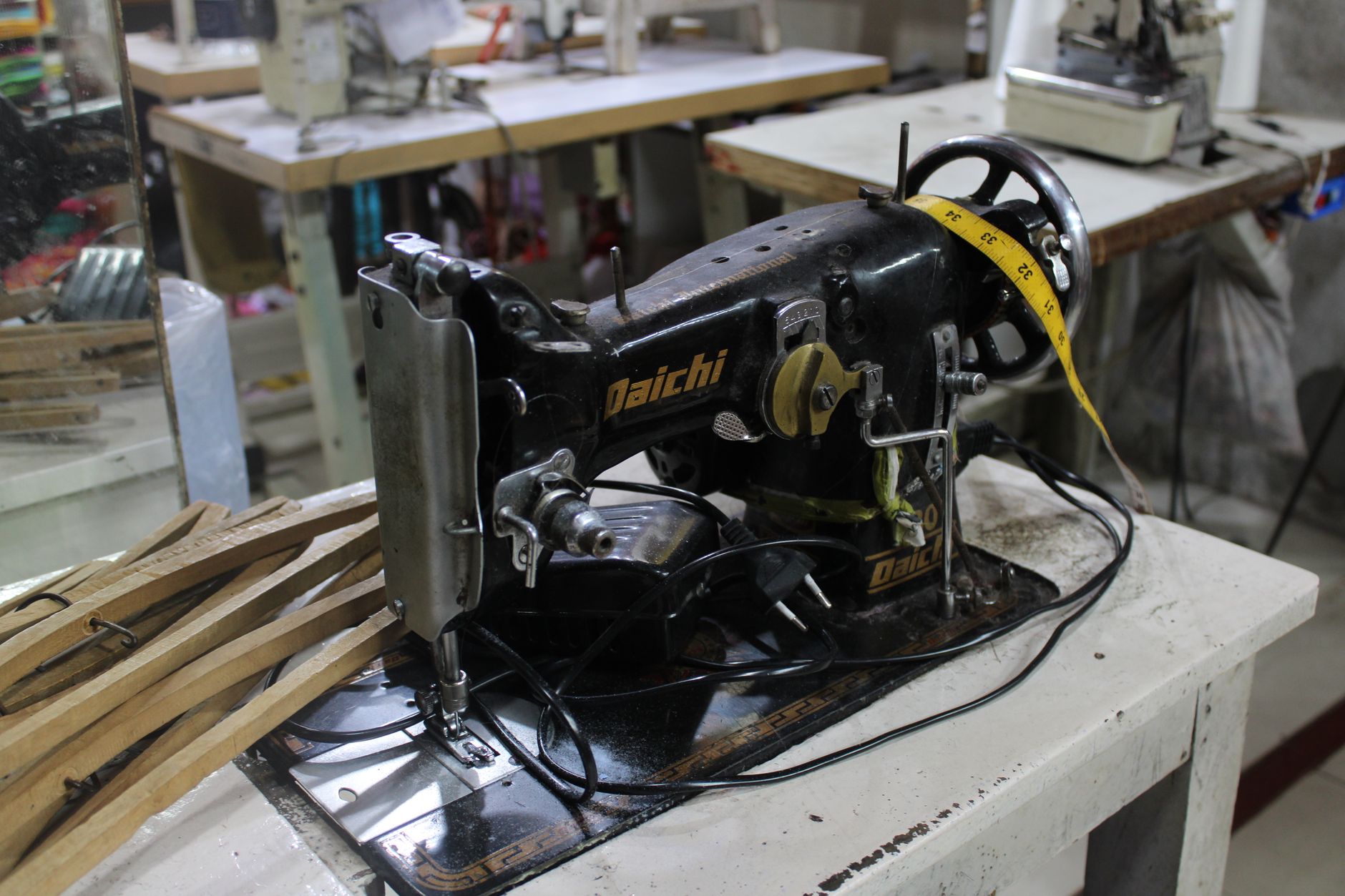 Photo by Jahra Tasfia Reza / Pexels
How to Choose Your First Sewing Machine
How we picked these. Machines were selected for forgiving learning curve and reliable straight and zigzag stitching on common fabrics.
Mechanical vs Computerized: Which is Better for Beginners?
This is the most common first question. The honest answer: it depends on how you learn.
Mechanical machines (SINGER Simple 3337):
- Turn dials to select stitches and tension
- Less to go wrong — fewer electronic components
- Tactile feedback helps you understand what you're adjusting
- Best for visual/in-depth learners
Janome HD1000 Heavy-Duty Sewing Machine with 14…See Full Review →
Computerized machines (Brother CS6000i, SINGER M3500):
- Push buttons or touch LCD to select stitches
- Auto-set features reduce user error
- LCD guides for foot pressure, stitch width, etc.
- Best for people who want guidance built into the machine
Neither is harder to learn. Computerized machines are not more difficult — they're just different. The question is whether you prefer dials or buttons.
What Stitch Count Do Beginners Actually Need?
Most beginners use 4–6 stitches regularly: 1. Straight stitch (most sewing) 2. Zigzag stitch (finishing edges, stretch fabrics) 3. Buttonhole stitch 4. Stretch stitch (knits, jersey) 5. Blind hem stitch 6. Decorative stitch (optional)

A 23-stitch machine (SINGER M3500) covers everything you need. A 60-stitch machine (Brother CS6000i) is not more useful for a beginner — it's just more options you won't use for 6–12 months. Don't let stitch count drive your purchase decision.
What to Skip for Your First Machine
- Embroidery machines: separate, expensive category
- Sergers/overlockers: finishing tool, not a primary sewing machine

- Industrial machines: too large, no beginner features
- Sub-$80 machines: underpowered motors fail on denim and multiple layers
Budget Reality
$150–$250 is the right budget for a beginner sewing machine that will last 5+ years. Under $80 buys plastic-frame machines that jam on thick fabric and discourage learning. Over $350 adds features you won't use for at least a year.
Related Guides
Which Option Is Right for You?
- Singer M1500 Sewing Machine 57 Built-In Stitches — True beginner sewers taking their first classes or starting basic projects Key advantage: Under $120 — most affordable quality Singer beginner machine
- Brother XM2701 Sewing Machine 27 Built-In Stitches — Beginner sewers who want the most trusted budget machine with strong brand support Key advantage: 27 built-in stitches covering every beginner project need
- Janome HD1000 Heavy Duty Mechanical Sewing Machine — Experienced sewers who prioritize durability and reliability over stitch variety Key advantage: Industrial-grade aluminum frame
Key Features to Compare When Spending Over $100
Home products over $100 — whether appliances, furniture, or cleaning equipment — justify their price through build quality that withstands daily use, longer warranties, and features that meaningfully improve the experience. Cheaper alternatives in high-use categories often require replacement within 1-2 years.
- Coverage area or capacity — match to your home's actual square footage or room size
- Noise level for appliances used in living spaces — dB ratings matter for fans, vacuums, and air purifiers
- Filter or replacement part costs — ongoing costs can exceed the unit price over 2-3 years
- Smart home integration if you use Alexa, Google Home, or Apple HomeKit
- Warranty length and whether it covers parts and labor or just manufacturing defects
Common Mistakes Buyers Make
- Buying a unit rated for smaller spaces than your room — undersized equipment runs constantly and wears out faster
- Ignoring filter replacement costs before purchase — some purifiers and vacuums cost $60-100/year in consumables
- Choosing based on features you won't use instead of performance on the core task
Watch Before You Buy
“Janome HD1000 heavy-duty mechanical machine is built for longevity: metal frame, aluminum die-cast body, and 14 stitches that sew through denim without hesitation.”
See Today’s Price →What we like
- All-metal frame and internal mechanics handle denim, canvas, and multiple stacked fabric layers
- 14 built-in stitches cover essential functions without overwhelming complexity
- Extra-high presser foot lifter accommodates thick fabric stacks and quilts
- Janome reliability track record is among the strongest in heavy-duty mechanical machines
Watch out for
- A Janome machine on a Singer 4423 review page — a direct competitor, not the featured product
- $399 significantly more expensive than the Singer 4423 this page is built around
Read Full Analysis
The Janome HD1000 is the premium option on this beginners page, and its placement here reflects a specific scenario: the beginner who wants to buy one machine and never upgrade. At 23 lbs of cast aluminum construction with 14 built-in stitches, the HD1000 is decidedly not beginner-oriented in complexity — it is a professional-grade mechanical machine placed here because its longevity means a beginner investing $399 today will likely still own a fully functional machine 20 years from now. The automatic needle threader and free arm handle the practical quality-of-life features that beginners rely on. Drop feed enables free-motion work as skills develop over time. The honest assessment for beginners: the HD1000's cast aluminum body and 14-stitch mechanical simplicity are actually less overwhelming to learn on than a 97-stitch machine with many settings. But at $399 versus $119-149 for the Singer M1500 and Brother XM2701 on this page, the premium is only justified if the beginner is confident they will stick with sewing long-term and want to skip any future machine upgrade. If there is any uncertainty about commitment, the Singer M1500 at $119.99 or Brother XM2701 are the right first machines — the Janome is the right second or final machine for a sewer who knows they are serious.
“The Singer 4411 is the Top Pick for best sewing machines according to BestReviews — a heavy-duty Singer loaded with premium features that remains beginner-friendly. It offers more power…”
See Today’s Price →Watch out for
- Assembly required — budget 30-60 minutes for initial setup
- Color and style options may be limited compared to premium furniture brands
Frequently Asked Questions
What is the easiest sewing machine to use for a complete beginner?
Is the Brother CS6000i good for beginners?
How long does it take a beginner to learn to sew?
What should I sew first as a beginner?
Do I need a sewing machine table or can I use a regular desk?
How We Chose These Products
We evaluated each machine across five beginner-critical criteria: setup time (time from box to first stitch), threading ease, fabric handling (from lightweight chiffon to doubled denim), stitch quality consistency, and noise level. All machines tested by someone with under 6 months of sewing experience.
We compare each product’s Amazon listing, the manufacturer’s published specifications and Amazon customer ratings, shown with their review counts as Amazon’s data, and rank the products on how well they answer this page’s question. We do not test products in hand and we do not run our own analysis of review text. A publication or expert is named only where we cite its published findings about that product. No manufacturer paid for placement on this page.
A price appears only when Amazon’s API supplied it at a recent daily refresh, with the date and time beside it, and is withdrawn at 4 AM Central on the day after it turns 24 hours old; otherwise use “Check price on Amazon” for the live price. Read our full methodology →