By MyAwesomeBuy Research Team · Updated April 8, 2026 · Our Methodology
15,448+ reviews analyzed
No manufacturer paid for placement. Rankings based on verified buyer review data.
Quick Answer
Google Nest Protect ($119) is best overall -- phone Heads Up alerts, self-testing, combined smoke and CO. Kidde 10-Year ($30) is best for zero-maintenance battery -- replace once, good for a decade. First Alert BRK 3120B ($40) is best detection -- dual ionization and photoelectric sensors.
Best for: Homes needing a long-life battery smoke detector
“A reliable 10-year sealed-battery smoke alarm that eliminates annual battery changes. Best for homeowners who want set-it-and-forget-it fire protection for a decade.”
#426 in Tools & Home Improvement (See Top 100 in Tools & Home Improvement) #3 in Smoke Detectors & Fire Alarms
Operating Humidity
5% to 85% relative humidity, non-condensing
Upper Temperature Rating
37.8 Degrees Celsius
Item Dimensions D X W X H
1.55"D x 5.6"W x 5.6"H
Manufacturer Warranty Description
10-year limited warranty
Global Trade Identification Number
00047871260553
Worth Considering
Kidde Smoke Detector, AA Battery Powered LED Status Lights, 85 dB Alarm, 5-inches
$30
at Amazon
Best for: Homeowners wanting interconnected smoke and CO detector with voice alerts
“Best for homeowners who want a modern smoke alarm with smart home integration and voice alerts — a meaningful upgrade from basic beep-only detectors.”
2 AA Batteries, Alarm, Mounting Hardware, User Guide
Item Type Name
Smoke Alarm
Best Sellers Rank
#4,737 in Tools & Home Improvement (See Top 100 in Tools & Home Improvement) #18 in Smoke Detectors & Fire Alarms
Enclosure Material
Plastic
Operating Humidity
Up to 95% relative humidity (RH), non-condensing
Upper Temperature Rating
100 Degrees Fahrenheit
Item Dimensions D X W X H
1.88"D x 5"W x 5"H
Global Trade Identification Number
00047871328161
Smoke Detectors of Buying Guide
Photo by Quang Nguyen Vinh / Pexels
How to Choose the Best Smoke Detector
Smoke detectors reduce home fire deaths by 50% when properly installed and maintained. The key decisions are sensor type, power source, and whether smart connectivity is needed.
The 5 Best Smart Smoke Detectors of 2026 [Product Guide & Reviews]
Sensor Type
Best Detects
May Miss
Ionization only
Fast flaming fires
Slow smoldering fires
Photoelectric only
Slow smoldering fires
Fast flaming fires
Dual (both)
Both fire types
Nothing -- complete coverage
Placement Requirements
NFPA 72 requires: one smoke alarm inside every sleeping room, one outside each sleeping area, and one on every level including the basement. This typically means 5-8 alarms for a standard home. Smoke alarms must be interconnected (hardwired or wireless) so that when one triggers, all sound simultaneously. Install on the ceiling or on a wall 4-12 inches below the ceiling. Never install in kitchens or bathrooms -- cooking steam and shower humidity cause constant false alarms.
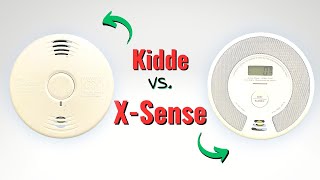
FIREFIGHTER REVIEWS: Kidde v. X-Sense Smoke/CO Detector
Battery-only (standard 9V or AA): easiest to install, requires annual battery replacement. Sealed 10-year battery: zero maintenance for a decade, then replace the entire unit. Hardwired with battery backup: no maintenance concern and continues working during power outages -- required in new construction by most building codes. For replacement of existing hardwired alarms, maintain hardwired. For new standalone installations in older homes, sealed 10-year battery models are the best choice.
Interconnection
Interconnected alarms sound throughout the home when any single alarm detects smoke -- critical for large homes where an alarm in the basement may not be audible in a second-floor bedroom with doors closed. Hardwired alarms interconnect automatically. Battery-only alarms require wireless interconnection capability (Kidde and First Alert both offer this in compatible models). Smart alarms (Google Nest) interconnect through the cloud. Verify interconnection compatibility before mixing brands.
NFPA 72 requires: one inside each sleeping room, one outside each sleeping area (in the hallway), and one on every level of the home including the basement. A standard 3-bedroom home on two floors with a basement needs a minimum of 6-8 smoke alarms. Many older homes have only 1-2 alarms -- significantly below code requirements. The USFA reports that 60% of home fire deaths occur in homes with no smoke alarms or non-working alarms.
How often should smoke detectors be replaced?
Smoke detectors have a 10-year manufacturer service life from the date of manufacture (printed on the label). After 10 years, sensor sensitivity degrades and the alarm may fail to detect fires that would trigger a newer unit. Replace all smoke alarms every 10 years regardless of whether they appear to work during manual testing. The manufacturing date is the relevant date -- not the installation date or the battery replacement date.
What is the difference between ionization and photoelectric smoke detectors?
Ionization detectors use a small radioactive source to ionize air -- smoke particles disrupt the ion current and trigger the alarm. They respond fastest to fast-flaming fires (3-4 minutes faster than photoelectric). Photoelectric detectors use a light beam that smoke particles scatter into a photosensor. They respond faster to slow-smoldering fires that produce larger smoke particles first. Both types are recommended for complete protection. Dual-sensor models (First Alert BRK 3120B) provide both in one unit.
Why does my smoke detector keep going off?
Common causes: cooking steam or cooking smoke (relocate away from kitchen, or use a photoelectric detector which is less sensitive to cooking particles), shower steam (move alarm away from bathrooms), dusty sensor (vacuum the alarm cover), aging alarm (alarms over 10 years old become more sensitive and fault-prone), or actual smoke from a genuine fire source. If an alarm false-triggers repeatedly after cleaning and relocation, replace it -- a nuisance alarm that gets disabled is more dangerous than no alarm.
Do smoke detectors detect carbon monoxide?
Standard smoke detectors detect only smoke, not carbon monoxide. CO detectors detect only carbon monoxide gas. Combination smoke/CO detectors (Google Nest Protect, First Alert Combo models) detect both in one unit. In code requirements, CO detectors are required separately from smoke alarms in most US jurisdictions. Either buy separate dedicated units or use combination units. Never rely on a smoke detector to provide CO protection, and never rely on a CO detector to provide smoke protection, unless the unit is explicitly rated for both.
We analyze Amazon review data — often thousands of reviews per product — to surface patterns
that individual buyers miss. Our process aggregates star ratings, review counts, and buyer
sentiment at scale, identifying which strengths and weaknesses appear consistently across
the largest review samples available. The 15,448+ reviews analyzed on this page represent real verified-purchase feedback from Amazon buyers.
Each product earned its placement through data: total review volume, average rating, and the
specific praise and complaints that repeat most often across buyers. No manufacturer paid for
placement on this page. Products appear here because buyers endorsed them at scale, not
because a company asked us to feature them.
We use AI to summarize review sentiment — not to fabricate opinions, but to condense what
thousands of buyers actually wrote into a readable format. The pros and cons you see reflect
the most common themes found in verified purchaser reviews, paraphrased for clarity. We do not
claim to have accessed Reddit, YouTube, or specific publications in generating these summaries.
Prices shown reflect Amazon pricing at the time this page was last generated. Click
“See Today’s Price” to get the current live price on Amazon.
Read our full methodology →
Affiliate disclosure: When you buy through our links, we may earn
a small commission at no extra cost to you. This helps us keep the reviews free and
the data updated. Our recommendations are based on data, not who pays us.
Learn more →

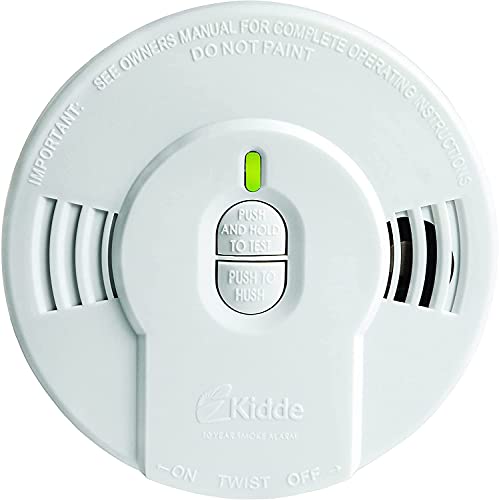
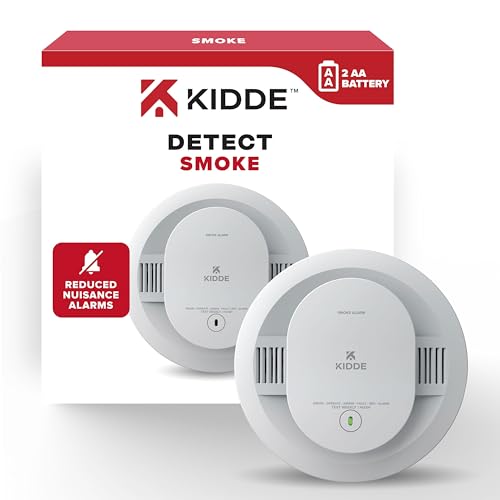

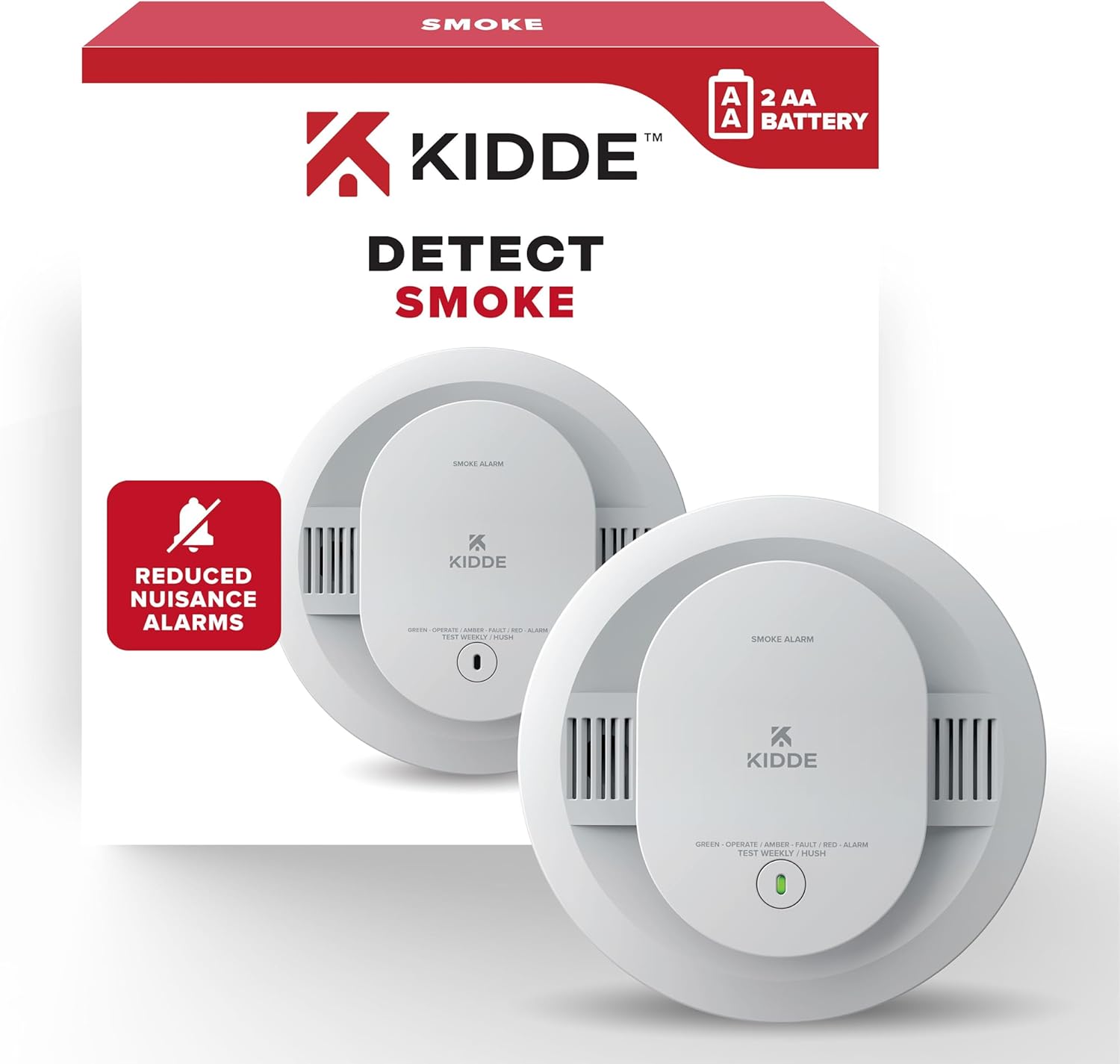
 Photo by Quang Nguyen Vinh / Pexels