Best Toilet Plungers Under $20 (2026)
The Korky 99-4A Beehive Max Universal Plunger ($11.98) is our top pick — the beehive cup design creates a superior seal on both round and elongated toilet bowls, outperforming standard flat-cup plungers on stubborn clogs. Made in the USA with heavy-duty rubber, it is built to last years of occasional hard use.
Toilet Plungers Under $20 (2026) Buying Guide
 Photo by Vlada Karpovich / Pexels
A toilet plunger is the one household tool you never want to need but always need immediately. The under-$20 category covers everything from basic flange plungers to purpose-designed accordion and beehive models that generate significantly more pressure than the classic red cup plunger most households have had since college. Buying the right plunger now means the difference between a 30-second fix and 20 frustrating minutes with the wrong tool — and modern low-flow toilets have made the standard cup plunger even less effective than it was a decade ago.
Flange vs Cup Plunger: Why Most Households Have the Wrong Tool
The standard cup plunger — a flat rubber cup on a stick — is designed for flat drains: bathroom sinks, tubs, and shower floors. Its flat bottom creates a seal on flat surfaces. When used on a toilet drain, the cup sits on the curved drain opening without sealing properly, generating almost no useful pressure. This is why plunging a toilet with a cup plunger often feels like it's doing nothing — because it effectively is doing nothing.
A flange plunger has an extended rubber lip (the flange) that folds out from the cup and fits inside the toilet drain opening. This creates a proper seal inside the drain rather than attempting to seal around the curved surface. Pressure created by pushing down actually reaches and dislodges the clog rather than dispersing around the sides. Every household's designated toilet plunger should be a flange plunger. The cup plunger, if you have one, belongs under the bathroom sink for sink and tub use only.

Modern elongated toilet bowls and low-flow designs have further reduced the effectiveness of standard cup plungers even with the flange extended. Low-flow toilets use less water volume to create flushing force, which means clogs tend to be more compact and seated deeper in the trap — exactly where a well-sealing flange or accordion plunger outperforms a standard cup.
Accordion Plungers: When Extra Pressure Is Needed
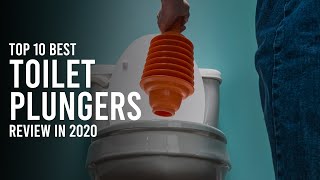
The Korky Beehive Max design uses an accordion-folded rubber body that compresses like a bellows — each push creates more concentrated pressure than a simple cup because the rubber folds add mechanical advantage to the compression stroke. For modern low-flow toilets, this extra pressure is often the difference between clearing a clog on the first attempt versus multiple rounds of plunging.
Pure accordion plungers (like the Neiko models) take this further: the rigid plastic body forces a complete compression stroke, making it impossible to short-stroke the plunge and lose pressure. The rigid structure also prevents the "mushrooming" that happens with soft cup plungers where the rubber deforms outward under force instead of directing all pressure down the drain. The tradeoff is slightly less flexibility in positioning — you need to place the plunger correctly for the seal to work. For most clogs, the tradeoff is worth it: accordion plungers consistently generate more pressure per stroke than standard flange designs.

The all-angle design in some Neiko models allows the plunger to work at various approach angles, which is useful in tighter bathrooms where a perfectly vertical push isn't always possible. Standard plungers require a near-vertical push to maintain seal; the all-angle design maintains effectiveness at 15-20 degrees off center.
Storage and Hygiene
A plunger that sits on the floor unsheltered is both unhygienic and visually uninviting. A caddy system keeps the plunger elevated, allows dripping to collect in the base rather than on the floor, and presents cleanly in the bathroom without requiring a hidden cabinet location. For guest bathrooms and any visible storage situation, a caddy is worth the slight price premium over a naked plunger leaning against the wall.
After each use: flush the toilet several times with the plunger submerged to rinse it in clean flush water. Remove from bowl, allow excess water to drip back into the toilet, then spray the rubber head with a bathroom disinfectant and allow to air dry before returning to the caddy. Monthly, wipe down the handle and caddy exterior with disinfecting wipes. Replace the plunger when the rubber shows permanent deformation, cracks, or no longer creates a proper seal — at under $20, there is no reason to struggle with a degraded plunger.

When to Escalate to a Drain Snake
A plunger clears soft blockages by pressure — compressed paper and waste that are lodged in the trap or upper drain. If 5-10 minutes of sustained plunging hasn't moved the clog, a toilet auger (drain snake) is the next step. Augers physically reach and break up or retrieve the obstruction rather than trying to push it through with pressure alone. Toilet augers designed for the toilet's drain curve are 3-6 feet long and cost $20-40 at hardware stores.
Call a plumber if: multiple drains in the house are backing up simultaneously (indicates a main line clog, not a single-fixture issue), water returns immediately after every flush with no progress, or both the plunger and auger fail. Main line blockages require professional camera inspection and specialized equipment to diagnose and clear. The average cost for a plumber to clear a simple toilet drain is $100-250 — which provides context for how much effort to invest with a plunger and auger before calling.
If you're also considering toilet Plunger, see our Best Toilet Plunger (2026). If you're also considering charmin vs Cottonelle Toilet Paper 2026: Best Toilet Paper, see our Charmin vs Cottonelle Toilet Paper 2026: Best Toilet Paper. If you're also considering charmin vs. Cottonelle Toilet Paper (2026): Softness vs. Clean Compared, see our Charmin vs. Cottonelle Toilet Paper (2026): Softness vs. Clean Compared.
At a Glance
Showing 3 of 3 products
Korky 99-4A Beehive Max Universal Toilet Plunger Made in USA
“Best overall plunger — the Beehive Max universal shape seals any toilet bowl rim without needing to flip or adjust.”
See Today’s Price →What we like
- Universal beehive design works on all toilet types
- T-handle for maximum leverage
- Made in USA
- Drip-free storage
Watch out for
- No canister storage included
- Handle may feel bulky for smaller hands
Read Full Analysis
The Korky Beehive Max is the most innovative plunger design in decades. The unique beehive-shaped rubber head fits both round and elongated toilet drains without adjustment — eliminating the need to identify your toilet type before purchasing. The bellows design amplifies force significantly more than standard cup plungers. Made in USA from 100% natural rubber. The extended handle length keeps hands further from the toilet water. Works on the most stubborn common household clogs. At $11.98, the best all-around toilet plunger for any home.
NEIKO 60166A All-Angle Toilet Plunger Aluminum Handle
“Best budget heavy-duty plunger — patented all-angle design and aluminum handle outclass basic rubber plungers.”
See Today’s Price →What we like
- Patented all-angle design works at any angle
- Aluminum handle resists corrosion
- Heavy-duty rubber cup
- Budget price
Watch out for
- All-angle design not necessary for standard toilets
- No storage holder included
Read Full Analysis
The NEIKO all-angle plunger uses an aluminum handle that adjusts to different angles — useful for toilets in tight corners where a straight handle doesn't allow full plunging motion. Durable aluminum handle outlasts plastic handles that crack over time. Standard flange head creates proper toilet drain seal. The all-angle adjustment is particularly useful in small bathrooms where the toilet is close to walls or fixtures. At $14.99, a durable professional-grade tool that handles difficult placement situations standard plungers can't accommodate.
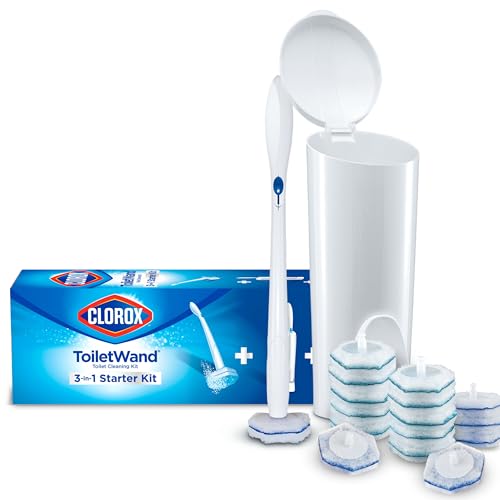
Clorox ToiletWand Disinfecting Refills 16-Pack
“Best value refill pack for consistent disinfection performance.”
See Today’s Price →What we like
- Kills 99.9% of germs
- Compatible with original wand
- Bulk value pack
Watch out for
- Requires original wand
- Disposable waste
Frequently Asked Questions
What is the difference between a cup plunger and a flange plunger?
Why isn't my plunger working?
How do I properly use a toilet plunger?
How do I clean and store a plunger hygienically?
When should I call a plumber instead of using a plunger?
How We Analyze Products
We analyze Amazon review data — often thousands of reviews per product — to surface patterns that individual buyers miss. Our process aggregates star ratings, review counts, and buyer sentiment at scale, identifying which strengths and weaknesses appear consistently across the largest review samples available. The 80,463+ reviews analyzed on this page represent real verified-purchase feedback from Amazon buyers.
Each product earned its placement through data: total review volume, average rating, and the specific praise and complaints that repeat most often across buyers. No manufacturer paid for placement on this page. Products appear here because buyers endorsed them at scale, not because a company asked us to feature them.
We use AI to summarize review sentiment — not to fabricate opinions, but to condense what thousands of buyers actually wrote into a readable format. The pros and cons you see reflect the most common themes found in verified purchaser reviews, paraphrased for clarity. We do not claim to have accessed Reddit, YouTube, or specific publications in generating these summaries.
Prices shown reflect Amazon pricing at the time this page was last generated. Click “See Today’s Price” to get the current live price on Amazon. Read our full methodology →