How to Choose and Use a Fire Extinguisher (2026)
The Amerex B500 5 lb ABC Fire Extinguisher ($75.00) is the best home fire extinguisher — the 2A-10BC rating is the minimum recommended by the NFPA for residential use, the commercial-grade metal valve outlasts cheap plastic-headed units, and the wall-mount bracket keeps it accessible in under 5 seconds.
At a Glance
| # | Product | Award | Price |
|---|---|---|---|
| 1 | Best Overall | $75 Buy → |
|
| 2 |  FIRST ALERT PRO5 Rechargeable Hea… FIRST ALERT PRO5 Rechargeable Hea…First Alert |
Best Heavy Duty | $19.98 Buy → |
| 3 |  First Alert Fire Extinguisher for… First Alert Fire Extinguisher for…First Alert |
Best Mid-Range | $42.98 Buy → |
| 4 |  First Alert Fire Extinguisher for… First Alert Fire Extinguisher for…First Alert |
Best Budget | $19.98 Buy → |
| 5 | Best Compact | $26.47 Buy → |
How to Choose and Use a Fire Extinguisher (2026) Buying Guide
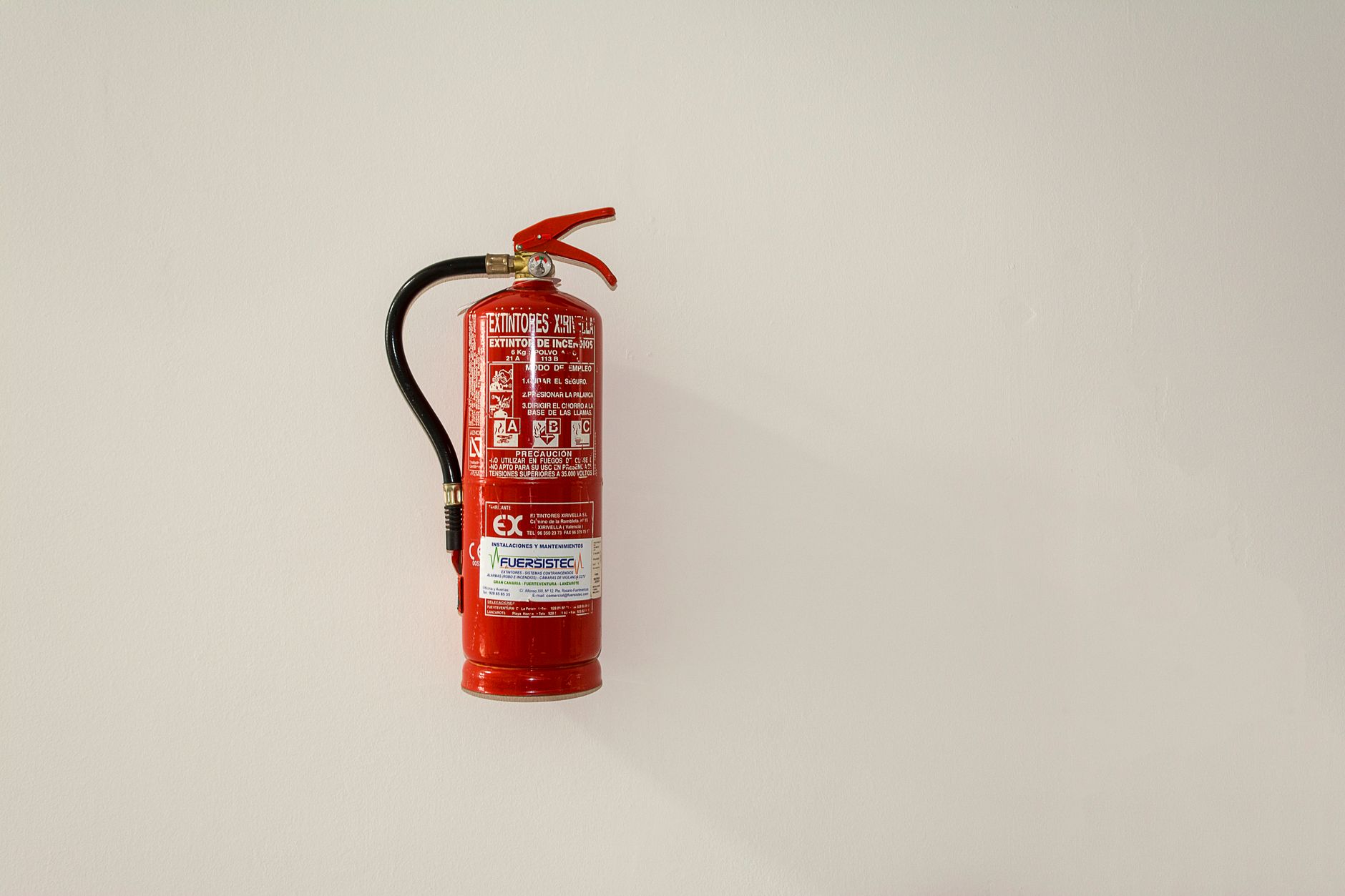 Photo by Jan van der Wolf / Pexels
Quick Verdict: Our top pick is the Amerex B500 5 lb ABC Dry Chemical Fire Extinguisher 2A-10BC (Best Overall) — 5 lb ABC dry chemical, 2A-10BC rated, fully rechargeable steel cylinder. Priced at $75.
Budget Pick: The Kidde FA110 Multi Purpose Fire Extinguisher 1A10BC at $26.47 — 1A10BC rated, lightweight at under 4 lbs total.
Quick verdict: For most homes, a 2.5–5 lb ABC dry chemical extinguisher covers the three most common fire types: ordinary combustibles (A), flammable liquids (B), and electrical equipment (C). Place one in the kitchen, one in the garage, and one near each bedroom.

Who This Guide Is For
This guide is for you if:
- You're improving your home and want to understand what products actually solve real problems
- You're comparing options at very different price points and want honest guidance on what the premium buys
- You want to avoid buying products you won't actually use
Skip this guide if:
- You've already decided and just need the best model — see our comparison pages
- You have very specific requirements — check the specialized guides in our home section
Fire Extinguisher Types: The Complete Guide to ABC, BC, Class K and Beyond
The red canister in your kitchen cabinet is only useful if it's the right type for the fire you face — and if you know how to use it before panic sets in. This guide covers everything: fire classes, extinguisher ratings, where to put them, how to maintain them, and the four-step PASS technique that firefighters teach.
Understanding Fire Classes
The United States uses a letter-based classification system that describes what is burning. Match the extinguisher class to the fire class:
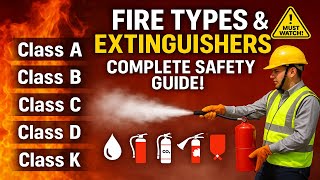
- Class A — Ordinary combustibles: Wood, paper, cloth, rubber, most plastics. Think living rooms, bedrooms, attics. Water or dry chemical extinguishers work.
- Class B — Flammable liquids and gases: Gasoline, oil, grease (pan fires), propane, paint thinner. Never use water — it spreads liquid fires. Use dry chemical or CO₂.
- Class C — Energized electrical equipment: Wiring, fuse boxes, electronics, appliances while plugged in. Water conducts electricity — it creates electrocution risk. Use dry chemical or CO₂, which are non-conductive.
- Class D — Combustible metals: Magnesium, titanium, lithium. Rare in homes; common in machine shops and labs. Requires specialized dry powder agents.
- Class K — Cooking oils and fats: High-temperature vegetable oils and animal fats found in commercial kitchens. Standard ABC agents can actually cause a violent reaction with burning cooking oil. Requires wet chemical agents. Home cooks can use a tight-fitting lid for small pan fires.
Decoding the UL Rating (1-A:10-B:C Explained)
Every extinguisher sold in the US carries a UL rating stamped on the label. It looks like "1-A:10-B:C" and tells you two things: relative firefighting strength and which classes it covers.
The A number: Represents the equivalent amount of water the extinguisher equals for Class A fires. "1-A" equals roughly 1.25 gallons of water in firefighting effectiveness. "2-A" = 2.5 gallons. Higher is more powerful.
The B number: Represents the maximum square feet of Class B (flammable liquid) fire a trained user can extinguish. "10-B" covers approximately 10 square feet of burning liquid. "40-B" covers 40 square feet.
The C designation: This is pass/fail — either the agent is electrically non-conductive (listed C) or it isn't. Dry chemical and CO₂ are C-rated. Water is not.
Practical example: The First Alert PRO5 carries a UL rating of 3-A:40-B:C. That's three times more powerful on Class A fires than a basic 1-A unit, and it covers 40 square feet of flammable liquid fire — appropriate for a garage with stored gasoline or a workshop with solvents.
Types of Extinguishers: What's Inside Matters
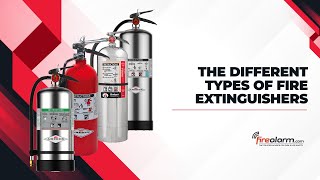
ABC Dry Chemical (Monoammonium Phosphate): The most common home type. The yellow powder clings to burning surfaces and interrupts the chemical reaction of combustion. Handles A, B, and C fires. Downsides: extremely messy, corrosive to metals and electronics if not cleaned up quickly, and the powder can trigger breathing problems. Do not use on Class K cooking oil fires — it doesn't work well on extremely hot oil and can cause violent splatter.
BC Dry Chemical (Sodium or Potassium Bicarbonate): Baking soda-based. Better for B and C fires (garages, boats, vehicles) but has no Class A rating. Not suitable as a sole home extinguisher. Lighter residue than ABC dry chemical and less corrosive.
CO₂ (Carbon Dioxide): Leaves zero residue — critical for server rooms, laboratories, and around sensitive electronics. Good for B and C fires. No Class A rating. The discharge creates extreme cold (-110°F) and can cause frostbite if the horn contacts skin. The "snow" effect looks impressive but dissipates within seconds outdoors, making CO₂ nearly useless outside on a windy day.
Class K Wet Chemical: Required by code in commercial kitchens. The agent creates a soapy foam layer (saponification) over burning cooking oil, sealing it from oxygen. A 10-lb Class K unit is the standard for a commercial range hood suppression system. For home kitchens, a Class K extinguisher is excellent insurance if you cook with large quantities of oil.
Water Mist: De-ionized water in a fine mist — surprisingly effective on Class A and C fires and won't harm most electronics. Expensive. Good for medical facilities and homes with valuable electronics. Not for Class B fires.
Where to Place Fire Extinguishers in Your Home
NFPA 10 and the CPSC both publish placement guidelines. The key principle: you should never have to walk more than 75 feet to reach an extinguisher in a residential setting (much less in practice — aim for one per floor, in every high-risk area).
Kitchen (highest priority): Mount a 2.5–5 lb ABC or Class K unit on the wall near the exit from the kitchen — not next to the stove. If the stove is on fire, you don't want to reach past it to grab the extinguisher. Eye level, visible, accessible within 30 seconds of smelling smoke.
Garage: Flammable liquids (gasoline, oil, paint) make garages the second-highest risk zone. Mount a 5-lb ABC near the door to the house. If you store gasoline or have a workshop, consider a second unit rated 2-A:20-B:C or higher.
Each sleeping area hallway: One extinguisher per floor, accessible from bedrooms. People wake disoriented from smoke alarms — the extinguisher should be reachable without thinking.
Basement and laundry: Water heaters, furnaces, dryer lint, and washer electrical connections create fire risk. One unit near the stairs.
Workshop or hobby area: Any space with power tools, solvents, finishing materials, or welding equipment needs its own extinguisher rated for B fires.
Watch Before You Buy
“5 lb ABC dry chemical, 2A-10BC rated, fully rechargeable steel cylinder. NFPA-approved for residential use. Amerex builds to industrial standards — this unit turns up in fire codes as a reference…”
See Today’s Price →What we like
- Amerex — used by fire departments and commercial buildings
- All-metal construction (vs. plastic components on budget models)
- Meets UL and DOT standards
- Rechargeable — military-grade reliability
- Available with wall mount bracket
Watch out for
- Less known to consumers than First Alert
- Commercial-grade quality at commercial-grade price
- Dry chemical leaves residue requiring cleanup
Read Full Analysis
The Amerex B500 is the fire extinguisher fire marshals actually recommend. It's a rechargeable, steel-valve unit rated 2A-10BC — sufficient for a garage with stored gasoline or a kitchen with serious cooking. The 5 lb charge gives 13–15 seconds of discharge time. Professional recharge runs about $20. If you have one extinguisher in your home, this should be it.
“5 lb rechargeable ABC extinguisher rated 3-A:40-B:C — one of the highest residential ratings available. Metal valve, wall-mount bracket included.”
See Today’s Price →What we like
- 3-A:40-B:C rating — one of the highest for home use
- Rechargeable — refillable after use or annual check
- Metal valve and pull pin vs. plastic on budget models
- Wide discharge range for class A, B, and C fires
- First Alert — recommended by fire departments
Watch out for
- Heavier at 5.4 lbs when charged
- Rechargeable means annual check cost (~$15-20)
- Higher price than disposable models
Read Full Analysis
The First Alert PRO5 carries a 3-A:40-B:C rating — three times the Class A power of a basic 1-A unit and covers 40 square feet of flammable liquid fire. That's workshop or multi-car garage territory. It's rechargeable and includes a wall mount. The higher rating costs more but provides genuine margin for serious fires.
“2.5 lb rechargeable ABC rated 2-A:10-B:C. Good balance of size and power for kitchen mounting. First Alert reliability at a reasonable price.”
See Today’s Price →What we like
- 2-A:10-B:C rating covers most home fires
- Rechargeable with metal valve
- Pressure gauge shows readiness
- 15-second discharge
- Most-reviewed rechargeable home extinguisher
Watch out for
- Lower rating than PRO5 for large fires
- Requires annual inspection
- Heavier than disposable models
Read Full Analysis
The First Alert HOME2PRO hits the sweet spot for kitchen placement: light enough to grab quickly, rated 2-A:10-B:C (a meaningful step up from the 1-A budget units), and rechargeable. The pressure gauge is easy to read at a glance. A solid everyday choice for the main kitchen extinguisher.
“1-A:10-B:C disposable ABC unit under $30. Fine as a secondary unit for a bedroom hallway or car. Not rechargeable.”
See Today’s Price →What we like
- Most affordable rechargeable First Alert model
- Fits kitchen cabinet or pantry mount
- Works on class A, B, and C fires
- Pressure gauge confirms readiness at a glance
- 6-year warranty
Watch out for
- 1-A:10-B:C rating is entry-level — smaller fires only
- Smaller capacity than HOME2PRO
- Requires annual inspection
Read Full Analysis
The First Alert HOME1 is the most common fire extinguisher in American homes — sold at every hardware store, under $30, and rated 1-A:10-B:C. It covers the basics. As a disposable, once you pull the trigger you need to replace it. Good as a secondary unit but not your primary defense in a kitchen or garage.

“1A10BC rated, lightweight at under 4 lbs total. Good car or hallway unit. Kidde is UL-listed and widely available.”
See Today’s Price →What we like
- Lowest price point for a real fire extinguisher
- Kidde brand trusted by fire departments
- 12,000+ reviews confirm reliability
- Class A, B, C coverage
- Lightweight for quick grabbing
Watch out for
- Disposable — cannot be recharged
- Lower 1A10BC rating
- Must replace after any use or every 12 years
Read Full Analysis
The Kidde FA110 is compact, light, and inexpensive — ideal for a car, boat, or secondary bedroom unit. The 1A10BC rating handles small fires effectively. Like most budget models it's non-rechargeable, so treat it as a one-time-use safety item and replace it every 5–7 years or after any discharge.
Frequently Asked Questions
What's the difference between ABC and BC fire extinguishers?
How do I read the UL rating on a fire extinguisher?
Where exactly should I mount a fire extinguisher in the kitchen?
How often should I replace a fire extinguisher?
Can I use an ABC extinguisher on a kitchen grease fire?
What's the PASS technique?
Is a rechargeable extinguisher worth the extra cost?
How We Analyze Products
We analyze Amazon review data — often thousands of reviews per product — to surface patterns that individual buyers miss. Our process aggregates star ratings, review counts, and buyer sentiment at scale, identifying which strengths and weaknesses appear consistently across the largest review samples available. The 89,776+ reviews analyzed on this page represent real verified-purchase feedback from Amazon buyers.
Each product earned its placement through data: total review volume, average rating, and the specific praise and complaints that repeat most often across buyers. No manufacturer paid for placement on this page. Products appear here because buyers endorsed them at scale, not because a company asked us to feature them.
We use AI to summarize review sentiment — not to fabricate opinions, but to condense what thousands of buyers actually wrote into a readable format. The pros and cons you see reflect the most common themes found in verified purchaser reviews, paraphrased for clarity. We do not claim to have accessed Reddit, YouTube, or specific publications in generating these summaries.
Prices shown reflect Amazon pricing at the time this page was last generated. Click “See Today’s Price” to get the current live price on Amazon. Read our full methodology →
Sources: NFPA 10 (Standard for Portable Fire Extinguishers), UL certification database, Consumer Product Safety Commission guidelines, and OSHA 29 CFR 1910.157.