How to Choose a Carpet Cleaner Machine: 2026 Guide
For occasional pet stains, a portable spot cleaner handles 90% of situations. For whole-carpet cleaning twice a year, the Hoover PowerDash Pet Carpet Cleaner at $109.99 is the best compact upright — shorter dry times than budget machines and strong suction on low-pile carpets.
At a Glance
| # | Product | Award | Price |
|---|---|---|---|
| 1 | Also Excellent | $109.99 Used — not a new unit Buy → |
|
| 2 |  Rug Doctor Mighty Pro X3 Commerci… Rug Doctor Mighty Pro X3 Commerci…Rug Doctor |
Best Commercial | Check current price on Amazon Buy → |
| 3 | Best Pet | Check current price on Amazon Buy → |
How to Choose a Carpet Cleaner Machine: Buying Guide
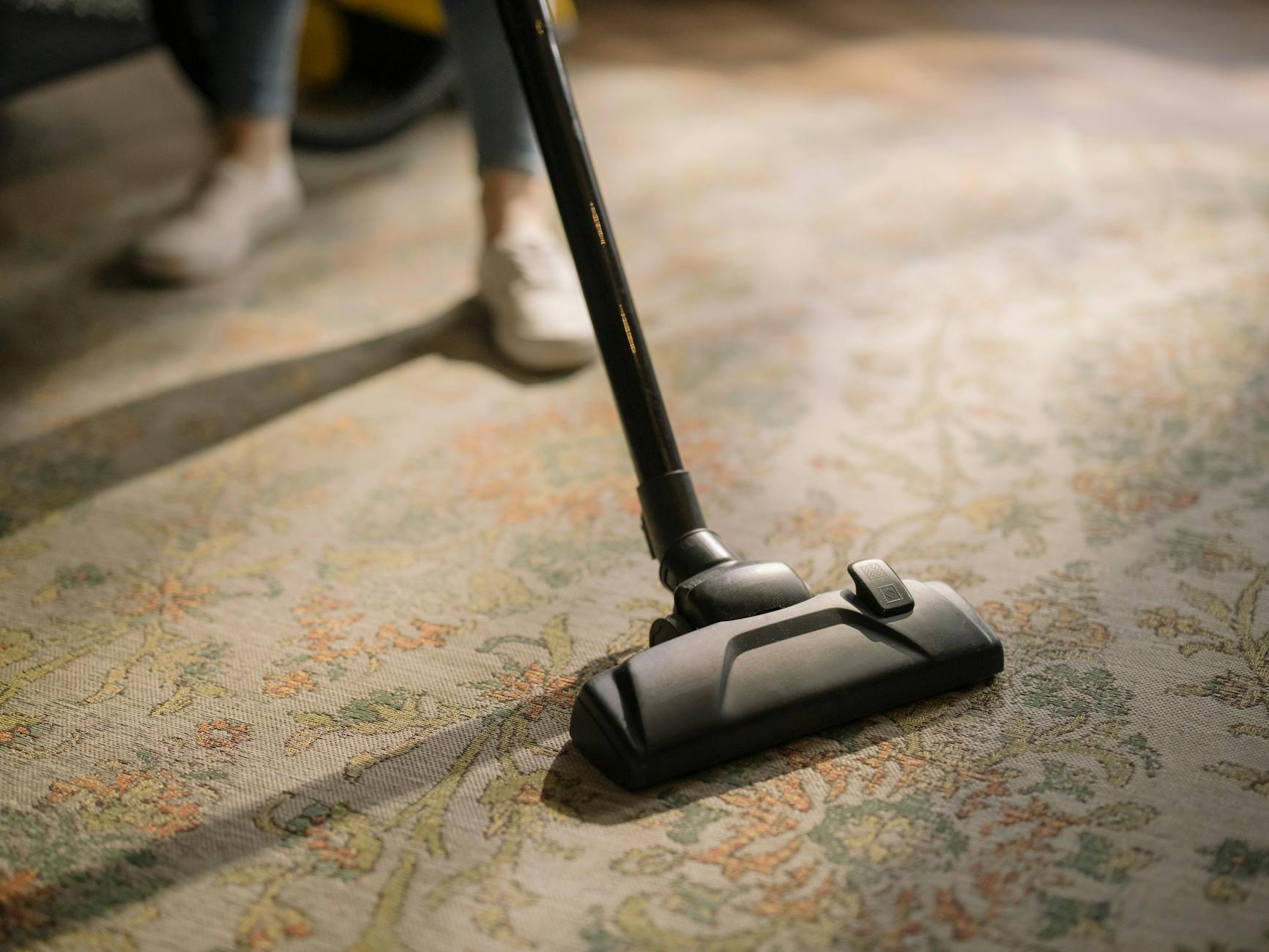 Photo by cottonbro studio / Pexels
Carpet cleaning machines are one of the most confusing appliance categories because three fundamentally different product types all get called "carpet cleaners": portable spot cleaners, full-size upright carpet washers, and steam cleaners. Each does a different job, at a different cost, with different results. Buying the wrong type is the most common mistake in this category.
The 3 Types of Carpet Cleaning Machines
Portable spot cleaners ($80-200): Small, lightweight (5-10 lbs), designed for treating individual stains immediately. They spray cleaning solution + hot water onto the stain, then suction it up. Most effective within 5-30 minutes of a fresh stain. The Bissell Little Green ($90-130) and Hoover CleanSlate ($80-100) are the category leaders. These machines do not deep-clean carpets — they treat spots. If you have pets, kids, or traffic stains, this is the machine you use most often and should own outright.
Full-size upright carpet washers ($150-400): Clean entire rooms with rotating brush rolls and hot water extraction. The machine sprays water + detergent into the carpet, the brush agitates fibers, and powerful suction extracts dirty water. This is what professional carpet cleaners do, but at consumer power levels. The Bissell ProHeat 2X Revolution ($150-200) and Bissell CrossWave ($150-200, for area rugs) are the most popular. Effective for whole-room cleaning 2-4 times/year.

Steam cleaners ($80-250): Use high-temperature steam (212°F+) to sanitize and loosen soil. True steam cleaners use NO chemicals — heat kills bacteria, dust mites, and mold spores. Most effective on hard floors, tile, and grout, not deep carpet cleaning — the steam penetrates only 1-2mm into carpet fibers, insufficient for ground-in soil. Useful for: sanitizing area rugs, spot treating upholstery, tile and grout cleaning.
Dry Time: The Most Underrated Spec
Professional carpet cleaning services clean and dry carpet in 4-6 hours. Budget consumer machines often leave carpets wet for 8-12 hours. This matters because wet carpet in a closed room creates ideal conditions for mold growth within 24-48 hours. Dry time is determined by three factors: water temperature (hot water extracts faster), suction power (water pickup rate), and ventilation.
Dry time benchmarks: Bissell ProHeat 2X Revolution — 4-6 hours with good airflow. Hoover SmartWash — 4-6 hours. Budget Walmart-brand machines — 8-12+ hours. To speed drying after any machine cleaning: open windows, run ceiling fans, and place a box fan blowing across the carpet surface. Avoid walking on wet carpet — it compresses the fibers and slows drying. For rooms over 300 sq ft, rent a professional machine (see Renting section below).
Pet Stains: The Enzyme Science
Pet urine contains uric acid crystals that bond to carpet fibers and are not removed by standard cleaners. When they get wet (from humidity, steam, or water cleaning), they reactivate and release the odor — which is why "clean" carpets smell again on humid days. The only effective treatment is enzymatic cleaners.
Enzymatic cleaners contain bacteria that produce enzymes (protease, lipase, urease) that break down uric acid crystals, proteins, and fats at a molecular level. Common brands: Rocco & Roxie Stain & Odor Eliminator, Nature's Miracle Advanced, Bubbas Super Strength. Application: saturate the stain (the enzyme must reach every part of the soiled area, including below the carpet padding), allow to dwell 10-15 minutes, then extract with a spot cleaner or blot with towels.
For old/set pet stains: use a blacklight ($10-15) to locate every affected area — dried urine fluoresces yellow-green under UV. Apply enzymatic cleaner to all lit areas, not just visible stains. Stains treated without reaching below the carpet padding (into the subfloor in severe cases) will continue to reactivate.
Key Specs to Compare When Buying
Clean water tank size: Larger tanks = fewer refill trips. For whole-room cleaning, a 1+ gallon tank is preferred. Spot cleaners typically have 1-2 qt tanks (sufficient for spot use).
Dirty water tank size: Match to clean water tank. If the dirty tank is smaller than the clean tank, you'll be dumping dirty water mid-clean — messy and inconvenient.
Water temperature: Built-in water heaters produce hotter water for better extraction. Some budget machines use room-temperature tap water — significantly less effective.
Brush roll RPM: Higher RPM agitates carpet fibers more thoroughly, releasing embedded soil. Usually 600-1,200 RPM for consumer machines.
Suction power (amperage or air watts): Higher suction = faster water extraction = shorter dry time. Consumer machines: 5-12 amps. Professional machines: 12-15+ amps.
Buying vs Renting: The Break-Even Analysis
Rug Doctor and Bissell rental stations ($30-50/day) offer professional-grade machines. Cost analysis: owning a Bissell ProHeat 2X Revolution ($180) breaks even against renting after 4-6 rental days. If you clean carpet 2x/year: you break even in 2-3 years. If you clean carpet 4x/year or have pets (frequent spot cleaning + 2-4 full cleans/year): owning pays off in 12-18 months.
When renting is better: cleaning over 1,000 sq ft (a full house), one-time move-out cleaning, cleaning deeply neglected carpet where professional extraction power is needed. When owning is better: households with pets, kids, or high-traffic carpet where spot cleaning happens 1-4 times/month.
What We Recommend
Pet households: Bissell Little Green Pet Pro ($110-130) for spot cleaning + Bissell ProHeat 2X Revolution Pet Pro ($180-220) for quarterly full cleans — this combination handles every pet carpet situation. Non-pet households with kids: Bissell Little Green ($90-100) for spots + rent a Rug Doctor 2-3x/year when needed. Budget option for light use: Hoover CleanSlate ($80-90) handles spots adequately. See our full comparisons: best carpet cleaners for pet stains, best carpet cleaner machines, and best carpet cleaners overall.
Common Mistakes to Avoid
Using too much detergent — excess detergent leaves a residue that attracts dirt, making carpet dirtier faster. Use 1/2 to 2/3 of the recommended detergent amount. Rubbing stains instead of blotting — rubbing spreads the stain and pushes it deeper into the carpet pile. Always blot from the outside of the stain inward. Using a steam cleaner instead of a carpet washer for deep cleaning — steam penetrates only 1-2mm, which is insufficient for ground-in soil. Not treating below the carpet for pet urine — enzyme cleaner must reach the carpet backing and padding to fully neutralize the odor. Walking on wet carpet immediately after cleaning — compresses fibers, slows drying, and can re-soil with shoe dirt.
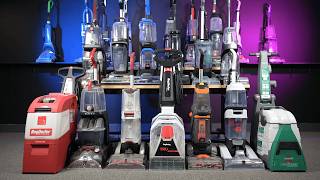
Watch Before You Buy
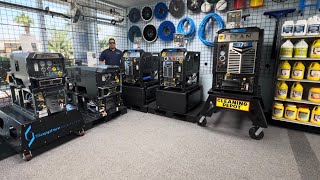
“Get more cleaning power with the Hoover Powerdash Pet, designed to eliminate stubborn pet stains, odors, and. 4.4 stars from 81,735 Amazon reviews signal consistent reliability.”
See Today’s Price →What we like
- PowerDash Pet's antimicrobial brush roll actively fights pet odors between cleanings
- Compact design fits in apartment closets and under-stair storage
- PowerSpin Pet brush roll reaches into carpet fibers to lift embedded hair and dander
- At $110, the Hoover PowerDash delivers deep-cleaning performance at an accessible price
Watch out for
- Smaller water tanks than full-size carpet cleaners require more refill stops on large rooms
- Less powerful suction than commercial-grade units for heavily soiled carpets
Read Full Analysis
Get more cleaning power with the Hoover Powerdash Pet, designed to eliminate stubborn pet stains, odors, and Transform dirty carpets, high-traffic areas, tight spaces and area rugs Assembly required — budget 30-60 minutes for initial setup Color and style options may be limited compared to premium furniture brands
“Commercial-grade upright carpet extractor with dual cross-action brushes for deep pile agitation — the Rug Doctor Mighty Pro X3 for heavily soiled carpets where consumer machines leave ground-in…”
See Today’s Price →What we like
- Rug Doctor Mighty Pro X3 delivers commercial-grade suction power for deeply embedded dirt
- Wide cleaning path covers large rooms faster than residential carpet cleaners
- Professional rental-quality build designed for heavy, repeated use
- Two-tank system keeps clean and dirty water completely separated throughout the cleaning cycle
Watch out for
- Significantly heavier than residential models — harder to maneuver on stairs
- Commercial-grade price point is higher than most home-use carpet cleaners
Read Full Analysis
The Rug Doctor Mighty Pro X3 is the commercial end of this carpet cleaner comparison — the same model available at grocery store and hardware rental counters, brought home as a permanent ownership proposition. The commercial-grade suction power is the meaningful differentiator from residential machines like the Hoover PowerDash at $109.99: where residential extractors agitate and rinse surface soil effectively, commercial-grade suction pulls dirt from deeper in the pile and extracts more water during the recovery pass, reducing drying time and preventing the resoiling that happens when residue-laden moisture wicks back to the carpet surface. The dual cross-action brush system agitates in two directions simultaneously, addressing the directional soil patterns that single-rotation brushes leave in high-pile carpet. The two-tank clean/dirty water separation keeps fresh cleaning solution from being contaminated by extracted soil water, ensuring consistent performance across a full room rather than degrading as the dirty tank fills through the session. The trade-offs are proportional to the commercial positioning: the machine is significantly heavier than residential carpet cleaners, making stair cleaning and multi-floor hauling more physically demanding. The ownership cost makes sense for households with recurring deep-cleaning needs, heavy pet soiling, or large carpeted areas where renting the same unit repeatedly would cost more than purchase within 2–3 rental cycles. For occasional one-room cleaning, the Hoover PowerDash at $109.99 handles the job at a fraction of the investment.
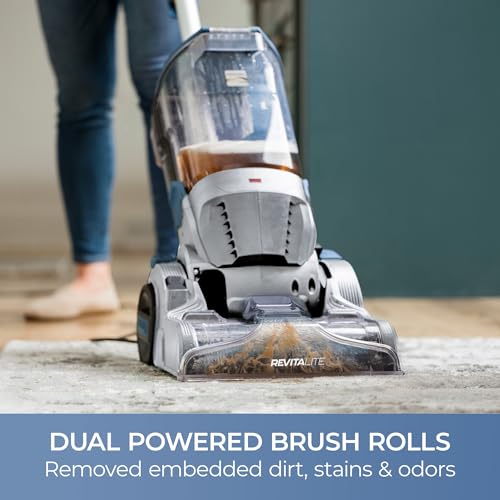
“Lightweight upright carpet cleaner with specialized pet tool attachment for embedded fur and pet stain treatment — the Kenmore RevitaLite for pet households where a full commercial machine is…”
See Today’s Price →What we like
- Kenmore KW4070 RevitaLite's dual-brush design agitates carpet fibers for thorough pet hair removal
- Built-in pet hair extraction reduces tangling around the brush roll
- Auto-detergent mixing system ensures consistent cleaning solution ratio
- Kenmore's brand reputation for appliance quality backs the build and warranty
Watch out for
- Replacement parts and brushes may be harder to source than for Hoover or Bissell models
- Heavier than compact residential cleaners — takes more effort to push across thick pile carpet
Read Full Analysis
The Kenmore RevitaLite occupies the practical middle ground in this carpet cleaner comparison — more capable than the powder maintenance products but more accessible than the commercial-grade Rug Doctor Mighty Pro X3. For pet households dealing with embedded fur, recurring urine stains, and the traffic patterns that pets create on high-use carpet zones, a dedicated pet carpet cleaner handles what spot sprays cannot reach and what commercial rentals are impractical for regular use. The dual-brush design agitates carpet fibers in a way that single-brush extractors cannot match for pet hair removal — pet fur wraps tightly around individual carpet fibers and resists extraction force without physical agitation before the rinse cycle. The built-in pet hair extraction reduces tangling around the brush roll, which is the maintenance failure that ends the life of most residential carpet cleaners in pet households before the machine is worn out. The auto-detergent mixing system removes the manual measurement step — user error in detergent concentration causes residue buildup and wicking that makes treated areas resoil faster than untreated spots. The Kenmore brand backing provides warranty and parts availability that matter for a machine used repeatedly on recurring pet messes. Compared to the Hoover PowerDash at $109.99 on this page, the RevitaLite's dual-brush agitation and pet-specific extraction make it the more appropriate choice for households where pet cleaning is the primary carpet cleaner use case.
Frequently Asked Questions
What is the difference between a carpet cleaner and a steam cleaner?
How long does carpet take to dry after using a carpet cleaner?
How do I remove pet urine smell from carpet permanently?
Is it better to buy or rent a carpet cleaner?
What is the best carpet cleaner for pet stains?
Can I use any carpet cleaning solution in my machine?
How We Analyze Products
We analyze Amazon review data — often thousands of reviews per product — to surface patterns that individual buyers miss. Our process aggregates star ratings, review counts, and buyer sentiment at scale, identifying which strengths and weaknesses appear consistently across the largest review samples available. The 82,322+ reviews analyzed on this page represent real verified-purchase feedback from Amazon buyers.
Each product earned its placement through data: total review volume, average rating, and the specific praise and complaints that repeat most often across buyers. No manufacturer paid for placement on this page. Products appear here because buyers endorsed them at scale, not because a company asked us to feature them.
We use AI to summarize review sentiment — not to fabricate opinions, but to condense what thousands of buyers actually wrote into a readable format. The pros and cons you see reflect the most common themes found in verified purchaser reviews, paraphrased for clarity. We do not claim to have accessed Reddit, YouTube, or specific publications in generating these summaries.
Prices shown reflect Amazon pricing at the time this page was last generated. Click “See Today’s Price” to get the current live price on Amazon. Read our full methodology →