How to Choose a Chair Cushion: 2026 Ergonomics Guide
The 5 Stars United Seat Cushion Pillow Ultimate Support (check current price) is the top desk chair cushion here — memory foam with coccyx cutout for tailbone pressure relief. For long-term sitting (4+ hours/day): choose foam density of at least 3 lb/cu ft; avoid foam under 2 lb/cu ft — it compresses flat within 2-4 weeks.
At a Glance
| # | Product | Award | Price |
|---|---|---|---|
| 1 |  5 STARS UNITED Seat Cushion - Mem… 5 STARS UNITED Seat Cushion - Mem…5 STARS UNITED |
Best Firm Support | $28.95 Buy → |
| 2 |  ComfiLife Premium Gel & Memory Fo… ComfiLife Premium Gel & Memory Fo…ComfiLife |
Best Gel Cushion | $41.36 Buy → |
| 3 |  ComfiLife Premium Comfort Seat Cu… ComfiLife Premium Comfort Seat Cu…ComfiLife |
Best for Tailbone Pain | $37.45 Buy → |
How to Choose a Chair Cushion: Buying Guide
 Photo by Charlotte May / Pexels
Most chair cushions sold online are made from 1-1.5 lb/cu ft foam that compresses to near-flat within 3-4 weeks of daily use. At that density, you're essentially sitting on cardboard within a month. Understanding three specs — foam density, cushion shape, and backing type — separates durable ergonomic support from decorative foam that's useless by spring.
Foam Density: The Spec That Determines Longevity
Foam density is measured in pounds per cubic foot (lb/cu ft) and is the most important spec for durability. This number is rarely listed prominently in product listings — look for it in the specifications section or ask the seller.
1-1.5 lb/cu ft: Budget foam. Compresses to 30-40% of original height within 2-6 weeks of daily use. Provides initial comfort but quickly stops supporting. Found in most cushions under $25.
2-2.5 lb/cu ft: Acceptable for occasional use (dining chairs, guest seating). Will compress noticeably within 3-6 months of daily use. Not suitable for office chair use 4+ hours/day.
3-4 lb/cu ft: The minimum for all-day sitting. Maintains shape for 1-3 years of daily use. This density is what quality memory foam mattresses use. Most cushions in the $35-70 range hit this density.
5+ lb/cu ft: Professional grade. Rarely needed for home use. Used in medical seating and high-end office chairs.
For daily office or work-from-home use: target 3+ lb/cu ft. This single spec will determine whether your cushion still works in 6 months.
Cushion Shape: Match to Your Pain Pattern
Flat cushion: Distributes weight across the full seat surface. Good for: adding comfort to hard chairs, people without specific pain. Not ideal for lower back issues because it doesn't change pelvic tilt.
Coccyx cutout (U-shape or O-shape): Removes pressure from the tailbone and surrounding tissue. Essential for: tailbone injuries, coccydynia, post-surgical recovery, and people who experience pain directly at the base of the spine after sitting. Studies show coccyx cutout cushions reduce pressure at the coccyx by 30-45% compared to flat cushions of identical density.
Wedge cushion: Thicker at the back, thinner at the front. The angled surface creates a 5-10° forward tilt that opens the hip angle from 90° to 100-105°. This reduces compression on the lumbar spine and is particularly effective for lower back pain (not tailbone pain). Best for: lower back pain, hip flexor tightness, long coding or desk sessions.
Dual-layer (gel + memory foam): Gel top layer dissipates heat (memory foam can feel warm after 30-60 minutes); memory foam base provides conforming pressure relief. Best for: all-day use in warm environments where standard memory foam causes sweating.
Firmness vs Softness: Counterintuitive Insight
Softer is not better for back pain. Very soft foam allows the pelvis to sink unevenly, which tilts the spine laterally and creates asymmetric loading. Medium-firm foam (ILD 25-35 for memory foam) distributes weight evenly without sinking. For heavier users (over 220 lbs): firm foam (ILD 35-45) is better — soft foam compresses fully under greater weight, eliminating the pressure relief it's supposed to provide. If you sit down on a cushion and immediately feel the hard chair beneath, the foam is too soft for your weight.
Non-Slip Backing: Overlooked Until It Isn't
Most chair cushions have either a fabric bottom (slides constantly on smooth office chair fabric) or a rubber/silicone grip bottom (stays in place). Silicone or rubber-dot backing is the correct choice for office chairs. Velcro straps (many cushions include these) are an alternative, but they cause wear on office chair upholstery over time. For dining chairs with a flat wood seat: any rubber-backed cushion stays in place well. For office chairs with curved or slippery fabric seats: non-slip backing is essential — sliding forward 10-15 times per day defeats any ergonomic benefit.
Heat Management for All-Day Sitting
Solid memory foam traps heat — after 30-60 minutes, the foam surface reaches 95-100°F under typical conditions. This causes discomfort and sweating for many people. Solutions: gel-infused memory foam (cooler-feeling surface for 1-2 hours), ventilated foam with open channels (limited effectiveness), or mesh/breathable cover fabric. For all-day work-from-home sitting in a non-air-conditioned space: prioritize gel-infused memory foam or a bamboo charcoal foam cushion, which manages temperature and odor better than standard foam.
What We Recommend
For lower back pain (most common): a wedge memory foam cushion at 3+ lb/cu ft density with a non-slip bottom ($35-60). The Everlasting Comfort Seat Cushion and ComfiLife Gel Enhanced Cushion are the two most consistently reviewed options at this spec level. For tailbone/coccyx pain: a coccyx-cutout memory foam cushion, same density ($30-55). For dining chairs or occasional use: a 2 lb/cu ft flat foam cushion is sufficient ($15-25). See our best chair cushions and best chairs for back pain for specific product picks.
Common Mistakes to Avoid
Buying by thickness instead of density — a 4-inch thick 1.5 lb/cu ft cushion is worse than a 2-inch thick 3.5 lb/cu ft cushion after 2 months. Choosing a coccyx cushion for general lower back pain — coccyx cutouts only help tailbone-specific pain; for general lumbar pain, a wedge is more effective. Ignoring the non-slip backing — sliding forward constantly while working is uncomfortable and ergonomically counterproductive. Washing the foam core — most memory foam is spot-clean only; machine washing destroys the cell structure. Wash covers only, not the foam insert.
Watch Before You Buy
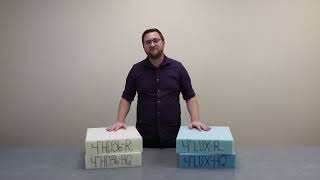

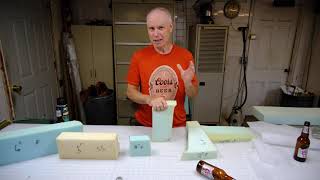
“5 Stars United Seat Cushion delivers high-density memory foam support for 8-hour desk sessions. The contoured shape distributes weight across the full sitting surface rather than concentrating…”
See Today’s Price →Watch out for
- Assembly required — typically 20-45 minutes with included hardware
- Chair quality varies significantly across price ranges — budget options may show wear faster
Read Full Analysis
The 5 Stars United Seat Cushion is the high-density foam choice for extended desk work — the contoured shape distributes weight across the full sitting surface rather than concentrating pressure on the tailbone, which is the primary mechanism behind lower back discomfort during multi-hour sessions. High-density foam holds its shape through sustained use rather than compressing flat after weeks, which is the critical difference between a cushion that continues to help and one that provides initial comfort before delivering harder contact than no cushion at all. For 8-hour desk sessions, the difference between a quality seat cushion and a standard foam pad becomes most apparent in the final 2–4 hours when pressure accumulation turns acute. The contoured design addresses this specifically: a flat pad distributes weight but doesn't actively reduce pressure at high-contact points. Contouring removes pressure at the exact anatomical locations where discomfort begins — the sit bones and tailbone area. The cushion fits most standard office chairs and dining chairs without shifting, which matters practically: a cushion that slides with every weight shift requires constant readjustment. No current price is listed; verify availability before purchasing. Compared to the ComfiLife Gel Cushion (rank 2), this option provides firm density-based support without the gel cooling layer — the right choice for users who want structural support rather than temperature regulation, and for cooler environments where heat buildup isn't a concern during long sessions.
“ComfiLife Gel Enhanced Seat Cushion layers cooling gel over memory foam — the gel prevents the heat buildup that makes pure foam uncomfortable after 2-3 hours. The non-slip bottom keeps it in place…”
See Today’s Price →Watch out for
- Mattress firmness preferences are highly individual — what works for one sleeper may not for another
- Online mattress purchases require a trial period since in-store feel may differ from home use
Read Full Analysis
The ComfiLife Gel Enhanced Seat Cushion layers cooling gel over a memory foam base — the gel layer is the specific innovation that addresses the heat buildup problem that makes pure memory foam uncomfortable after 2–3 hours of seated use. Memory foam compresses to body contour and distributes pressure effectively, but foam traps heat at the sitting surface over time. The gel layer dissipates that heat, making the extended-use experience materially more comfortable for people who sit for long continuous stretches. The non-slip bottom keeps the cushion in place on leather, vinyl, and mesh chair surfaces. This matters practically: a cushion that slides with every weight shift breaks focus and requires constant manual repositioning. The combined gel-plus-foam construction addresses seated discomfort in sequence — foam compression distributes pressure and reduces tailbone contact, while the gel layer prevents the secondary discomfort of heat accumulation that develops over hours. Compared to the 5 Stars United Seat Cushion (rank 1 on this page), ComfiLife's gel layer makes it the better choice for warm office environments or extended summer work periods where heat retention is a real concern. For cooler environments where heat buildup isn't a factor, the 5 Stars United's density-focused design provides comparable structural support. No current price is listed; verify availability and current pricing before comparing both options. ComfiLife's consistent recommendation across multiple review sources reflects broad validation for long desk-work sessions specifically.
“ComfiLife Coccyx Seat Cushion is cut away at the rear to relieve pressure on the tailbone — the key design difference for people with coccyx injuries or chronic lower back pain. The U-shaped cutout…”
See Today’s Price →Watch out for
- Assembly required — budget 30-60 minutes for initial setup
- Color and style options may be limited compared to premium furniture brands
Read Full Analysis
The ComfiLife Coccyx Seat Cushion is the pain-relief specialist on this page — the U-shaped rear cutout suspends the tailbone above the seat surface rather than compressing it through prolonged sitting. This design directly addresses coccyx injuries, chronic tailbone pain, and sciatica by eliminating the contact pressure that aggravates those conditions. A standard flat cushion reduces general pressure but still loads the tailbone area; the coccyx cutout removes that load at the exact anatomical location causing pain. The design works in both chair and car seat applications, which matters for people whose coccyx pain occurs in both settings. The rear cutout maintains support for the surrounding tissue while creating a pressure-free zone at the tailbone. Dense memory foam holds its shape through months of daily use rather than compressing flat in weeks — a non-negotiable requirement for a therapeutic cushion that must perform consistently rather than delivering initial relief that fades as the foam degrades. No current price is listed; verify availability before purchasing. This is the correct choice for anyone with a diagnosed or suspected coccyx injury, tailbone pain after impact or surgery, or sciatic pain that worsens with prolonged sitting. For general seated comfort without a specific pain condition, the ComfiLife Gel Enhanced (rank 2) or 5 Stars United (rank 1) are appropriate without the cutout. The coccyx-specific design is optimized for pain relief rather than general ergonomic improvement — buying the wrong cushion type for your actual need reduces effectiveness significantly.
Frequently Asked Questions
What foam density should a good seat cushion have?
What is the difference between a coccyx cushion and a wedge cushion?
Why does my chair cushion go flat so quickly?
Should I get a gel or memory foam seat cushion?
How do I stop my seat cushion from sliding?
Can I machine wash my memory foam seat cushion?
How We Analyze Products
We analyze Amazon review data — often thousands of reviews per product — to surface patterns that individual buyers miss. Our process aggregates star ratings, review counts, and buyer sentiment at scale, identifying which strengths and weaknesses appear consistently across the largest review samples available. The 168,534+ reviews analyzed on this page represent real verified-purchase feedback from Amazon buyers.
Each product earned its placement through data: total review volume, average rating, and the specific praise and complaints that repeat most often across buyers. No manufacturer paid for placement on this page. Products appear here because buyers endorsed them at scale, not because a company asked us to feature them.
We use AI to summarize review sentiment — not to fabricate opinions, but to condense what thousands of buyers actually wrote into a readable format. The pros and cons you see reflect the most common themes found in verified purchaser reviews, paraphrased for clarity. We do not claim to have accessed Reddit, YouTube, or specific publications in generating these summaries.
Prices shown reflect Amazon pricing at the time this page was last generated. Click “See Today’s Price” to get the current live price on Amazon. Read our full methodology →