How to Choose a Mattress: The Complete Buyer's Guide 2026
For most people, a medium-firm hybrid ($600–$1,000 queen) is the safest all-around choice: coil airflow keeps it cooler than all-foam, pocketed springs isolate motion, and the foam comfort layer handles pressure points. Adjust one step softer for side sleepers; one step firmer for stomach sleepers. Always use the full trial period — at least 30 nights before deciding.
How to Choose a Mattress Buying Guide
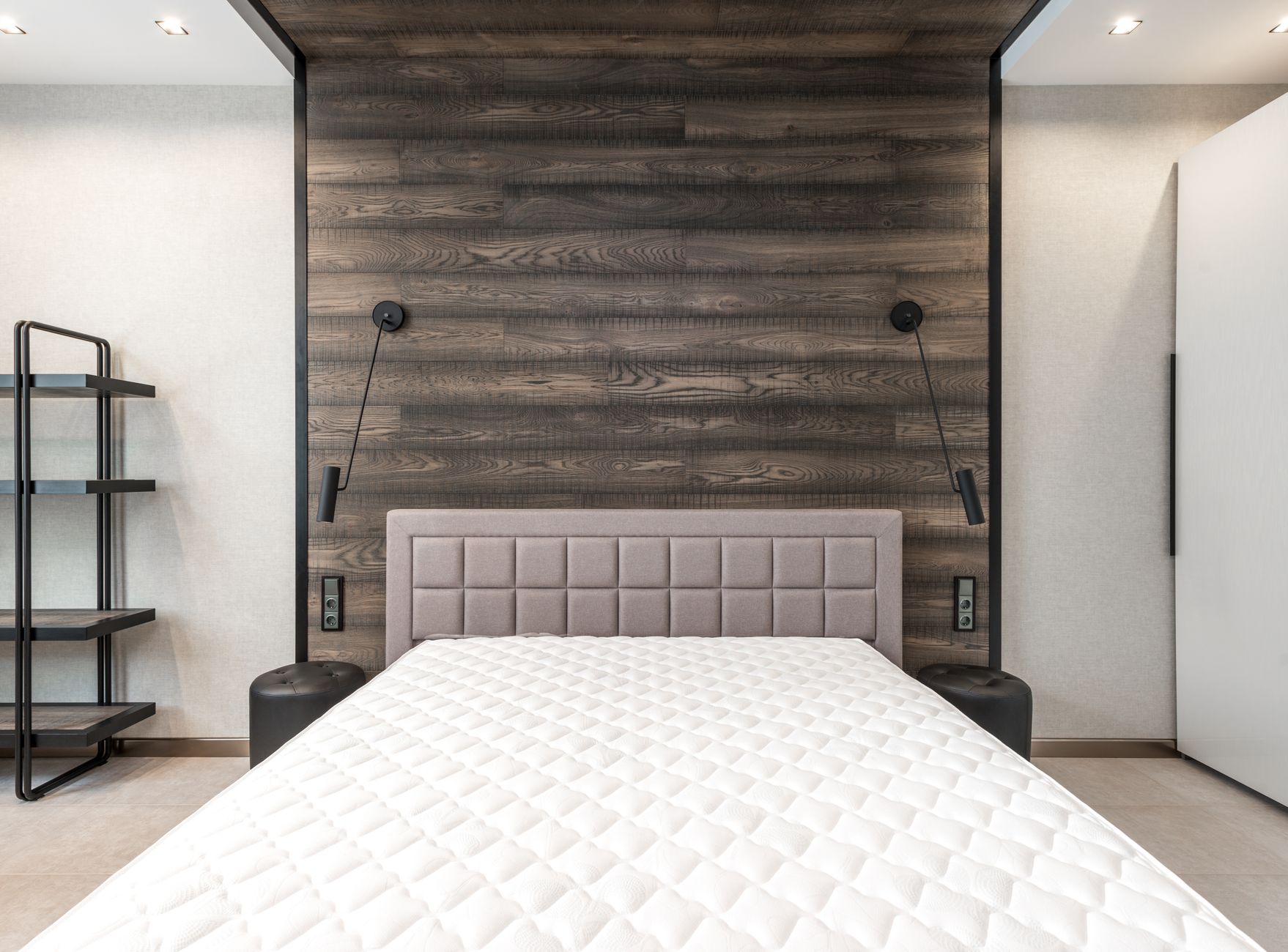 Photo by Max Vakhtbovych / Pexels
Choosing the wrong mattress is an expensive mistake that compounds nightly for years. But the information available — from brands, retail showrooms, and review sites paid on commission — is designed to overwhelm you into buying something rather than to help you find the right fit. This guide gives you the actual framework.
Why Getting This Wrong Costs More Than the Mattress
A mattress purchased in 2026 will likely still be on your bed in 2034. Poor sleep quality linked to an ill-fitting mattress — wrong firmness for your sleep position, inadequate temperature regulation, or insufficient motion isolation if you share the bed — accumulates in ways that affect energy, pain levels, and cognitive performance. The American Academy of Sleep Medicine estimates that chronic sleep insufficiency costs the U.S. economy over $411 billion per year in lost productivity and health consequences.
The two most common failure modes when buying a mattress: buying too soft for your sleep position (the most common mistake — soft feels luxurious in a showroom but causes spinal misalignment over a full night) and prioritizing price over fit (a $400 mattress that doesn't match your body is worse than a $900 mattress that does). The goal of this guide is to help you identify what "fit" means for your specific situation before you spend a dollar.
One more thing: mattress return rates are high — most bed-in-a-box brands process 10–15% returns under their trial periods. That's not a failure of the system; it's the system working. No showroom audition of 3 minutes in your street clothes tells you how a mattress performs across different sleeping positions over an entire night. Use the trial period as the evaluation mechanism it's designed to be.
The Four Mattress Types: Honest Performance Profiles
Every mattress sold today falls into one of four construction categories. Marketing language varies wildly, but construction determines performance.
Memory foam is dense viscoelastic foam that contours closely to your body shape and recovers slowly. Its strengths are exceptional pressure relief (ideal for side sleepers) and near-perfect motion isolation (if your partner is restless, you feel nothing). Its weaknesses are heat retention (foam traps body heat — older formulas especially) and slow response when you shift positions, which some people describe as feeling "stuck" or "sinking." Memory foam is best for: side sleepers who prioritize pressure relief, light sleepers who share a bed, and anyone who runs cold. See our best memory foam mattress picks for current top-rated options across price tiers.
Hybrid mattresses combine a coil spring core with a foam or latex comfort layer (typically 2–4 inches) on top. This is the most versatile category and the one with the broadest appeal: coils provide airflow (sleeps significantly cooler than all-foam), responsiveness when you change positions, and edge support; the foam comfort layer provides contouring and pressure relief. Hybrids are the recommendation for: combination sleepers, couples with different sleep positions, hot sleepers, and heavier individuals (over 230 lbs) who need the firmer support of a coil core. Our best hybrid mattress guide breaks down the top options by sleep position and budget.
Innerspring mattresses are coil-dominant with a thin comfort layer (typically 1–2 inches). They're the most traditional type: most responsive, coolest sleeping, most durable in the coil system, and typically the most affordable. The tradeoffs are minimal body contouring and poor motion isolation — coils are interconnected in older designs, meaning movement on one side transfers across the bed. Best for: stomach sleepers (who need firm support without sinking), people who sleep hot, and budget-focused buyers who don't prioritize pressure relief.
Latex mattresses use natural or synthetic rubber foam. Natural latex (harvested from rubber trees) is the most durable mattress material available — a quality natural latex mattress can last 15–20 years, which changes the cost math considerably. Latex is responsive (recovers quickly when you shift position, unlike memory foam), sleeps cooler than memory foam, and has a distinctive buoyant feel that many people prefer. It's also the choice for buyers prioritizing organic or non-synthetic materials. See our organic mattress guide for GOTS-certified and fiberglass-free options. The barrier: quality natural latex mattresses run $1,500–$3,000+ for a queen.
Firmness Is Not a Universal Property — It Depends on You
Mattress firmness is rated 1–10 (soft to firm) on a scale that no industry body calibrates consistently. A "7/10" from Saatva may feel like a "5/10" from Purple. More importantly: the same mattress feels different depending on your body weight and sleep position, because both determine how far you compress the foam and whether you engage the support layers underneath.
By sleep position:
- Side sleepers need medium-soft to medium (4–6 on the scale). Hips and shoulders need to sink in enough to keep the spine straight. Too firm = hip and shoulder pressure points that cause morning soreness or interrupt sleep. Too soft = hips sinking farther than shoulders, creating a bowed spine. See our mattresses for side sleepers for position-specific picks.
- Back sleepers need medium to medium-firm (5–7). The mattress must support the lumbar curve without letting the hips sink past neutral. If you have existing lower back pain, the support layer composition matters more than the comfort layer — look for zoned support or higher-density foam in the transition layer. Our mattresses for back pain covers this in detail.
- Stomach sleepers need firm (7–9). A soft mattress allows the hips to sink, putting the spine in a hyperextended position — one of the most common causes of chronic lower back pain. If you're a committed stomach sleeper, never buy a mattress below a 6 regardless of how it feels initially.
- Combination sleepers who shift positions throughout the night are the most challenging to fit. A responsive medium (5–6) hybrid is typically the best compromise — it adjusts better to changing positions than slow-recovery memory foam. Avoid very soft or very firm options.
Weight adjustments: If you weigh over 230 lbs, add one firmness point to any recommendation above — heavier bodies compress foam more deeply, making softer mattresses feel softer still and preventing them from engaging the support core properly. If you're under 130 lbs, subtract one point — lighter bodies don't activate support layers as deeply, so a nominally firm mattress may perform like a medium.
Couples with different needs: This is where hybrid wins consistently. The coil core limits cross-mattress motion transfer while allowing each side to respond independently. For couples with very different firmness needs, a split-firmness mattress (two separate firmness zones in a king size) is worth the premium. See our best mattresses for couples for motion isolation data and split-firmness options.
Watch Before You Buy
At a Glance
| # | Product | Award | Price |
|---|
Frequently Asked Questions
What is the most important factor when choosing a mattress?
How long should a mattress last?
What is the difference between innerspring, memory foam, latex, and hybrid mattresses?
Is a firmer mattress better for back pain?
Should I buy a mattress online or in-store?
How We Analyze Products
We analyze Amazon review data — often thousands of reviews per product — to surface patterns that individual buyers miss. Our process aggregates star ratings, review counts, and buyer sentiment at scale, identifying which strengths and weaknesses appear consistently across the largest review samples available.
Each product earned its placement through data: total review volume, average rating, and the specific praise and complaints that repeat most often across buyers. No manufacturer paid for placement on this page. Products appear here because buyers endorsed them at scale, not because a company asked us to feature them.
We use AI to summarize review sentiment — not to fabricate opinions, but to condense what thousands of buyers actually wrote into a readable format. The pros and cons you see reflect the most common themes found in verified purchaser reviews, paraphrased for clarity. We do not claim to have accessed Reddit, YouTube, or specific publications in generating these summaries.
Prices shown reflect Amazon pricing at the time this page was last generated. Click “See Today’s Price” to get the current live price on Amazon. Read our full methodology →