How to Choose a Rug in 2026: Buyer's Guide
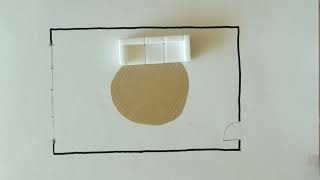
For a living room seating area, the rug should be large enough for all front furniture legs to sit on it, or at minimum the two front legs of each sofa. In a standard living room, this means an 8x10 or 9x12 foot rug. Bedroom rugs should extend at least 18 to 24 inches beyond the bed on three sides. When in doubt, size up.
How to Choose a Rug Buying Guide
 Photo by RDNE Stock project / Pexels
Rug sizing is the most consequential decision and the most commonly wrong one. A rug sized too small for a seating area looks like an afterthought and makes the room feel smaller rather than defined. The correct size creates a visual anchor for the furniture arrangement and unifies the space. Before selecting any other rug attributes, tape out the target rug size on the floor using painter's tape to visualize how the size works with your specific furniture arrangement.
Sizing Rules by Room
Living room: all four legs of every sofa and chair on the rug is the premium approach. All front legs on the rug is the most common acceptable approach. No legs on the rug (rug floats entirely under the coffee table) only works in very small rooms where a larger rug would dominate. Standard living room sizes: 8x10 for rooms up to 12x15 feet, 9x12 for rooms 12x18 feet and larger. Bedroom: the rug should extend 18 to 24 inches beyond the bed on three sides (both sides and the foot). For a queen bed, a 8x10 rug works in most bedroom sizes. For a king bed, a 9x12 rug is usually the minimum. Runner rugs in hallways should be narrow enough to leave 4 to 6 inches of floor visible on each side. Dining room: the rug should extend at least 24 inches beyond the table on all sides so chairs remain fully on the rug when pulled out. Our best rugs for living rooms covers sizing and style recommendations for the most common room configuration. For area rugs, see best area rugs.
Pile Height: Low, Medium, and High
Pile height (the length of the rug fibers) affects feel, durability, and cleaning ease. Low pile (under 1/4 inch) is firm underfoot, easy to clean, and appropriate for high-traffic areas, dining rooms, and rooms where chairs are frequently moved. Flatweave rugs (zero pile) are the lowest maintenance option. Medium pile (1/4 to 1/2 inch) is the most versatile and balances comfort underfoot with cleanability. High pile and shag rugs (over 1/2 inch, sometimes 1 to 2 inches) are extremely comfortable underfoot and add visual texture but trap dirt and debris deeply, making vacuuming less effective and stain removal more difficult. Avoid high pile rugs in dining rooms, under rolling office chairs, and in entryways with heavy foot traffic. High pile is appropriate in low-traffic bedrooms and sitting rooms where comfort is prioritized over practicality.
Rug Material: Wool, Polypropylene, Jute, and Cotton
Wool is the premium natural material for rugs. It is naturally stain-resistant due to lanolin in the fiber, resilient (fibers spring back after compression), durable, and soft underfoot. Quality wool rugs last 20 to 50 years. Polypropylene (olefin) is the most common synthetic material — it is waterproof, highly stain resistant, UV resistant (good for outdoor and sunroom use), and inexpensive. It is less soft than wool and does not compress and recover as well. Nylon is a durable synthetic alternative to polypropylene with better texture and resilience. Jute and sisal are natural fiber rugs with a coarse texture appropriate for a casual or coastal aesthetic — they are not soft underfoot and are not appropriate for bedrooms or sitting areas where barefoot comfort matters. Cotton rugs are soft and machine washable (a significant advantage for dining rooms and nurseries) but are less durable than wool or synthetics.
Stain Resistance and High-Traffic Considerations

For families with children and pets, stain resistance is the primary material selection criterion. Polypropylene rugs repel liquid spills that can be blotted before absorption. Treated wool rugs with stain-resistant coatings (NaturallyCLEAN, EasyClean) handle spills better than untreated wool but still require prompt blotting. Solution-dyed polypropylene is the most stain-resistant construction: the color is added during fiber production rather than applied to the surface, making the color resistant to bleach and most cleaners without fading. For households with dogs or cats, choose a low to medium pile rug — pet hair embeds deeply in high pile and requires specialized vacuuming. Dark and patterned rugs hide dirt and pet hair between cleanings better than solid light-colored rugs in high-traffic areas. Use furniture pads under heavy furniture legs to prevent pile crushing and permanent impressions.
Rug Pads: Why They Are Not Optional

A rug pad placed under any area rug on hard floors is essential for three reasons: safety (prevents the rug from sliding when walked on or when furniture is moved), comfort (adds cushioning underfoot), and rug longevity (prevents the rug backing from abrading against the hard floor). Without a rug pad, rugs on hard floors slide and create a trip hazard, and the abrasion between rug and floor wears the rug backing significantly faster. Rug pads should be 1 to 2 inches smaller than the rug on all sides so the pad is invisible. For carpet installation, use a thinner carpet-to-carpet pad with a non-slip top surface. Felt pads protect the floor from scratching. Rubber-grip pads provide the most effective non-slip performance. Combination felt plus rubber pads ($20 to $60 for standard sizes) are the best all-purpose option for hard floors. A rug pad is typically 10 to 15 percent of the rug cost and extends rug life by years.
At a Glance
| # | Product | Award | Price |
|---|
How We Analyze Products
We analyze Amazon review data — often thousands of reviews per product — to surface patterns that individual buyers miss. Our process aggregates star ratings, review counts, and buyer sentiment at scale, identifying which strengths and weaknesses appear consistently across the largest review samples available.
Each product earned its placement through data: total review volume, average rating, and the specific praise and complaints that repeat most often across buyers. No manufacturer paid for placement on this page. Products appear here because buyers endorsed them at scale, not because a company asked us to feature them.
We use AI to summarize review sentiment — not to fabricate opinions, but to condense what thousands of buyers actually wrote into a readable format. The pros and cons you see reflect the most common themes found in verified purchaser reviews, paraphrased for clarity. We do not claim to have accessed Reddit, YouTube, or specific publications in generating these summaries.
Prices shown reflect Amazon pricing at the time this page was last generated. Click “See Today’s Price” to get the current live price on Amazon. Read our full methodology →