How to Deep Clean Carpet Without a Machine (2026)
For most carpets: vacuum first, apply baking soda with a few drops of dish soap using a stiff brush, let sit 30 minutes, then vacuum again. For stains, apply 1:1 white vinegar and water, blot with a white cloth (never scrub), follow with baking soda. Pet stains require enzymatic cleaner, not vinegar.
At a Glance
| # | Product | Award | Price |
|---|
How to Deep Clean Carpet Without a Machine (2026) Buying Guide
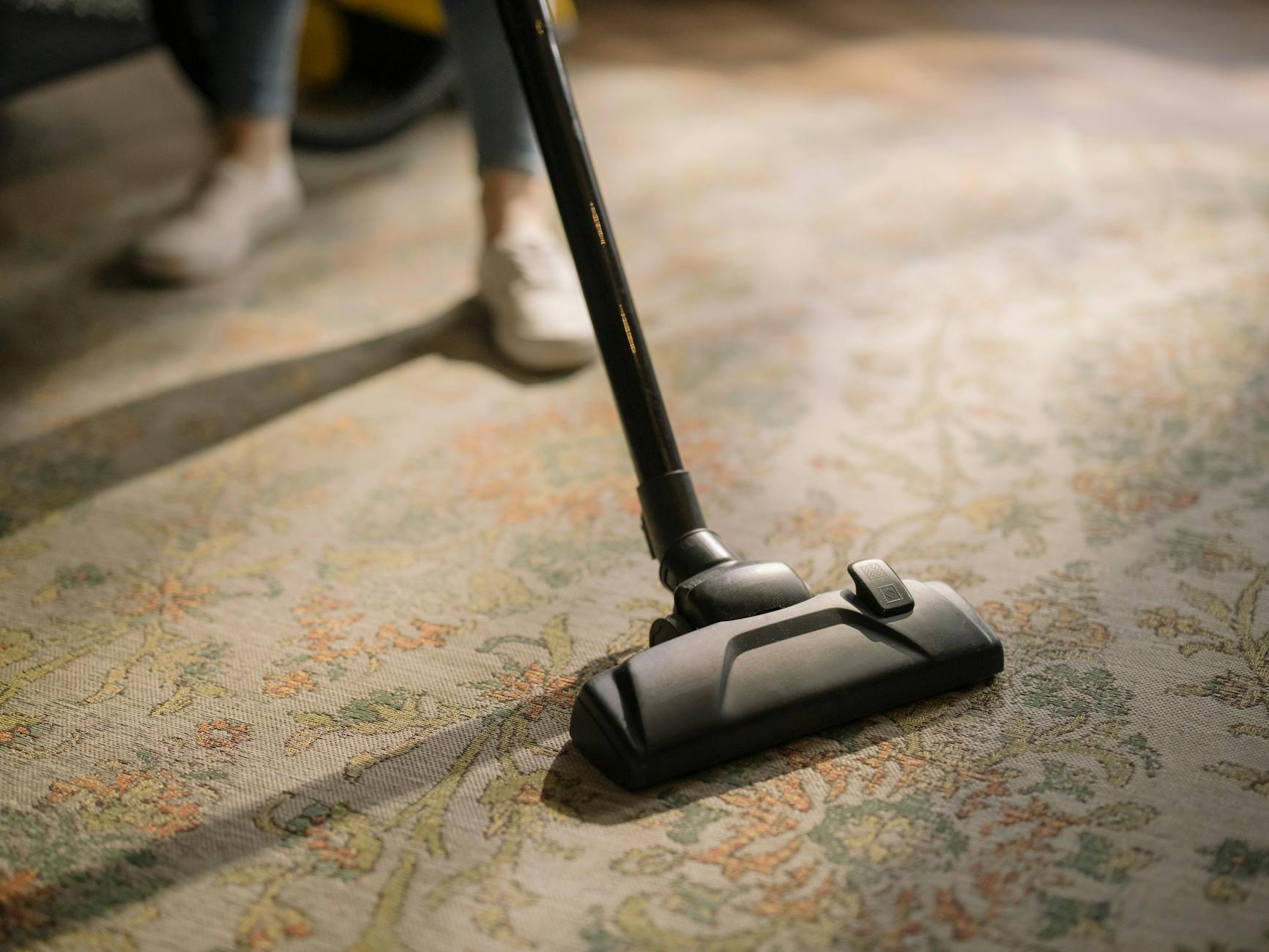 Photo by cottonbro studio / Pexels
Renting a carpet cleaning machine is the gold standard for deep cleans, but it costs $30-50 per use, requires hauling heavy equipment, and uses significant water that extends drying time to 6-12 hours. The manual method doesn't replace machine cleaning annually — but for quarterly refreshes and spot stain treatment, it works well on nylon, polyester, and most blended carpets.
The Full Manual Deep Clean Method
Start by vacuuming thoroughly in two directions — forward/back and side-to-side — to loosen embedded debris. This step is non-optional; cleaning solution sets into soil you didn't remove. Next, sprinkle baking soda liberally across the carpet (about 1/4 cup per square yard), add a few drops of dish soap, and work both in with a stiff-bristle brush using circular motions. Baking soda neutralizes odors and acts as a mild abrasive; dish soap cuts grease and surface oils. Let the mixture sit for at least 30 minutes — 2 hours for heavily soiled carpet. Vacuum again slowly, moving at half your normal speed to extract the powder fully. Rushed vacuuming leaves residue that re-attracts dirt within days. For rooms with regular pet traffic, a second baking soda application the following day before vacuuming extends deodorizing effect.
Stain-by-Stain Treatment Guide
Coffee and tea: blot immediately with a white cloth, then apply a 1:1 white vinegar and water solution, blot again (never scrub — scrubbing spreads the stain and damages carpet fibers), follow with cold water rinse and blotting until dry. Red wine: club soda works if applied immediately — it lifts the stain before it sets. Follow with the vinegar-water solution after club soda stops fizzing. Pet urine: enzymatic cleaners are necessary because vinegar masks but doesn't break down urine proteins — smell returns in humidity without enzymatic treatment. Blood: cold water only (hot water sets protein stains permanently). Dab with cold water and 3% hydrogen peroxide; test in a hidden area first on colored carpets. Grease or oil: sprinkle dry baking soda or cornstarch, let sit 15 minutes to absorb, vacuum before applying a few drops of dish soap with a brush. Mud: let dry completely before treating — wet mud spreads; dry mud vacuums out 80% on its own.
Tools You Actually Need
The minimum effective kit for manual carpet cleaning: a stiff-bristle carpet brush (not a soft brush — you need mechanical agitation to break up ground-in soil), white microfiber cloths for blotting (avoid colored cloths which can transfer dye to wet carpet), baking soda, dish soap, white distilled vinegar, and a spray bottle. Optional but effective: 3% hydrogen peroxide for protein stains (blood, urine), and an enzymatic pet stain spray for homes with animals. Total investment under $20, covering 90% of common carpet cleaning scenarios. Avoid: steam mops on carpet (too much water, promotes mold in padding), bleach (discolors virtually all carpet types), and hot water (permanently sets coffee, blood, and red wine stains).
Wool and Delicate Carpet Considerations
The baking soda method works on synthetic carpets (nylon, polyester, olefin) and most wool blends. For 100% wool carpets, skip vinegar entirely — the acidity can damage wool fibers over time. Use only cold water, gentle pH-neutral soap, and cleaners labeled wool-safe. Avoid over-wetting: wool absorbs water slowly and can develop musty odor if padding stays damp. Silk and viscose carpets require professional cleaning only — DIY liquid methods permanently distort these fibers. Check your carpet's care label, typically sewn into a back corner, or search the manufacturer's website by style number for specific cleaning codes (W = water-based OK, S = solvent only, WS = either, X = professional only).
How We Developed This Guide
This guide was developed by cross-referencing cleaning methods from IICRC (Institute of Inspection, Cleaning and Restoration Certification) professional standards, manufacturer care guides from Shaw Floors and Mohawk Industries, and consumer testing methodology from Good Housekeeping. The baking soda and dish soap combination reflects techniques used by professional cleaners for interim maintenance between hot-water extraction services. We prioritized methods that avoid fiber damage, over-wetting, and residue buildup — the three most common failures with DIY carpet cleaning approaches.
When to Call a Professional Instead
Manual deep cleaning maintains carpet appearance between professional services — it doesn't replace them. Professional hot-water extraction should occur every 12-18 months for typical households, annually for homes with pets or young children. Situations requiring professional service rather than DIY: visible mold growth (health risk, not cleanable from fiber depth), structural odors that return within days of cleaning (the sub-padding is affected, not just the carpet), heavy soil lines near walls and under furniture reflecting years of accumulated grime, and stains from permanent dyes or ink. Average professional carpet cleaning costs $120-200 for a 3-bedroom home and includes drying acceleration and fiber conditioning that DIY methods cannot provide.
How We Analyze Products
We analyze Amazon review data — often thousands of reviews per product — to surface patterns that individual buyers miss. Our process aggregates star ratings, review counts, and buyer sentiment at scale, identifying which strengths and weaknesses appear consistently across the largest review samples available.
Each product earned its placement through data: total review volume, average rating, and the specific praise and complaints that repeat most often across buyers. No manufacturer paid for placement on this page. Products appear here because buyers endorsed them at scale, not because a company asked us to feature them.
We use AI to summarize review sentiment — not to fabricate opinions, but to condense what thousands of buyers actually wrote into a readable format. The pros and cons you see reflect the most common themes found in verified purchaser reviews, paraphrased for clarity. We do not claim to have accessed Reddit, YouTube, or specific publications in generating these summaries.
Prices shown reflect Amazon pricing at the time this page was last generated. Click “See Today’s Price” to get the current live price on Amazon. Read our full methodology →