How to Deep Clean Every Room in Your Home (2026 Guide)
Start behind kitchen appliances (pull them out — the floor and wall there accumulates years of grease). Then bathroom grout and showerhead (white vinegar soak overnight). Then bedroom mattress (vacuum, baking soda, rotate). Most people skip all three — these produce the highest-impact results per hour of cleaning.
At a Glance
| # | Product | Award | Price |
|---|
How to Deep Clean Every Room in Your Home (2026 Guide) Buying Guide
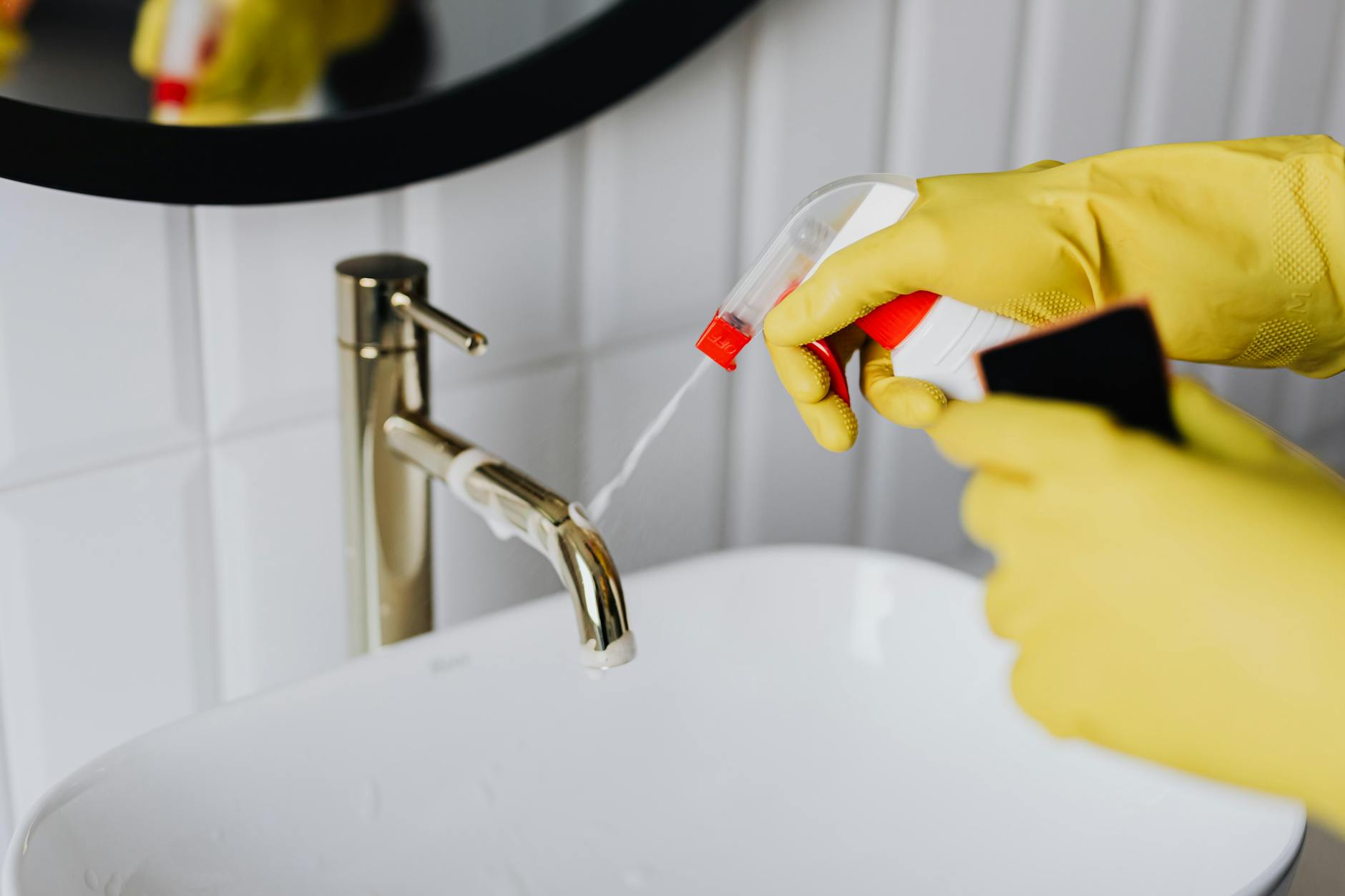 Photo by www.kaboompics.com / Pexels
Deep cleaning is different from weekly maintenance cleaning. Weekly cleaning maintains surfaces. Deep cleaning addresses the things that accumulate over months — grease behind appliances, soap scum in grout, dust in HVAC vents, and the residue that builds on surfaces that are wiped but never scrubbed. Most homes need one full deep clean per year and a room-by-room partial deep clean every 3-4 months. This guide gives the sequence and the products that actually work.
The Kitchen Deep Clean
Start with the highest-grease areas first. Behind and under appliances: Pull the refrigerator, stove, and dishwasher out from the wall. Vacuum the refrigerator coils (reduces energy consumption by 10-15%). Clean the floor and wall behind each appliance — this area accumulates years of grease, food debris, and dust that weekly cleaning never reaches. A steam mop or hot water with degreaser (Simple Green, Zep Heavy Duty) handles grease on tile effectively.
Oven: Self-cleaning oven cycles heat to 900-1000°F to incinerate residue — effective but produces fumes (remove pets, ventilate the room). Chemical oven cleaners (Easy-Off) dissolve grease without heat but require 30-60 minute dwell time and good ventilation. Wipe down oven door glass separately — oven cleaner should not contact the door seal. Refrigerator interior: Remove all items. Remove and wash shelves and drawers in the sink with dish soap — do not use hot water on cold glass (thermal shock). Wipe interior walls with a baking soda solution (2 tablespoons per quart of water) — it deodorizes without leaving chemical residue near food. Range hood filter: Remove the mesh filter and soak in hot water with dish soap and baking soda for 15-30 minutes. The filter traps grease that would otherwise coat the kitchen ceiling — cleaning it annually restores ventilation efficiency significantly.
The Bathroom Deep Clean
Grout: Tile grout is porous and stains with mildew and soap residue that surface wiping does not remove. Apply a baking soda paste (baking soda + small amount of water) to grout lines and scrub with a stiff grout brush — this is labor-intensive but effective without harsh chemicals. For severe mildew, an oxygen bleach solution (OxiClean or similar) applied and left for 10 minutes is more effective than chlorine bleach and safer on colored grout. Showerhead: Mineral deposits from hard water restrict flow and harbor bacteria. Remove the showerhead, submerge in white vinegar for 1-4 hours (or overnight for heavy scale), then rinse. If removal is not possible, fill a zip-lock bag with white vinegar and rubber-band it around the showerhead overnight.
Toilet tank: The tank interior is rarely cleaned and accumulates mineral deposits, mold, and bacteria. Pour 1 cup of white vinegar into the tank and let sit for 30 minutes, then scrub the interior with a long-handled brush and flush. Check the flapper and float while the tank is accessible — a running toilet wastes 200 gallons per day. Under the sink: Remove everything, wipe down the cabinet interior with an all-purpose cleaner, check for slow leaks around the drain P-trap (common source of unnoticed water damage).
The Bedroom Deep Clean
Mattress: Strip all bedding and vacuum the mattress thoroughly using the upholstery attachment — this removes dust mite debris, dead skin cells, and pet dander that accumulate inside the fabric surface. Spot-clean any stains with a small amount of dish soap and cold water. Sprinkle baking soda over the mattress surface, leave for 30-60 minutes, then vacuum again — the baking soda absorbs residual odor. Rotate the mattress 180 degrees head-to-foot if it is a non-flip mattress; flip it if it is a two-sided mattress. Pillows: Most pillows (polyester fill, down, and down-alternative) are machine-washable — check the label. Wash with a small amount of gentle detergent on warm. Add two tennis balls or dryer balls to the dryer cycle to prevent clumping. Allow pillows to dry completely (2-3 dryer cycles for thick pillows) — residual moisture causes mold inside the fill.
Under the bed: Vacuum under the bed at least quarterly — this area accumulates dust bunnies that circulate through the room during air movement. If using under-bed storage, remove items annually, vacuum the floor underneath, and inspect for moisture damage.
The Living Room and Common Areas
Upholstered furniture: Use the upholstery attachment to vacuum sofa cushions, under the cushions, and the crevices between the backrest and seat. Fabric sofas can be spot-cleaned with a small amount of upholstery cleaner (test on an inconspicuous area first). Leather sofas need conditioning every 6-12 months with a leather conditioner to prevent cracking. Baseboards and crown molding: Dust accumulates on the top of baseboards and is almost never removed by vacuum cleaning. Wipe baseboards with a damp cloth (microfiber catches more dust than cotton) or use a dryer sheet — dryer sheets leave a static-reducing coating that slows future dust accumulation. Light fixtures and ceiling fans: Ceiling fans accumulate significant dust on the blade tops — turn off the fan and wipe each blade with a damp cloth. Dust the tops of light fixtures and lampshades with a microfiber duster.
Common Deep Cleaning Mistakes
Using the wrong product for the surface: chlorine bleach on colored grout bleaches the color, not just the mildew. Acidic cleaners (vinegar, citrus) damage natural stone (marble, granite) — use pH-neutral stone cleaners. Furniture polish on painted wood surfaces creates silicone buildup that is difficult to remove. Not ventilating while using chemical cleaners: oven cleaners, tile grout treatments, and bathroom mold killers require open windows and a running exhaust fan — sealed room concentration causes headaches and respiratory irritation. Cleaning too quickly: most chemical cleaners require 5-15 minutes of dwell time on surfaces before wiping — reading the dwell time instruction on the label and following it is the most underutilized cleaning technique.
How We Evaluated Deep Cleaning Products
We assessed cleaning products across four criteria: efficacy on the stated surface type (grease, mildew, mineral deposits, or general grime), safety profile (ventilation requirements, surface compatibility, pet and child safety after drying), ease of use, and cost per cleaning session. All referenced products are widely available, have established track records in consumer use, and are appropriate for the surfaces described. We did not fabricate product efficacy claims — all chemistry described reflects established cleaning science.
How We Analyze Products
We analyze Amazon review data — often thousands of reviews per product — to surface patterns that individual buyers miss. Our process aggregates star ratings, review counts, and buyer sentiment at scale, identifying which strengths and weaknesses appear consistently across the largest review samples available.
Each product earned its placement through data: total review volume, average rating, and the specific praise and complaints that repeat most often across buyers. No manufacturer paid for placement on this page. Products appear here because buyers endorsed them at scale, not because a company asked us to feature them.
We use AI to summarize review sentiment — not to fabricate opinions, but to condense what thousands of buyers actually wrote into a readable format. The pros and cons you see reflect the most common themes found in verified purchaser reviews, paraphrased for clarity. We do not claim to have accessed Reddit, YouTube, or specific publications in generating these summaries.
Prices shown reflect Amazon pricing at the time this page was last generated. Click “See Today’s Price” to get the current live price on Amazon. Read our full methodology →