How to Iron Clothes Properly: 2026 Complete Guide
Iron cotton at 400°F, linen at 440°F, wool at 300°F, silk at 275-300°F, and synthetics at 250°F. Always check the garment label and start 50°F cooler than listed — you can always go hotter. Use distilled water in your iron to prevent calcium buildup and extend its life.
At a Glance
| # | Product | Award | Price |
|---|
How to Iron Clothes Properly: Buying Guide
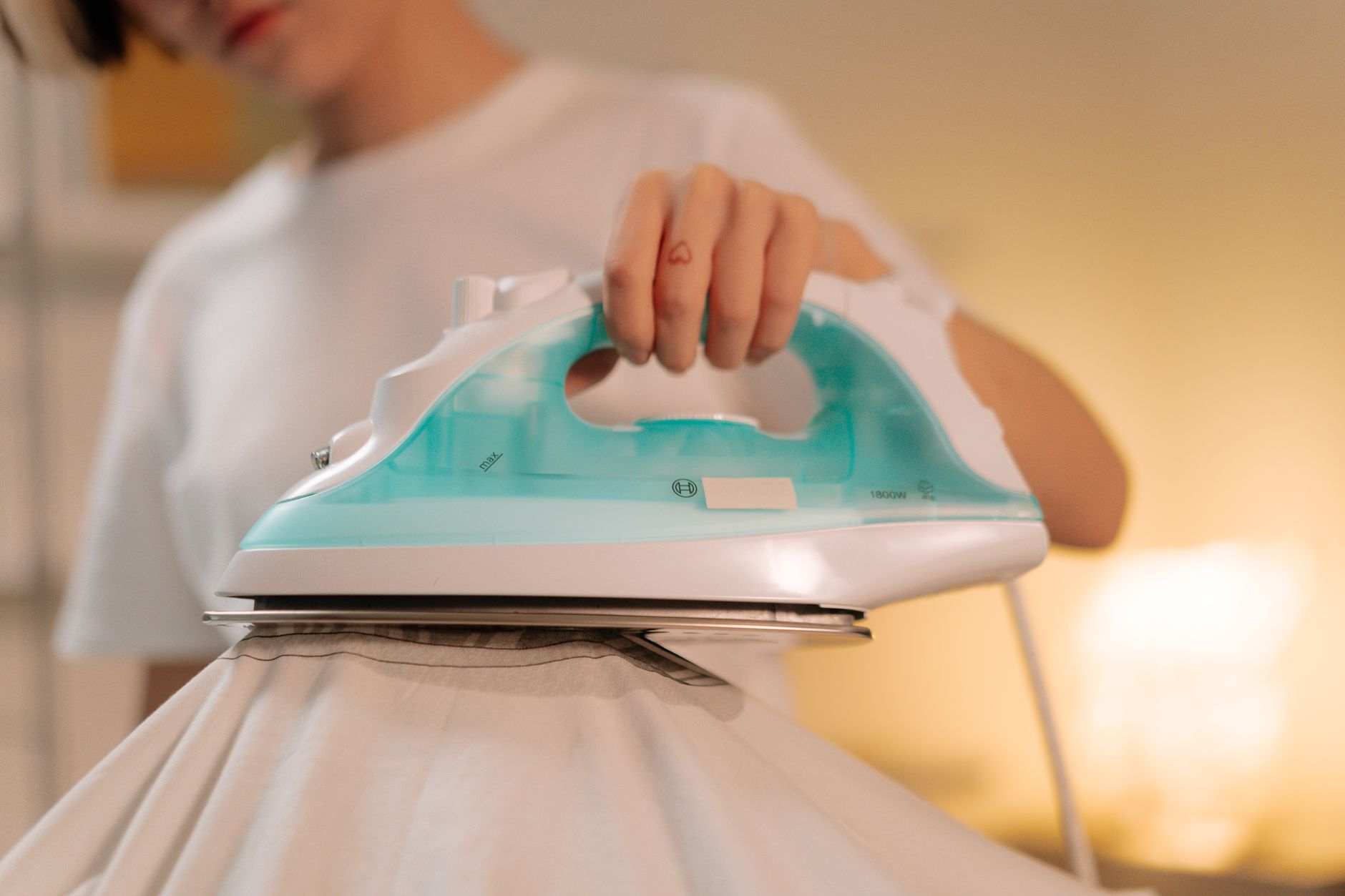 Photo by cottonbro studio / Pexels
Ironing is one of those skills that seems obvious until you ruin a silk blouse or spend 10 minutes re-ironing the same shirt collar. The difference between a crisp, pressed result and a mediocre one comes down to three variables: temperature, steam, and sequence. Get all three right and ironing takes half the time.
Temperature Settings by Fabric (the Most Important Table to Know)
Every iron has temperature settings labeled with dots or fabric names. Here's what each actually means in degrees — and why it matters:
• (Synthetics/Delicates): 250-275°F. Nylon, polyester, acrylic, spandex, acetate. These fabrics melt rather than burn — a too-hot iron creates permanent shiny patches or holes that no amount of ironing can fix. Iron inside-out. Always start at the lowest setting for unknowns.
•• (Silk/Wool): 275-300°F. Silk: iron inside-out on a damp pressing cloth — direct heat creates water spots. Wool: use a damp pressing cloth to prevent flattening the weave; steam carefully, as wool shrinks if overwetted. Cashmere: hand-steam only, no iron contact.
••• (Cotton/Linen): 375-440°F. Cotton handles high heat well. Linen needs the hottest setting (440°F) to fully release wrinkles — ironing cold linen is almost pointless. Both fabrics respond best to a spritz of water or steam, ironed slightly damp for best results.
X symbol: Do not iron. Found on many athletic wear, swimwear, and some embellished or printed garments.
Start 50°F cooler than the fabric's maximum and test on an inside seam before ironing the main fabric. Burn marks are irreversible.
The Correct Ironing Sequence for Dress Shirts
This is where most people waste time — they iron the back panel first, then bend over it while doing the collar, wrinkling what they just pressed. The correct sequence:
1. Collar: Pop the collar flat. Iron the underside first (the side that touches your neck), starting at the collar points and moving inward — pressing collar tips inward creates the "ironed collar" crease. Then iron the topside. Fold the collar as it will be worn and run the iron lightly along the fold.
2. Cuffs: Unbutton the cuff. Lay flat. Iron inside first, then outside. Run the iron around the cuff button to press the placket flat. For French cuffs: iron both layers separately before folding.
3. Sleeves: Lay the sleeve flat, aligning the seams. Iron the top half, then flip and iron the bottom half. Create one crease along the top edge if desired (classic look) or keep crease-free (casual look) by ironing without a sharp fold line.
4. Back panel: Drape the shirt over the narrow end of the ironing board. Iron from shoulder seam to tail in long strokes. Iron around buttons and across the button placket on the front.
5. Front panels: Iron the button side last — the iron can slip between buttons. Hang immediately after ironing to prevent re-wrinkling.
Steam: When to Use It and When to Skip It
Steam helps relax fibers and remove deep-set wrinkles, but too much steam on the wrong fabric causes water spotting (silk), shrinkage (wool), or leaves water marks (rayon). Guidelines:
Use steam on: cotton, linen, denim, most woven fabrics. These tolerate and benefit from moisture. Steam + high heat = fastest results on stubborn wrinkles.
Use minimal steam on: wool (risk of shrinkage — a damp pressing cloth is safer than direct steam). Never direct steam on cashmere.
Skip steam on: silk (water marks), velvet (crushes the pile), most synthetics.
Vertical steam: Hanging a garment and using the iron's steam function (held 1-2 inches away) is effective for suits, curtains, and anything too large to iron flat. This is also safer for delicates — no pressure, just gentle steam.
Iron water: use distilled water. Hard tap water leaves calcium deposits that clog steam vents within months. Distilled water extends iron life 2-3x. White vinegar flush (monthly): fill 1/3 with white vinegar + 2/3 water, run steam until tank is empty, then flush with plain distilled water.
The Pressing Cloth: What It Is and Why You Need One
A pressing cloth is a thin white or natural-fiber cloth (muslin, linen, or a clean cotton tea towel) placed between the iron and the garment. It prevents two things: (1) shine on dark wool and synthetic blends — direct iron heat can melt surface fibers slightly, creating a permanent shiny look that reads as "cheap and ironed badly"; (2) scorching on delicate fabrics. Dampen the pressing cloth for wool to add moisture without direct steam contact. For $5-8 at any fabric store, pressing cloths are the most underrated ironing tool.
Iron vs Clothes Steamer: When to Use Each
Irons are better for: dress shirts, trousers and pants (sharp creases), structured garments, any item needing flat pressing with creases. Steamers are better for: hanging garments (suits, dresses, blouses), velvet and other delicates that can't be pressed flat, curtains and drapes, quick touch-ups between dry cleaning. Steamers don't create sharp creases — a pressed trouser crease requires an iron. For most households, both are useful: an iron ($30-80 for a quality Rowenta, Black+Decker, or CHI) and a $30-50 handheld steamer handles 95% of garment care needs.
What We Recommend
For most households: a 1700-1800W steam iron with a stainless steel soleplate and self-cleaning function ($40-80) handles all daily ironing. The Rowenta DW2459 ($50) and Black+Decker D2030 ($30) are the most reliable budget picks. For delicate fabrics: add a $30-50 handheld steamer and a pressing cloth. The combination covers every fabric type without risking damage. See our best clothes irons and best clothes steamers for specific model comparisons.
Common Mistakes to Avoid
Ironing dirty clothes — heat sets stains permanently. Always wash before ironing. Leaving the iron face-down when paused — even 30 seconds can scorch fabric. Always stand the iron upright or set it on the heel rest. Ironing bone-dry clothes — slightly damp fabric irons 40% faster and with fewer passes. Spritz with water or use the steam burst feature. Ironing synthetic labels on cotton shirts — the label is often 100% polyester; iron over it at cotton temperature and you'll melt the label to the shirt. Iron around labels, not over them.
How We Analyze Products
We analyze Amazon review data — often thousands of reviews per product — to surface patterns that individual buyers miss. Our process aggregates star ratings, review counts, and buyer sentiment at scale, identifying which strengths and weaknesses appear consistently across the largest review samples available.
Each product earned its placement through data: total review volume, average rating, and the specific praise and complaints that repeat most often across buyers. No manufacturer paid for placement on this page. Products appear here because buyers endorsed them at scale, not because a company asked us to feature them.
We use AI to summarize review sentiment — not to fabricate opinions, but to condense what thousands of buyers actually wrote into a readable format. The pros and cons you see reflect the most common themes found in verified purchaser reviews, paraphrased for clarity. We do not claim to have accessed Reddit, YouTube, or specific publications in generating these summaries.
Prices shown reflect Amazon pricing at the time this page was last generated. Click “See Today’s Price” to get the current live price on Amazon. Read our full methodology →