How to Organize Garage Shelving: 2026 Planning Guide
A quality freestanding steel shelving unit ($80-150) holds 1,000-2,000 lbs and installs in under 30 minutes — no wall anchors, no studs. For 200+ sq ft garages, combine freestanding units along walls with overhead ceiling storage for seasonal items (20-400 lb rated), keeping floor space clear for vehicles.
At a Glance
| # | Product | Award | Price |
|---|
How to Organize Garage Shelving: Buying Guide
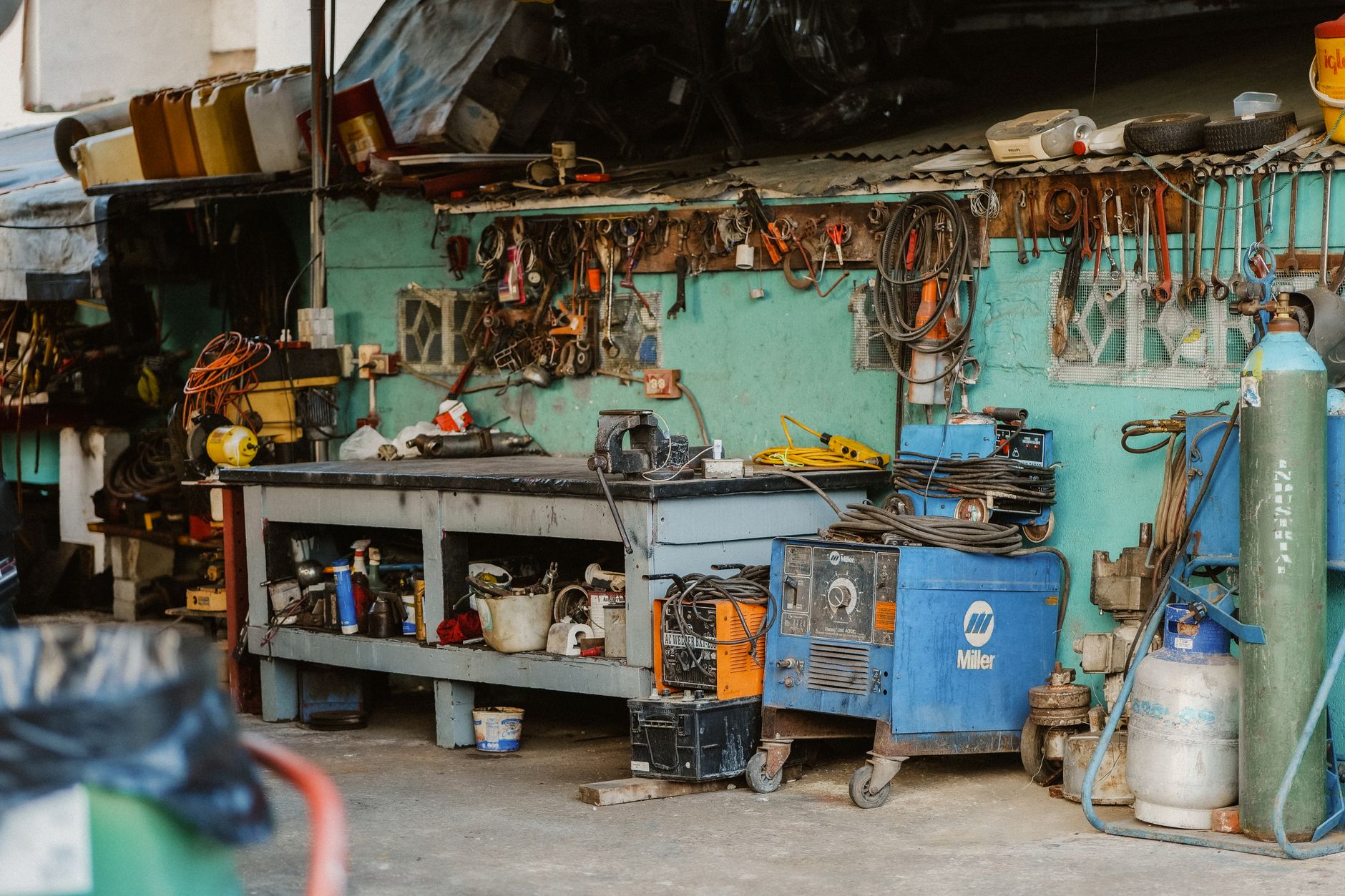 Photo by Luis Quintero / Pexels
Garages are the most disorganized room in most homes — not because of laziness, but because they accumulate the widest variety of items (tools, sports gear, automotive supplies, seasonal decorations, bulk groceries) without a logical organizing system. The solution isn't more bins — it's a shelving system that separates zones and uses vertical space efficiently.
The 3 Types of Garage Storage (Use All Three)
Freestanding shelving units are the fastest to install (30-60 minutes, no tools) and easiest to reconfigure. Steel wire shelves ($50-120 for a 5-tier unit) breathe well, are rust-resistant, and hold 200-500 lbs per shelf. Solid steel shelves ($80-180 for a 5-tier unit) hold more (1,000-2,000 lbs total unit capacity) and are better for heavy items like batteries, oil, and hardware. Best brands: Seville Classics, Edsal, Trinity, NewAge Products. Freestanding units work best along walls for bulky items you access regularly.
Wall-mounted systems free up floor space and are ideal for tools, bikes, and sports equipment. Two types: slatwall panels ($80-200 for a 4x8 ft panel + hooks) offer modular flexibility — hooks, bins, and shelves slide into tracks and can be repositioned. Heavy-duty wall shelving brackets ($30-80 per pair) support individual shelves at specific heights. Wall mounting requires finding studs (16 or 24 inches apart) or using toggle anchors — 1/4" lag screws into studs hold 50-75 lbs per anchor. Total wall-mounted system cost for a full wall: $200-600.
Overhead ceiling storage uses the dead space above the garage door and above cars. Ceiling-mounted platforms (Fleximounts, Racor) hang on straps from ceiling joists and hold 20-400 lbs depending on model. Typical platform: 4x8 ft, adjustable height 22-40 inches from ceiling. Ideal for holiday decorations, camping gear, and items accessed 1-4 times per year. Cost: $100-250. Installation: requires finding ceiling joists (usually 16-24 inches apart) and drilling 3/8" lag bolts. Verify joists are solid before loading — drywall anchors will not support this load.
Zone Planning: The System That Makes Organizing Stick
Without zones, garages revert to chaos within weeks. Divide your garage into 4-6 activity zones before buying any shelving:
Automotive zone (near the garage door): floor jack, oil, washer fluid, jumper cables, ice scraper. Low shelves or a wheeled cabinet.
Tool zone (side wall): pegboard or slatwall for hand tools, power tool charging station, fastener storage. Tools used weekly should be at eye level.
Sports/activity zone (defined by what your family does): bikes, balls, helmets, skates. Vertical bike hooks save significant floor space ($15-30 per bike).
Garden zone: long-handled tools (rakes, shovels) in a wall-mounted holder ($15-30), bags of mulch/soil on low shelves, smaller gardening supplies in labeled bins.
Seasonal/archive zone (ceiling storage or back wall): holiday items, camping gear, luggage. Access 1-4 times per year — overhead storage is perfect here.
Load Capacity: What the Numbers Really Mean
Shelving load ratings are often listed as a total unit capacity (e.g., 2,000 lbs per unit) and per-shelf capacity (e.g., 400 lbs per shelf). The per-shelf rating assumes evenly distributed weight — a 400 lb-rated shelf can hold 400 lbs of evenly spread items, but not 400 lbs stacked on one side. Common mistakes: storing car batteries, full water jugs, or engine parts on wire shelves rated for only 200 lbs per shelf. For heavy items over 50 lbs, verify the per-shelf capacity explicitly.
Safety rule: heavier items always go on lower shelves. Top-heavy shelving units tip more easily, and heavy items falling from height cause injury. Place the heaviest items at waist height or below.
Shelf Spacing for Common Garage Items
Standard bins and boxes need 14-18 inches of vertical clearance. Most 5-shelf units default to 15-18 inch spacing. For taller items: paper towels, pool noodles, shop-vac — you'll need 24-36 inch spacing on one or two shelves. Buy shelving with adjustable shelf height rather than fixed positions to accommodate varying item heights.
Weather and Moisture Considerations
Garages experience wider temperature swings than living spaces — 10°F to 100°F+ depending on climate. Metal shelving handles this well. Wood shelves absorb moisture in humid climates and warp or delaminate. If your garage floods or gets wet: wire mesh shelves let water drain through (better than solid shelves where standing water causes rust). Epoxy-coated wire shelves ($20-30 premium) resist rust significantly better than chrome-only wire in damp climates.
What We Recommend
For most garages: start with two Edsal or Seville Classics 5-tier steel shelving units ($80-130 each) along the back wall, add a Fleximounts ceiling platform ($140-180) for seasonal items, and add a slatwall panel section for tools and sports gear. Total investment: $350-600 for a fully organized 2-car garage. This combination recovers 60-80% of typical garage clutter. See our shelving for small spaces and closet organizer systems for indoor storage solutions.
Common Mistakes to Avoid
Buying the shelving before planning the zones — buy zones first, then measure and select units to fit each zone. Ignoring ceiling joist location for overhead storage — toggle bolts in drywall will not hold; you must hit joists or use structural anchors. Storing flammable liquids (gasoline, solvents) near water heaters or electrical panels — these need a dedicated metal cabinet with a lock, not open wire shelves. Overloading the top shelf with heavy items — top-heavy units tip easily and can cause serious injury. Keep the highest shelf at or below 5 lbs per square foot unless the unit is wall-anchored.
How We Analyze Products
We analyze Amazon review data — often thousands of reviews per product — to surface patterns that individual buyers miss. Our process aggregates star ratings, review counts, and buyer sentiment at scale, identifying which strengths and weaknesses appear consistently across the largest review samples available.
Each product earned its placement through data: total review volume, average rating, and the specific praise and complaints that repeat most often across buyers. No manufacturer paid for placement on this page. Products appear here because buyers endorsed them at scale, not because a company asked us to feature them.
We use AI to summarize review sentiment — not to fabricate opinions, but to condense what thousands of buyers actually wrote into a readable format. The pros and cons you see reflect the most common themes found in verified purchaser reviews, paraphrased for clarity. We do not claim to have accessed Reddit, YouTube, or specific publications in generating these summaries.
Prices shown reflect Amazon pricing at the time this page was last generated. Click “See Today’s Price” to get the current live price on Amazon. Read our full methodology →