Baking Pan Types Explained: Which Pan for Which Recipe (2026)
For a starter baking kit: a half-sheet pan ($15-$25), a 9x13 baking dish ($20-$40), a 9-inch round cake pan ($15-$30), a 12-cup muffin tin ($15-$30), and a 9x5 loaf pan ($10-$20) covers 80% of baking recipes. Baker's Edge Brownie Pan ($54.99) is the specialist pick for crispy-edge brownies. Aluminum heats evenly; dark pans brown faster.
At a Glance
| # | Product | Award | Price |
|---|---|---|---|
| 1 |  Baker's Edge Brownie Pan, The Ori… Baker's Edge Brownie Pan, The Ori…Baker's Edge |
Best Overall | $54.99 Buy → |
| 2 | Best Classic | $30.10 Buy → |
|
| 3 | Best Loaf | $6.59 Buy → |
|
| 4 | Best Mold | $31.34 Buy → |
|
| 5 |  Gotham Steel 6 Pc Stackable Bakin… Gotham Steel 6 Pc Stackable Bakin…GOTHAM STEEL |
Best Set | $39.99 Buy → |
Baking Pan Types Explained Buying Guide
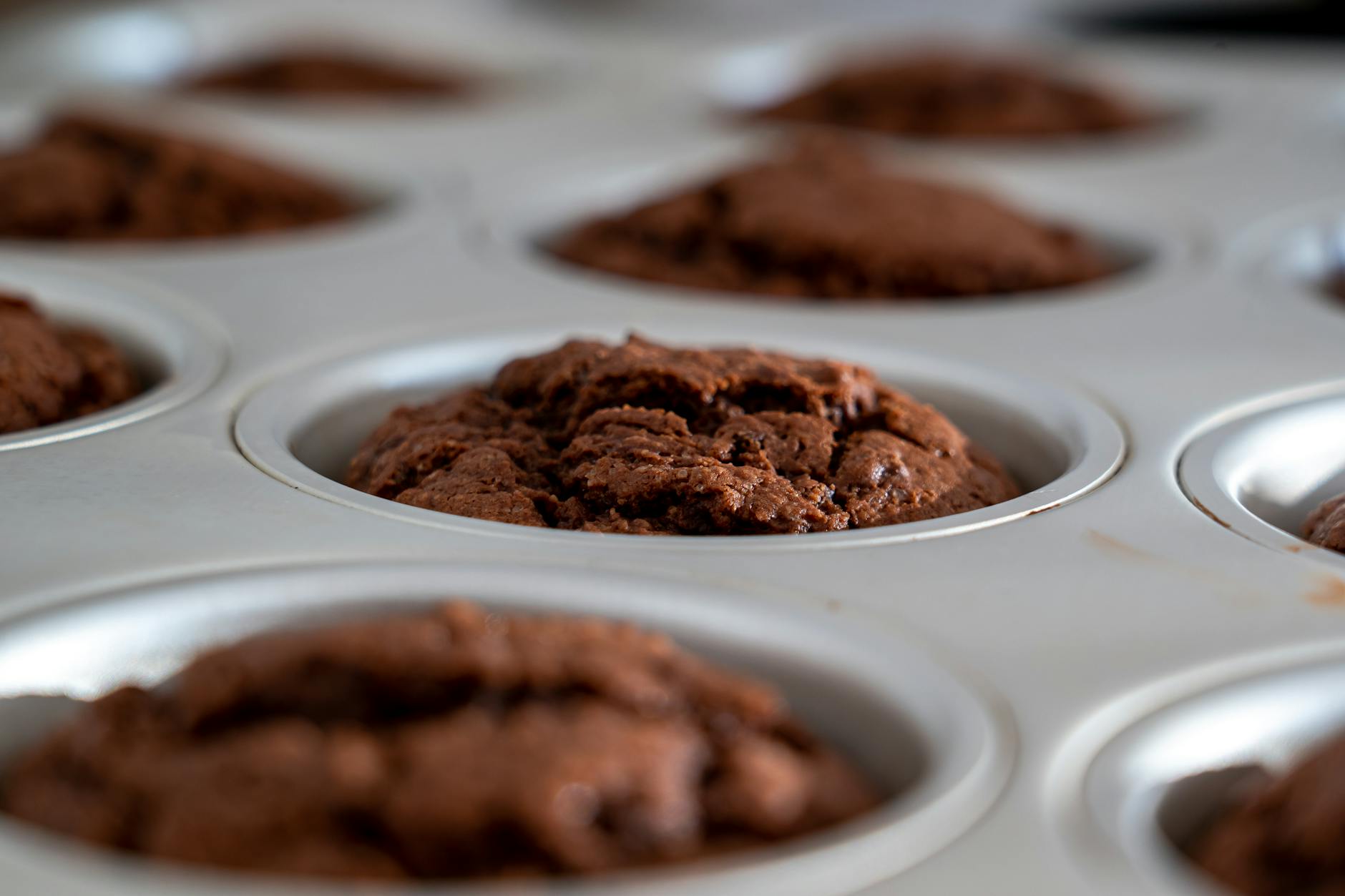 Photo by Castorly Stock / Pexels
The right baking pan isn't just about convenience — it directly determines whether a recipe succeeds. A cake baked in the wrong pan can sink, burn on the bottom, or stay raw in the center despite following the recipe exactly. This guide covers every major pan type, what it's designed for, and how to build a functional baking collection without overspending.
Sheet Pans and Cookie Sheets
The half-sheet pan (18x13 inches with 1-inch sides) is the workhorse of both professional and home kitchens. Budget $15–$25 for a quality aluminum model (Nordic Ware is the gold standard at $15–$20). Here's how the variations compare:
- Half-sheet pan: Most versatile. Used for cookies, roasting vegetables, sheet cake, and as a catch pan under other dishes. Every kitchen needs at least two.
- Cookie sheet (flat, no sides): Better air circulation than sheet pans — produces crispier cookie bottoms. But less versatile (liquids run off). Budget $10–$20.
- Quarter-sheet pan (9x13): Useful for smaller batches and toaster ovens. Good for reheating and small roasts. $10–$18.
- Jelly roll pan: Same as a half-sheet pan but slightly smaller (15x10 inches). Used specifically for thin sponge cakes rolled into jelly rolls. Less versatile for everyday use.
Dark or nonstick sheet pans brown bottoms faster — lower oven temperature by 25°F when substituting for the aluminum pans most recipes are written for.
Round and Square Cake Pans
Round cake pans ($15–$30 each) are the backbone of layer cakes. What to know:
- 9-inch round: The standard — most layer cake recipes use two. Buy matching pairs for even layers.
- 8-inch round: Produces slightly taller, denser layers than 9-inch. Some bakers prefer the look. Same volume as a 9-inch square.
- Light aluminum vs. dark nonstick: Light aluminum produces even browning; dark pans can over-brown sides while the center finishes. For white and yellow cakes, aluminum gives more control.
- Two-inch vs. three-inch sides: Deeper pans allow taller layers and some insurance against overflow. Worth the slight extra cost.
A 9x13 baking dish ($20–$40) is the rectangular equivalent — essential for sheet cakes, lasagna, casseroles, and brownies. Glass and ceramic are slower to heat but more even; metal is faster but can cause uneven browning in glass-specific recipes.
Loaf Pans
The standard loaf pan (9x5 inches) is used for quick breads, pound cakes, meatloaf, and yeast bread. Budget $10–$20 for a quality pan:

- Aluminized steel ($10–$15): Best for even browning. The standard choice for bread baking.
- Glass Pyrex ($12–$20): Heats slowly, great for meatloaf and dishes where you want to see the sides. Doesn't brown as well for bread crusts.
- Nonstick ($12–$18): Easy release but browns quickly — watch your bottoms and sides carefully.
A 8.5x4.5 pan produces a more rounded top than 9x5 — both work for most recipes, but note the difference if halving or doubling recipes.
Muffin and Specialty Pans
Muffin tins ($15–$30) come in standard 12-cup, mini 24-cup, and jumbo 6-cup sizes. Standard is the most versatile. Key decisions:
- Nonstick vs. bare metal: Nonstick is easier to clean; bare metal produces crispier edges. Both work fine with paper liners.
- Silicone muffin pans ($10–$25): Flexible, easy release, but inconsistent heat distribution — bottoms often under-bake.
- Bundt pans ($20–$50): Decorative and functional for dense cakes (pound cake, coffee cake). The tube in the center cooks the interior faster — don't use for delicate layer cake batters.
- Springform pans ($15–$40): Essential for cheesecake, tarts, and unmolded cakes. 9-inch is most versatile.
- Pie dishes ($10–$25): Ceramic holds heat well for even crust cooking; glass lets you monitor bottom browning; metal heats fastest.
Materials Deep Dive: What Each Metal Does
Pan material affects your results more than most bakers realize:

- Aluminum ($10–$30): Lightweight, excellent heat conductivity, affordable. The professional standard for baking. Reacts with acidic foods (tomatoes, citrus) over time — use anodized for acidic dishes.
- Aluminized steel ($12–$35): More durable than aluminum, slightly heavier. Excellent heat distribution. Won't warp. The best choice for heavy-use home bakers.
- Stainless steel ($15–$40): Durable but poor heat conductor — heats unevenly. Better for storage than baking.
- Cast iron ($25–$60 for a skillet; $40–$80 for a cornbread pan): Exceptional heat retention, great for cornbread, skillet cookies, and oven-finished proteins. Heavy and requires seasoning maintenance.
- Glass and ceramic ($15–$50): Slow to heat but retain heat well. Good for casseroles and dishes served at the table. Reduce oven temp by 25°F and extend bake time slightly vs. metal pans.
Building a Starter Baking Kit
You don't need every pan type to bake well. Here's a practical progression:
- Essential kit ($80–$130): Two half-sheet pans + 9x13 baking dish + two 9-inch round cake pans + 12-cup muffin tin + 9x5 loaf pan
- Expanded kit (+$50–$100): Add a 9-inch springform pan + bundt pan + pie dish + quarter-sheet pan
- Full kit (+$60–$120): Add cast iron skillet + mini muffin tin + 8-inch round pans + second loaf pan
Buy one quality pan at a time rather than a cheap set — a $30.10 Nordic Ware half-sheet outperforms a $30.10 five-piece set. Restaurant supply stores (WebstaurantStore, Vollrath) offer commercial-grade aluminum pans at $10–$20 that last a lifetime.
Storage and Care
Proper care extends pan lifespan dramatically:
- Avoid metal utensils on nonstick surfaces — use silicone or wood
- Wash by hand for nonstick; dishwasher is fine for aluminum and steel
- Dry immediately to prevent water spots and rust on steel pans
- Stack pans with a layer of paper towels between them to prevent scratching
- Replace nonstick pans when the coating chips or peels (typically 3–7 years with regular use)
The products this guide covers
- Baker's Edge Brownie Pan — $30.10. Edge-maximizing design. Against it: Non-stick coating requires gentle utensils to prevent scratching.
- USA Pan Jelly Roll Baking Pan and Bakeable Cooling Rack — $30.10. Heavy-gauge aluminized steel resists warping at high oven temps. Against it: Hand-wash recommended - dishwasher detergent shortens nonstick life.
- Wilton Recipe Right Medium Bread Loaf Baking Pan - 8 1/2" x — $30.10. Standard 9x5 loaf size fits all common quick-bread and yeast-bread recipes. Against it: Light steel construction conducts heat slower than heavy-gauge equivalents.
- Anolon Advanced Nonstick Fluted Mold Baking Pan — $30.10. Hard-anodized aluminum conducts heat evenly for uniform browning on all sides of a Bundt cake. Against it: Nonstick coating requires hand washing — dishwasher detergent degrades the surface over time.
- Gotham Steel 6 Pc Stackable Baking Pans Set — $30.10. Six pans nest together for compact storage in tight kitchen cabinets. Against it: Nonstick coating is sensitive to metal utensils - use silicone or wood.
Watch Before You Buy
“The Baker's Edge Brownie Pan at $55 uses a walled maze design so every brownie piece gets a crispy edge — a specific solution for bakers who find corner pieces the best part. It is USA-made with a…”
See Today’s Price →What we like
- Edge-maximizing design
- Nonstick
- Unique walled maze
- USA-made
Watch out for
- Non-stick coating requires gentle utensils to prevent scratching
- Dark pans absorb more heat — reduce oven temp by 25°F to prevent over-browning
Read Full Analysis
The Baker's Edge Brownie Pan solves a specific baking problem: in a standard rectangular pan, only the four corner brownies have crispy edges on two sides, while the remaining pieces have one or zero edges. The walled maze design gives every piece two to four edges, and the result is 12 portions with consistently crispy, caramelized sides rather than the soft interior texture that standard-pan center pieces produce. USA-made with a nonstick coating, the pan is designed for bakers who consider the corner piece the best part and want that texture across the entire batch. The nonstick coating requires gentle utensils — metal spatulas will scratch the surface and accelerate coating degradation over time. The dark finish absorbs oven heat faster than lighter-colored pans, making a 25°F oven temperature reduction advisable to prevent over-browning on the bottom before the interior sets. The maze channels require attention when pouring batter to fill each section evenly, and the internal walls take more effort to clean thoroughly than a flat-bottomed pan. At $30.10, the Baker's Edge is a premium purchase for a specialty baking pan — roughly 4× the cost of a standard 9×13 baking pan that handles more recipe types. Its value is entirely tied to the edge-piece preference: bakers who find the crispy edge pieces essential and bake brownies regularly will get clear utility from the design; bakers who make brownies occasionally or prefer the softer center texture should stick with a standard pan at a fraction of the price.
“The USA Pan Nonstick Jelly Roll Baking Pan pairs a full-size rimmed sheet with a cooling rack, making it a versatile two-in-one for sheet cakes, cookies, and roasted vegetables. USA Pan is known for…”
See Today’s Price →What we like
- Heavy-gauge aluminized steel resists warping at high oven temps
- Silicone-based nonstick coating releases jelly rolls and bar cookies cleanly
- Cooling rack included - fits inside the pan for storage
Watch out for
- Hand-wash recommended - dishwasher detergent shortens nonstick life
- Light-colored finish browns slower than dark steel pans
Read Full Analysis
The USA Pan Nonstick Jelly Roll Baking Pan pairs a full-size rimmed sheet with a matching cooling rack in one purchase, covering two baking functions in the same footprint. The corrugated aluminized steel construction — USA Pan's signature approach — promotes even heat distribution by increasing the metal surface area and providing structural rigidity that prevents the warping that thin-gauge budget sheet pans experience at high oven temperatures. The silicone-based nonstick coating handles jelly rolls, bar cookies, and sheet cakes cleanly without greasing the pan. Hand washing is recommended to extend the nonstick coating's life, as dishwasher detergent accelerates breakdown of silicone-based coatings over time. The light-colored finish browns baked goods more slowly than dark steel pans, which is an advantage for delicate items that need time to set internally without over-browning on the bottom. Some bakers prefer a darker pan for cookies that benefit from bottom browning, and the USA Pan's lighter surface will underperform in that specific application. Against the Baker's Edge Brownie Pan on this page at $30.10, the USA Pan Jelly Roll Pan covers a broader range of recipes — sheet cakes, cookies, roasted vegetables, and any rimmed-sheet application — while the Baker's Edge is a specialty piece designed exclusively for edge-maximizing brownie production. Buyers who bake a variety of recipes should prioritize the USA Pan's versatility; buyers who are specifically solving the edge-piece problem for brownies should consider the Baker's Edge as a specialty addition.
“The Wilton Recipe Right Medium Bread Loaf Pan is a dependable steel option for standard sandwich loaves, meatloaf, and quick breads, built to Wilton's consistent dimensions for predictable bake…”
See Today’s Price →What we like
- Standard 9x5 loaf size fits all common quick-bread and yeast-bread recipes
- Nonstick interior releases bread cleanly without parchment for most recipes
- Affordable enough to buy a pair for double-batch days
Watch out for
- Light steel construction conducts heat slower than heavy-gauge equivalents
- Edges of the loaf can over-brown if oven hot spots aren't accounted for
Read Full Analysis
The Wilton Recipe Right Bread Loaf Pan is the workhorse option for standard sandwich loaves, quick breads, and meatloaf, built to the 9×5-inch dimension that virtually all loaf recipes are written for. The nonstick interior releases bread cleanly in most recipes without parchment lining, and steel construction keeps the price low enough to maintain a second pan for double-batch days — a practical advantage for bakers who regularly freeze half a batch. Light steel construction conducts heat faster than heavy-gauge pans but is thinner, which means oven hot spots can produce more visible uneven browning on loaf edges than a premium heavy-gauge alternative would allow. Nonstick coating requires gentle utensils to preserve the surface, and hand washing extends its useful life considerably over regular dishwasher use. The pan is straightforward and performs reliably within those constraints. Against the Baker's Edge Brownie Pan on this page at $30.10, the Wilton serves an entirely different baking role — standard loaf baking versus edge-maximizing brownie production. Bakers who need a versatile, dependable loaf pan at a modest price will find the Wilton performs accurately for its purpose; bakers who are building out a specialty baking collection should evaluate it as a foundational piece before adding specialty pans.

“The Anolon Advanced Nonstick Bundt Pan uses hard-anodized aluminum for even heat distribution and SureGrip handles for safe lifting, with an advanced nonstick interior that releases cakes cleanly…”
See Today’s Price →What we like
- Hard-anodized aluminum conducts heat evenly for uniform browning on all sides of a Bundt cake
- SureGrip handles give secure hold when lifting a hot, heavy pan from the oven
- Advanced nonstick interior releases baked goods cleanly without greasing and flouring
- Oven safe to 450°F covers most baking temperatures without coating concern
Watch out for
- Nonstick coating requires hand washing — dishwasher detergent degrades the surface over time
- Fluted design with multiple grooves is difficult to clean thoroughly with a standard sponge
- Not suitable for metal utensils — silicone or wood tools required to protect the coating
Read Full Analysis
The Anolon Advanced Nonstick Bundt Pan uses hard-anodized aluminum construction to deliver the even, consistent browning that a Bundt cake's decorative fluted exterior requires. Any hot spots produce visible browning variation on the raised ridges that affects presentation — an area where hard-anodized aluminum outperforms standard aluminum. SureGrip handles are a practical addition for safely lifting a heavy Bundt out of the oven, and the advanced nonstick interior releases baked goods cleanly without the traditional greasing and flouring preparation. The intricate fluted design requires more cleaning effort than any flat-surfaced pan — a standard sponge cannot reach all the grooves effectively, and a bottle brush or pastry brush is usually necessary for thorough cleaning after use. Hand washing is required to preserve the coating; dishwasher detergent accelerates nonstick degradation. Metal utensils are incompatible with the coated interior. Against the Wilton Loaf Pan on this page, the Anolon Bundt addresses a specialty presentation baking need while the Wilton handles everyday bread baking. Bakers who regularly make Bundt cakes for entertaining will value the Anolon's even browning and clean release; casual bakers who make Bundt cakes once or twice per year should evaluate whether a specialty pan justifies the storage footprint over a versatile alternative.
“The Gotham Steel 6-Piece Stackable Baking Pan Set provides a comprehensive baking collection in a space-efficient stacking design, ideal for kitchens with limited cabinet space. Gotham Steel's…”
See Today’s Price →What we like
- Six pans nest together for compact storage in tight kitchen cabinets
- Ti-Cerama nonstick coating browns evenly without sticking
- Set covers cookie sheets, square cake pans, and a roasting pan in one purchase
Watch out for
- Nonstick coating is sensitive to metal utensils - use silicone or wood
- Lighter gauge than premium pro-grade pans - slight warp possible at 450F+
Read Full Analysis
The Gotham Steel 6-Piece Stackable Baking Pan Set provides a comprehensive baking collection in a space-efficient nesting design — all six pans stack together to occupy approximately the footprint of two standard pans in a cabinet drawer. The Ti-Cerama nonstick coating delivers even browning without sticking, and the set covers the standard baking range: cookie sheets, square cake pans, and a roasting pan in a single purchase without the need to build out piece by piece. The nonstick coating is sensitive to metal utensils and requires silicone or wood tools to avoid surface scratching that shortens coating life. Lighter gauge steel construction is thinner than professional-grade pans from USA Pan or Nordic Ware, which can produce slight warping at temperatures above 450°F with repeated high-heat use over time. The Ti-Cerama coating, like all ceramic-titanium nonstick, will degrade with regular use and is not as long-lived as seasoned steel or bare aluminum alternatives. Against the Baker's Edge Brownie Pan on this page at $30.10, the Gotham Steel set provides six pans for a price that is likely comparable or lower — a significant breadth-to-cost advantage. The Baker's Edge solves one specific problem with premium specialty construction; the Gotham Steel set provides versatility for general baking needs. Buyers building a baking collection from scratch should choose the Gotham Steel for coverage; buyers who already have the basics and specifically want edge-maximizing brownie performance should choose the Baker's Edge.
Frequently Asked Questions
What is the difference between a baking sheet and a sheet pan?
Does the material of a baking pan matter?
Can I substitute a 9x13 pan for two 9-inch round pans?
What is a springform pan used for?
How do I know if my baking pan is the right size?
How We Analyze Products
We analyze Amazon review data — often thousands of reviews per product — to surface patterns that individual buyers miss. Our process aggregates star ratings, review counts, and buyer sentiment at scale, identifying which strengths and weaknesses appear consistently across the largest review samples available. The 25,122+ reviews analyzed on this page represent real verified-purchase feedback from Amazon buyers.
Each product earned its placement through data: total review volume, average rating, and the specific praise and complaints that repeat most often across buyers. No manufacturer paid for placement on this page. Products appear here because buyers endorsed them at scale, not because a company asked us to feature them.
We use AI to summarize review sentiment — not to fabricate opinions, but to condense what thousands of buyers actually wrote into a readable format. The pros and cons you see reflect the most common themes found in verified purchaser reviews, paraphrased for clarity. We do not claim to have accessed Reddit, YouTube, or specific publications in generating these summaries.
Prices shown reflect Amazon pricing at the time this page was last generated. Click “See Today’s Price” to get the current live price on Amazon. Read our full methodology →