Best Aluminum Foil (2026)

Reynolds Wrap Heavy Duty Aluminum Foil is the best choice for most households. For delicate foods like fish and eggs, upgrade to Reynolds Non-Stick.
See Today’s Price →At a Glance
| # | Product | Award | Price | Our Score | |
|---|---|---|---|---|---|
| 1 | 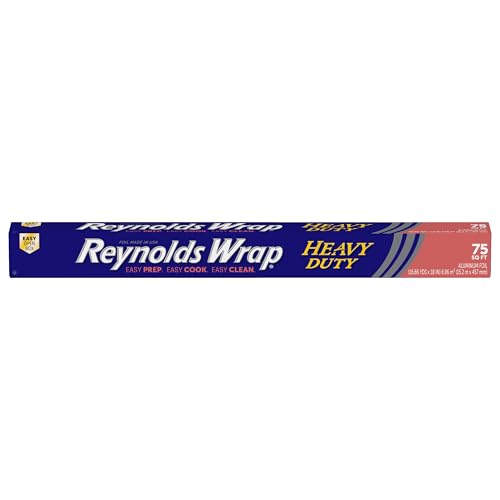 Reynolds Wrap Heavy Duty Aluminum Foil … Reynolds Wrap Heavy Duty Aluminum Foil … |
Best Heavy Duty | $9 | 8.8 | Buy → |
| 2 | 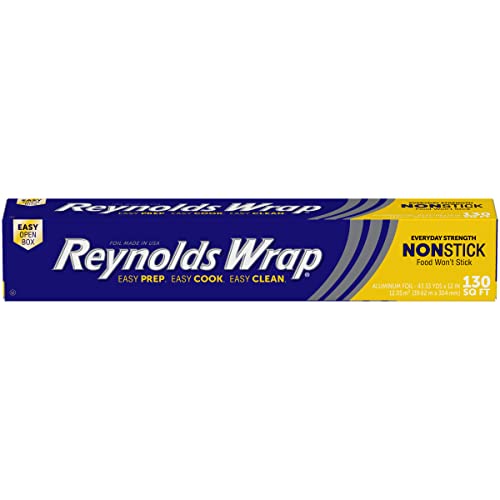 Reynolds Wrap Non-Stick Aluminum Foil 1… Reynolds Wrap Non-Stick Aluminum Foil 1… |
Best Non-Stick | $7 | 8.6 | Buy → |
| 3 |  Amazon Basics Heavy Duty Aluminum Foil … Amazon Basics Heavy Duty Aluminum Foil … |
Best Value | $7 | 8.4 | Buy → |
| 4 | 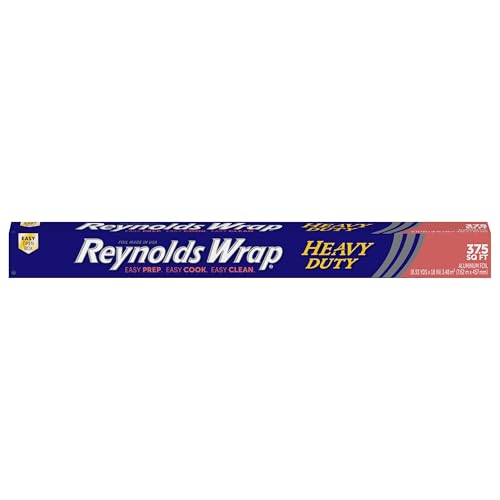 Reynolds Wrap Extra Wide Heavy Duty Alu… Reynolds Wrap Extra Wide Heavy Duty Alu… |
Best Wide | $8 | 8.5 | Buy → |
Showing 4 of 4 products


Reynolds Wrap Extra Wide Heavy Duty Aluminum Foil 18-Inch 37.5 sq ft
Aluminum Foil (2026) Buying Guide
 Photo by Engin Akyurt / Pexels
Best Overall: Reynolds Wrap Heavy Duty Aluminum Foil
Reynolds Wrap Heavy Duty is the one most people should buy. It's thick enough to wrap a brisket, line a baking sheet, or tent a Thanksgiving turkey without tearing. The 130 sq ft roll lasts months for a normal household. It's not exciting, but it doesn't rip when you pull it, which is more than you can say for store brands.
The heavy duty version costs maybe two dollars more than standard foil. Worth it every time. Nothing worse than foil that tears across the box teeth before you even get it on the pan.
What Actually Matters in Aluminum Foil
Thickness. Standard foil is about 0.016mm. Heavy duty is roughly 0.024mm. That extra fraction makes the difference between foil that holds a roast chicken and foil that punctures the second it touches a rack.
Dull side vs shiny side. It doesn't matter. This is a myth. Both sides have identical reflectivity in home cooking. The dull side is just the side that touched the foil rolls during manufacturing.
Length vs width. Standard boxes are 12 inches wide. Extra wide runs 18 inches. If you regularly cover hotel pans or roasting pans, extra wide saves you from folding two sheets together.
Non-stick coating. Reynolds makes a non-stick version that actually works — eggs don't stick, fish skin doesn't tear. It costs about twice as much per sheet, so use it selectively for delicate foods.
Store Brand vs Name Brand
For everyday use — covering leftovers, lining sheet pans — store brand foil is fine. Amazon Basics, Member's Mark, Great Value. They're thinner, but for casual use that's acceptable.
For actual cooking — roasting, wrapping, grilling — name brand heavy duty is worth the price gap. The difference is a few dollars per box. A torn roll of cheap foil that dumps juice into your oven costs more in cleaning supplies than the upgrade would have.
How We Picked These
We looked at thickness specs, box length, price per square foot, and whether the cutter actually works. We excluded single-use specialty foils (grill mats, pre-cut sheets) — those are different products. This list is for the roll under your cabinet that you use every week.
The Bottom Line
Reynolds Wrap Heavy Duty is the default choice. Buy the biggest roll you have room for — foil doesn't expire. If you bake and roast regularly, grab the non-stick version for those uses. If you're just covering leftover pasta, store brand is fine.
Frequently Asked Questions
What should I know about best overall?
What Actually Matters in Aluminum Foil?
Which is better: Store Brand vs Name Brand?
How We Picked These?
What should I know about the Bottom Line?
How We Analyze Products
We analyze Amazon review data — often thousands of reviews per product — to surface patterns that individual buyers miss. Our process aggregates star ratings, review counts, and buyer sentiment at scale, identifying which strengths and weaknesses appear consistently across the largest review samples available.
Each product earned its placement through data: total review volume, average rating, and the specific praise and complaints that repeat most often across buyers. No manufacturer paid for placement on this page. Products appear here because buyers endorsed them at scale, not because a company asked us to feature them.
We use AI to summarize review sentiment — not to fabricate opinions, but to condense what thousands of buyers actually wrote into a readable format. The pros and cons you see reflect the most common themes found in verified purchaser reviews, paraphrased for clarity. We do not claim to have accessed Reddit, YouTube, or specific publications in generating these summaries.
Prices shown reflect Amazon pricing at the time this page was last generated. Click “See Today’s Price” to get the current live price on Amazon. Read our full methodology →