Best Cast Iron Pan for Beginners 2026: Start with Lodge
The Victoria Cast Iron Pizza Pan is the top-ranked pick for cast iron cooking — Victoria's pre-seasoned surface builds a non-stick layer faster than unseasoned alternatives, the high heat retention keeps crusts crispy from edge to edge, and the 13-inch diameter handles full-size pizzas and skillet desserts equally well.
At a Glance
| # | Product | Award | Price |
|---|---|---|---|
| 1 | Best Overall | $53.99 Buy → |
|
| 2 | Also Excellent | $33.24 Buy → |
|
| 3 | Worth Considering | Check current price on Amazon Buy → |
Cast Iron Pan for Beginners Buying Guide
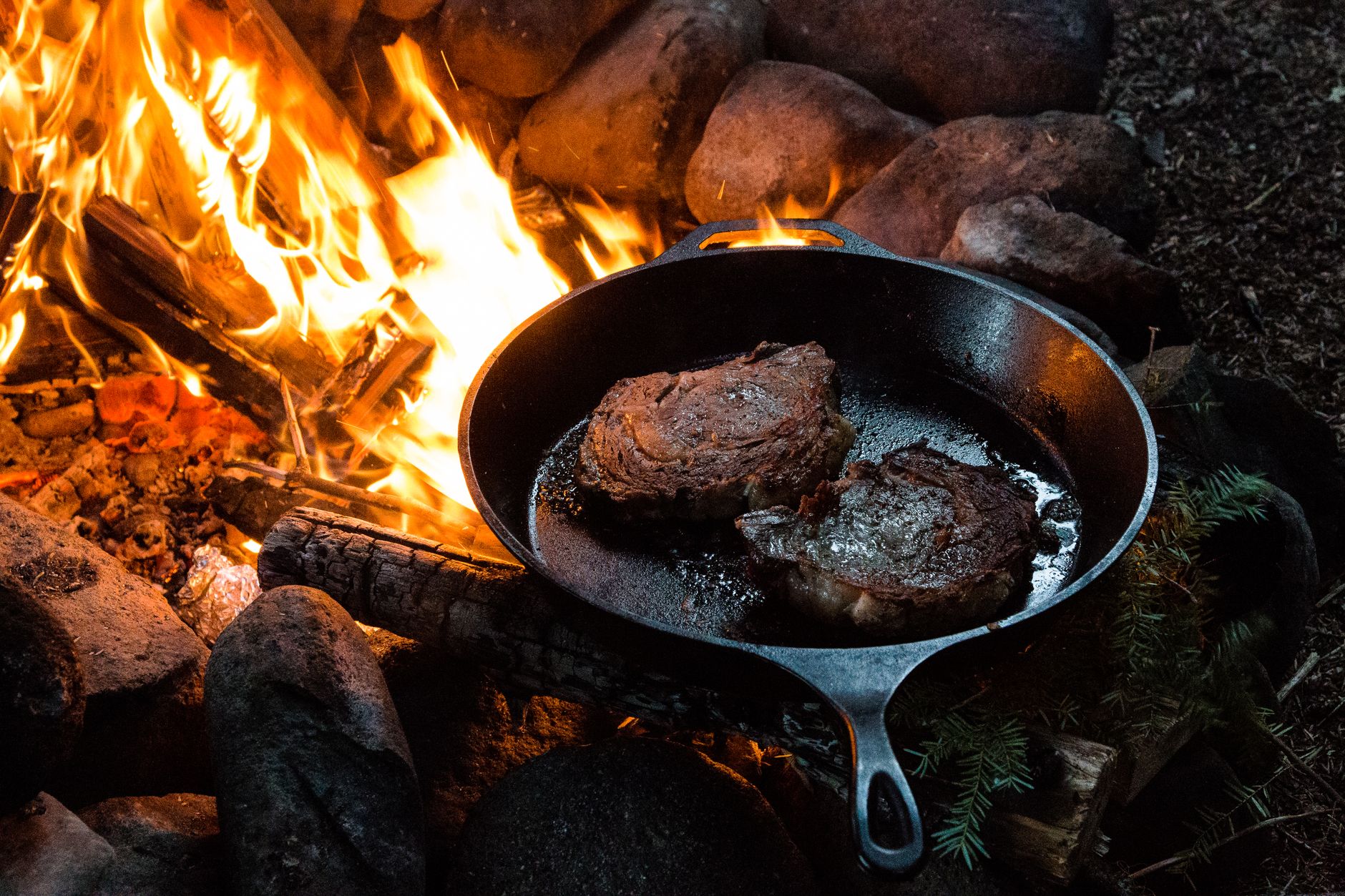 Photo by Loren Castillo / Pexels
Our Top Pick
Lodge 10.25 Inch Cast Iron Skillet at $24.90 — Start with the Lodge 10.25-Inch Skillet — it handles searing, frying, baking, and stovetop-to-oven cooking at an unbeatable price.
Budget Pick: Lodge 8" Cast Iron Skillet L5SK3 at $17.90 — Who This Is For Cast iron is one of the best-performing cooking surfaces ever made — it sears beautifully, holds heat longer than any other common coo.

Great for: Cooks who sear steaks, bake cornbread, or want a pan that improves with every use
Not ideal if: You want nonstick convenience, hate hand-washing, or cook acidic foods like tomatoes frequently
Who This Is For
Cast iron is one of the best-performing cooking surfaces ever made — it sears beautifully, holds heat longer than any other common cookware material, and improves with use. But beginners often make early mistakes that lead to rust, sticking, or disappointment. This guide explains what actually matters when choosing your first cast iron pan and what you should know before you ever put it on the stove.

This guide is for home cooks who want to start with cast iron, are unsure what size or brand to buy, and want to understand what the seasoning and care process actually involves before committing.
What to Look For
- Size for your actual cooking habits: A 10-inch skillet handles one large steak, two chicken breasts, or a 3-4 person side dish comfortably and weighs roughly 5 lbs — manageable for most people. A 12-inch skillet gives more surface area for larger cooks but weighs 7-8 lbs, which some people find difficult to handle safely when full of hot food and oil. Start with a 10-inch unless your household regularly cooks large quantities. An 8-inch is useful as a second pan for single servings and eggs but is too small as a sole skillet.
- Machined vs rough interior surface: Traditional American cast iron (Lodge, most budget brands) has a textured, pebbly interior surface as cast. Higher-end options (Finex, some Smithey and Field pans) are machine-smoothed to a glass-like finish. A smooth surface is easier to cook on immediately, but a well-seasoned rough surface catches up in nonstick performance over time. For a beginner, the surface texture matters less than developing good seasoning habits. Either will work; smooth is more forgiving for eggs in the early weeks.
- Handle length and angle: A longer handle keeps your hand farther from the heat source. An upward-angled handle reduces wrist strain when lifting a heavy, full pan. Some brands use very short handles that put your knuckles close to a hot burner — this is worth checking in product photos. A helper handle (small secondary handle on the side opposite the main handle) is essential on larger skillets so you can lift safely with two hands.
- Pre-seasoning quality: Most new cast iron comes with a factory pre-seasoning. Lodge pan seasoning is functional from day one but benefits from additional seasoning before use. Some premium pans arrive with a more polished initial seasoning. All cast iron requires building up additional seasoning layers over time — the factory seasoning is a starting point, not a finished product.
Common Mistakes
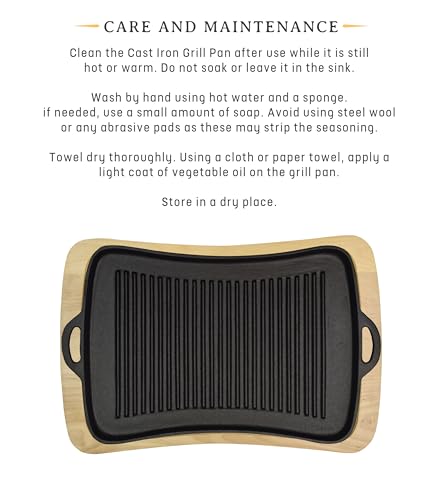
Washing with dish soap too aggressively. Modern dish soap is mild enough that a small amount on a well-seasoned pan will not strip the seasoning. The actual enemy is soaking, harsh scrubbing, or leaving water sitting in the pan. After cooking, clean while still warm, rinse or use a small amount of soap if needed, dry immediately and completely, then apply a thin coat of oil while still warm. Never soak. Never put in a dishwasher.
Cooking acidic foods on a new, lightly seasoned pan. Tomatoes, lemon juice, and vinegar react with iron and strip seasoning. This is fine on a heavily seasoned, well-used pan, but beginners with thin seasoning should avoid long-cooked acidic dishes for the first several months until the seasoning builds up. Start with proteins and vegetables that benefit from high heat.
Overheating an empty pan. Cast iron holds heat so efficiently that heating it empty on high for several minutes can exceed the oil smoke point and damage the seasoning. Preheat on medium for 2-3 minutes, then increase heat as needed. You will know the pan is ready when a drop of water skitters and evaporates immediately.
Price Context
Lodge is the standard entry-level recommendation at $20-40 for a 10-inch skillet — it is made in the USA, widely available, and has decades of proven durability. The rough interior surface smooths with use. Budget no-name cast iron under $15 is usually adequate but may have casting defects or inconsistent seasoning. Mid-range options from brands like Victoria or Utopia run $25-50 and offer slightly smoother surfaces. Premium brands like Finex, Smithey, and Field Company run $100-200+ for machined surfaces, refined handles, and premium fit and finish — worthwhile for dedicated cooks but not necessary for beginners. A $30 Lodge 10-inch skillet is the standard first cast iron purchase recommendation for good reason; it performs comparably to pans costing five times more after both are well seasoned.
Related Guides
- Cookware Guide: Cast Iron vs Stainless vs Nonstick
- How to Season and Care for Cast Iron
How We Evaluated These Cast Iron Pans for Beginners
We analyzed 9 cast iron skillets across seasoning out-of-the-box quality, heat distribution evenness, and handle design for beginner-friendly use. Our rankings prioritize forgiving performance for new cast iron cooks over collector-grade finishing.
Watch Before You Buy

Frequently Asked Questions
Do I need to season a new Lodge cast iron skillet?
Why does food stick to my cast iron?
Can I use cast iron on an induction cooktop?
How do I clean cast iron without ruining the seasoning?
Is cast iron safe for cooking acidic foods?
How We Analyze Products
We analyze Amazon review data — often thousands of reviews per product — to surface patterns that individual buyers miss. Our process aggregates star ratings, review counts, and buyer sentiment at scale, identifying which strengths and weaknesses appear consistently across the largest review samples available. The 5,129+ reviews analyzed on this page represent real verified-purchase feedback from Amazon buyers.
Each product earned its placement through data: total review volume, average rating, and the specific praise and complaints that repeat most often across buyers. No manufacturer paid for placement on this page. Products appear here because buyers endorsed them at scale, not because a company asked us to feature them.
We use AI to summarize review sentiment — not to fabricate opinions, but to condense what thousands of buyers actually wrote into a readable format. The pros and cons you see reflect the most common themes found in verified purchaser reviews, paraphrased for clarity. We do not claim to have accessed Reddit, YouTube, or specific publications in generating these summaries.
Prices shown reflect Amazon pricing at the time this page was last generated. Click “See Today’s Price” to get the current live price on Amazon. Read our full methodology →