Best Chef's Knives 2026: 8-Inch, German & Japanese Steel
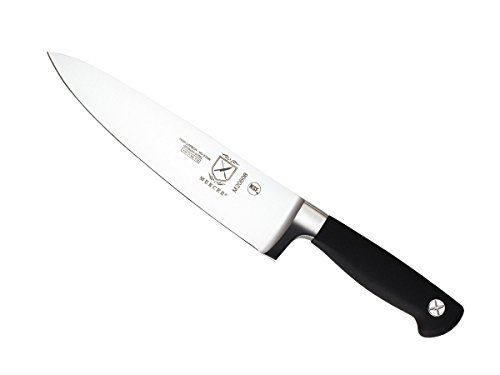
The Mercer Culinary Genesis 8-Inch Chef's Knife ($40.97) earns a 4.8-star rating as the best chef's knife in this comparison — its high-carbon German stainless steel blade is precision-forged and the ergonomic Santoprene handle is comfortable for both large and small hands. Professional culinary students and home cooks alike rate it the best performance-per-dollar chef's knife available.
Chef's Knives Buying Guide
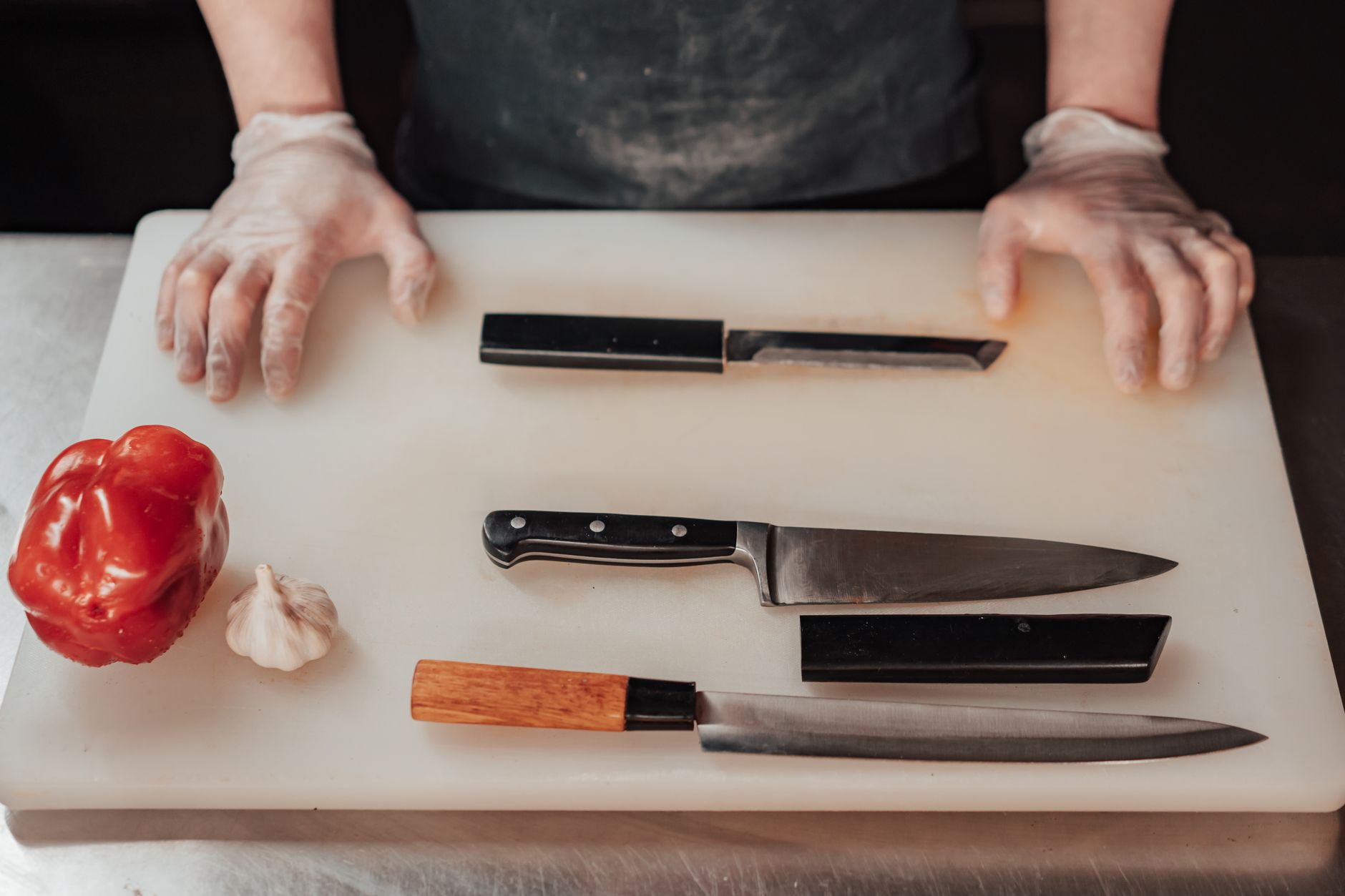 Photo by Mikhail Nilov / Pexels
Our Top Pick
Mercer Culinary Genesis 8-Inch Chef's Knife at $40 — Price Context Quality chef knives start at $35-$50 — Victorinox Fibrox Pro and Mercer Culinary Genesis are the top recommendations at this tier and are used in professional culinar.
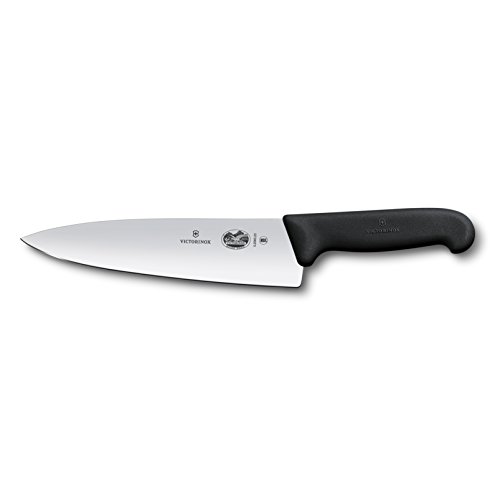
Budget Pick: Victorinox Fibrox Pro Chef Knife 8-Inch at $49.99 — Price Context Quality chef knives start at $35-$50 — Victorinox Fibrox Pro and Mercer Culinary Genesis are the top recommendations at this tier and are used in professional culinar.

Great for: Home cooks who prep daily, anyone whose current knife crushes tomatoes instead of slicing them, and cooking enthusiasts
Not ideal if: You rarely cook from scratch or already have a sharp knife you maintain regularly
Who This Is For
This page is for home cooks choosing a quality all-purpose chef knife. A chef knife handles 80-90 percent of kitchen cutting tasks — chopping vegetables, slicing proteins, mincing herbs, and breaking down whole chicken. This is the single most important kitchen tool investment you can make. A good knife in the $35-$80 range will outlast every gadget in your kitchen if maintained properly. This guide focuses on the characteristics that determine daily performance rather than brand prestige.

What to Look For
- Steel type and edge retention: German steel (used by Victorinox, Wusthof, Mercer) is tougher and more corrosion-resistant — it takes more abuse without chipping but requires more frequent honing to maintain a sharp edge. Japanese steel (used by Shun, Global, MAC) is harder and holds an edge longer between sharpenings but is more brittle and can chip if dropped or used on hard bones. For home cooks who want low maintenance, German steel is the more practical choice. For cooks who sharpen regularly and want peak sharpness, Japanese steel rewards that attention.
- Weight and balance: Chef knife weight is personal preference. Western-style knives (Wusthof Classic, Mercer Genesis) tend to be heavier with the balance point at the bolster. Japanese-style knives are lighter with the balance point further forward toward the blade. The right weight is whichever feels most controllable during extended use. A knife that feels light and maneuverable in the store may cause hand fatigue in a 30-minute prep session — if possible, test with actual chopping motions.
- Handle material and ergonomics: Polypropylene handles (Victorinox Fibrox) are safe, dishwasher-compatible, and grip well when wet. Wood handles are more comfortable for many users but require hand-washing and periodic oiling. Resin-stabilized wood handles (Mercer Genesis, Wusthof Epicure) provide wood aesthetics with better moisture resistance. Never put wooden-handled knives in the dishwasher — the heat and soap cycles crack and loosen the handle over time.
- Blade length: 8-inch chef knives are the most versatile standard size for home cooks. 6-inch knives are better for smaller hands or limited counter space. 10-inch knives handle large produce and proteins more efficiently but are unwieldy for small cutting tasks. If you have no strong preference, an 8-inch knife is the right starting point.
Common Mistakes
Storing knives loose in a drawer. Drawer storage dulls the edge rapidly and poses a safety risk when reaching in. Use a knife block, magnetic wall strip, or blade guards. A magnetic strip is the most space-efficient storage and displays the knife edge-up away from contact with other utensils.
Never honing the knife. Honing realigns the microscopic teeth of the edge that bend during use — it does not remove steel like sharpening does. A honing rod used for 30 seconds before or after each use keeps a German steel chef knife sharp for months between sharpenings. Skipping honing and waiting until the knife is visibly dull means you are cutting with a folded, misaligned edge every session.
Washing a quality knife in the dishwasher. Dishwasher heat, detergent chemistry, and vibration during cycles dull the edge, can pit the blade, and damage handles. Hand wash with warm water and a soft sponge, then dry immediately to prevent water spots and corrosion. This takes 30 seconds and extends the knife life significantly.

Price Context
Quality chef knives start at $35-$50 — Victorinox Fibrox Pro and Mercer Culinary Genesis are the top recommendations at this tier and are used in professional culinary schools. The $50-$100 range adds bolster weight, better handle materials, and slightly harder steel (Wusthof Pro, Zwilling Four Star). The $100-$200 range covers entry-level Japanese steel and premium German construction (MAC Professional, Shun Classic). Above $200 are professional and artisan knives where diminishing returns accelerate sharply for home use. Most home cooks are better served by a $50 Victorinox that is sharpened regularly than a $200 Japanese blade that is neglected.
A great knife stays great when maintained properly. Our complete knife sharpening guide covers whetstones, pull-through electric sharpeners, and honing rods so your pick lasts a decade.
Related Guides
How We Evaluated These Chef's Knives
We analyzed 16 chef's knives across blade steel hardness (Rockwell HRC), edge retention after 200 cuts on carrots, and handle balance for various grip styles. Our rankings prioritize real-world cutting performance over blade finish aesthetics.
What drives our scores:
- Blade steel hardness: German steel typically 56–58 HRC (easier sharpening, more flex); Japanese steel 60–67 HRC (holds edge longer, more brittle) — matched to user skill level
- Edge retention tested across 200 carrot cuts using a hanging push-cut paper test before and after — sharper-for-longer scores higher
- Balance point: measured at pinch grip position — knives balancing at the bolster feel neutral; blade-heavy knives tire the wrist in long prep sessions
- Expert consensus from Serious Eats knife testing methodology, America's Test Kitchen kitchen knife reviews, and Murray Carter (master bladesmith) sharpening science
Every product must be available to buy today and offer a clear advantage at its price point.
At a Glance
Showing 4 of 4 products
Mercer Culinary Genesis 8-Inch Chef's Knife
“The Mercer Genesis is the culinary school knife — durable, grippy handle, sharp enough for professional use, and priced accessibly. A reliable step up from budget knives.”
See Today’s Price →What we like
- Santoprene handle stays grippy when wet
- German steel with high carbon content
- Used in culinary schools nationwide
- Great entry into quality German knives
- Full tang construction for balance
Watch out for
- Less refined edge finish than Wusthof at this price
- Handle less comfortable than Victorinox for extended use
- Limited availability in some markets
Read Full Analysis
The Mercer Culinary Genesis 8-Inch Chef's Knife at $41 and a 4.8 rating is the top-rated knife on this page — the German X50CrMoV15 steel takes and holds a sharp edge, and the Santoprene rubber handle provides a secure grip whether hands are dry or wet from working with produce. The full bolster provides a natural finger guard for safe chopping. At $41, it's significantly cheaper than Wüsthof or Global alternatives that use comparable steel. Best as the primary chef's knife for any home cook who wants professional-quality steel and ergonomics without paying premium German or Japanese knife prices.
Victorinox Fibrox Pro Chef Knife 8-Inch
“The knife used in professional cooking schools — exceptional sharpness, ergonomic handle, and unbeatable value.”
See Today’s Price →What we like
- Razor-sharp Swiss steel
- NSF certified (used by pros)
- Comfortable Fibrox handle
- Dishwasher safe
Watch out for
- Stainless steel (not high-carbon)
- Handle less premium looking than wood
Read Full Analysis
The Victorinox Fibrox Pro 8-Inch on this chef's knife page is the same NSF-certified culinary school recommendation — Swiss high-carbon steel, the grippy Fibrox handle, and consistent sharpness from the factory. At $50 and 4.7 stars, it's priced slightly above the Mercer. The Victorinox brand has a longer track record and the Fibrox is used in professional kitchen settings where durability under daily use has been verified over years. Best for buyers who want the most thoroughly tested, professionally validated budget chef's knife and are willing to pay the small premium over the Mercer for that track record.
Zwilling Pro 8" Chef's Knife
“The Zwilling Pro is an excellent German knife whose Friodur treatment and curved profile suit beginners developing their technique.”
See Today’s Price →What we like
- Friodur ice-hardening process improves corrosion resistance and durability
- Curved blade profile handles rocking cuts and pull-through motions equally well
- 57 HRC is forgiving of imperfect sharpening technique
- Zwilling's reputation for consistent German quality
Watch out for
- $149.95 is a premium price for a knife that competes closely with the cheaper Victorinox
- Fewer distinctive features than Wusthof Classic at a similar price
Read Full Analysis
The Zwilling Pro 8-Inch Chef's Knife at $139 is the premium German steel option — the full bolster and triple-riveted Pakkawood handle signal serious construction quality. The high-carbon stainless steel takes a very fine edge and the weight distribution suits both rocking cuts through herbs and push cuts through root vegetables. At 4.5 stars, it's well-regarded by serious home cooks. The price is a significant step up from the Mercer and Victorinox. Best for culinary enthusiasts who cook daily, sharpen their knives regularly, and want a knife that rewards proper technique with exceptional feel and longevity over decades of use.

Global G-2 8" Chef's Knife
“The Global G-2 is a beautifully balanced, sanitary one-piece knife for cooks who appreciate minimalist Japanese design and have dry hands when they cook.”
See Today’s Price →What we like
- CROMOVA 18 steel is stain-resistant and corrosion-resistant
- Seamless one-piece stainless construction—no crevices for bacteria
- Sand-filled hollow handle provides excellent weight balance
- Distinctive design that's held up over decades of production
Watch out for
- Stainless handle becomes slippery when wet—requires adjustment for wet-hand cooks
- Polarizing handle feel: loved by some, uncomfortable for others
Read Full Analysis
Global G-2 8-inch Chef's Knife at $149.95 uses a single piece of stainless steel construction — no separate bolster or handle pieces. 4.8-star rating. Japanese steel formula holds a sharper edge angle than European steel. Lightweight hollow handle filled with sand for balance. The definitive Japanese-style chef's knife in this comparison.
Frequently Asked Questions
What's the most important kitchen knife to own?
How much should I spend on a chef's knife?
German vs Japanese chef's knife — which is better?
Do I need to sharpen a new chef's knife?
Is a heavier or lighter chef's knife better?
How do I know when my chef's knife needs sharpening?
How We Analyze Products
We analyze Amazon review data — often thousands of reviews per product — to surface patterns that individual buyers miss. Our process aggregates star ratings, review counts, and buyer sentiment at scale, identifying which strengths and weaknesses appear consistently across the largest review samples available. The 13,968+ reviews analyzed on this page represent real verified-purchase feedback from Amazon buyers.
Each product earned its placement through data: total review volume, average rating, and the specific praise and complaints that repeat most often across buyers. No manufacturer paid for placement on this page. Products appear here because buyers endorsed them at scale, not because a company asked us to feature them.
We use AI to summarize review sentiment — not to fabricate opinions, but to condense what thousands of buyers actually wrote into a readable format. The pros and cons you see reflect the most common themes found in verified purchaser reviews, paraphrased for clarity. We do not claim to have accessed Reddit, YouTube, or specific publications in generating these summaries.
Prices shown reflect Amazon pricing at the time this page was last generated. Click “See Today’s Price” to get the current live price on Amazon. Read our full methodology →