Best Coffee Grinders Under $30 (2026)

JavaPresse Manual Burr Grinder ($29.99) is the best coffee grinder under $30 — ceramic burr consistency that blade grinders can't match, making it the right tool for anyone serious about espresso or pour-over.
See Today’s Price →At a Glance

Showing 3 of 3 products
JavaPresse Manual Coffee Grinder
“The JavaPresse manual grinder delivers genuine burr grinding quality — far better than blade grinding — at $25. The trade-off is hand cranking effort and time, which makes it impractical as a daily dr”
See Today’s Price →What we like
- Under $25 — the most affordable burr grinder in this comparison
- Ceramic conical burr produces significantly better consistency than blade grinders
- Silent operation — no motor noise
- Compact and portable for travel, camping, and office use
- 38,000+ reviews validate durability for a budget product
Watch out for
- Manual cranking takes 1-2 minutes per cup — impractical for multiple cups or daily batch brewing
- Adjustment mechanism less precise than top-tier manual grinders like Comandante
- Limited to 40g capacity — multiple refills needed for batch brewing

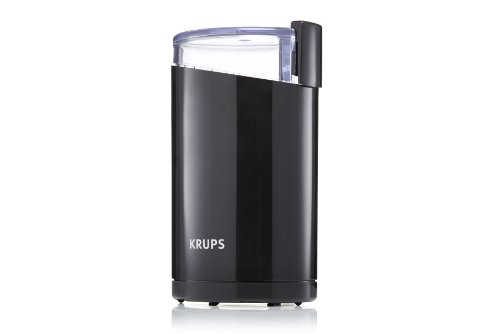
KRUPS F203 Electric Spice and Coffee Grinder with Stainless Steel Blades
“The KRUPS F203 is the most popular spice and blade coffee grinder on Amazon — simple, reliable, and inexpensive for the household that grinds occasional spices and coffee.”
See Today’s Price →What we like
- One-touch blade grinding for spices, herbs, and coffee
- Stainless steel blade and bowl
- Easy to clean with included brush
- Compact and inexpensive
- 3oz capacity grinds enough for 2-3 cups of coffee
Watch out for
- Blade grinder produces uneven particle size vs burr grinders
- Can overheat with extended continuous use
- Bowl scratches with regular use

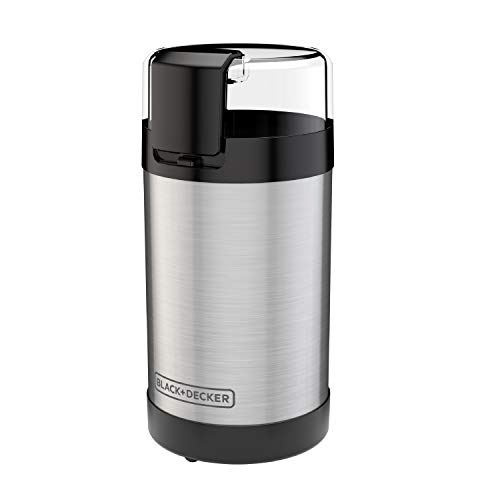
BLACK+DECKER One Touch Coffee Grinder CBG110S
“A no-frills, one-touch blade grinder ideal for casual coffee drinkers on a tight budget.”
See Today’s Price →What we like
- Very affordable price point
- Compact countertop footprint
- Easy one-touch operation
Watch out for
- Blade grinder less consistent than burr
- Small 2/3-cup capacity
Coffee Grinders Under $30 (2026) Buying Guide
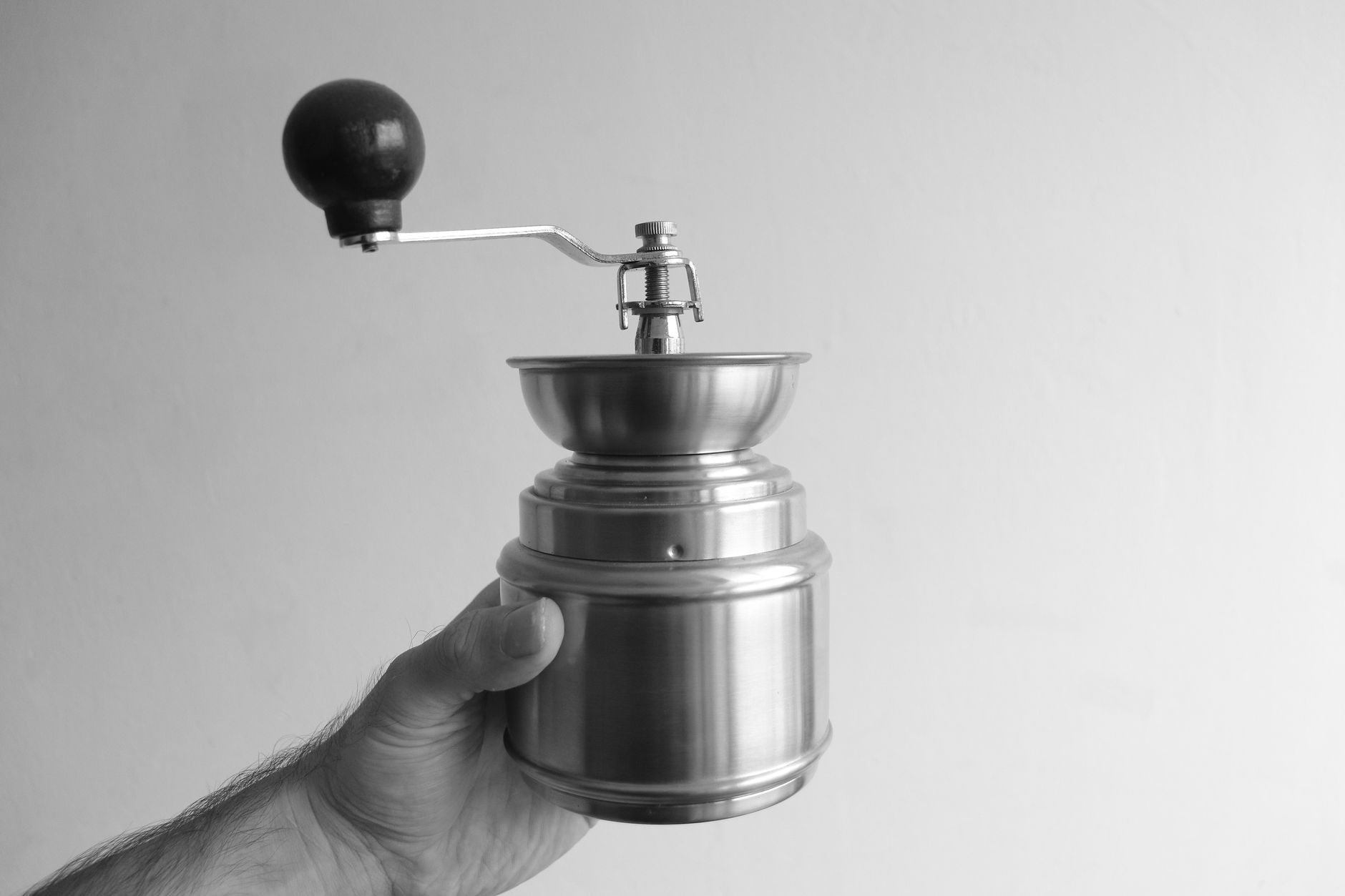 Photo by Jef K / Pexels
Blade vs. Burr: The Only Choice That Matters
Blade grinders use a spinning blade (like a blender) to chop coffee beans. Burr grinders use two abrasive surfaces to crush beans to a consistent size. For espresso, pour-over, and French press, grind consistency is critical — inconsistent grind size produces uneven extraction, where some particles over-extract (bitter) and some under-extract (sour) simultaneously. Blade grinders produce wildly inconsistent grind size. The result tastes noticeably worse. For budget-constrained buyers, even a basic manual burr grinder (like the JavaPresse at $30) produces better results than any blade grinder. For drip coffee machines, blade grinders are acceptable — the forgiving brewing process masks grind inconsistency better than espresso or pour-over.
Manual vs. Electric at This Price Point

Under $30, manual burr grinders dramatically outperform electric burr grinders at the same price. The JavaPresse Manual at $30 uses a conical ceramic burr that costs $60-80 to buy in an electric format — you're paying for the motor, not the grind quality, with budget electric burr grinders. Manual grinding takes 2-3 minutes for one cup of coffee, which some people find meditative and others find tedious. For 1-2 daily cups, manual is the right call for quality. For 3+ cups or households with multiple drinkers, budgeting for an electric burr grinder ($80+) is more practical.
KRUPS and BLACK+DECKER: Blade Grinders Done Right
If you accept the limitations of blade grinding, KRUPS F203 is the most respected blade grinder available. The stainless steel chamber and dual-position lid (fine or coarse) give it more control than most competitors. At $25, it's the right buy for drip coffee drinkers who want freshly-ground beans without the time commitment of a manual burr grinder. The BLACK+DECKER One Touch at $26 offers similar functionality with a slightly different ergonomic design. Neither is the right tool for espresso or pour-over precision work — but for a standard drip coffee maker, both deliver a meaningful improvement over pre-ground coffee.
Related Guides
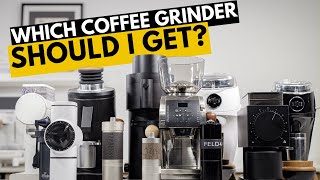
Watch Before You Buy
Frequently Asked Questions
Which is better: Blade vs. Burr: The Only Choice That Matters?
Which is better: Manual vs. Electric at This Price Point?
What should I know about krups and black+decker?
How much should I spend on a good coffee grinder?
What grind size should I use for drip coffee?
How We Analyze Products
We analyze Amazon review data — often thousands of reviews per product — to surface patterns that individual buyers miss. Our process aggregates star ratings, review counts, and buyer sentiment at scale, identifying which strengths and weaknesses appear consistently across the largest review samples available. The 96,182+ reviews analyzed on this page represent real verified-purchase feedback from Amazon buyers.
Each product earned its placement through data: total review volume, average rating, and the specific praise and complaints that repeat most often across buyers. No manufacturer paid for placement on this page. Products appear here because buyers endorsed them at scale, not because a company asked us to feature them.
We use AI to summarize review sentiment — not to fabricate opinions, but to condense what thousands of buyers actually wrote into a readable format. The pros and cons you see reflect the most common themes found in verified purchaser reviews, paraphrased for clarity. We do not claim to have accessed Reddit, YouTube, or specific publications in generating these summaries.
Prices shown reflect Amazon pricing at the time this page was last generated. Click “See Today’s Price” to get the current live price on Amazon. Read our full methodology →