Best French Press Coffee Makers (2026)

The Espro P3 French Press Coffee Maker is our top pick for French Press Coffee Makers. Double micro-filter (200x finer than standard). For budget shoppers, the Frieling Double-Walled Stainless Steel French Press 36oz offers solid value at a lower price.
See Today’s Price →At a Glance

Showing 3 of 3 products
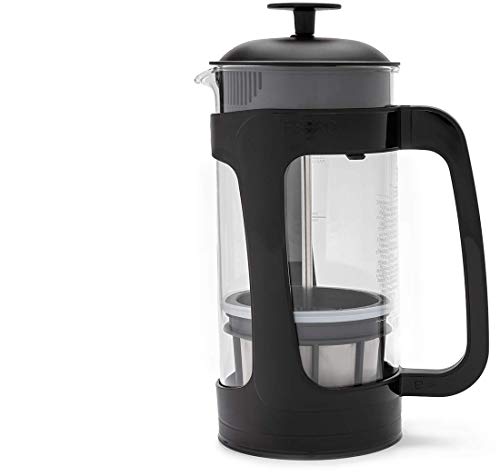
Espro P3 French Press Coffee Maker
“The Espro P3 uses a patented double micro-filter 200 times finer than standard French press screens — it stops extraction after you press (no over-steeping) and produces a cup nearly as clean as pour-”
See Today’s Price →What we like
- Double micro-filter (200x finer than standard)
- Stops extraction after plunging
- Full stainless construction
- Clean, grit-free cup
Watch out for
- Expensive for a French press
- Filter harder to clean than basic mesh
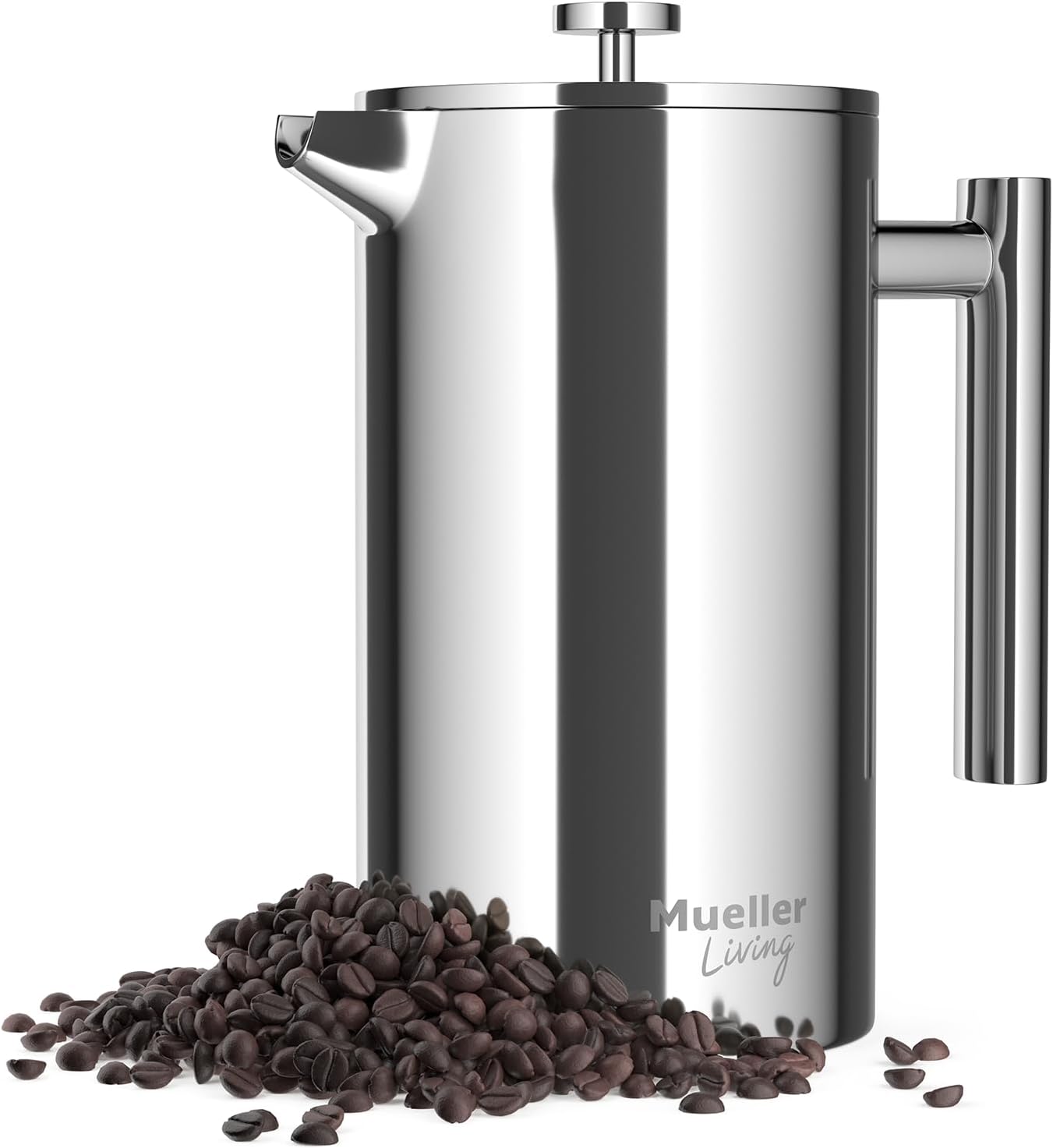
Mueller French Press Coffee Maker Premium Heavy Duty
“The Mueller French Press delivers a clean cup at a budget price — the 4-layer filter system (mesh + micro-mesh) reduces sediment significantly compared to single-filter designs. Stainless steel body w”
See Today’s Price →What we like
- 4-level filtration reduces sediment
- 304 stainless steel body
- 34 oz capacity
- Under $25
Watch out for
- Filter system more complex to clean
- Less refined feel than Bodum

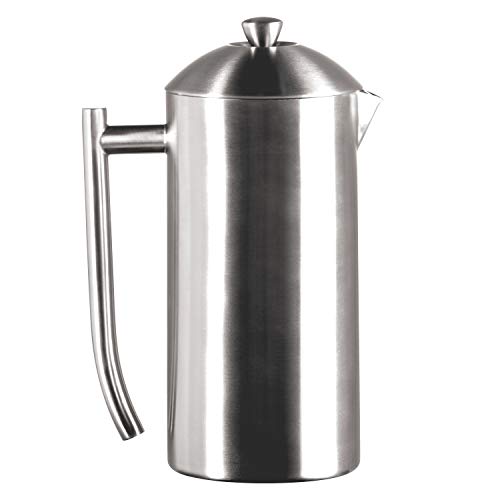
Frieling Double-Walled Stainless Steel French Press 36oz
“Double-wall stainless steel French press built for daily use — unbreakable and keeps coffee warmer than glass.”
See Today’s Price →What we like
- Mirror-polished stainless steel
- Won't break like glass
- Better heat retention than glass
- Easy to clean
Watch out for
- Can't see coffee level
- Heavier than glass
- More expensive than Bodum
Read Full Analysis
The Frieling at $140 is the indestructible French press option — double-wall stainless steel construction won't break when dropped, and the insulation keeps coffee at serving temperature meaningfully longer than glass. Against Bodum glass French presses on this page ($20-50), the Frieling costs $90-120 more for: unbreakable construction (glass French presses break; this one doesn't), better heat retention for 30+ minutes versus 15-20 for glass, and a polished stainless aesthetic. The honest tradeoffs: you can't see the coffee level or brew color without pouring (glass provides visual feedback the stainless doesn't), and it's noticeably heavier than glass models. For households that make French press daily and have broken a glass carafe before — or who travel with their French press — the Frieling's unbreakable construction is a meaningful quality-of-life upgrade. For occasional home use where dropping risk is low, the Bodum glass options deliver the same coffee quality at a fraction of the cost.
French Press Coffee Makers (2026) Buying Guide
 Photo by SHVETS production / Pexels
Why French Press Makes Better Coffee
French press coffee is different from drip coffee in one fundamental way: the grounds steep in contact with the water for the full brew time (4 minutes is the standard), and no paper filter strips away the natural oils. These oils carry a significant portion of coffee's body and flavor complexity. The result is a richer, heavier cup with more texture than filtered coffee. The trade-off is sediment — a small amount of fine grounds ends up in the cup, which some people love and others find unpleasant. If you like a clear, clean cup, a pour-over with paper filter is better. If you want full-bodied, rich coffee, French press is superior.
Bodum: The Classic Standard
Bodum invented the modern French press design in 1974, and the Chambord is the original version that's been in production ever since. The glass carafe, stainless steel frame, and three-part mesh plunger are the template that every other French press copies. At $40 for the 34 oz (4-cup) version, Bodum Chambord is the correct benchmark — not cheap, but priced for what it is: a kitchen tool that lasts decades. The glass is heat-resistant borosilicate; the frame is polished stainless. It's one of the most replicated product designs in kitchen history.
Espro: The Precision Option
Espro solved the French press's two main weaknesses: fine sediment in the cup and over-extraction after brewing. The Espro P3's patented double micro-filter stops fine grounds from passing through, delivering a cleaner cup than any other French press. The seal design also stops the brewing process when you plunge — in a standard Bodum, grounds continue steeping in the carafe even after pressing, causing bitter over-extraction if you let it sit. For coffee enthusiasts who care about technical precision, Espro is the informed upgrade.
Mueller: The Heavy-Duty Mid-Range
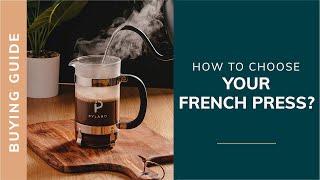
Mueller's French press uses double-wall stainless steel construction instead of glass — which means it's shatterproof and keeps coffee hotter longer. The four-level filtration system (vs Bodum's three layers) reduces sediment. At $46.74, it's priced between Bodum and the premium Frieling — a practical choice for users who've broken glass French presses before or who want thermal retention without spending $140 on a Frieling.
Grind Size Matters More Than the French Press
The single biggest variable in French press coffee quality is grind size. Pre-ground coffee from a bag is too fine — it passes through the mesh filter and creates muddy, over-extracted coffee. You need a coarse grind, ideally from a burr grinder. If you're buying a French press and want consistently great results, budget for a basic burr grinder alongside it. The JavaPresse manual burr grinder at $30 produces a grind quality that dramatically outperforms any blade grinder in this use case.
Related Guides
Frequently Asked Questions
Why French Press Makes Better Coffee?
What should I know about bodum?
What should I know about espro?
What should I know about mueller?
What should I know about grind Size Matters More Than the French Press?
How We Analyze Products
We analyze Amazon review data — often thousands of reviews per product — to surface patterns that individual buyers miss. Our process aggregates star ratings, review counts, and buyer sentiment at scale, identifying which strengths and weaknesses appear consistently across the largest review samples available. The 41,449+ reviews analyzed on this page represent real verified-purchase feedback from Amazon buyers.
Each product earned its placement through data: total review volume, average rating, and the specific praise and complaints that repeat most often across buyers. No manufacturer paid for placement on this page. Products appear here because buyers endorsed them at scale, not because a company asked us to feature them.
We use AI to summarize review sentiment — not to fabricate opinions, but to condense what thousands of buyers actually wrote into a readable format. The pros and cons you see reflect the most common themes found in verified purchaser reviews, paraphrased for clarity. We do not claim to have accessed Reddit, YouTube, or specific publications in generating these summaries.
Prices shown reflect Amazon pricing at the time this page was last generated. Click “See Today’s Price” to get the current live price on Amazon. Read our full methodology →