Best Meat Slicer 2026: Home Deli Slicers Compared
The Chef'sChoice 615A is the best meat slicer for most home kitchens — 7-inch blade handles turkey, ham, and hard cheeses with a built-in sharpener. For larger roasts and briskets, step up to the BESWOOD250 10-inch.
See Today’s Price →At a Glance

Showing 3 of 3 products
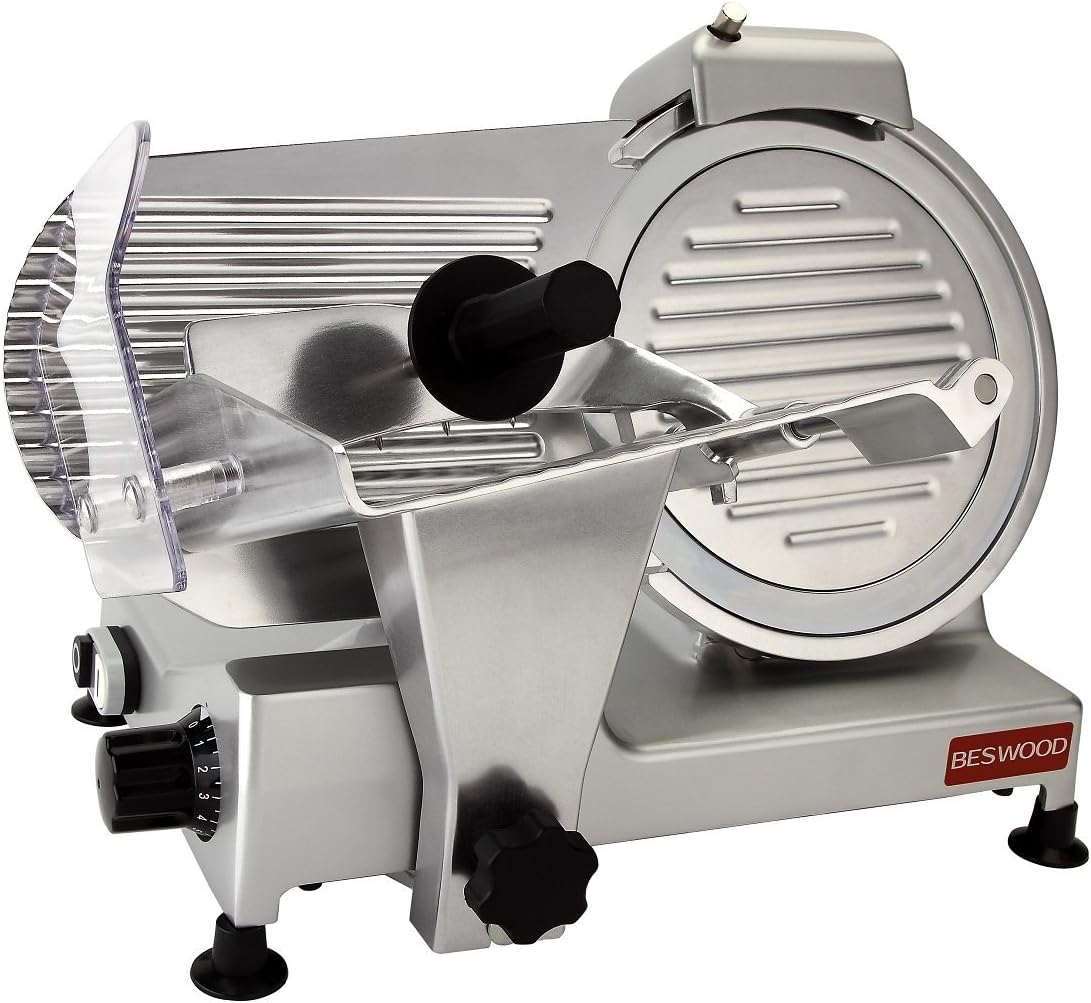
BESWOOD250 10-Inch Chromium-Plated Electric Meat Slicer
“The BESWOOD250 is the gold standard for home meat slicers — a 10-inch commercial blade and 240W motor that handles every meat, cheese, and bread you throw at it without hesitation.”
See Today’s Price →What we like
- 10-inch blade handles large roasts
- 240W motor doesn't bog down
- Commercial-grade stainless steel
- 0–15mm precision thickness adjustment
Watch out for
- Premium price
- Large footprint on counter
- Heavier than compact models

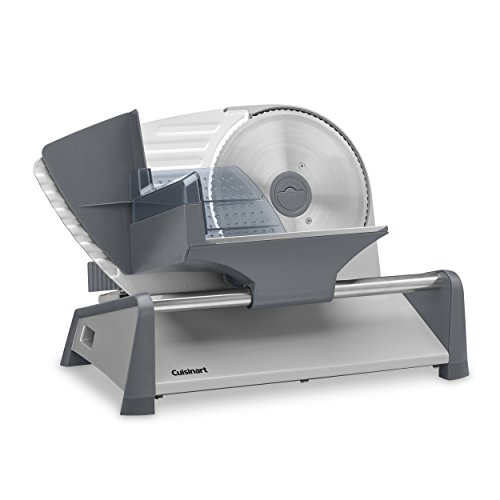
Cuisinart FS-75 Kitchen Pro Food Slicer 7.5-Inch
“The Cuisinart FS-75 is the entry point — perfect for slicing cooked deli meats and soft cheeses occasionally. Not for hard cheeses or heavy use, but Cuisinart reliability at the lowest investment.”
See Today’s Price →What we like
- Trusted Cuisinart brand
- Most affordable option
- Simple operation
- Compact for storage
Watch out for
- Low 130W motor struggles with hard items
- Limited to soft deli meats and bread
- Short warranty

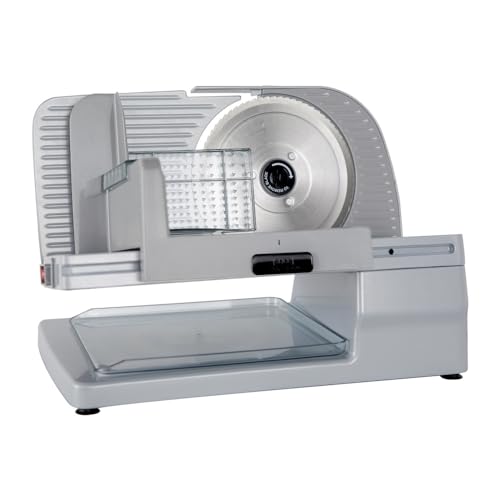
Chef'sChoice 615A Electric Meat Slicer
“Best home meat slicer — compact 7" blade, tilt-off cleaning, and quality construction for weekly deli-style slicing.”
See Today’s Price →What we like
- 7" blade — compact for home use
- Food carriage tilts 180° for thin slicing
- Tilt-off design for easy cleaning
Watch out for
- 7" blade limits large roast slicing
- Not commercial duty
Meat Slicer Buying Guide
 Photo by TUBARONES PHOTOGRAPHY / Pexels
A home meat slicer produces deli-thin cuts from whole roasts, cheese blocks, and cured meats at a fraction of the deli counter price. A 2-pound block of deli turkey sliced at home costs roughly half what pre-sliced turkey costs per pound. The investment pays back within a few months for households that eat deli meats regularly. The core trade-off is blade diameter and motor power versus counter footprint and price.
Blade Diameter: 7-Inch vs. 10-Inch
A 7-inch blade (Chef'sChoice 615A) handles most home needs: sandwich turkey, ham, roast beef, and semi-firm cheeses. It cannot slice a full salami or brisket flat — the product simply won't fit. A 10-inch blade (BESWOOD250, KWS, VEVOR) handles larger items and cuts faster with each pass. For home use, 7-inch handles 95% of use cases. If you slice whole briskets, large pork shoulders, or thick prosciutto, step up to 10-inch.
Motor Power and Slice Speed

Home-grade slicers run 100-200W motors. Commercial slicers use 500-1000W. The difference matters for frozen or semi-frozen items and high-volume use. At home, slicing a 3-pound turkey breast takes 10-15 minutes regardless of motor size — the limiting factor is the feed tray and your slicing pace. Motor overheating becomes a concern only if you're running the slicer continuously for 30+ minutes. Most manufacturers recommend a 15-minute rest period after 10 minutes of continuous use.
Chromium-Plated vs. Stainless Steel Blades
Chromium-plated blades (BESWOOD250) are harder and hold an edge longer than standard stainless. They're also easier to sharpen. Stainless blades are more corrosion-resistant and may be dishwasher-safe on some models. For home use, either works well. The blade sharpener built into the slicer chassis is more important than blade material — confirm your model includes one, as replacement sharpening stones are harder to find than the slicers themselves.
Safety Features

Every slicer has a exposed spinning blade during operation — more dangerous than most kitchen tools. Key safety features: a food pusher/safety guard that keeps fingers away from the blade, a blade cover for storage, and a non-slip base. Some models add a food deflector that channels slices away from the blade. Cut-resistant gloves are strongly recommended for any slicer and cost $10-15 — buy them alongside the slicer.
Watch Before You Buy

Frequently Asked Questions
Can a home meat slicer cut frozen meat?
What is the thinnest slice a home slicer can make?
Can you slice cheese with a meat slicer?
How do you sharpen a meat slicer blade?
Is a meat slicer worth it for home use?
How We Analyze Products
We analyze Amazon review data — often thousands of reviews per product — to surface patterns that individual buyers miss. Our process aggregates star ratings, review counts, and buyer sentiment at scale, identifying which strengths and weaknesses appear consistently across the largest review samples available. The 3,123+ reviews analyzed on this page represent real verified-purchase feedback from Amazon buyers.
Each product earned its placement through data: total review volume, average rating, and the specific praise and complaints that repeat most often across buyers. No manufacturer paid for placement on this page. Products appear here because buyers endorsed them at scale, not because a company asked us to feature them.
We use AI to summarize review sentiment — not to fabricate opinions, but to condense what thousands of buyers actually wrote into a readable format. The pros and cons you see reflect the most common themes found in verified purchaser reviews, paraphrased for clarity. We do not claim to have accessed Reddit, YouTube, or specific publications in generating these summaries.
Prices shown reflect Amazon pricing at the time this page was last generated. Click “See Today’s Price” to get the current live price on Amazon. Read our full methodology →