Home › Kitchen › Best Pastry Blender 2026: Dough Cutters for Pie Crust
Best Pastry Blender 2026: Dough Cutters for Pie Crust
By MyAwesomeBuy Research Team · Updated April 8, 2026 · Our Methodology
4 models compared
No manufacturer paid for placement. Rankings based on verified buyer review data.
Quick Answer
The Spring Chef Dough Blender is the top pick — five stainless steel blades cut cold butter cleanly without bending, soft-grip handle reduces hand fatigue. The OXO Good Grips is the best alternative for larger hands.
#971,154 in Kitchen & Dining (See Top 100 in Kitchen & Dining)
#160 in Dough & Pastry Blenders
Container Material
Stainless Steel
Warranty Description
Lifetime Replacement & Money Back Warranty
Is The Item Dishwasher Safe?
Yes
Pastry Blender Buying Guide
Photo by Gists And Thrills Studios / Pexels
A pastry blender (also called a dough cutter) cuts cold butter or shortening into flour to create the flaky pea-size crumbles that biscuits, pie crust, and scones require. A food processor does this faster but overworks the dough; two knives work but take twice as long.
Blades vs. Wires
Blade-style pastry cutters (Spring Chef, Cestari) have flat stainless steel blades that slice cleanly through cold butter. Wire-style cutters use curved wires that push butter apart rather than slicing. Blades are generally more effective on hard, refrigerator-cold butter — they cut rather than bend. For consistent results, blade-style is the safer choice.
Cestari Pastry Blender - The Difference is in the Details
Most blade-style cutters have 4-6 blades. More blades means more passes through the butter per stroke, creating smaller crumbles faster. For pie crust that needs true pea-size crumbles, 5-6 thin blades are faster than 4 thick ones. Soft-grip handles cushion the palm better than bare stainless — important since you press down with significant force through multiple strokes.
Spring Chef Dough Blender Professional Stainless S...
A pastry blender cuts cold fat (butter, shortening, or lard) into flour to create a crumbly mixture where the fat coats the flour particles without fully incorporating. This creates the layered, flaky texture in pie crusts, biscuits, and scones. The goal is pea-size or smaller fat pieces throughout the flour — if you overwork it, the fat melts into the flour and the baked result is dense rather than flaky.
Can I use a food processor instead of a pastry blender?
Yes, with more risk. A food processor works faster but can overprocess in seconds, turning your crumbles into a paste. If using a food processor, pulse 6-8 times in one-second bursts and check frequently. A pastry blender gives you more control because you feel the resistance as the butter breaks down. For beginners, the pastry blender is the forgiving option; experienced bakers who know their processor can use either.
Should butter be cold or room temperature for pastry?
Cold — very cold, ideally straight from the refrigerator. Cold butter stays in separate pieces as you cut it into the flour, creating the flaky layers in the final product. Room-temperature butter smears into the flour rather than cutting cleanly, producing a tender but dense rather than flaky result. Some bakers cube their butter and freeze it for 10-15 minutes before cutting in. Don't worry if the butter softens slightly during mixing — it's the starting temperature that matters most.
How do you clean a pastry blender?
Rinse immediately after use — flour and butter set quickly once dry. Run under hot water while pressing down on the blades with a stiff brush to dislodge flour from between blades. Most stainless blade models are dishwasher safe on the top rack, but dried-on dough in the blade gaps may not come clean in the dishwasher — a hand rinse first is recommended. Never leave a pastry cutter soaking in water; the wooden or plastic handle components may crack or loosen.
What is the difference between a pastry blender and a dough scraper?
A pastry blender has multiple blades or wires that cut fat into flour — it's used during the mixing stage. A dough scraper (bench scraper) is a flat rectangular blade used to portion dough, scrape dough off the work surface, and clean flour off the counter. You use them at different stages: pastry blender first (mixing fat and flour), dough scraper later (working and shaping dough). Both are useful for pie and biscuit baking; neither does the other's job well.
We analyze Amazon review data — often thousands of reviews per product — to surface patterns
that individual buyers miss. Our process aggregates star ratings, review counts, and buyer
sentiment at scale, identifying which strengths and weaknesses appear consistently across
the largest review samples available.
Each product earned its placement through data: total review volume, average rating, and the
specific praise and complaints that repeat most often across buyers. No manufacturer paid for
placement on this page. Products appear here because buyers endorsed them at scale, not
because a company asked us to feature them.
We use AI to summarize review sentiment — not to fabricate opinions, but to condense what
thousands of buyers actually wrote into a readable format. The pros and cons you see reflect
the most common themes found in verified purchaser reviews, paraphrased for clarity. We do not
claim to have accessed Reddit, YouTube, or specific publications in generating these summaries.
Prices shown reflect Amazon pricing at the time this page was last generated. Click
“See Today’s Price” to get the current live price on Amazon.
Read our full methodology →
Affiliate disclosure: When you buy through our links, we may earn
a small commission at no extra cost to you. This helps us keep the reviews free and
the data updated. Our recommendations are based on data, not who pays us.
Learn more →
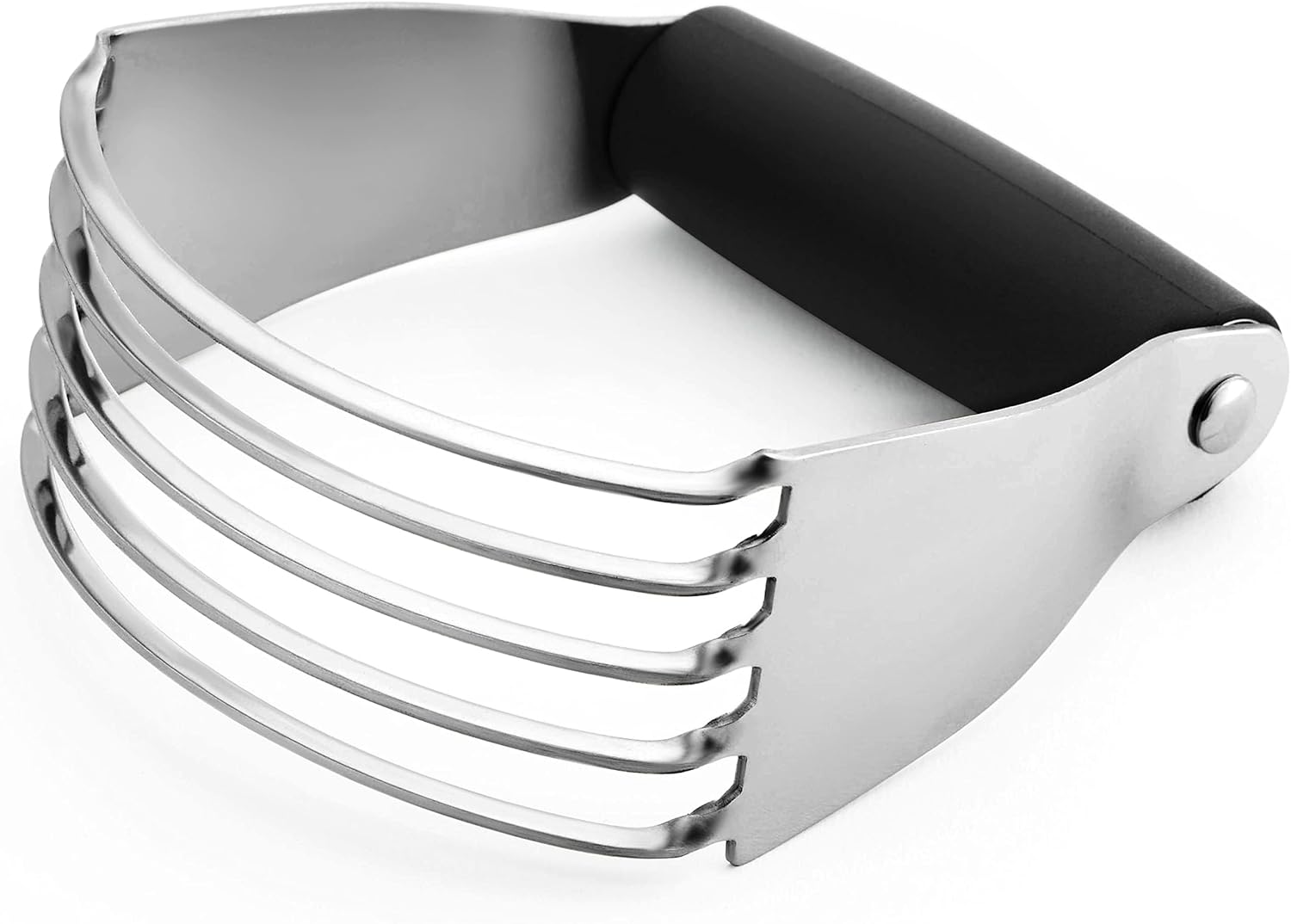
 Spring Chef Dough Blender Professional …
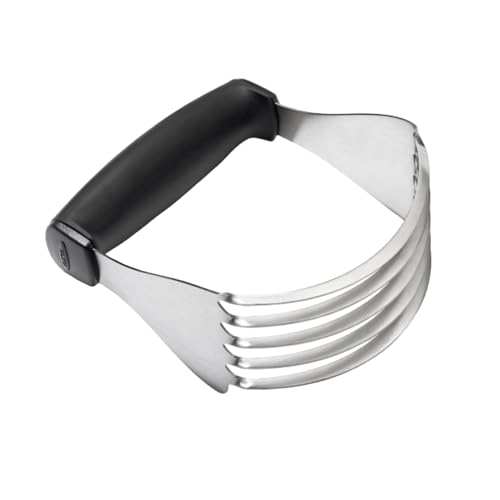 OXO Good Grips Stainless Steel Dough Bl…
 Cestari Professional Pastry Cutter 4-Th…
 Orblue Dough Blender Pro Stainless Stee…


 Photo by Gists And Thrills Studios / Pexels
![Best Pastry Blenders 2025 [ Top 5 Pastry Blenders Review ]](https://img.youtube.com/vi/x1WxVeQ_WY4/mqdefault.jpg)