Cast Iron vs Stainless vs Nonstick (2026): Which Pan Should You
For most home cooks: get a Lodge 12-inch cast iron skillet (~$30) for searing, baking, and high-heat cooking, plus a cheap nonstick pan for eggs and fish. If you cook often and want the most versatile, oven-safe workhorse with zero maintenance, All-Clad D3 stainless is the professional's choice. Never buy only nonstick — it cannot handle high heat.
Cast Iron vs Stainless vs Nonstick (2026) Buying Guide

Quick Verdict: Our top pick is the Lodge 12-inch Cast Iron Skillet (Best Overall) — consistently top-rated in its category. Priced at $29.49.
This guide is for you if:
-
You're equipping a kitchen and don't know which cookware material to buy
-
You want to understand real-world differences between cast iron, stainless, and nonstick
-
You've gotten conflicting advice about pans and want a clear, honest answer
Skip this guide if:

-
You've decided on a material and just need the best brand — see our cookware comparison pages
-
You're a professional chef — home cooking has different durability and cleaning trade-offs
Quick verdict: For most home cooks: get a Lodge 12-inch cast iron skillet (~$30) for searing, baking, and high-heat cooking, plus a cheap nonstick pan for eggs and fish. If you cook often and want the most versatile, oven-safe workhorse with zero maintenance, All-Clad D3 stainless is the professional's choice.

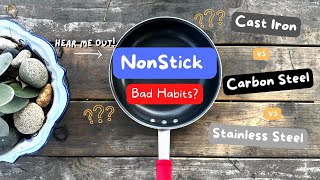
Walk into any kitchen store and you'll find wall-to-wall options. Cast iron, stainless, nonstick, carbon steel, ceramic, enameled, clad, disk-bottom — the terminology alone is enough to make you give up and order takeout. We're going to simplify this. For 95% of home cooks, the cookware decision boils down to three materials, and understanding the difference between them will save you money and years of frustration.
The fundamental truth: no single pan material is best at everything. Each excels in specific conditions, and the "best" answer depends on what you actually cook.
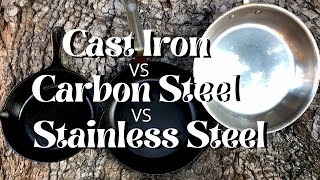
Cast iron is iron — dense, heavy, and virtually indestructible. A well-maintained cast iron skillet will outlive you, your children, and probably your grandchildren. Lodge has been making essentially the same skillet since 1896, and the one your great-grandmother used is almost certainly still functional.
Cast iron is poured into molds and cooled, creating a thick, heavy cooking surface. Its thermal mass is enormous — it takes longer to heat up than other pans, but once hot, it holds that heat extremely well. This is the key to its superpowers.
Heat retention is what makes cast iron ideal for searing. When you drop a cold steak on a stainless pan, the pan temperature drops significantly. Cast iron barely flinches — it keeps enough residual heat to maintain a hard sear even when cold protein hits the surface. This is why steakhouses and restaurant kitchens rely on it.
Oven versatility is unmatched. Cast iron handles temperatures up to 700°F with no issues. You can finish a steak in the broiler, bake cornbread, or roast a whole chicken all in the same pan. No silicone handles to melt, no nonstick coating to degrade.
Improves with age. Every cook season adds a layer of polymerized oil — the "seasoning" that makes the surface more naturally nonstick over time. A 20-year-old well-seasoned cast iron is noticeably more nonstick than a new one.
Weight. A 12-inch Lodge weighs about 8 pounds. This is not a pan you'll flip food in one-handed. For older adults, people with wrist issues, or anyone who cooks a lot of delicate food requiring constant movement, this is a real problem. Slow, uneven heating. Cast iron conducts heat poorly at the molecular level — it heats slowly and develops hot spots. You need to preheat it for 3-5 minutes before cooking. On an induction or gas burner, the center will be hotter than the edges. Professional trick: rotate the pan a quarter turn every minute during preheat to even things out. Reactive with acidic foods. Tomatoes, wine, citrus, and vinegar will strip seasoning and can pick up a metallic taste during long cooks. A 2-hour tomato sauce is a bad idea in unseasoned cast iron. Short sears and deglazes with wine are fine; long braises with acidic ingredients are not. Maintenance. Cast iron requires hand-washing, immediate drying, and occasional re-oiling. Leaving it wet causes rust. Dishwashers strip seasoning completely. This isn't hard, but it's a different relationship than a nonstick pan you can throw in the dishwasher.
-
Pan-roasting chicken thighs (stovetop to oven)
-
Camping (indestructible, open fire compatible)
Watch Before You Buy
At a Glance
Showing 3 of 3 products
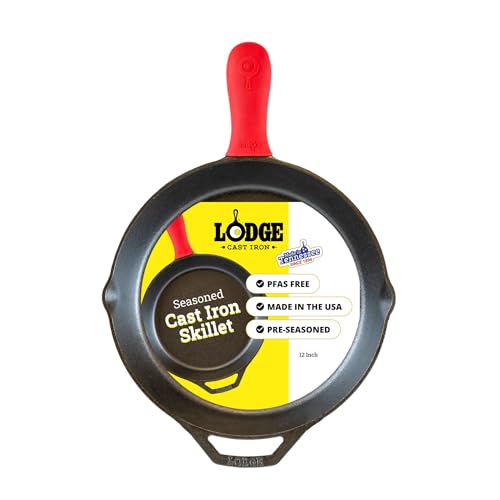
Lodge 12-inch Cast Iron Skillet
“The Lodge 12-inch is the definitive cast iron skillet for home cooks who want the best combination of cooking surface area, proven reliability, and unbeatable price-to-performance ratio.”
See Today’s Price →What we like
- Pre-seasoned with vegetable oil and ready to cook day one
- 12-inch surface handles large cuts, family meals, and batch cooking
- Induction-compatible and oven-safe to any temperature
- 40,000+ verified Amazon reviews confirm long-term reliability
Watch out for
- At ~7 lbs, heavier than smaller cast iron options
- Rough factory surface smooths with use but takes several cooking sessions
Read Full Analysis
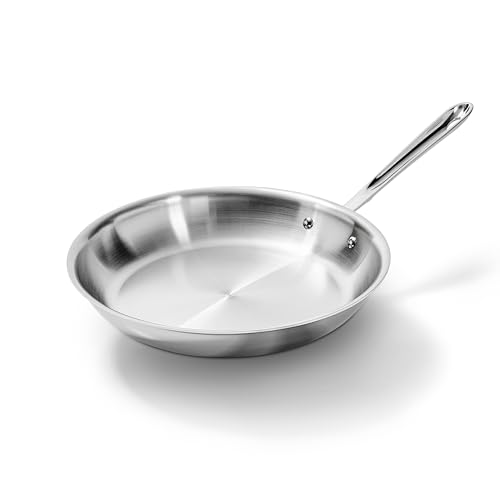
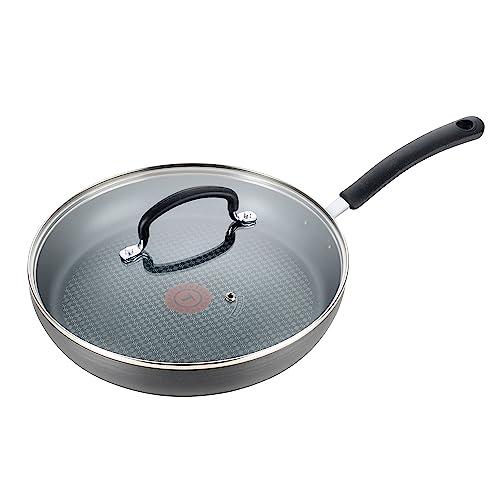
Lodge 12-inch Cast Iron Skillet is the definitive entry-level cast iron — seasoned at the factory with vegetable oil, requiring only basic maintenance (dry thoroughly, apply thin oil after washing) to maintain and build the seasoning layer over years of use. The 12-inch diameter handles full family meals — searing steaks, frying chicken, baking cornbread, and shallow frying with the even heat retention that cast iron delivers once the pan reaches operating temperature. Cast iron's mass stores heat to recover from cold food being added, maintaining sear temperature that thinner stainless pans cannot sustain. Against All-Clad D3 Stainless, Lodge cast iron is cheaper and provides better sear heat retention, but weighs substantially more and requires seasoning maintenance versus stainless steel's dishwasher safety. Against T-fal Nonstick, cast iron's surface improves with use while nonstick degrades and must eventually be replaced. For buyers who want one pan that can go from stovetop to 500°F oven to campfire, cast iron is the most versatile and longest-lasting option in this comparison.
T-fal Ultimate Hard Anodized Nonstick 12-Inch Fry Pan with Lid
Frequently Asked Questions
Is cast iron really nonstick?
Can I use metal utensils on cast iron?
Is PTFE nonstick coating safe?
Why does food stick to my stainless steel pan?
Can I put cast iron in the dishwasher?
How long does a nonstick pan last?
Which pan is best for cooking eggs?
Do I need all three types of pans?
How We Analyze Products
We analyze Amazon review data — often thousands of reviews per product — to surface patterns that individual buyers miss. Our process aggregates star ratings, review counts, and buyer sentiment at scale, identifying which strengths and weaknesses appear consistently across the largest review samples available. The 163,443+ reviews analyzed on this page represent real verified-purchase feedback from Amazon buyers.
Each product earned its placement through data: total review volume, average rating, and the specific praise and complaints that repeat most often across buyers. No manufacturer paid for placement on this page. Products appear here because buyers endorsed them at scale, not because a company asked us to feature them.
We use AI to summarize review sentiment — not to fabricate opinions, but to condense what thousands of buyers actually wrote into a readable format. The pros and cons you see reflect the most common themes found in verified purchaser reviews, paraphrased for clarity. We do not claim to have accessed Reddit, YouTube, or specific publications in generating these summaries.
Prices shown reflect Amazon pricing at the time this page was last generated. Click “See Today’s Price” to get the current live price on Amazon. Read our full methodology →