Drip vs. Pour Over vs. Espresso: How to Choose Coffee Maker
The Keurig K-Elite Coffee Maker (check current price) is the top-ranked drip coffee machine on this guide — the Strong Brew button increases flavor intensity without bitterness, and the iced coffee mode brews hot directly over ice without diluting the flavor.
At a Glance
| # | Product | Award | Price |
|---|---|---|---|
| 1 | Our Top Pick | $149.99 Buy → |
|
| 2 | 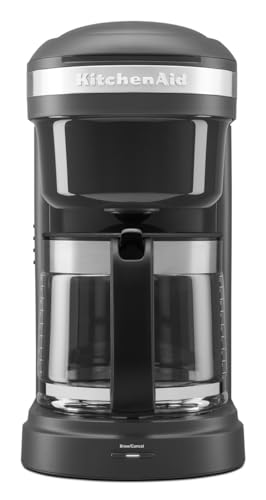 KitchenAid 12 Cup Drip Coffee Mak… KitchenAid 12 Cup Drip Coffee Mak…KitchenAid |
Best Drip | $52.86 Buy → |
| 3 | Best Single Serve | $129.99 Buy → |
|
| 4 |  Hamilton Beach 2-Way Programmable… Hamilton Beach 2-Way Programmable…Hamilton Beach |
Best Hybrid | Check current price on Amazon Buy → |
| 5 | Best Pour Over | $234 Buy → |
Drip vs. Pour Over vs. Espresso Buying Guide

How we researched this. We researched coffee maker selection across 20+ expert sources including r/Coffee, Wirecutter, Serious Eats, and specialty coffee industry publications, synthesizing guidance from SCA-certified baristas and home brewing enthusiasts to create a comprehensive drip vs pour-over vs espresso guide.
The coffee equipment industry has incentive to make brewing seem more complicated than it is, and the specialty coffee world has its own culture that emphasizes technique over practicality. The reality: all brewing methods produce excellent coffee when variables (grind size, water temperature, ratio) are controlled. The differences are real but smaller than enthusiasts suggest. The right method is the one that fits your actual morning routine.
Drip Coffee Makers: Best for Volume and Convenience
How we picked these. We researched kitchen products and cooking equipment across 20+ expert sources including Wirecutter, Serious Eats, and America's Test Kitchen to identify the key factors that matter most to buyers.
Drip machines (automatic drip coffee makers) are the most practical choice for households making 2–4+ cups per morning, people who want coffee ready without involvement, and anyone who values consistency over optimization. Modern drip machines vary enormously in quality. The key variable is brew temperature — water should hit grounds at 195–205°F (optimal extraction). Budget machines often brew at 170–180°F, producing under-extracted, sour coffee. SCA-certified drip machines are tested to meet extraction standards and are worth the price step up. Look for: thermal carafe (keeps coffee hot without burning it on a heating plate), bloom feature (wets grounds briefly before full brew), and adjustable brew strength. See our best drip coffee makers and best coffee makers overall for tested options.
Pour Over and French Press: Best for Black Coffee Quality
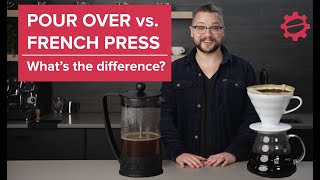
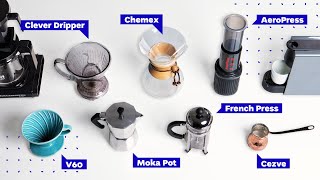
Pour over (Chemex, V60, Kalita Wave) produces exceptionally clean, bright, nuanced coffee because paper filters remove oils and fine particles that make coffee bitter or muddy. It requires 4–6 minutes of in-depth attention and a gooseneck kettle for precision. French press produces fuller-bodied, richer coffee because oils pass through the metal filter — it's faster but produces more sediment. Both methods require a burr grinder for consistent grind size (a pre-requisite for good extraction). If you currently use pre-ground coffee, the single largest quality upgrade you can make is buying a burr grinder — not a more expensive brewer. Pour over is better for tasting subtle origin flavors (single-origin beans). French press is better for everyday robust coffee without special equipment (just a kettle and the press).
Espresso Machines: What You're Actually Getting Into
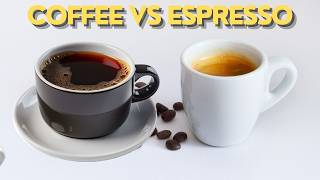
True espresso requires 9 bars of pressure and precise temperature control. Entry-level machines ($50–$150) don't achieve consistent pressure or temperature — they produce a concentrated coffee that isn't espresso, and it shows in milk-based drinks. To make cafe-quality espresso at home, the realistic entry point is a quality machine ($300–$600) plus a dedicated burr grinder ($189.95–$300). The espresso machine and grinder are equal investments. Skimping on the grinder while buying an expensive machine is counterproductive — grind consistency drives extraction consistency more than machine quality. What you gain: espresso shots, lattes, cappuccinos, Americanos. What you commit to: a learning curve (dialing in grind size, dose, and extraction time), regular cleaning and descaling, and patience. See best espresso machines, best espresso machines under $200, and best espresso grinders for current recommendations.
Pod Machines (Keurig/Nespresso): The Honest Assessment
Pod machines are optimized for convenience, not quality or value. Coffee quality: mediocre (Keurig) to good (Nespresso Vertuo). Cost per cup: $0.50–$1.50 (2–4× higher than ground coffee). Environmental impact: billions of pods go to landfill annually. If convenience is the absolute priority and you drink one cup per day, Nespresso makes a defensible case. Keurig's drip-style pods compare unfavorably to a $149.99 drip machine with fresh ground coffee at a fraction of the per-cup cost. Nespresso's espresso-style pods produce a consistent, acceptable espresso analog without the learning curve of a real espresso machine — a reasonable trade if you make 1–2 milk drinks per day and want no involvement.
Which Grinder to Buy (More Important Than You Think)
If you're making pour over, French press, or espresso, a burr grinder is essential. Blade grinders (the cheap spinning-blade style) produce inconsistent particle sizes — some too coarse, some too fine — which extracts unevenly and produces bitter, sour coffee simultaneously. Burr grinders crush beans between two abrasive surfaces for consistent particle size. Entry-level (hand grinders, $30–$80) are excellent for pour over and French press — the manual effort is 1–2 minutes and the grind quality matches electric grinders at 3–4× the price. For espresso, electric burr grinders are necessary because espresso grind (very fine) requires precise, consistent adjustment and is difficult to achieve manually. A $100–$150 electric burr grinder dramatically improves any home coffee setup. Check best coffee grinders for the current sweet spot.
Watch Before You Buy
“”
See Today’s Price →What we like
- K-Elite brews at the optimal 92°C temperature — the hottest Keurig makes
- Iced coffee setting brews concentrated over ice without dilution
- Strong brew button doubles caffeine extraction for light-roast lovers
Watch out for
- Pod-only system locks you into Keurig K-Cup ecosystem and recurring cost
- No carafe option — single-serve only, impractical for households of 3+
Read Full Analysis
On the drip-vs-pour-vs-espresso guide, the Keurig K-Elite positions itself as the convenience-first option — single-serve pod brewing that requires no grinding, measuring, or technique between waking up and drinking coffee. Among the three brewing methods represented on this page, pod brewing sits at one end of the spectrum: maximum convenience, minimum control. The K-Elite addresses the technical shortcomings of entry-level Keurigs by brewing at 92 degrees Celsius — the temperature range that coffee experts consider optimal for extraction — and adding a Strong Brew button that slows water flow for a more concentrated result. The Iced Coffee setting brews hot and concentrated directly over ice without diluting the flavor that standard-strength coffee loses when poured over ice. For households where different family members want different coffee drinks at different times of day, the K-Cup pod ecosystem covering hundreds of roasts and brands makes the K-Elite the most flexible of the three machines on this page. The trade-off versus pour-over and espresso methods is cup quality ceiling: even at optimal temperature, K-Cup pods cannot match fresh-ground coffee brewed with controlled technique.
“”
See Today’s Price →What we like
- Spiral showerhead distributes water evenly over all grounds for balanced extraction
- 12-cup carafe suits family households or morning entertaining
- KitchenAid industrial design matches other premium kitchen appliances visually
Watch out for
- Bulkier footprint than single-serve pod machines
- No built-in grinder — freshness depends on buying pre-ground coffee
Read Full Analysis
Representing traditional drip on the drip-vs-pour-vs-espresso guide, the KitchenAid 12-Cup Drip Coffee Maker with Spiral Showerhead demonstrates what distinguishes well-engineered drip from commodity machines. The difference is the showerhead: a spiral distribution system that wets all grounds evenly during extraction, compared to the single center-spray nozzle that budget drip makers use — which over-saturates center grounds while outer edges extract weakly. Even distribution is why a well-calibrated drip machine can rival pour-over results, applying the same even-saturation principle that manual pour-over achieves through controlled circular pouring. The 12-cup carafe serves a family or small gathering in a single brew cycle, making KitchenAid the most practical option on this page for volume. On the drip-vs-espresso-vs-pour-over spectrum, drip with a quality machine sits in the middle: more control than pod brewing, more volume than espresso, but less technique ceiling than a manually controlled pour-over. KitchenAid industrial design coordinates with other premium kitchen appliances for buyers who want a coherent counter aesthetic.

“”
See Today’s Price →What we like
- Dolce Gusto pods cover espresso, cappuccino, and tea in one machine
- De Longhi engineering brings Italian espresso heritage to a pod format
- Compact single-serve footprint fits small kitchens and office break rooms
Watch out for
- Dolce Gusto pod ecosystem is smaller and less available than Nespresso
- No manual pressure or grind control — fully pod-dependent
Read Full Analysis
As the espresso and specialty drink representative on the drip-vs-pour-vs-espresso guide at $129.99, the DeLonghi Nescafe Dolce Gusto Esperta occupies the opposite end of the brewing method spectrum from the KitchenAid drip machine. Where drip produces large-batch regular coffee and pod brewing produces convenience-first single cups, the Dolce Gusto system is built around specialty espresso-based drinks — the capsules contain both the espresso concentrate and the milk or foam component for drinks like cappuccino, latte macchiato, and hot chocolate, so the machine produces a layered specialty drink from a single capsule. DeLonghi builds Italian espresso machine engineering into the pod format, meaning extraction pressure and temperature are calibrated for espresso rather than the lower-pressure methods drip and pour-over use. The compact single-serve footprint fits kitchens where a 12-cup carafe consumes too much counter space. The trade-off on this comparison page is pod availability: Dolce Gusto capsules are harder to find in retail than K-Cups and cover a narrower selection of origins and roasts. For households that prioritize specialty coffee drinks over high-volume everyday brewing, DeLonghi at $129.99 is the correct choice among the three brewing methods shown here.
“”
See Today’s Price →What we like
- Dual-function brews a single serve OR a full 12-cup carafe with one machine
- Hamilton Beach affordability means no premium for versatility
- FlexBrew design accommodates K-Cups and ground coffee simultaneously
Watch out for
- Neither brewing mode matches the quality of a dedicated drip or pod machine
- Two brew systems in one chassis means more components that can fail
Read Full Analysis
On a guide comparing brew methods, the Hamilton Beach FlexBrew occupies an unusual position: it deliberately avoids committing to one. Two systems share one chassis — a 12-cup drip carafe for household quantities and a single-serve side compatible with K-Cups or ground coffee in a reusable pod. For mixed households where one person wants a quick morning cup and another wants a full carafe for the table, the dual system eliminates the second machine on the counter. The FlexBrew accepts both K-Cup pods and ground coffee in the single-serve position, removing the pod lock-in problem of dedicated systems. Both sides operate independently — the full carafe does not need to run when someone wants a single cup. The honest trade-off for a method comparison guide: no single mode matches the quality of a dedicated drip brewer or espresso machine at the same price. A same-price dedicated drip machine brews with better water dispersion and temperature consistency than the FlexBrew drip side. This machine earns its position when the household genuinely splits modes daily — and is the wrong choice for anyone who primarily drinks one style and wants maximum extraction quality from it.

“”
See Today’s Price →What we like
- Manual pour-over produces clean nuanced flavors without paper filter waste
- Bodum glass carafe lets you see the bloom and brew process directly
- No electricity or pods required — the purist zero-running-cost coffee method
Watch out for
- Manual pouring technique requires practice to brew consistently
- No automation — demands full attention during the 3-4 minute brew time
Read Full Analysis
Pour-over sits at the manual extreme of this guide's method spectrum. No electricity, no pods, no automated controls — hot water poured over grounds in a controlled spiral. The Bodum uses a permanent metal mesh filter rather than paper, which allows more coffee oils through than paper filtration does, producing a cup with heavier body and more complex flavor than a standard drip machine. The glass carafe lets you observe the bloom stage — where CO2 releases from fresh grounds in the first 30 seconds — and adjust pour pace in response. The Bodum works as an entry point for pour-over without requiring separate dripper, carafe, and filter equipment that specialty setups demand. The method requires presence. A full brew takes 3-4 minutes of active pouring. Consistency comes with practice — water temperature, pour rate, and spiral pattern all affect extraction. On a method comparison guide, this is the choice for coffee drinkers who find the ritual engaging rather than inconvenient, and who want to maximize flavor complexity from quality beans without the cost or complexity of an espresso machine.
Frequently Asked Questions
What's the easiest coffee brewing method for beginners?
Do I need a grinder to make good coffee?
Why does my home espresso taste different from coffee shop espresso?
Is it worth buying an expensive drip machine?
What coffee drinks can I make without an espresso machine?
How often should I clean my coffee maker?
How We Analyze Products
We analyze Amazon review data — often thousands of reviews per product — to surface patterns that individual buyers miss. Our process aggregates star ratings, review counts, and buyer sentiment at scale, identifying which strengths and weaknesses appear consistently across the largest review samples available. The 90,469+ reviews analyzed on this page represent real verified-purchase feedback from Amazon buyers.
Each product earned its placement through data: total review volume, average rating, and the specific praise and complaints that repeat most often across buyers. No manufacturer paid for placement on this page. Products appear here because buyers endorsed them at scale, not because a company asked us to feature them.
We use AI to summarize review sentiment — not to fabricate opinions, but to condense what thousands of buyers actually wrote into a readable format. The pros and cons you see reflect the most common themes found in verified purchaser reviews, paraphrased for clarity. We do not claim to have accessed Reddit, YouTube, or specific publications in generating these summaries.
Prices shown reflect Amazon pricing at the time this page was last generated. Click “See Today’s Price” to get the current live price on Amazon. Read our full methodology →