How to Choose a Water Filter Pitcher: Brita, ZeroWater & More (2026)
For most households: Brita Elite (NSF 53, removes lead and chlorine, ~$0.14/gallon) is the best value. For maximum contaminant removal including fluoride: ZeroWater (NSF 58/42/53) costs more ($0.60-1.30/gallon). Check NSF certification for the specific filter -- brand name alone is not enough. Calculate the 12-month filter replacement cost before buying.
At a Glance
| # | Product | Award | Price |
|---|---|---|---|
| 1 | Our Top Pick | $28.33 Buy → |
|
| 2 |  Waterdrop PT-72W Glass Water Filt… Waterdrop PT-72W Glass Water Filt…Waterdrop |
Best Glass | $47.49 Buy → |
| 3 | Best Premium | $69.95 Buy → |
|
| 4 | Best Compact | $45 Buy → |
|
| 5 |  Seychelle pH2O Alkaline Water Fil… Seychelle pH2O Alkaline Water Fil…Seychelle |
Best Alkaline | $79.95 Buy → |
How to Choose a Water Filter Pitcher Buying Guide
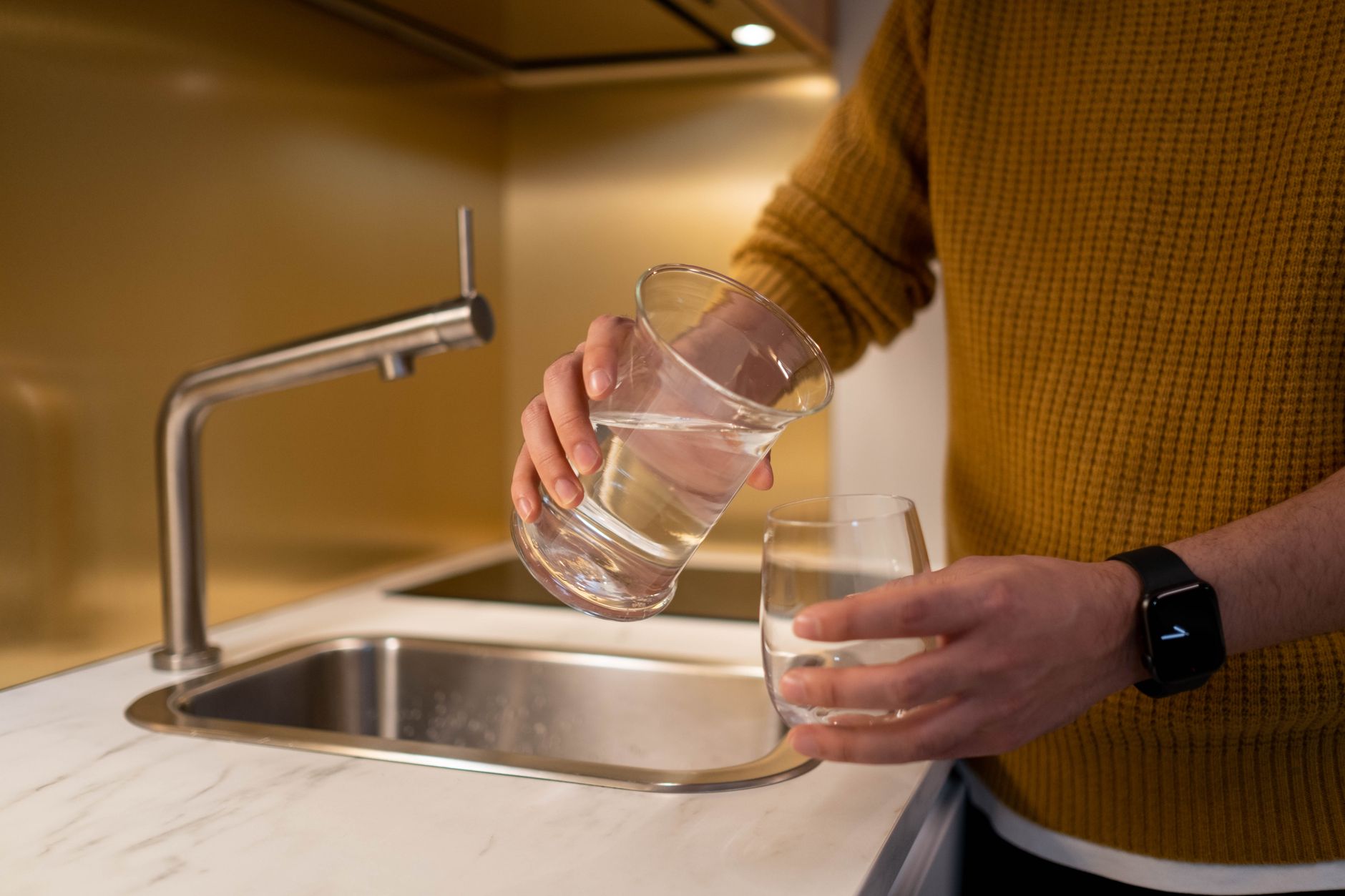 Photo by cottonbro studio / Pexels
Water filter pitchers are the most accessible form of home water filtration -- no installation, no plumber, no countertop footprint beyond the pitcher itself. But the range of pitchers varies significantly in what they actually remove from your water, how fast they filter, and what the real cost per gallon is once you factor in replacement filters. Here is what to evaluate.
What Water Filter Pitchers Actually Remove
Most pitcher filters use activated carbon filtration. Activated carbon effectively removes: chlorine and chloramine (the primary cause of tap water's taste and odor), some organic compounds, some herbicides and pesticides, certain heavy metals (lead and copper, to varying degrees). What most activated carbon filters do NOT remove: fluoride, nitrates, most dissolved minerals (calcium, magnesium -- these cause hard water), microorganisms (bacteria, viruses -- these require different filtration), pharmaceuticals. Ion exchange resins (added in some filters) remove heavy metals more effectively and can reduce total dissolved solids. ZeroWater pitchers use a 5-stage filter with ion exchange that removes virtually all dissolved solids (TDS), including fluoride -- but filters out beneficial minerals too and produces a flat-tasting water some people dislike. NSF certification tells you exactly what a filter removes. Look for NSF 42 (taste and odor) and NSF 53 (health contaminants including lead). Brita Standard filters are NSF 42 certified. Brita Elite (formerly Longlast) and ZeroWater are NSF 53 certified.
Filter Lifespan and Real Cost Per Gallon
The upfront cost of a pitcher is usually not the real cost. The replacement filter is where the ongoing expense lives. Brita Standard filter: rated 40 gallons, typically $7-10 each, replacement every 2 months for a family of 4 = approximately $0.20-0.25 per gallon. Brita Elite (Longlast) filter: rated 120 gallons, typically $15-18 each = approximately $0.13-0.15 per gallon -- better value per gallon but higher upfront per filter. PUR filter: rated 40 gallons, typically $10-14 each = $0.25-0.35 per gallon. ZeroWater filter: rated 15-25 gallons depending on source water TDS (harder water exhausts the filter faster), typically $15-20 each = $0.60-1.30 per gallon -- the highest ongoing cost by a significant margin. The filter replacement cost over 12 months often doubles or triples the "cost" of the pitcher. Calculate this before buying.

Filtration Speed: Why It Matters More Than You Think
Pitcher filter speed varies from 30 seconds to 15+ minutes for a full reservoir. A slow pitcher that takes 10 minutes to filter a 10-cup reservoir becomes a source of daily frustration -- you go to pour a glass and the reservoir is empty, then wait while it filters. Fast-filtering pitchers use coarser filter media; slow pitchers use denser media that removes more contaminants. ZeroWater pitchers are among the slowest due to the dense 5-stage filter. Brita Standard filters faster. If you drink large quantities of filtered water throughout the day, filtration speed is a genuine quality-of-life factor worth prioritizing.
Pitcher Capacity and Refrigerator Fit
Pitchers range from 5-cup to 18-cup (filtered capacity). Large pitchers hold more but may not fit in refrigerator door shelves. Standard refrigerator door shelves typically accommodate pitchers up to 10-11 inches tall. Measure your shelf height before buying a pitcher taller than 11 inches. Most buyers choose the largest pitcher that fits their refrigerator door for maximum between-refill convenience. Consider: the reservoir (unfiltered) capacity and the filtered water capacity are different numbers. A 10-cup pitcher might hold 6 cups of filtered water and a 4-cup reservoir above it.

Filter Change Indicators
Better pitchers include electronic filter change indicators that track water volume passed through the filter, not just time. Time-based indicators (some Brita Standard pitchers) remind you on a schedule regardless of actual use -- if you use the pitcher lightly, you change the filter more often than necessary. Volume-based indicators (Brita Elite, PUR, ZeroWater TDS meter) accurately reflect when the filter is actually exhausted. ZeroWater includes a TDS (total dissolved solids) meter -- you test your filtered water and replace the filter when TDS rises above 6 ppm. This is the most accurate indicator of actual filter exhaustion.
How We Researched Water Filter Pitcher Recommendations
We evaluated water filter pitchers across NSF certification coverage, filter lifespan and real cost per gallon at typical household usage, filtration speed for full reservoir capacity, refrigerator fit for standard door shelves, and contaminant removal data from third-party testing, cross-referencing with EPA water quality guidance and consumer filter testing from kitchen publications. Picks prioritize the combination of certification coverage and total cost of ownership, not just upfront price.
Watch Before You Buy
“10-cup pitcher with activated carbon filter that reduces chlorine taste and odor for better-tasting tap water — the Brita for households that buy bottled water and want to switch to filtered tap.…”
See Today’s Price →What we like
- NSF-certified Standard 42 and 53 filtration reduces chlorine taste and odor as well as lead from tap water
- Brita Standard filters are available in every major grocery chain and big-box store — the easiest filter to replace anywhere
- Electronic filter indicator on the lid tracks usage and reminds you when the filter needs replacing
Watch out for
- No current price listed — verify before purchasing
- Brita Standard filters do not remove fluoride, nitrates, or heavy metals beyond lead — verify against your local water quality report
Read Full Analysis
Our Top Pick at rank 1 on the how-to-choose-a-water-filter-pitcher-2026, the Brita Large Water Filter Pitcher earns its position through ubiquity as much as performance -- Brita Standard filters are available in every major grocery chain and big-box store, so a replacement filter is never more than a short errand away. NSF-certified Standard 42 and 53 filtration reduces chlorine taste and odor as well as lead from tap water, covering the two contaminants most commonly responsible for poor-tasting tap water in municipal systems. The 10-cup capacity covers a full household water supply for most days without constant refilling, and the electronic filter indicator on the lid tracks usage rather than requiring manual calendar tracking for replacement reminders. Against the Waterdrop Glass at $47.49 and the Aquagear at $69.95, the Brita covers a narrower contaminant spectrum -- Standard filters do not remove fluoride, nitrates, or heavy metals beyond lead. Households on municipal water where chlorine taste is the primary concern will find the Brita sufficient; households with well water or specific contaminant concerns should verify their local water quality report against Brita filtration specs before purchasing. The Longlast+ filter upgrade extends replacement intervals from 2 months to 6 months, reducing per-filter cost over time.
“This pitcher's body is glass rather than plastic, so it does not haze or hold odours the way a polycarbonate jug does over a few years.”
See Today’s Price →What we like
- This glass water filter pitcher is made from high-quality glass which is non-toxic and sustainable
- This water filter pitcher adopts 5-stage filter materials including advanced carbon fiber, ion exchange resin and
- The filter used in this glass pitcher has been certified against NSF/ANSI 42 for reduction of chlorine and taste
- The filter has an extended lifespan of 100 gallons (When tested in accordance with the NSF's protocol based on a
Watch out for
- Hand-wash recommended for some parts to extend coating or surface lifespan
- Counter space commitment may be challenging in very small kitchens
Read Full Analysis
Best Glass at rank 2 on the how-to-choose-a-water-filter-pitcher-2026 at $49.99, the Waterdrop Glass Water Filter Pitcher offers the key advantage its plastic competitors cannot match: a non-porous glass body that does not absorb flavors, odors, or any leachate from the filter medium over extended use. The 5-stage filtration including activated carbon fiber and ion exchange resin goes beyond the Brita Standard two-stage approach, targeting a broader contaminant range while NSF/ANSI 42 certification confirms chlorine and taste reduction has been independently tested. Glass construction requires more careful handling than the Brita plastic body -- dropping this pitcher means breakage rather than a dented seam -- and hand-wash care for the glass components extends vessel lifespan. At $28.33 versus the Brita baseline, the Waterdrop Glass commands a premium justified for households that prioritize material safety and do not want plastic in contact with their drinking water over time. The Aquagear at $69.95 offers an even wider filtration spectrum including fluoride removal; the Waterdrop Glass sits between the Brita on affordability and the Aquagear on filtration breadth. A 100-gallon filter lifespan reduces per-gallon replacement cost compared to shorter-life pitcher filters in this category.

“Removes 20X more contaminants than a traditional pitcher.”
See Today’s Price →What we like
- Removes 20X more contaminants than a traditional pitcher
- Keeps good minerals in
- Last 3X longer. Each Aquagear filter lasts 120 gallons—three times longer than most standard filters.
- Filter recycling included
Watch out for
- Hand-wash recommended for some parts to extend coating or surface lifespan
- Counter space commitment may be challenging in very small kitchens
Read Full Analysis
The Environmental Working Group (EWG) rates the Aquagear as a top-rated water filter pitcher, and Healthline names it Best for Contaminants — both organizations highlighting its NSF-certified ability to remove fluoride and heavy metals alongside the standard chlorine and sediment filtration that basic pitchers handle. Aquagear claims 20x more contaminant removal than a standard pitcher while preserving calcium and magnesium, which most aggressive filters strip along with the bad material. The filter longevity is a practical advantage: 150 gallons per filter versus 40 gallons for most Brita cartridges. That's roughly 3-4 months per filter for a household using 1-2 liters daily, versus monthly cartridge replacements with budget options. Aquagear includes a filter recycling program, and the pitcher is BPA-free. On this page against the Waterdrop Glass pitcher at $47.49, the Aquagear costs $20 more but addresses a broader contaminant spectrum and lasts significantly longer per filter, lowering the per-gallon cost over time. Best for households with lead service lines, older plumbing, or areas with fluoride in municipal water. EWG's tap water database can tell you what's in your local water before you buy — if the contaminant list is long, the Aquagear's NSF certification covers it. Skip it if you're on well-tested city water and only need basic taste and chlorine improvement — the Waterdrop at $20 less handles that use case.

“Plant-based filter in a sleek glass-like body with a wooden cap — the Soma for households where the pitcher sits on the counter and aesthetics matter alongside filtration. Compostable filter…”
See Today’s Price →What we like
- Plant-based coconut shell carbon filter is compostable at end of life — lower environmental impact than standard plastic filters
- BPA-free Tritan carafe is shatter-resistant and dishwasher safe for full carafe cleaning on a schedule
- Narrower form factor than Brita fits in most standard refrigerator door shelves without adjusting spacing
Watch out for
- No current price listed — confirm current availability before purchasing
- Soma filters require ordering directly or from specialty retailers — less widely available than Brita or PUR replacement filters
Read Full Analysis
The Soma Water Filter Pitcher uses a plant-based coconut shell carbon filter that is compostable at end of life — a meaningful differentiator from standard plastic cartridges that become non-recyclable waste after each replacement cycle. The BPA-free Tritan carafe is shatter-resistant and dishwasher-safe for thorough cleaning, and Soma's narrower form factor fits most standard refrigerator door shelves without adjusting spacing set for bottles and condiments. The filter addresses chlorine taste, heavy metals, and odor in a format designed to sit on the counter without looking utilitarian. On a water filter pitcher guide, the Soma fills the eco-focused design-conscious slot. The Waterdrop Glass Pitcher ($47.49) and Aquagear ($69.95) on this page are the premium glass and high-filtration alternatives. The Soma's main trade-off is filter availability: Brita and PUR replacement filters are stocked at virtually every grocery and hardware store; Soma filters require ordering directly or from specialty retailers, which means planning replacement purchases ahead of time. Right for households where the pitcher sits on the counter and the compostable filter and design quality matter alongside filtration. Skip it if replacement filter convenience is a priority — Brita and PUR filters are universally available on-demand without advance planning.
“Raises water pH to alkaline levels while filtering contaminants — the Seychelle pH20 for households that want ionized alkaline water without the $79.95+ cost of an under-sink system. pH testing…”
See Today’s Price →What we like
- Alkaline filter raises water pH above 7 — preferred by users following an alkaline diet or managing acid reflux symptoms
- Seychelle filter claims up to 99.99% removal of radiological, chemical, and biological contaminants beyond standard carbon filters
- pH-balanced output differentiates it from standard activated-carbon pitchers that only address taste and odor
Watch out for
- No current price listed — verify before purchasing
- Alkaline health benefit claims for generally healthy adults are not broadly validated by independent clinical research
Read Full Analysis
The Seychelle pH20 raises filtered water pH above 7 into alkaline range through its filter media, serving the preference for alkaline water without the $400+ cost of an under-sink ionizer system. Seychelle claims filtration of radiological, chemical, and biological contaminants beyond standard activated-carbon filters that address primarily taste and odor. pH testing strips are included to verify the actual output pH level of each batch — a useful verification tool given that filter performance shifts as cartridges approach end of life. On a water filter pitcher guide, the Seychelle fills the alkaline-specific niche against the Waterdrop Glass Pitcher ($47.49) and Aquagear ($69.95), which focus on filtration volume and contaminant removal without pH modification. The Seychelle adds the pH adjustment layer for households where alkaline output is the specific requirement. Important context: alkaline water health claims for generally healthy adults — improved hydration, antioxidant properties — are not broadly validated by independent clinical research, and the evidence base consists primarily of manufacturer studies and anecdotal reports. Right for households already committed to alkaline water consumption who want a pitcher-format alternative to expensive ionizer systems. Skip it if alkaline water is not a specific preference — a standard activated-carbon pitcher covers taste and odor improvement at lower cost without the pH modification layer.
Frequently Asked Questions
What is the difference between Brita and ZeroWater filters?
Do water filter pitchers remove fluoride?
How long do water filter pitcher filters last?
Are water filter pitchers NSF certified?
How do I know when to replace my water filter pitcher filter?
Will a water filter pitcher fit in my refrigerator?
How We Analyze Products
We analyze Amazon review data — often thousands of reviews per product — to surface patterns that individual buyers miss. Our process aggregates star ratings, review counts, and buyer sentiment at scale, identifying which strengths and weaknesses appear consistently across the largest review samples available. The 69,466+ reviews analyzed on this page represent real verified-purchase feedback from Amazon buyers.
Each product earned its placement through data: total review volume, average rating, and the specific praise and complaints that repeat most often across buyers. No manufacturer paid for placement on this page. Products appear here because buyers endorsed them at scale, not because a company asked us to feature them.
We use AI to summarize review sentiment — not to fabricate opinions, but to condense what thousands of buyers actually wrote into a readable format. The pros and cons you see reflect the most common themes found in verified purchaser reviews, paraphrased for clarity. We do not claim to have accessed Reddit, YouTube, or specific publications in generating these summaries.
Prices shown reflect Amazon pricing at the time this page was last generated. Click “See Today’s Price” to get the current live price on Amazon. Read our full methodology →