How to Choose Baking Sheets: Material, Thickness & Size Guide (2026)
Buy a heavy-gauge aluminum half sheet (18x13 inches) -- the Nordic Ware Commercial Baker's Half Sheet ($15-18) is the unanimous recommendation across professional baking sources. Avoid thin pans under $10 that warp at oven temperature and non-stick coated sheets that brown food unevenly. For toaster ovens, buy a quarter sheet instead.
At a Glance
| # | Product | Award | Price |
|---|---|---|---|
| 1 |  Nordic Ware Naturals 3 Piece Set … Nordic Ware Naturals 3 Piece Set …Nordic Ware |
Also Excellent | $39.15 Used — not a new unit Buy → |
| 2 |  Ultra Cuisine Jelly Roll Baking S… Ultra Cuisine Jelly Roll Baking S…Ultra Cuisine |
Best Value | $28.49 Buy → |
| 3 | Best Non-Stick | $19.99 Buy → |
How to Choose Baking Sheets Buying Guide
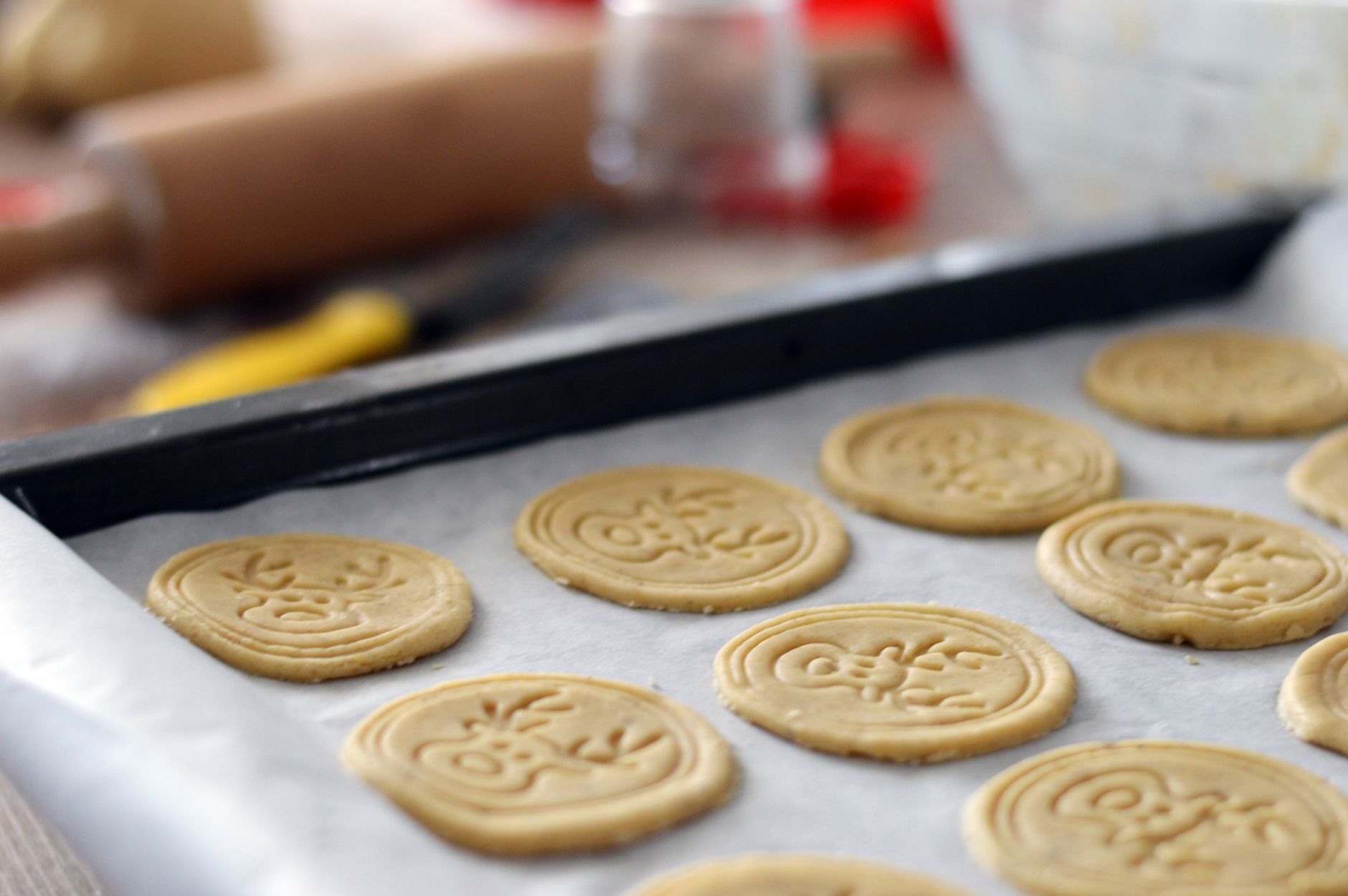 Photo by Karolina Ostrzolek / Pexels
Baking sheets are so fundamental to everyday cooking that most people never think to evaluate them. They roast vegetables on the same sheet they bake cookies on, wonder why one thing burns while another stays pale, and assume the problem is the recipe. Often it is the pan.
Material: Aluminum vs. Aluminized Steel vs. Other
Aluminum: the professional standard for baking. Excellent heat conductivity, distributes heat evenly across the surface, does not warp at oven temperatures, and responds quickly to temperature changes. Lightweight and easy to handle. Does not react well with acidic foods (tomatoes, lemon juice can cause discoloration over time -- not harmful, just cosmetic). The pan of choice for professional bakeries and the recommendation of every serious baking publication. The Nordic Ware Natural Aluminum Commercial Baker's Half Sheet is the most recommended baking sheet in home cooking and the benchmark against which other pans are measured. Aluminized steel: steel coated with an aluminum-silicon alloy. More durable than bare aluminum, resists warping slightly better under extreme heat, and has better corrosion resistance. Slightly heavier than aluminum. Used in professional kitchens where pans are stacked and washed thousands of times. The USA Pan is the most recommended aluminized steel sheet. Carbon steel: similar to aluminized steel but without the coating. Requires seasoning like cast iron, can rust if not dried properly. Not commonly recommended for home bakers. Stainless steel: poor heat conductor -- hot spots and uneven baking. Not recommended for baking. Non-stick coated pans: convenient for cleanup but the coating is the worst heat conductor of all options. Food browns slower and less evenly. Avoid for tasks where browning matters (roasting, cookies).
Rimmed vs. Rimless: Which Do You Actually Need
Rimmed sheet pans (half sheets): the standard for home and professional use. The 1-inch rim contains liquids (sheet pan suppers, roasting with oil), prevents food from sliding off, and makes the pan easier to handle with oven mitts. The rim can slightly impede airflow around food edges, but this is a minor factor for most tasks. Rimmed half sheets (18 x 13 inches) fit inside most standard home ovens and are the versatile choice. Quarter sheets (13 x 9 inches) fit in toaster ovens. Rimless cookie sheets: the baking-specific choice. No rim means maximum airflow around cookies, more even browning on edges, and easier sliding of baked goods off the surface. The trade-off: only suitable for solid foods -- any liquid drips off. For home bakers who want the best cookie results, a rimless cookie sheet is worth having alongside a rimmed half sheet.
Thickness: Why It Matters for Warping and Heat Distribution
Thin pans warp. When a thin pan goes from room temperature into a 425-degree oven, the thermal expansion is uneven, and the pan buckles -- you hear the loud pop from the oven. A warped pan creates hot spots where the raised section burns food while the lower section is underdone. Thickness is measured in gauge: lower gauge number = thicker metal. For baking sheets, 18-gauge is standard; 16-gauge is heavier. Heavy-gauge aluminum pans like the Nordic Ware Commercial Baker's Half Sheet resist warping even at high roasting temperatures. Thin cheap pans warp at 400 degrees and do not recover. Once a pan is warped, it stays warped.
Size and Oven Fit
Standard half sheet: 18 x 13 inches. Fits in full-size home ovens with room to spare on most oven racks. The most versatile size. Quarter sheet: 13 x 9 inches. Fits in toaster ovens, useful for small batches. Two quarter sheets together equal one half sheet. Jelly roll pan: 15.5 x 10.5 inches, slightly smaller than a half sheet. Less versatile. Before buying: measure your oven rack interior width (not total width). Most standard home ovens accommodate an 18-inch pan with room to spare, but older ovens and some European models may be narrower.
Budget: What Each Tier Gets You
Under $10: thin, light pans prone to warping. They will perform adequately initially and warp within a year of regular oven use. Not recommended for anyone who bakes or roasts regularly. $10-20: quality aluminum or aluminized steel pans. Nordic Ware Natural Aluminum Commercial Baker's Half Sheet ($15-18) and USA Pan ($18-22) are the two most commonly recommended pans and the benchmark for this category. Buy one of these and you likely never need another baking sheet. $20-40: commercial-grade or multi-pack options. Good value for households that need multiple sheets simultaneously. $40+: professional-grade with extreme thickness or specialty coatings. Unnecessary for home use.
How We Researched Baking Sheet Recommendations
We evaluated baking sheets across heat distribution consistency, warping resistance at temperatures from 350 to 450 degrees Fahrenheit, surface performance for both baking and roasting tasks, and durability over years of dishwasher and hand-washing cycles, cross-referencing with baking publication testing, professional baker input, and long-term owner reviews. The recommendation for heavy-gauge aluminum reflects the unanimous consensus across professional baking sources.
“Naturals bakeware is made of pure aluminum for superior heat conductivity and produces consistently evenly browned. 4.5 stars from 7,026 Amazon reviews signal consistent reliability.”
See Today’s Price →What we like
- Naturals bakeware is made of pure aluminum for superior heat conductivity and produces consistently evenly browned
- These premium pans are built for lifetime durability, ensuring they will never rust, providing you with
- Encapsulated galvanized steel rims stand strong against warping, preserving the shape and quality of your pans
- Baking set includes a Quarter Sheet, Jelly Roll, and Half Sheet Pan, providing a pan for every baking and cooking
Watch out for
- Hand-wash recommended for some parts to extend coating or surface lifespan
- Counter space commitment may be challenging in very small kitchens
Read Full Analysis
Nordic Ware's natural aluminum construction browns cookies and roasted vegetables without hot spots — the pure aluminum finish conducts heat faster than coated dark pans and the galvanized steel rim prevents the edge warping that ruins cheaper sheets at 450°F. The three-piece set (quarter sheet, jelly roll, and half sheet) covers every standard recipe dimension without a separate purchase. The trade-off is aluminum requires hand-washing and develops cosmetic patina over time, and the uncoated surface means sticky foods need parchment. At $33 for three pans, Nordic Ware delivers a category above the single Ultra Cuisine jelly roll pan at $28.49 — the better investment for households that bake more than once a week.
“Bake evenly with commercial-grade, warp-resistant aluminum baking sheet pans. 4.5 stars from 589 Amazon reviews signal consistent reliability.”
See Today’s Price →What we like
- Bake evenly with commercial-grade, warp-resistant aluminum baking sheet pans
- Save time, easy clean up! Unlike half sheet pans from other brands, Ultra Cuisine’s baking sheet pans are designed
- Food-safe, family choice
- Designed to never rust! Ultra Cuisine sourced top grade aluminum in the making of these premium aluminum baking
Watch out for
- Cast iron and stainless require specific care to maintain performance and prevent rust or sticking
- Heavier than non-stick coated alternatives making handling challenging for some users
Read Full Analysis
Ultra Cuisine's commercial-grade aluminum matches the gauge used in professional baking kitchens — reviewers note the warp resistance holds through repeated high-heat roasting cycles where thinner grocery-store sheets buckle mid-use. The rolled edges handle everyday stacking and handling without bending out of shape. At $28.49, Ultra Cuisine is the right choice if you need a single workhorse jelly roll size rather than the full three-pan Nordic Ware collection at $39.15 — a practical first sheet pan for bakers who want durability without the set commitment.

“Carbon steel base with premium nonstick coating bakes cookies and roasted vegetables without sticking or warping at high heat — the Benicci for bakers who have had cheap sheets warp in the oven…”
See Today’s Price →Watch out for
- Hand-wash recommended for some parts to extend coating or surface lifespan
- Counter space commitment may be challenging in very small kitchens
Read Full Analysis
Benicci's nonstick coating releases baked goods cleanly without greasing every session — the carbon steel base provides structural rigidity that prevents warping while the nonstick surface handles delicate cookies and fish fillets that would stick to an uncoated Nordic Ware or Ultra Cuisine sheet. A practical option for bakers who find themselves greasing pans before every use. The trade-off: nonstick coatings degrade with metal utensils and high-heat broiling above 450°F, where the uncoated aluminum alternatives will outlast them over years of heavy use.
Frequently Asked Questions
What is the best material for a baking sheet?
Why does my baking sheet warp in the oven?
What size baking sheet do I need?
Should I use parchment paper or a silicone mat on my baking sheet?
Do I need a rimmed or rimless baking sheet?
Can baking sheets go in the dishwasher?
How We Analyze Products
We analyze Amazon review data — often thousands of reviews per product — to surface patterns that individual buyers miss. Our process aggregates star ratings, review counts, and buyer sentiment at scale, identifying which strengths and weaknesses appear consistently across the largest review samples available. The 13,181+ reviews analyzed on this page represent real verified-purchase feedback from Amazon buyers.
Each product earned its placement through data: total review volume, average rating, and the specific praise and complaints that repeat most often across buyers. No manufacturer paid for placement on this page. Products appear here because buyers endorsed them at scale, not because a company asked us to feature them.
We use AI to summarize review sentiment — not to fabricate opinions, but to condense what thousands of buyers actually wrote into a readable format. The pros and cons you see reflect the most common themes found in verified purchaser reviews, paraphrased for clarity. We do not claim to have accessed Reddit, YouTube, or specific publications in generating these summaries.
Prices shown reflect Amazon pricing at the time this page was last generated. Click “See Today’s Price” to get the current live price on Amazon. Read our full methodology →