How to Choose Cookware Material: Pots & Pans Guide 2026
Stainless steel (All-Clad D3 at $160) handles the widest cooking range and lasts decades. Nonstick (Calphalon 8+10-inch at $55) is the right choice for eggs and delicate fish — replace it every 3-5 years. Carbon steel (Lodge $40) bridges both worlds.
How to Choose Cookware Material Buying Guide
 Photo by Anna Romanova / Pexels
Cookware material determines how your pans heat, how long they last, and what they can and can't cook. The same meal cooked in a stainless steel pan and a nonstick pan produces different results — and that difference matters before you spend $50 or $500 on a set. This guide explains what each material does well and which type matches how you actually cook.
The Four Main Cookware Materials Compared
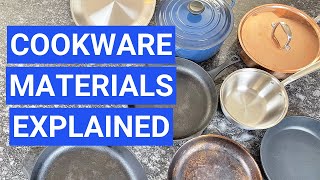
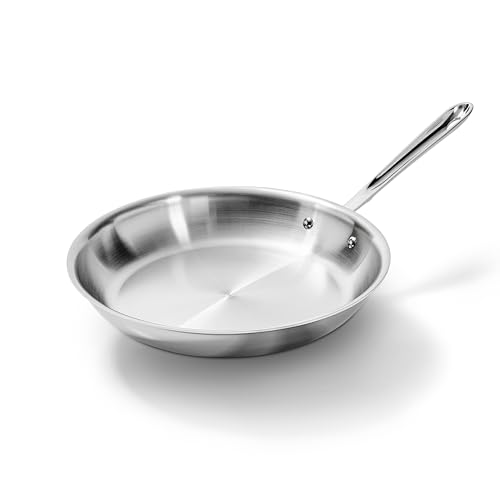
Stainless steel is the most versatile pan material — it handles high-heat searing, oven use, and deglazing for pan sauces. All-Clad D3 Stainless 12-Inch ($139.99) is the benchmark: 3-ply construction with an aluminum core for even heating. The tradeoff is that food sticks without proper preheating and oil. Nonstick pans (PTFE or ceramic) are the easiest to cook eggs, fish, and pancakes — Calphalon Classic 8+10-inch set is the sensible starter. The tradeoff: coating degrades in 3-5 years and you cannot use high heat. Carbon steel is stainless steel's tougher sibling — the Lodge Seasoned Carbon Steel 10-inch develops a natural nonstick surface over time and handles higher heat than a coated nonstick. Cast iron (Lodge 10.25-inch at $25) is the heaviest option but retains heat longest, making it ideal for searing and cornbread. Ceramic (GreenPan Valencia Pro 8-inch at $70) is PTFE-free nonstick — similar to traditional nonstick but more heat-tolerant and free of PFAS chemicals.
Choosing by How You Actually Cook
For eggs and delicate fish every morning: nonstick or ceramic. A $25-40 nonstick frying pan is the right tool — don't overthink this. For searing steak, browning chicken, making pan sauces: stainless steel. It's the only material that fully supports the Maillard reaction without coating concerns at 450-500°F. For wok cooking, high-heat stir fry, camping, or wanting a pan that seasons like cast iron but weighs 40% less: carbon steel. For low-and-slow braising, cornbread, and dishes that go from stovetop to oven: cast iron. Most home cooks benefit from two pans: one 10-inch stainless or carbon steel for high heat, one 10-inch nonstick for delicate foods.
Price Tiers: What You Get at Each Level
Under $54.99: Amazon Basics Non-Stick 15-Piece or Calphalon Classic set ($55). Adequate cooking performance, coating degrades in 3-5 years. For budget cooks or renters who move frequently, this is fine. $60-150: GreenPan Valencia Pro, Lodge Carbon Steel, or Lodge Cast Iron ($25-30). Longer lifespan, better heat performance. Carbon steel and cast iron improve with use. $139.99+: All-Clad D3 Stainless ($139.99 per pan) or HexClad Hybrid ($149-196). Restaurant-grade performance, dishwasher-safe stainless, decades of use. Worth it if you cook daily and want to buy once.
What Materials Are Overrated
Granite-coated pans (speckled appearance, marketed as stone) are PTFE nonstick with decorative coating. Same lifespan as standard nonstick, often worse heat distribution. Copper-clad stainless: copper conducts heat better but requires polishing and reacts with acidic foods. At home cook volumes, the improvement over 3-ply aluminum-core stainless is marginal. Ceramic pans on induction: verify the pan base is magnetic before buying — many ceramic pans are not induction-compatible.
How We Put This Guide Together
Products were evaluated at their actual retail price for value delivered at each tier.
Watch Before You Buy
“Tri-ply bonded construction ensures even, consistent heat distribution. 4.5 stars from 3,036 Amazon reviews signal consistent reliability.”
See Today’s Price →What we like
- Tri-ply bonded construction ensures even, consistent heat distribution
- Oven and broiler safe up to 600°F
- Dishwasher safe and built to last decades with proper care
Watch out for
- Premium price is a significant investment compared to mid-range pans
- Heavier than nonstick or single-ply alternatives
- Requires more oil or butter than nonstick to prevent sticking
Read Full Analysis
Tri-ply bonded construction ensures even, consistent heat distribution Premium price is a significant investment compared to mid-range pans Heavier than nonstick or single-ply alternatives Compared to the GreenPan Valencia Pro Ceramic Nonstick 8" Frying Pan on this page, the All-Clad All-Clad D3 Stainless 3-Ply 12-Inch Fry Pan costs $90 more but may offer additional features or brand support worth considering for serious users.

What we like
- Pre-seasoned (factory seasoning is basic but gives a head start), Lodge brand reliability, affordable entry price
Watch out for
- Thinner gauge than Matfer or de Buyer — slightly less durable long-term

“PFAS-free Thermolon ceramic coating — no toxic fumes. 4.2 stars from 847 Amazon reviews signal consistent reliability.”
See Today’s Price →What we like
- PFAS-free Thermolon ceramic coating — no toxic fumes
- Induction compatible
- Hard anodized body distributes heat evenly
Watch out for
- Ceramic nonstick degrades faster than PTFE with high heat
- Handwashing recommended
Read Full Analysis
GreenPan's Thermolon ceramic coating is the standout for health-conscious cooks — no PFAS, PFOA, lead, or cadmium in the manufacturing process, so no toxic fumes even if the pan accidentally overheats, unlike PTFE-coated alternatives. The hard-anodized aluminum body distributes heat evenly and the induction-compatible base makes the Valencia Pro one of the few PFAS-free options that works on all cooktop types including induction. The trade-off is well-documented: ceramic nonstick degrades faster than PTFE at sustained high heat, with reviewers typically reporting 2–3 years of peak nonstick performance vs. the 5+ years Calphalon's PTFE coating provides. It costs more than the Calphalon Classic two-pan set at $54.99 but is the right choice for cooks avoiding synthetic coatings — and a fraction of the All-Clad D3 for those who want nonstick without stainless steel's learning curve.
Frequently Asked Questions
What is the best cookware material for beginners?
Is stainless steel or nonstick better?
How long do nonstick pans last?
Is carbon steel better than cast iron?
What cookware material is safe to use?
How We Chose These Products
We compare each product’s Amazon listing, the manufacturer’s published specifications and Amazon customer ratings, shown with their review counts as Amazon’s data, and rank the products on how well they answer this page’s question. We do not test products in hand and we do not run our own analysis of review text. A publication or expert is named only where we cite its published findings about that product. No manufacturer paid for placement on this page.
A price appears only when Amazon’s API supplied it at a recent daily refresh, with the date and time beside it, and is withdrawn at 4 AM Central on the day after it turns 24 hours old; otherwise use “Check price on Amazon” for the live price. Read our full methodology →