How to Store Leftovers Safely: Fridge, Freezer & Container Guide (2026)
Refrigerate cooked food within 2 hours of cooking (1 hour if above 90 degrees). Use airtight containers -- glass for acidic foods, BPA-free plastic or glass for everything else. Most cooked leftovers are safe for 3-4 days in the fridge. Rice is higher risk: refrigerate within 1 hour and use within 1-2 days. Label freezer items with date and contents.
At a Glance
| # | Product | Award | Price |
|---|
How to Store Leftovers Safely Buying Guide
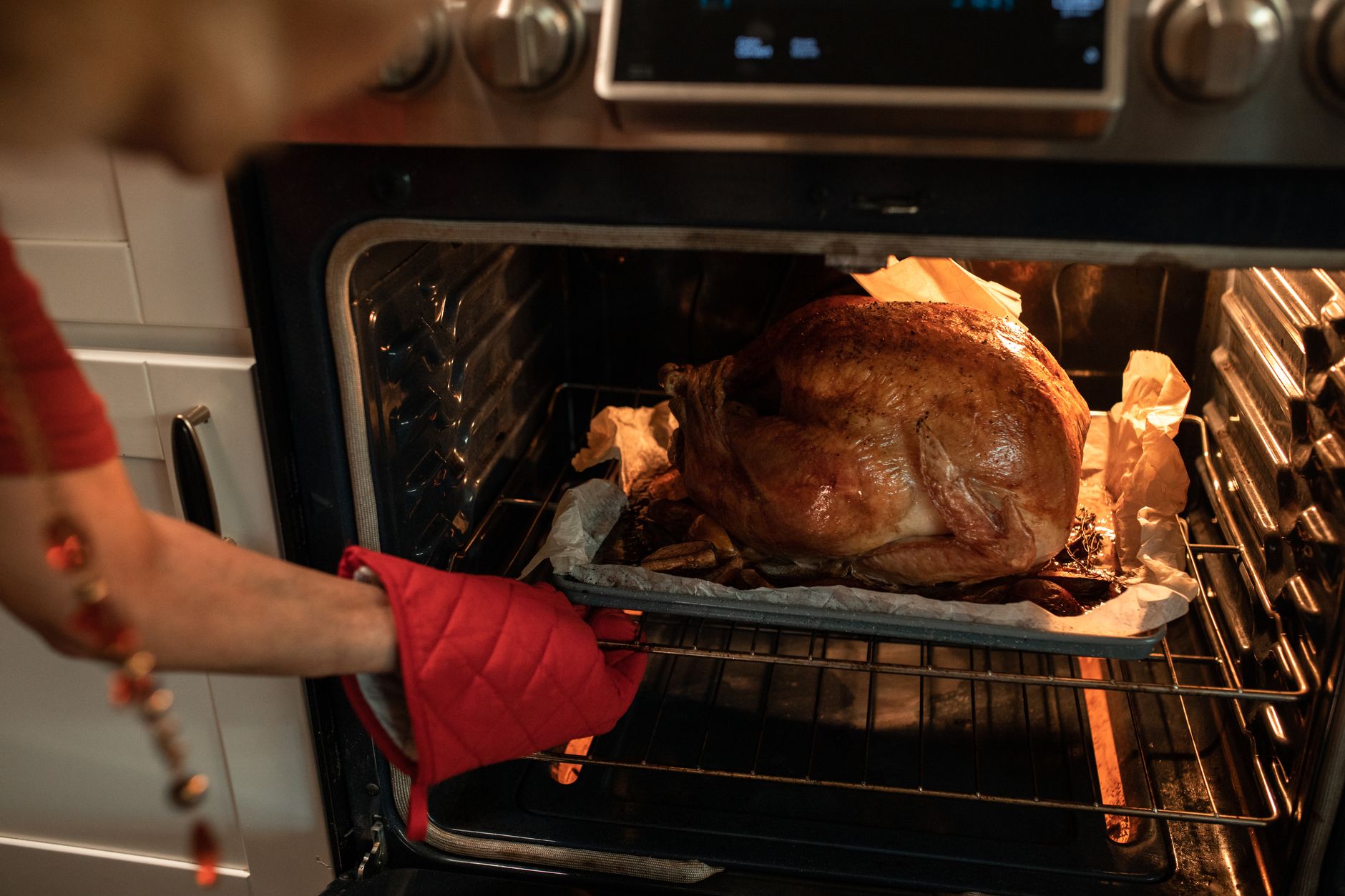 Photo by RDNE Stock project / Pexels
Most food safety mistakes happen during leftover storage, not during cooking. The window between cooking and refrigerating, the container you choose, and how long you keep things are all points of failure that cause foodborne illness -- even when the food was cooked safely and smells fine when you eat it.
The Two-Hour Rule: Why It Matters More Than You Think
Cooked food left at room temperature enters the "danger zone" (40-140 degrees Fahrenheit) where bacteria multiply rapidly. The USDA's two-hour rule: cooked food must be refrigerated within two hours of cooking, or within one hour if the ambient temperature is above 90 degrees (outdoor events, hot kitchens in summer). This rule is not conservative -- at room temperature, bacteria like Salmonella, Clostridium perfringens, and Staphylococcus aureus can double every 20 minutes. A dish that was safe at the two-hour mark may have dangerous bacterial levels at hour three. The common mistake: leaving food in the serving dish on the counter while the meal continues, then refrigerating it 3-4 hours later. The food may look and smell fine but be unsafe. Hot food does not need to cool to room temperature before refrigerating -- modern refrigerators handle the load. Divide large quantities into smaller shallow containers to speed cooling.
Container Choice: What Actually Matters for Safety and Quality
Airtight containers: the most important property for leftover storage. An airtight container prevents contamination from other foods, stops moisture loss that dries out food, and limits bacterial transfer. Any container -- glass, plastic, or silicone -- that seals airtight works. Glass containers: do not absorb odors or stains, do not leach chemicals, go safely from freezer to microwave to dishwasher, and last indefinitely. Better for acidic foods (tomato sauce, citrus-based dishes) than plastic, which stains and absorbs odors from acids. Heavy and may break if dropped. Plastic containers (BPA-free): lighter, less fragile, lower cost. Fine for most foods. Avoid microwaving in plastic -- transfer to a plate or glass container. Not ideal for strongly acidic or fatty foods stored long-term (the plastic absorbs compounds that cause permanent odor). Zip-top bags: excellent for soups and liquids (lay flat to freeze efficiently), raw and cooked proteins, and produce. Remove as much air as possible. Single-use but inexpensive; reusable silicone bags are a sustainable alternative.
Refrigerator Storage Times by Food Type
Cooked meat and poultry: 3-4 days. Cooked fish and seafood: 3-4 days (more conservative cooks use 2 days). Soups, stews, and braises: 3-4 days. Cooked grains (rice, pasta, quinoa): 3-5 days. Cooked vegetables: 3-5 days. Casseroles and mixed dishes: 3-4 days. Hard-boiled eggs (in shell): 1 week. Sliced deli meats: 3-5 days after opening. These are safety guidelines, not quality guidelines -- food may still be safe at the outer limit but taste noticeably less fresh. When in doubt, the rule: if you do not remember when you made it, do not eat it.
Freezer Storage: Maximizing Quality
Freezing stops bacterial growth entirely -- a food that is properly frozen is safe indefinitely from a food safety standpoint. However, quality degrades over time from freezer burn and oxidation. Guidelines for maintaining quality (not safety): cooked meat and poultry 2-6 months. Soups and stews 2-3 months. Cooked fish 1-3 months. Cooked grains and pasta 1-2 months. Casseroles 2-3 months. Freezer burn: caused by moisture loss from ice crystal sublimation. Prevention: use airtight packaging, remove as much air as possible, and use freezer-specific bags or containers rated for freezer use. Labeling: always label with the date and contents. Frozen food is not visually identifiable after several months and you will not remember what it is or when you froze it.
Foods That Should Never Be Stored (or Need Special Handling)
Rice: cooked rice is a high-risk leftover. Bacillus cereus spores survive cooking and germinate when rice cools slowly. Refrigerate cooked rice within 1 hour, and use within 1-2 days. Never reheat rice more than once. Eggs in sauce: dishes containing eggs (hollandaise, carbonara, egg-based casseroles) should not be held for more than 2 days and must be reheated to 165 degrees. Stuffed poultry: do not store whole stuffed birds. Remove stuffing from the bird before refrigerating -- the interior of the stuffing takes too long to cool safely. Cut melon and other high-water-content fruits: refrigerate and use within 3 days. Potato dishes: cooked potatoes can harbor Clostridium botulinum spores if wrapped tightly in foil while still warm -- unwrap and refrigerate promptly.
How We Researched These Recommendations
We reviewed USDA FSIS food safety guidelines, FDA food code recommendations, and peer-reviewed food science research on bacterial growth rates in cooked food at various temperatures, cross-referencing with guidance from food safety extension services at major US universities. Storage time recommendations reflect the safety-based consensus, not just quality-based estimates from recipe sites that often overstate safe storage periods.
How We Analyze Products
We analyze Amazon review data — often thousands of reviews per product — to surface patterns that individual buyers miss. Our process aggregates star ratings, review counts, and buyer sentiment at scale, identifying which strengths and weaknesses appear consistently across the largest review samples available.
Each product earned its placement through data: total review volume, average rating, and the specific praise and complaints that repeat most often across buyers. No manufacturer paid for placement on this page. Products appear here because buyers endorsed them at scale, not because a company asked us to feature them.
We use AI to summarize review sentiment — not to fabricate opinions, but to condense what thousands of buyers actually wrote into a readable format. The pros and cons you see reflect the most common themes found in verified purchaser reviews, paraphrased for clarity. We do not claim to have accessed Reddit, YouTube, or specific publications in generating these summaries.
Prices shown reflect Amazon pricing at the time this page was last generated. Click “See Today’s Price” to get the current live price on Amazon. Read our full methodology →