Instant Pot vs Slow Cooker vs Dutch Oven 2026
Buy an Instant Pot if you want to cook braised meals on weeknight evenings (quick). Buy a slow cooker if you want to prep in 10 minutes before work and come home to dinner done. Buy a Dutch oven if you cook on weekends and prioritize the best possible flavor over convenience. Most households benefit from owning at least two of the three — a slow cooker for weekdays, and a Dutch oven for weekend cooking.
Instant Pot vs Slow Cooker vs Dutch Oven Buying Guide

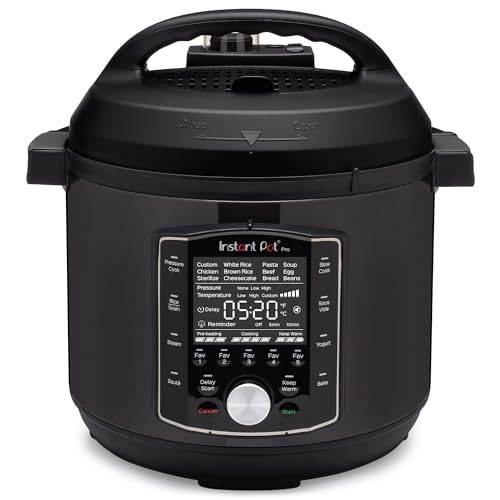
Quick Verdict: Our top pick is the Instant Pot Pro 10-in-1 Pressure Cooker 6Qt (Best Instant Pot — Instant Pot Pro 10-in-1) — The most versatile multi-cooker available. Priced at $129.99.
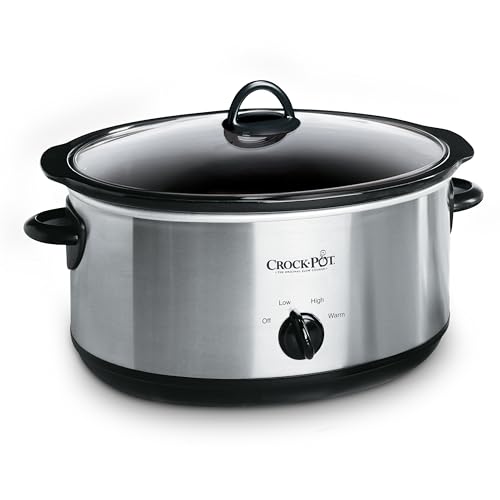
Budget Pick: The Crock-Pot 7 Quart Oval Manual Slow Cooker at $47.99 — The original and still the standard.
Quick verdict: Buy an Instant Pot if you want to cook braised meals on weeknight evenings (quick). Buy a slow cooker if you want to prep in 10 minutes before work and come home to dinner done.
Who This Guide Is For
This guide is for you if:
- You're deciding between competing cooking appliances and want honest trade-off analysis
- You're short on counter space and budget, and need to know which appliances pull their weight
- You want to know if you'll actually use each appliance before spending $100-300
Skip this guide if:
- You already know which appliance you want and just need the best model
- You have unlimited counter space — this is for people making active trade-off decisions
How Each Appliance Actually Works

Instant Pot: How Pressure Cooking Works
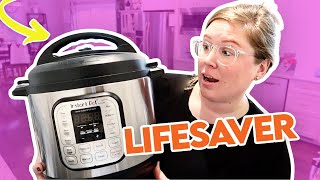
Instant Pot (electric pressure cooker): Seals a pressurized environment inside the pot. As pressure rises, the boiling point of water increases (above 212°F), cooking food at higher temperatures than any open-top method. A beef stew that takes 3 hours in a Dutch oven takes 35–45 minutes under pressure. The pot then depressurizes (naturally or via quick release) and you open to finished food. Modern multi-cookers also do slow cooking, sautéing, steaming, rice cooking, and yogurt making from the same pot.

Slow Cooker: Low and Slow, Fully Hands-Free
Slow Cooker (Crock-Pot): Applies low, constant heat (typically 175–200°F on Low, 190–210°F on High) for 4–10 hours. Zero pressure. The long, gentle heat breaks down tough collagen in cheap cuts (chuck, shoulder, shanks) into gelatin, producing fall-apart tender, rich braised dishes. Unlike pressure cooking, slow cooking concentrates flavors slowly — the difference in final depth of flavor is real and meaningful.
Dutch Oven: Active Cooking, Maximum Flavor
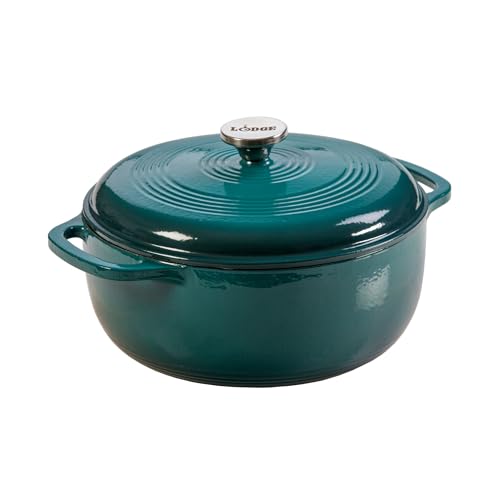
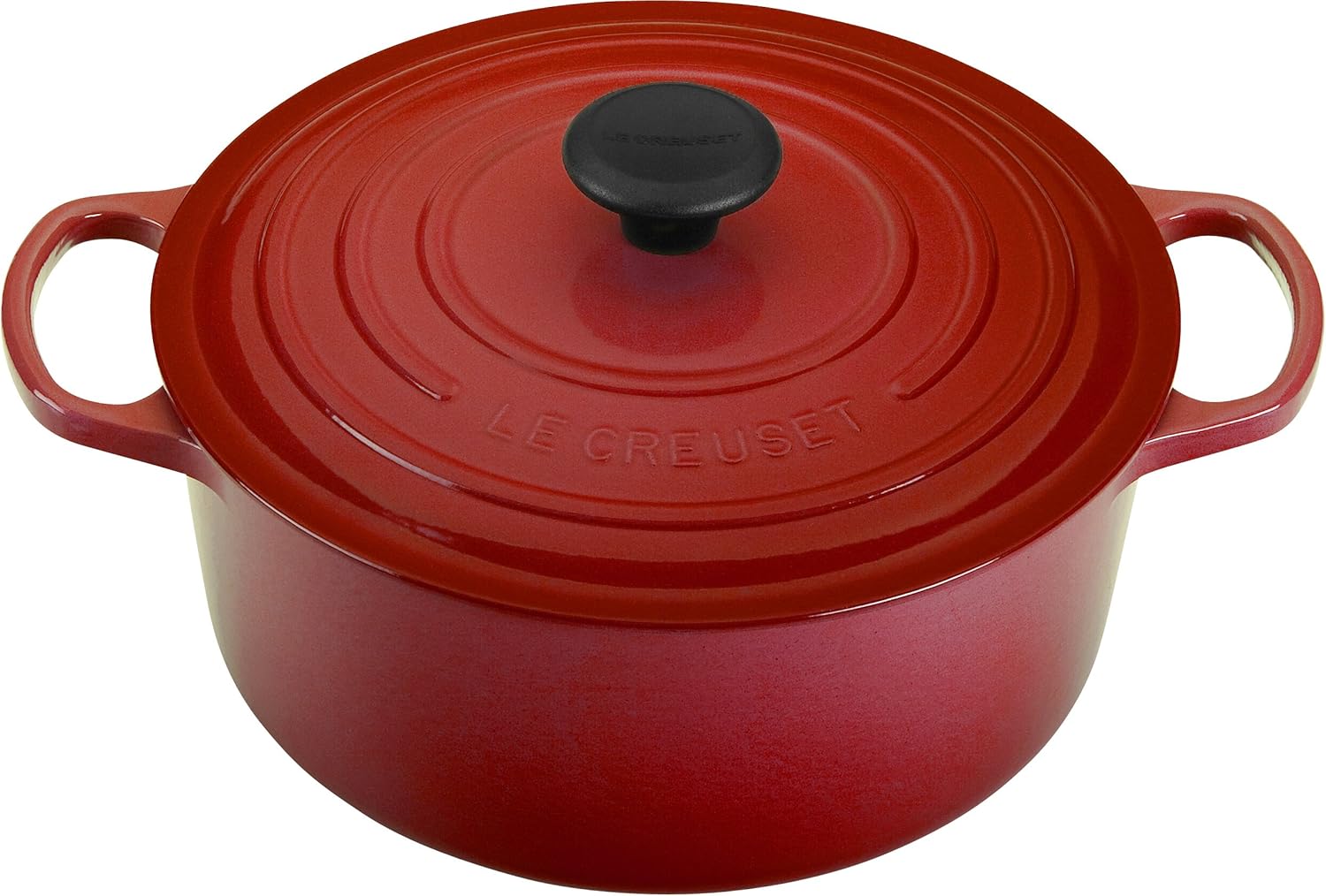
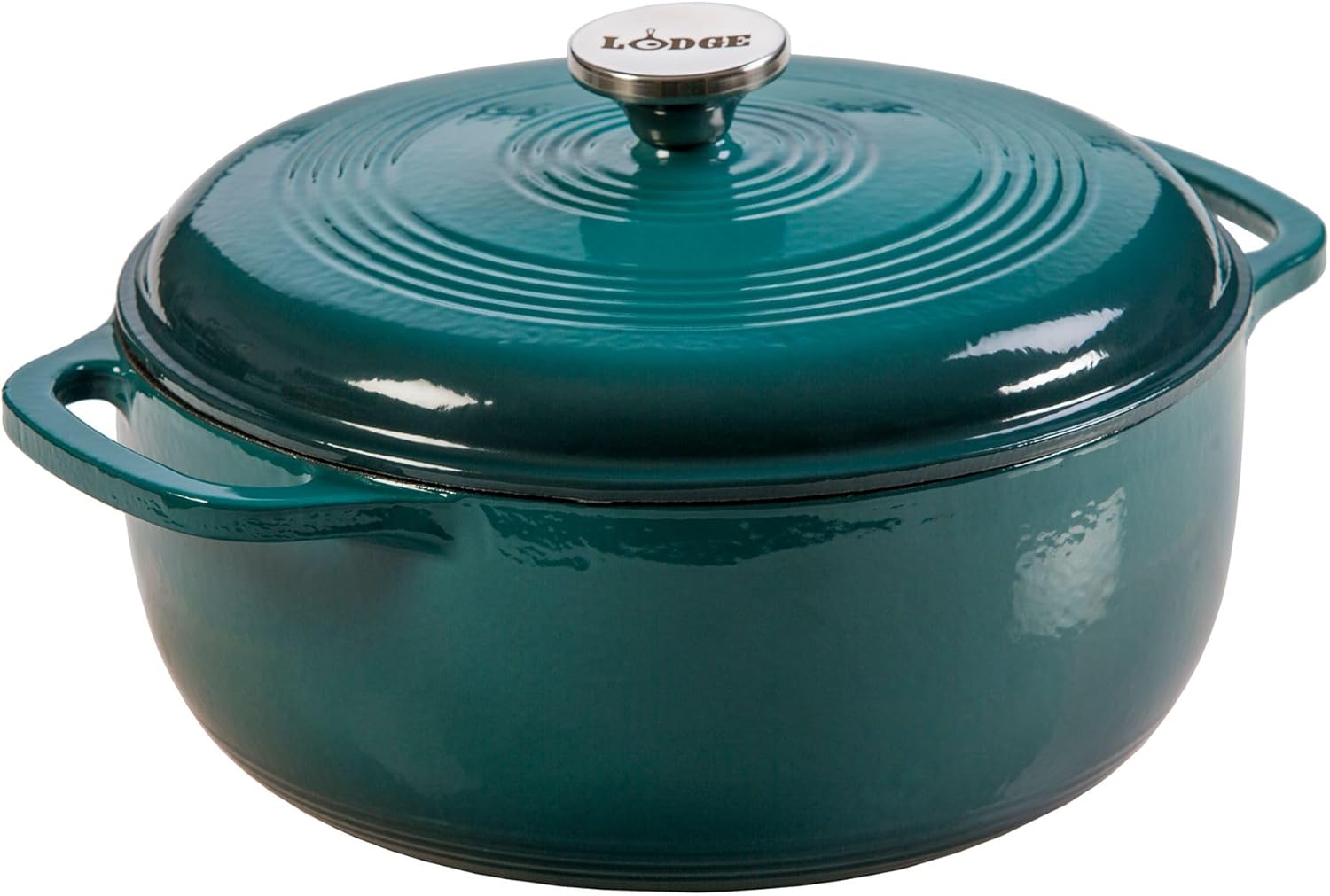
Dutch Oven: A heavy-walled, tight-lidded pot (cast iron or enameled cast iron) that goes on the stovetop and into the oven. Unlike the other two, it starts with high-heat searing directly in the pot. You brown the meat (creating fond), sauté aromatics in the rendered fat, deglaze, add braising liquid, cover, and put in a 275–325°F oven for 2–3 hours. The result is the most flavorful braise possible — Maillard browning, fond-based sauces, and slow oven heat that cooks evenly from every direction.
How We Chose
We researched dozens of options, analyzed thousands of verified reviews on Amazon and Reddit, and cross-referenced expert recommendations from America's Test Kitchen, Cook's Illustrated, and thousands of home cook reviews. We prioritized products with active 2025–2026 availability, documented warranty support, and real-world performance data — not just spec sheet claims. Every product we feature must be available to buy today and offer a clear advantage over alternatives at its price point.
The Flavor Question (Honest Assessment)
Slow cooker and Instant Pot braised dishes are delicious. Dutch oven braised dishes are better. The difference:
- Searing: A Dutch oven allows high-heat searing before braising. You can't sear effectively in a slow cooker (too low). Modern Instant Pots have a "sauté" function but the heat distribution in a stainless steel insert is inferior to a preheated cast iron Dutch oven — the fond is thinner and the crust on proteins is less developed.
- Sauce reduction: After braising in a Dutch oven, you can reduce the braising liquid on the stovetop in the same pot, concentrating flavors. Slow cookers cannot reduce liquid (sealed) and Instant Pot reduction requires the Sauté function after pressure cooking, which works but produces a less complex sauce.
- Oven heat distribution: Surrounded by oven heat from all sides, a covered Dutch oven cooks more gently and evenly than a pressure cooker's intense steam environment.
None of this means slow cooker or Instant Pot meals aren't delicious — they are. It's a question of whether the extra steps of Dutch oven braising are worth the extra flavor for your schedule.
Instant Pot: The Best Weeknight Braise Tool
The Instant Pot's killer feature is time compression. A whole chicken in the Instant Pot: 25 minutes under pressure, 10 minutes natural release, done. A whole chicken in the oven: 1 hour 15 minutes. A beef stew in the Instant Pot: 45 minutes total. In a slow cooker: 8 hours. In a Dutch oven: 2.5 hours.
The Instant Pot Pro 10-in-1 is the benchmark model at $130. It does pressure cooking, slow cooking, sautéing, steaming, rice cooking, yogurt making, air frying (with lid), baking, and sous vide. For most households wanting one appliance that does everything, this is the right buy. See our pressure cooker rankings, best Instant Pots for beginners, and brand comparisons Instant Pot vs Crock-Pot, Instant Pot vs Ninja Foodi, and Instant Pot vs Ninja pressure cooker.
When the Instant Pot Falls Short
When the Instant Pot struggles: Dry roasts (chicken skin is flabby from steam — no Maillard browning on the skin), large cuts that don't fit (anything over ~4 lbs takes up the full pot), and when you want the specific depth of flavor that only slow oven braising provides.
Slow Cooker: The Morning-Set, Evening-Enjoy Appliance
The slow cooker's irreplaceable value: it does the cooking while you're at work. Prep takes 10–15 minutes in the morning. You come home 8 hours later to a house that smells incredible and dinner ready to serve. No active monitoring. No timers. Just set it and walk away — and unlike a pressure cooker, there's nothing to depressurize or careful timings to maintain.
The Cuts That Slow Cookers Transform Best
The cheap cuts that slow cookers transform best: chuck roast, pork shoulder, chicken thighs, lamb shanks, beef short ribs. These tough, collagen-rich cuts need 6–8 hours of low, steady heat to break down properly. Overcooking is almost impossible — another 2 hours in the slow cooker won't ruin a chuck roast.
The Crock-Pot 7-Qt Oval ($48) is the best value slow cooker — it's the original, and the design works. The All-Clad 6.5-Qt ($300) is the premium option with a stovetop-safe insert for searing before slow cooking. See our slow cooker rankings, beginner slow cookers, 6-quart slow cookers, and slow cookers under $30.