German vs Japanese Kitchen Knives 2026: Which Steel, Edge Angle
Buy German knives if you cook daily, want to be dishwasher-safe (or close to it), and prefer maintenance-free reliability. Buy Japanese knives if you want a razor edge for precision cuts, are willing to hand-sharpen regularly, and primarily cut boneless proteins and vegetables rather than frozen foods or hard bones. At under $60, Victorinox Fibrox Pro is the best knife regardless of style. At $150+, choose based on your cooking habits.
German vs Japanese Kitchen Knives Buying Guide

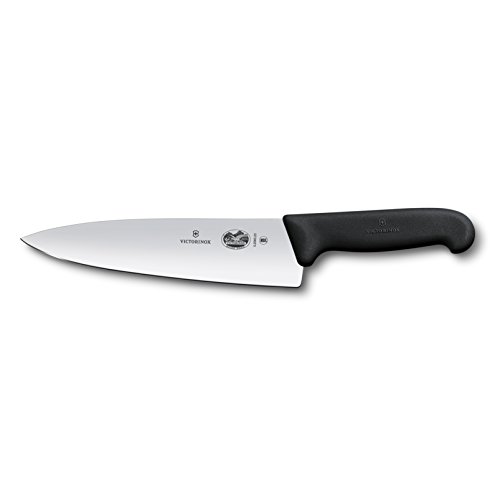
Quick Verdict: Our top pick is the Victorinox Fibrox Pro 8-Inch Chef's Knife (Best Under $60 — Victorinox Fibrox Pro) — The most-used professional knife at culinary schools worldwide. Priced at $46.78.
Quick verdict: Buy German knives if you cook daily, want to be dishwasher-safe (or close to it), and prefer maintenance-free reliability. Buy Japanese knives if you want a razor edge for precision cuts, are willing to hand-sharpen regularly, and primarily cut boneless proteins and vegetables rather than frozen foods or hard bones.
Who This Guide Is For
This guide is for you if:
- You want to understand the real difference between German and Japanese knives before spending $150+
- You're buying your first serious chef's knife and want to know what actually matters
- Your knives feel dull and you're not sure whether they need honing, sharpening, or replacement
Skip this guide if:
- You already know your knife preference and just need a product recommendation
- You're a professional cook — home kitchen trade-offs differ from restaurant use
Steel Hardness: The Number That Explains Everything

Every knife debate ultimately comes back to HRC — Rockwell Hardness Scale. This number determines everything: how sharp an edge can get, how long it stays sharp, and how brittle (chip-prone) the blade is.
| HRC Range | Steel Type | Edge Angle | Sharpness | Chip Risk | Examples |
|---|---|---|---|---|---|
| 54–58 | German (soft) | 20–22° | Good | Very low | Victorinox Fibrox, Wusthof Gourmet |
| 58–60 | German (premium) | 15–18° | Very good | Low | Wusthof Classic, Henckels Pro |
| 60–62 | Japanese standard | 12–16° | Excellent | Medium | Shun Classic (VG-10), Global |
| 62–65 | Japanese premium | 10–12° | Razor-sharp | High | Shun Premier, Miyabi, Masamoto |
| 65+ | Japanese super steel | 8–10° | Surgical | Very high | Yoshihiro Hagane, ZDP-189 |
Harder steel (higher HRC) can hold a more acute edge angle. A 15° edge cuts noticeably better than a 20° edge on the same material. But harder steel is more brittle — it chips when used on bones, frozen food, or dropped on hard surfaces. Softer German steel bends instead of chips, making it more durable for rough everyday use. Our in-depth knife steel guide goes deeper on VG-10, SG2, and German X50CrMoV15 steel comparisons.
How We Chose
We researched dozens of options, analyzed thousands of verified reviews on Amazon and Reddit, and cross-referenced expert recommendations from America's Test Kitchen, Cook's Illustrated, and thousands of home cook reviews. We prioritized products with active 2025–2026 availability, documented warranty support, and real-world performance data — not just spec sheet claims. Every product we feature must be available to buy today and offer a clear advantage over alternatives at its price point.
German Knives: Tanks Built for Daily Abuse
German Knife Design and Steel
German-style knives (also called Western knives) use softer stainless steel (HRC 56–58) with a full bolster, a thick spine, and an edge angle of 18–22 degrees. These design choices make them virtually indestructible for daily home cooking: you can use them on a glass cutting board (don't, but you can), bang them through butternut squash, and occasionally use them to crack a lobster claw without catastrophic consequences.
Maintaining German Knives
The edge rolls (bends microscopically) rather than chips under abuse. This means German knives require a honing steel to realign the edge every few uses — honing is not sharpening, it's just straightening the edge that's rolled out of alignment. With regular honing, a German knife stays sharp for months of daily use before needing actual sharpening. See our honing steel guide and complete knife sharpening guide.
German Knife Brands by Budget
Best German knife brands by tier:
- Entry ($30–$60): Victorinox Fibrox Pro — the most used knife in professional cooking schools, used by culinary students worldwide because it's the sharpest knife available at its price and genuinely dishwasher-safe. Not glamorous, but nothing in its price range competes.
- Mid ($100–$175): Wusthof Classic — forged from a single piece of high-carbon stainless, laser-tested for edge accuracy, and the benchmark of the German style. The Classic series has been unchanged for decades because it doesn't need to change. Also consider: Zwilling Pro and J.A. Henckels Four Star.
- Premium ($200–$350): Wusthof Classic Ikon (refined handle ergonomics), Henckels Statement (updated bolster design), and the German premium segment. Beyond this price, you're paying for aesthetics more than performance.
See our chef's knife rankings, best knives for beginners, brand comparison Wusthof vs Henckels, and Zwilling vs Wusthof.
Japanese Knives: Scalpels for the Skilled Cook
Japanese Knife Design and Steel
Japanese knives use harder steel (HRC 60–65+) and much more acute edge angles (12–16 degrees). The result: an edge so sharp that tomatoes slice without downward pressure, onions barely make you tear up, and fish breaks down with surgical precision. For cooks who prioritize performance and are willing to maintain the edge, a Japanese knife changes how cooking feels.
Japanese Knife Maintenance Requirements
The maintenance commitment is real: Japanese knives should not go in the dishwasher (thermal shock and detergent damage the steel and handle), should not be used on bones or frozen foods (chips), and require a whetstone or specific sharpener to resharpen (standard honing steels are too aggressive for Japanese steel — use a ceramic honing rod instead). If you're not willing to hand-wash and hand-sharpen, a German knife is the right choice.
Japanese Knife Styles
Japanese knife categories:
- Gyuto (chef's knife): The Japanese equivalent of a Western chef's knife. Thinner, lighter, more nimble. Shun Classic Gyuto, Global G-2, MAC Professional are the most respected in the accessible Japanese category ($100–$200).
- Santoku: A shorter, flatter Japanese all-purpose knife with a sheepsfoot tip. Better than a chef's knife for vegetables and downward chopping; less effective for rocking cuts and slicing long proteins. Popular in Japan's home kitchens.
- Nakiri: A vegetable cleaver with a thin, flat blade. Outstanding for cutting through dense root vegetables and making paper-thin slices of cabbage. A specialty knife, not a replacement for a chef's knife.
- Single-bevel (traditional): Sharpened on one side only, used by professional sushi chefs. Requires significant skill to use effectively and specialized sharpening. Not appropriate for home cooks starting out.