Pyrex vs Chicago Metallic Bakeware 2026
The Chicago Metallic Professional 1-Pound Loaf Pan ($18.99) is our top pick for consistent baking — commercial-grade aluminized steel promotes even heat distribution for perfectly risen loaves. Pyrex glass bakeware excels for casseroles and oven-to-table dishes; for bread and cake pans, Chicago Metallic's professional-grade construction delivers superior results.
Pyrex vs Chicago Metallic Bakeware Buying Guide

Choosing between Pyrex and Chicago Metallic means choosing between two fundamentally different approaches to heat — glass that holds it and metal that moves it. Most home bakers end up needing both, but knowing which to reach for each recipe can mean the difference between a perfectly browned pie crust and a pale, soggy one. Both brands have been kitchen staples for decades, both are affordable, and both are genuinely excellent at what they do best.
Glass vs Metal: How Heat Behaves Differently
Metal — particularly the aluminized steel Chicago Metallic uses — absorbs heat from the oven quickly and transfers it rapidly to whatever you're baking. Glass heats slowly: it takes longer to reach oven temperature, but once it does, it holds that heat longer. Remove a Chicago Metallic pan from the oven and it begins cooling almost immediately; remove a Pyrex dish and the food inside will continue cooking for several minutes from residual heat.
This difference translates directly to outcomes. Bread baked in Chicago Metallic's aluminized steel develops a crispier, more deeply browned bottom crust because the pan efficiently conducts high heat from the oven floor. The same loaf baked in Pyrex glass will have a paler bottom and a softer overall crust — not inferior, just different, and better for certain recipes. Layer cakes release more cleanly from Chicago Metallic's non-stick surface; casseroles are better in Pyrex glass, which looks presentable as a serving vessel and resists odor absorption.
One critical note on thermal shock: modern Pyrex uses tempered soda-lime glass, not the original borosilicate. It handles oven heat fine but is more vulnerable to sudden temperature changes than older Pyrex. Never take a Pyrex dish directly from the freezer to a preheated oven. Let it come to room temperature first, or place it in a cold oven before preheating. Chicago Metallic metal pans have no thermal shock concerns.
When to Choose Pyrex (Glass)
Pyrex excels for casseroles, lasagnas, gratins, and any recipe where the baking dish doubles as a serving vessel. Glass is non-reactive — it won't impart any metallic taste to acidic dishes like tomato-based casseroles, fruit cobblers, or custards. Carbon steel and some aluminum pans can subtly alter the flavor of highly acidic fillings over a long bake; glass cannot.
Pie baking is a debate with two camps, but glass has real advantages: you can see the bottom crust browning through the dish, which removes all guesswork about doneness. The slow heat of glass keeps the filling from bubbling over before the crust sets. Pyrex pie plates are also significantly cheaper than ceramic pie dishes with similar benefits, making them the practical choice for everyday baking.

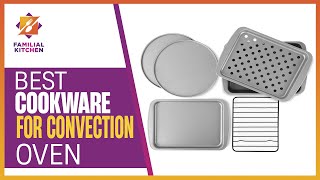
Pyrex glass measuring cups fill a different role than baking dishes — they're measuring tools that also serve as mixing vessels, microwave containers, and pouring pitchers. The 3-piece set covers 1-cup, 2-cup, and 4-cup quantities. Glass is non-reactive for acidic liquids, dishwasher safe, and won't absorb odors from garlic or citrus the way plastic measuring cups do. These are kitchen workhorses that last decades with normal use.
When to Choose Chicago Metallic (Metal)
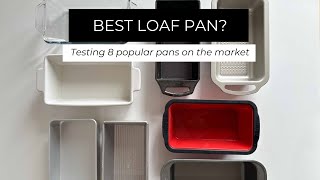
Chicago Metallic's commercial-grade aluminized steel is built for professional bakery results at home. The material is the same used in commercial bread bakeries: heavy-gauge, won't warp at high temperatures, and conducts heat evenly from edge to edge. This even conductivity matters most in loaf pans and layer cake pans, where uneven heat creates uneven rise and inconsistent browning.
For yeast bread, metal wins unambiguously. The rapid heat transfer creates oven spring (the final rise when bread hits oven heat) more aggressively, and the direct heat on the bottom produces the crackling bottom crust that Pyrex cannot match. Chicago Metallic's Professional 1-pound loaf pan at under $19 is one of the most recommended pieces of bakeware in serious home baking communities — it outperforms pans costing two to three times as much.
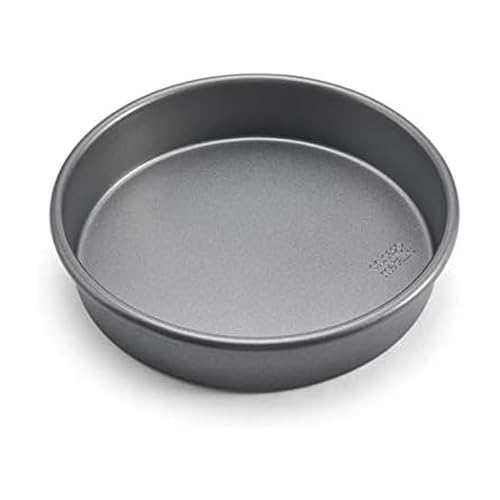
Chicago Metallic's non-stick coating makes release easier for layer cakes, muffins, and anything with sugar that might otherwise stick. The Commercial II line uses a two-coat non-stick system that is significantly more durable than single-coat budget pans. Treat it properly — wooden or silicone utensils, handwashing when possible — and it will outperform most non-stick bakeware in the same price range.
Cleaning, Durability, and Long-Term Care
Pyrex glass requires essentially no special care. It's dishwasher safe, non-reactive, and has no coating to protect. The main failure modes are thermal shock (cracks) and impact (chips, breaks). Handle it reasonably and a Pyrex dish will outlast most other kitchen equipment. Avoid using it under the broiler, where extreme radiant heat from above can stress the glass surface unevenly.
Chicago Metallic's non-stick pans need more attention to extend coating life. Hand washing in warm, soapy water is recommended — dishwasher detergents and high heat degrade the coating faster than hand washing. Metal utensils scratch the coating over time; silicone or wooden spatulas are the right choice. When the coating eventually shows wear (usually after 2-5 years of regular use), performance drops noticeably. At that point, replacement is the right call — the pans are affordable enough that replacement beats trying to restore a damaged coating.
For storage, avoid nesting Chicago Metallic pans directly inside each other without padding — metal-on-metal contact scratches the non-stick surface. A cloth towel or pan protector between nested pans adds months to coating life. Pyrex can stack freely without concern. For most home kitchens, the ideal bakeware setup includes at least one Pyrex dish for casseroles and pies, plus a Chicago Metallic loaf pan and cake pan for baked goods where browning and crust quality matter.
If you're also considering rubbermaid vs Pyrex Food Storage (2026): Plastic vs Glass, see our Rubbermaid vs Pyrex Food Storage (2026): Plastic vs Glass. If you're also considering bakeware Sets 2026: Nonstick, Ceramic & 10-Piece, see our Best Bakeware Sets 2026: Nonstick, Ceramic & 10-Piece.
At a Glance
Showing 3 of 3 products
Chicago Metallic Professional 1-Pound Loaf Pan
“Chicago Metallic's professional loaf pan delivers exceptional rigidity through reinforced rims and heavy-gauge construction. The deeper profile (3 inches vs 2.75) accommodates larger recipes and produ”
See Today’s Price →What we like
- Heavy-gauge aluminized steel construction
- AMERICOAT-equivalent nonstick
- Reinforced rim prevents warping
- Good depth for tall sandwich loaves
- Dishwasher safe (though hand wash preferred)
Watch out for
- Slightly more expensive than USA Pan
- Darker finish can cause faster browning
Read Full Analysis
Chicago Metallic's aluminized steel loaf pan is the professional standard for bread baking. The steel construction heats faster than glass, producing crispier crusts and better bottom browning. The non-stick coating releases loaves cleanly. At under $20, it delivers professional bakery pan performance for home kitchens. The preferred choice for bread enthusiasts who prioritize crust quality over visual monitoring.
Chicago Metallic Commercial II 9-Inch Non-Stick Round Cake Pan
Pyrex 3-Piece Glass Measuring Cup Set
“The Pyrex glass measuring cup set is the definitive liquid measuring tool. Non-reactive glass with large, clear markings in multiple units (cups, ounces, milliliters) makes precise liquid measuring in”
See Today’s Price →What we like
- Glass is non-reactive and odor-resistant
- Microwave safe for warming ingredients
- Dishwasher safe
- Large, clear measurement markings
- 1, 2, and 4-cup sizes cover all liquid measurement needs
Watch out for
- Liquid measuring only — not suitable for dry ingredients
- Glass can break if dropped
- Heavy compared to plastic measuring cups
- No dry measuring cup functionality
Frequently Asked Questions
Is glass or metal better for baking bread?
Which is better for casseroles?
Can Pyrex go from freezer to oven?
Is Chicago Metallic dishwasher safe?
Which brand lasts longer?
How We Analyze Products
We analyze Amazon review data — often thousands of reviews per product — to surface patterns that individual buyers miss. Our process aggregates star ratings, review counts, and buyer sentiment at scale, identifying which strengths and weaknesses appear consistently across the largest review samples available. The 61,798+ reviews analyzed on this page represent real verified-purchase feedback from Amazon buyers.
Each product earned its placement through data: total review volume, average rating, and the specific praise and complaints that repeat most often across buyers. No manufacturer paid for placement on this page. Products appear here because buyers endorsed them at scale, not because a company asked us to feature them.
We use AI to summarize review sentiment — not to fabricate opinions, but to condense what thousands of buyers actually wrote into a readable format. The pros and cons you see reflect the most common themes found in verified purchaser reviews, paraphrased for clarity. We do not claim to have accessed Reddit, YouTube, or specific publications in generating these summaries.
Prices shown reflect Amazon pricing at the time this page was last generated. Click “See Today’s Price” to get the current live price on Amazon. Read our full methodology →