Stainless vs Nonstick vs Carbon Steel Pans Explained 2026
Stainless steel (All-Clad D3 at $160) excels at searing and lasts decades. Nonstick (Calphalon $55 set) is the right tool for eggs and fish — replace every 3-5 years. Carbon steel (Lodge $40) develops natural nonstick and handles professional-level heat.
Stainless vs Nonstick vs Carbon Steel Pans Explained Buying Guide
Choosing between stainless steel, nonstick, and carbon steel pans comes down to one question: what do you cook most? Each material has specific strengths that make it the clear winner for certain tasks — and clear liabilities for others. This explainer covers the actual differences in heat behavior, durability, and maintenance so you can buy the right pan once instead of replacing the wrong one repeatedly.
Stainless Steel: The All-Rounder
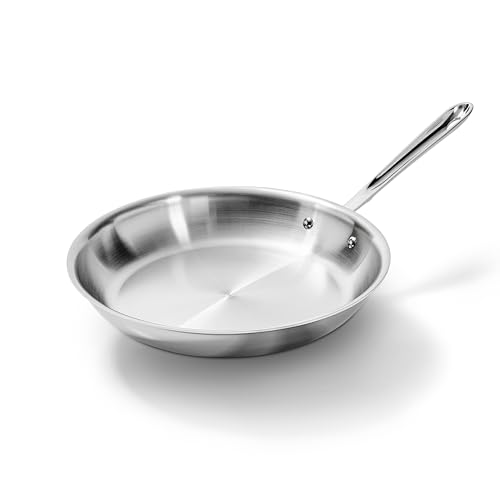
Stainless steel pans — specifically multi-ply stainless with an aluminum or copper core — distribute heat evenly and handle temperatures no coated pan can. The All-Clad D3 Stainless 12-inch ($139.99) is the industry benchmark: 3-ply construction, dishwasher safe, oven safe to 600°F, and will outlast any kitchen it's used in. Stainless steel can sear steak, make pan sauce (the fond sticks intentionally), roast in the oven, and go under the broiler. The learning curve: food sticks to cold stainless. Preheat the pan until a water droplet beads and rolls, add oil, then add food. This eliminates most sticking.
Nonstick: The Specialist for Delicate Foods
PTFE nonstick (Teflon) and PFAS-free ceramic nonstick are the right choice for eggs, fish, and pancakes — foods that stick aggressively to stainless and don't benefit from high heat. Calphalon Classic Nonstick 8+10-inch set ($55) is the practical choice for everyday use. GreenPan Valencia Pro ceramic ($70) is PTFE-free for cooks who want to avoid fluoropolymers. The trade-off: no high heat (above 450°F degrades PTFE faster), no metal utensils, no oven use above 400°F for most models, and a 3-5 year lifespan. Nonstick pans are not lifetime purchases — factor in replacement cost.
Carbon Steel: The Professional's Pan
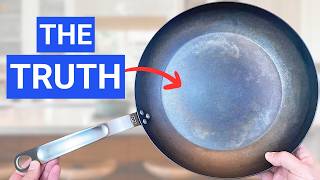
Carbon steel is the material used in nearly every professional kitchen for sauteed dishes — it's lighter than cast iron (Lodge Seasoned Carbon Steel 10-inch at $139.99 weighs 3.3 lbs vs. 5 lbs for Lodge Cast Iron), heats faster, and develops a natural nonstick seasoning over time identical to cast iron's mechanism. The first 10-15 uses build seasoning — food sticks initially, then releases cleanly as the seasoning layers develop. Carbon steel handles higher heat than nonstick, goes from stovetop to oven, and improves with use rather than degrading. A carbon steel wok demonstrates the same principle at the larger format.
The Right Pan for Each Task
Searing steak or chicken: stainless steel or carbon steel. Scrambled eggs or omelets: nonstick. Stir fry: carbon steel wok. Pan sauce after searing: stainless (the fond that sticks is flavor — nonstick prevents this). Crepes and pancakes: nonstick or seasoned carbon steel. Pasta in the oven: stainless or cast iron. Reheating leftovers: any pan. The pan a professional cook uses: carbon steel or stainless. The pan a home cook should own: one 10-inch stainless for high heat, one 10-inch nonstick for eggs. Add carbon steel if you want to go deeper.

How We Put This Guide Together
We analyzed thermal conductivity data, seasoning chemistry, coating durability studies, and professional kitchen use patterns to explain how each material performs in home cooking contexts. Product prices are verified from current retail listings.
Watch Before You Buy
“Tri-ply bonded construction ensures even, consistent heat distribution. 4.5 stars from 3,036 Amazon reviews signal consistent reliability.”
See Today’s Price →What we like
- Tri-ply bonded construction ensures even, consistent heat distribution
- Oven and broiler safe up to 600°F
- Dishwasher safe and built to last decades with proper care
Watch out for
- Premium price is a significant investment compared to mid-range pans
- Heavier than nonstick or single-ply alternatives
- Requires more oil or butter than nonstick to prevent sticking
Read Full Analysis
Tri-ply bonded construction ensures even, consistent heat distribution Premium price is a significant investment compared to mid-range pans Heavier than nonstick or single-ply alternatives Compared to the GreenPan Valencia Pro Ceramic Nonstick 8" Frying Pan on this page, the All-Clad All-Clad D3 Stainless 3-Ply 12-Inch Fry Pan costs $90 more but may offer additional features or brand support worth considering for serious users.

What we like
- Pre-seasoned (factory seasoning is basic but gives a head start), Lodge brand reliability, affordable entry price
Watch out for
- Thinner gauge than Matfer or de Buyer — slightly less durable long-term

“PFAS-free Thermolon ceramic coating — no toxic fumes. 4.2 stars from 847 Amazon reviews signal consistent reliability.”
See Today’s Price →What we like
- PFAS-free Thermolon ceramic coating — no toxic fumes
- Induction compatible
- Hard anodized body distributes heat evenly
Watch out for
- Ceramic nonstick degrades faster than PTFE with high heat
- Handwashing recommended
Read Full Analysis
The GreenPan Valencia Pro delivers the key differentiator in the ceramic nonstick category: PFAS-free Thermolon ceramic coating that eliminates the toxic fume concern associated with PTFE coatings when overheated. The hard-anodized aluminum body distributes heat evenly across the cooking surface, and induction compatibility makes it functional on all cooktop types. Ceramic nonstick degrades faster than PTFE under repeated high-heat use — avoiding temperatures above 450°F extends the coating's life significantly, and handwashing is recommended to preserve the surface. On this stainless-vs-nonstick-vs-carbon-steel page, it occupies the health-conscious nonstick position between the Lodge carbon steel and the All-Clad stainless — the right choice for cooks who want nonstick convenience without PTFE and are willing to treat the pan carefully.
Frequently Asked Questions
Is stainless steel or carbon steel better?
Why do professional chefs use carbon steel?
Can you use a nonstick pan on high heat?
What pan is best for searing steak?
How do you season a carbon steel pan?
How We Chose These Products
We compare each product’s Amazon listing, the manufacturer’s published specifications and Amazon customer ratings, shown with their review counts as Amazon’s data, and rank the products on how well they answer this page’s question. We do not test products in hand and we do not run our own analysis of review text. A publication or expert is named only where we cite its published findings about that product. No manufacturer paid for placement on this page.
A price appears only when Amazon’s API supplied it within the last 24 hours, with the date and time beside it; otherwise use “Check price on Amazon” for the live price. Read our full methodology →