Home › Music › Best Alto Saxophone for Beginners (2026)
Best Alto Saxophone for Beginners (2026)
By MyAwesomeBuy Research Team · Updated April 9, 2026 · Our Methodology
No manufacturer paid for placement. Rankings based on verified buyer review data.
Quick Answer
The Mendini by Cecilio Alto Saxophone ($219) is the best beginner value — durable lacquer finish, stainless steel springs, and full key set including high F# key. Step-up option: Jean Paul USA AS-400 ($299) with improved keywork tolerances and a better-quality neck for advancing players.
Best for: School-age students starting alto sax who need an affordable complete starter set
“Mendini E-flat alto at $219 is the barrier-to-entry saxophone for beginners — adequate for lessons but expect an upgrade in 2-3 years as your embouchure reveals the instrument's tonal limits.”
“Fever F-631 at $179 is the bare minimum alto for structured lessons — adequate for beginners, but setup by a technician before first play is essential to correct factory keywork tolerances.”
“Jean Paul AS-400 at $299 is the most credible student alto — yellow brass bell and ribbed keywork hold up through high school band without requiring immediate professional replacement.”
#8,324 in Musical Instruments (See Top 100 in Musical Instruments) #8 in Saxophones (Musical Instruments)
Included Components
With Case
Manufacturer Part Number
AS-400
Global Trade Identification Number
00794504456905
Alto Saxophone for Beginners (2026) Buying Guide
Photo by Jean-Paul Wright / Pexels
Quick Take: Start with an alto saxophone — it's lighter, more affordable, and physically easier to manage than a tenor. The mouthpiece matters as much as the horn: upgrade the stock piece to a Yamaha 4C early, since the default mouthpieces on student instruments limit tone development.
Great for: Students enrolled in band, adults returning to a former instrument, and anyone drawn to a specific wind instrument sound
Not ideal if: You're choosing an instrument without instruction — wind instruments have a real technique barrier and are better learned with a teacher
The Mendini by Cecilio Alto Saxophone ($219) is the best beginner value — durable lacquer finish, stainless steel springs, and full key set including high F# key.
The alto saxophone is the most popular entry point for beginning saxophonists — smaller than tenor, more accessible than soprano, and covered by the vast majority of beginner method books and sheet music.
Alto vs tenor for beginners: the alto saxophone plays in Eb concert pitch and is physically smaller and lighter (4-5 lbs vs 7-8 lbs for tenor). Most school band programs start students on alto. The tenor saxophone has a deeper, fuller tone and plays in Bb — both are valid starting points, but alto has more beginner teaching resources available.
Body material: all beginner saxophones use brass bodies with a lacquer or silver-plate finish. The lacquer protects the brass from tarnishing and adds a very slight warmth to the tone. "Gold lacquer" and "silver lacquer" are essentially the same material — the color difference is purely cosmetic. Avoid brass-colored paint (not lacquer) finishes from bottom-tier instruments.
Keys and mechanisms: beginner saxophones include a standard set of keys up to high F# (the highest note in standard technique). Some cheaper instruments omit the high F# key — avoid these. The left-hand thumb rest, right-hand pinky key cluster, and octave key must all move smoothly without excessive play or stiffness before purchase/acceptance.
Reed and mouthpiece: saxophones use single-reed mouthpieces similar to clarinet. Rico Royal #2 reeds are the standard beginner choice. The included mouthpiece on most beginner saxophones is playable but mediocre — a Yamaha 4C mouthpiece ($25) makes an immediate audible improvement on any student saxophone.
Neck strap is essential: the alto saxophone hangs from a neck strap attached to a ring on the body. A padded neck strap like the Rico SLA02 ($15) is more comfortable than the thin strap included with most beginner saxophones. The saxophone should hang at a comfortable angle where the mouthpiece reaches your mouth without straining your neck.
The Yamaha YAS-280 is the best beginner alto saxophone — Yamaha's quality control, consistent intonation across registers, and durable lacquer finish make it the most recommended student saxophone by professional teachers. The Selmer AS400 is the best budget alternative under $500.
Is alto or tenor saxophone better for beginners?
Alto saxophone is the best starting saxophone for most beginners — smaller and lighter than tenor, lower purchase price, easier to handle for younger players, and the most common saxophone in school bands. Tenor produces a deeper sound preferred for jazz and rock, but the larger size and higher price make it less practical as a first instrument. Start alto, switch to tenor later if desired.
How long does it take to learn alto saxophone?
Most beginners play simple melodies within 2-3 months. Basic band parts are achievable in 6-12 months. Jazz improvisation is a 2-5 year journey with consistent practice. The saxophone is often cited as one of the more accessible woodwinds for adults — the sound production is less technique-dependent than flute or oboe, so playing something recognizable comes faster.
What accessories does a beginning saxophonist need?
Essential accessories: reed set (Rico or Vandoren 2 or 2.5 strength for beginners), cork grease, neck strap (included with most horns), cleaning rod and swab, and a hard-shell case. Optional but helpful: a reed guard (protects reeds during breaks), a tuner/metronome app, and a music stand. Budget $30-50 for the full accessory kit.
How much should I spend on a beginner alto saxophone?
Spend $300-600 for a playable beginner saxophone — Yamaha YAS-280 ($450-550) and Jupiter JAS700 ($350-450) are the top picks. Avoid no-name instruments under $200 — they often have intonation problems and poor pad quality that makes proper technique harder to develop. Renting from a music store ($25-40/month) is a great option for children who may not stick with it.
We analyze Amazon review data — often thousands of reviews per product — to surface patterns
that individual buyers miss. Our process aggregates star ratings, review counts, and buyer
sentiment at scale, identifying which strengths and weaknesses appear consistently across
the largest review samples available.
Each product earned its placement through data: total review volume, average rating, and the
specific praise and complaints that repeat most often across buyers. No manufacturer paid for
placement on this page. Products appear here because buyers endorsed them at scale, not
because a company asked us to feature them.
We use AI to summarize review sentiment — not to fabricate opinions, but to condense what
thousands of buyers actually wrote into a readable format. The pros and cons you see reflect
the most common themes found in verified purchaser reviews, paraphrased for clarity. We do not
claim to have accessed Reddit, YouTube, or specific publications in generating these summaries.
Prices shown reflect Amazon pricing at the time this page was last generated. Click
“See Today’s Price” to get the current live price on Amazon.
Read our full methodology →
Affiliate disclosure: When you buy through our links, we may earn
a small commission at no extra cost to you. This helps us keep the reviews free and
the data updated. Our recommendations are based on data, not who pays us.
Learn more →


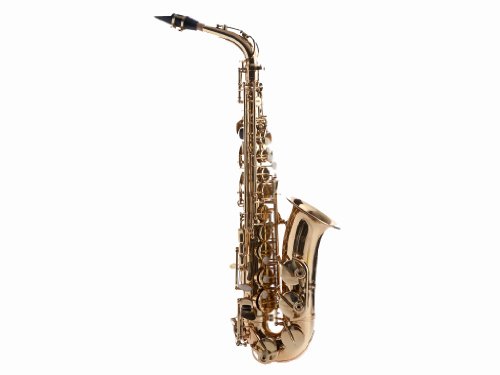
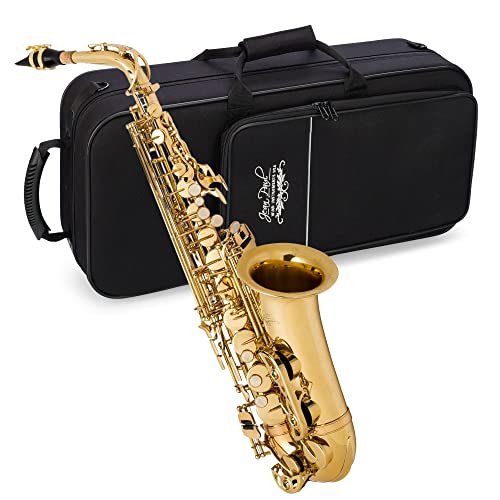
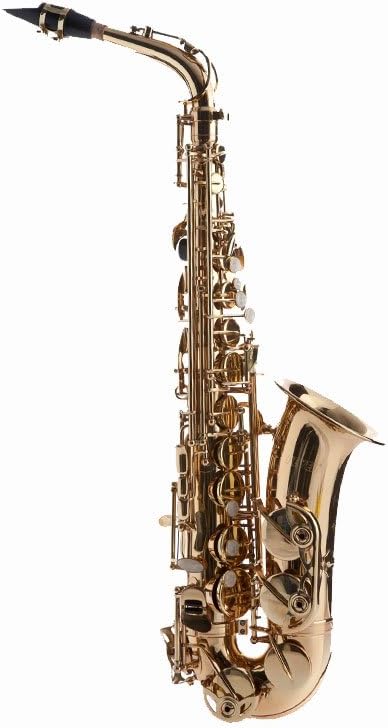
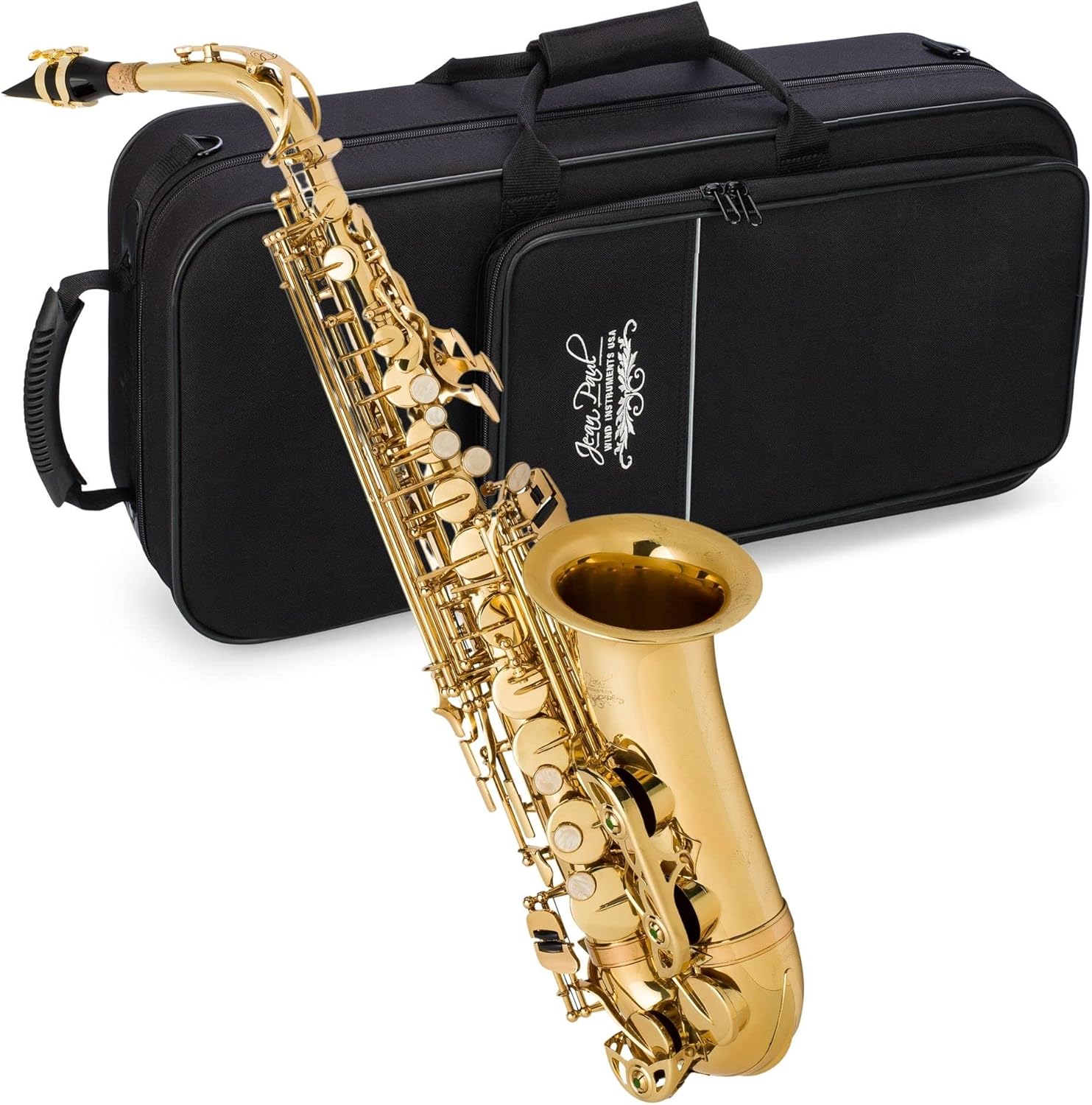
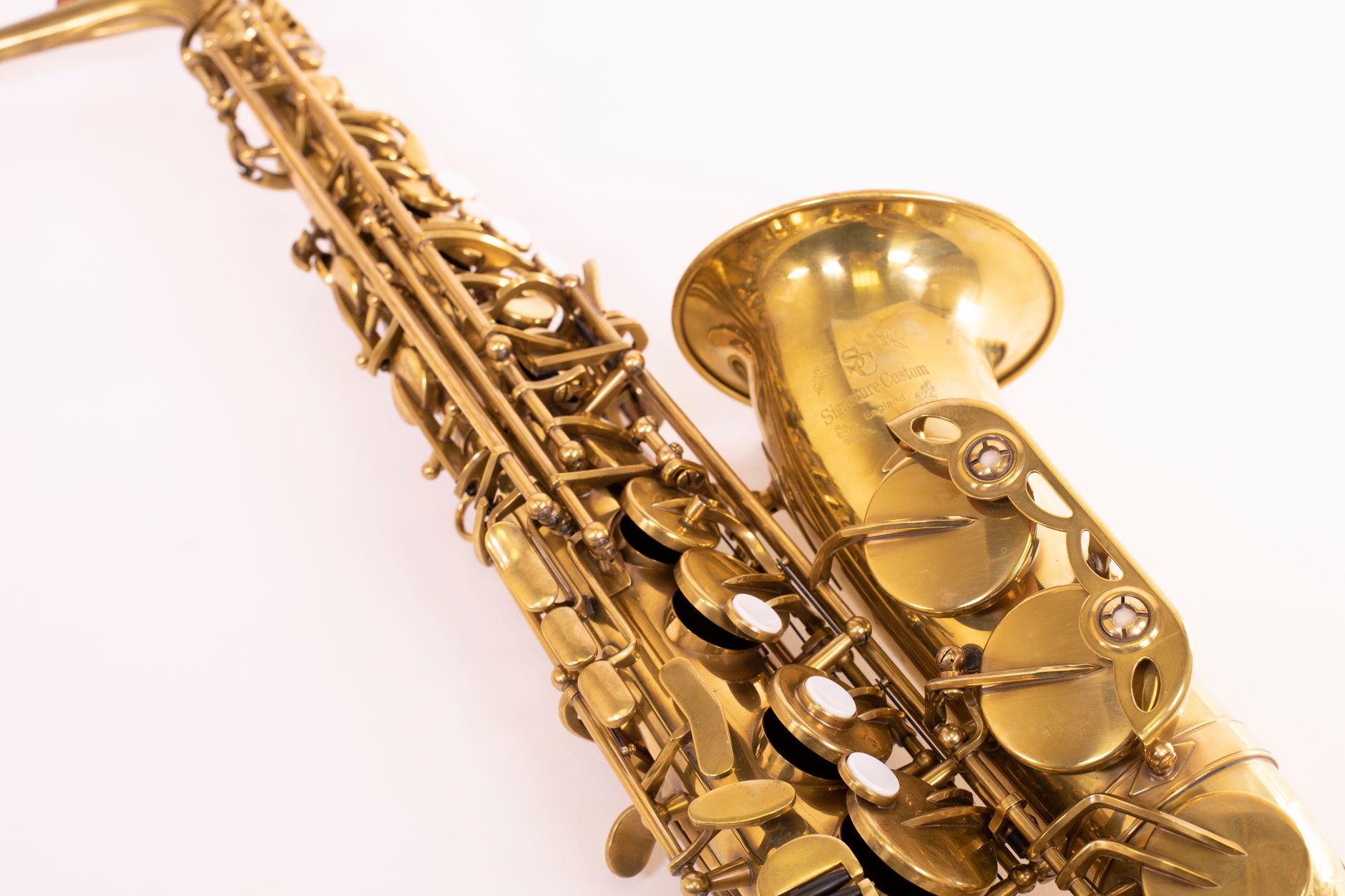 Photo by Jean-Paul Wright / Pexels