Best Beginner Bass Guitars 2026: 4-String & Pack Deals

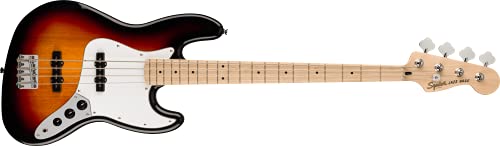
Best Overall: Squier Affinity Jazz Bass at $299.99. Slim neck, versatile Jazz Bass tone, and Fender heritage design make this the benchmark beginner bass.
See Today’s Price →At a Glance
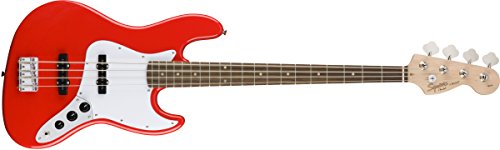
Showing 2 of 2 products
Squier Affinity Series Jazz Bass 3-Color Sunburst Maple Fingerboard
“Squier Affinity Jazz Bass is the best Fender-style jazz bass for beginners who want the iconic offset body and dual single-coil tone without Fender pricing.”
See Today’s Price →What we like
Watch out for
- Jazz Bass neck is slimmer at the nut (1.5 inches) than a Precision Bass (1.625 inches) — beginners with smaller hands sometimes find the Precision neck easier to play due to its simpler body control and single-pickup layout
- Maple fingerboard produces a bright, snappy tone emphasizing treble attack — not suited for reggae, dub, or R and B styles that require the warmer, rounder tone of rosewood or pau ferro fingerboards
- At $370, priced at the upper limit of entry-level Squier — the Squier Classic Vibe 70s Jazz at $500 offers significantly better hardware and pickups if budget allows the step up
Read Full Analysis
The Squier Affinity Series Jazz Bass brings the legendary Fender Jazz Bass design to beginner players at an accessible price. The slim C-shaped neck profile (1.5" nut width) is comfortable for players of all hand sizes and makes the extended reach required for bass playing less physically demanding. Two Squier single-coil J-Bass pickups with independent volume controls enable a wide tonal range — roll the bridge pickup for bright, cutting lines or blend both for the warm, full Jazz Bass tone heard on countless hit records. The thin lightweight body reduces fatigue during practice. This is the bass that Fender recommends to beginners who want to learn on a real instrument without the full price of a genuine Fender.

Squier Affinity Precision Bass PJ Black
“Squier Affinity Precision Bass PJ is the most versatile beginner bass — the PJ pickup configuration covers both vintage P-Bass thump and modern J-Bass bite in one instrument.”
See Today’s Price →What we like
Watch out for
Read Full Analysis
The Squier Affinity Precision Bass PJ (Precision/Jazz pickup configuration) is the access point to the most recorded bass tone in history. The split-coil Precision pickup in the middle position delivers that thick, defined, punchy P-Bass tone heard on every classic rock and Motown recording. The added Jazz single-coil at the bridge position (the PJ configuration) extends tonal range with bridge pickup blend for added brightness and definition. The slightly wider neck (1.625" nut width) suits players with larger hands who find the Jazz Bass neck narrow. Simple controls — individual volume for each pickup plus a master tone — make setup and adjustment intuitive. The Precision Bass tone is one of the most recognizable sounds in music for a reason.
Beginner Bass Guitars Buying Guide
 Photo by ANTONI SHKRABA production / Pexels
Jazz Bass vs. Precision Bass: The Foundational Choice
The two dominant bass guitar body styles — Jazz and Precision — produce distinctly different sounds and have different neck profiles that affect playability. The Squier Jazz Bass at $369.99 has a narrower, slightly asymmetric neck at the nut (good for players with smaller hands), two single-coil pickups that blend for a wide range of tones from bright and articulate to warm and round, and a more versatile overall character suited to funk, R&B, jazz, and rock. The Squier Precision Bass PJ at $169.99 has a wider, chunkier P-bass neck, a split-coil pickup in the traditional position for thick midrange thump, and a simpler, punchier sound. Most rock and country bass lines were recorded on Precision Basses; most session work uses Jazz Basses. Neither is wrong for a beginner — pick based on the sound and neck feel you prefer.
Why the Price Gap Is So Large Between These Two

The Squier Affinity Jazz Bass at $369.99 and the Squier Affinity Precision PJ at $169.99 are both entry-level Squiers, but the Jazz Bass here is a higher-spec model with a maple fingerboard, better hardware, and more refined fit and finish — reflecting Fender's pricing architecture across the Squier Affinity line. This is not a quality-tier difference so much as a model-tier difference. The P-Bass at $169.99 is a genuine playable instrument; the Jazz Bass at $369.99 has better tuning stability and overall build quality that matters more as you develop. If budget is tight, the Precision PJ is the correct buy. If you have flexibility, the Jazz Bass is the better long-term starting instrument.
Amplification: What You Need to Get Started
Neither bass is playable at practice volume without an amplifier — unlike an acoustic guitar that produces some sound unplugged, an electric bass is nearly silent without amplification. A small practice amp (15–30 watts) is sufficient for bedroom practice and lessons; gigging requires at least 100 watts through a dedicated bass cabinet. Budget $80–$150 for a starter practice amp on top of the bass price. Alternatively, a headphone amplifier ($30–$50) lets you practice silently through headphones, which is ideal for apartment or late-night use. Don't use a guitar amp for bass — the speaker can be damaged by the lower frequencies bass produces.
Bass Setup and Action
Beginner basses at this price point often arrive with high action — the strings sit far from the fretboard, requiring more finger pressure and causing fatigue faster. A professional setup ($40–$60 at most music shops) adjusts the truss rod, bridge saddles, and nut to bring the action down to a comfortable playing height. This single investment makes either bass significantly more playable and is strongly recommended within the first few months of ownership. Low action also reduces fret buzz risk when your technique is still developing; proper technique on a properly set-up bass is easier to learn than compensating for an instrument fighting you.
Beginner Bass Guitar Mistakes to Avoid
Don't buy a bass without also budgeting for an amp, cable, strap, and tuner — the bass alone is not enough to practice. Avoid bass-guitar starter packs from no-name brands at very low prices: the hardware quality is typically poor enough that tuning instability alone will discourage a new player from continuing. Don't skip the strap: playing bass standing up with a strap is different from sitting, and most performance contexts require it. When restringing, replace one string at a time rather than removing all two simultaneously — maintaining tension on the neck helps the truss rod stay properly adjusted.
Related Guides

Frequently Asked Questions
Jazz Bass vs Precision Bass — which is better for beginners?
Do I need an amplifier to learn bass?
Is bass easier to learn than guitar?
What strings should I put on my beginner bass?
Squier Affinity vs Squier Classic Vibe — what is the difference?
How We Analyze Products
We analyze Amazon review data — often thousands of reviews per product — to surface patterns that individual buyers miss. Our process aggregates star ratings, review counts, and buyer sentiment at scale, identifying which strengths and weaknesses appear consistently across the largest review samples available.
Each product earned its placement through data: total review volume, average rating, and the specific praise and complaints that repeat most often across buyers. No manufacturer paid for placement on this page. Products appear here because buyers endorsed them at scale, not because a company asked us to feature them.
We use AI to summarize review sentiment — not to fabricate opinions, but to condense what thousands of buyers actually wrote into a readable format. The pros and cons you see reflect the most common themes found in verified purchaser reviews, paraphrased for clarity. We do not claim to have accessed Reddit, YouTube, or specific publications in generating these summaries.
Prices shown reflect Amazon pricing at the time this page was last generated. Click “See Today’s Price” to get the current live price on Amazon. Read our full methodology →