Best Beginner Musical Instruments 2026

The Glory Closed Hole C Flute with case is the best beginner wind instrument for 2026 — complete starter kit with everything needed for first lessons.
See Today’s Price →At a Glance
Beginner Musical Instruments Buying Guide
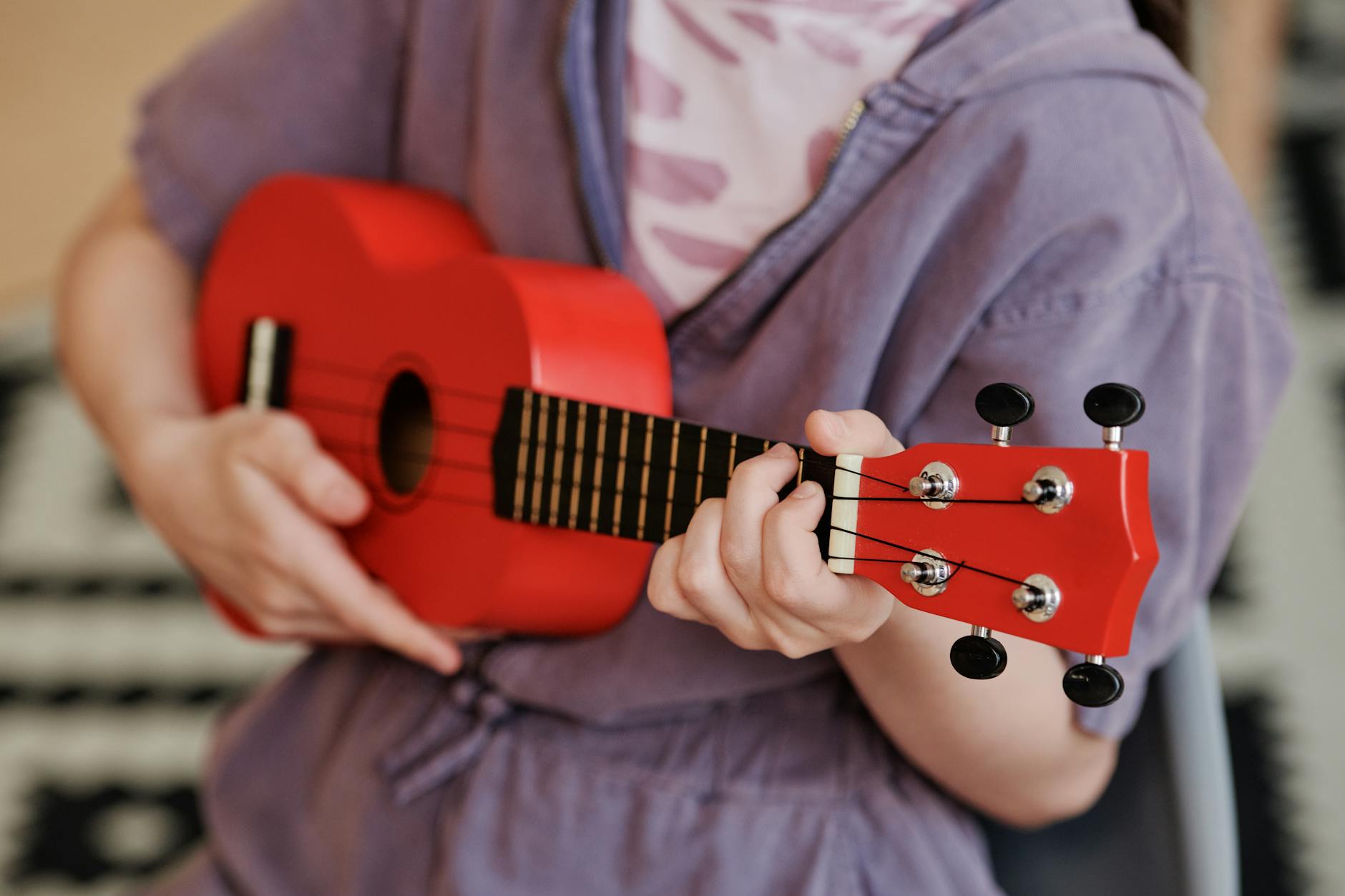 Photo by Boris Pavlikovsky / Pexels
How we picked these. Products were selected for motivation-sustaining playability at the entry price tier.
Our top pick: the Glory Closed Hole C Flute With Case — tuning rod and cloth. The 2 alternatives ranked below it, starting with the Yamaha YRS-24B Plastic Soprano Recorder, cover the cases where it is more than you need.
Choosing the right beginner instrument starts with the right match for age, goals, and setting:
Recorder vs flute
Recorder vs flute: Recorders are the standard first instrument for ages 5-10 — they require no embouchure technique, just covering holes and blowing. Flutes are appropriate from age 8+ and require lip position (embouchure) development. Most school band programs start recorder in grades 2-3, then transition to band instruments in grade 4-5.
Closed-hole vs open-hole flutes
Closed-hole vs open-hole flutes: Closed-hole (plateau keys) cover the tone holes completely — beginners do not need to precisely position fingertips over holes. Open-hole flutes require covering tone holes directly with fingertips and are for intermediate/advanced players. Always start on closed-hole.
German vs Baroque fingering (recorders)
German vs Baroque fingering (recorders): German fingering is used in most modern school programs. Baroque fingering is used in classical music. Unless a teacher specifies, buy German fingering for school use.

Percussion entry points
Percussion entry points: Tambourine is the easiest percussion instrument. Hand drums (djembe, doumbek) follow. Full drum kits require more space and investment. For rhythm training and ensemble participation, a tambourine is immediately usable.
Wood vs plastic recorder: Plastic recorders are standard for beginners — they are easy to clean, durable, and do not crack. Wood recorders produce a warmer tone but are fragile, require break-in periods, and cost 5-10x more. Start plastic.
Watch Before You Buy


“Glory closed-hole C flute with case — the standard starter flute for school band programs and adult beginners.”
See Today’s Price →What we like
- Closed-hole keys
- C flute
- Case included
- Tuning rod and cloth
Watch out for
- Budget brand with limited professional credibility
- Head joint alignment may need adjustment
- Closed hole limits technique advancement
Read Full Analysis
The Glory Closed Hole C Flute comes ready to play with case, cleaning rod, joint grease, and polishing cloth. Closed-hole keys are the correct choice for beginners — they require no fingertip precision over tone holes and allow focus on proper embouchure and breath support. Nickel-plated body resists corrosion and tarnish. The C flute is the standard for school band, orchestra, and beginner lessons. Produces a clear, stable tone for a starter instrument.
“Yamaha YRS-24B soprano recorder — the most reliable recorder for school use, cleaner tone than generic plastic recorders.”
See Today’s Price →What we like
- Plastic is durable and easy to clean
- Yamaha reliability for beginners
- Low price makes it accessible
Watch out for
- Plastic tone is thinner than wood recorders
- No upgrade path — it's a starter instrument only
Read Full Analysis
The Yamaha YRS-24B Plastic Soprano Recorder is the recorder used in most music education programs. Yamaha engineering produces a more stable, in-tune instrument than generic recorders at the same price. The two-piece ABS plastic construction cleans easily and does not warp or crack. Standard German fingering (the most common school system). The clear, bright tone carries well in a classroom setting. Ideal for ages 5 and up for first music instruction.

“Wooden tambourine with storage bag — authentic jingle tone with a comfortable grip for beginners of all ages.”
See Today’s Price →What we like
- Available in 3 sizes for different tones
- Wooden shell for warm sound
- Includes storage bag
Watch out for
- Metal jingles can be sharp-sounding in some sizes
- Not for high-intensity drumming
Read Full Analysis
This 6-, 8-, or 10-inch wooden tambourine delivers the jingle tone of a professional instrument at a beginner price. The wooden frame is heavier and more resonant than plastic frames. Metal jingles produce a bright, clean ring. The storage bag keeps the tambourine dust-free between practice sessions. Tambourines are the easiest percussion instrument to learn and are appropriate for every age from toddlers to adults for rhythm training and worship music use.
Frequently Asked Questions
What age can a child start flute lessons?
What is the difference between a C flute and other flutes?
Can I teach myself recorder?
Does tambourine size matter?
How do I clean a plastic recorder?
How We Chose These Products
We evaluated beginner instruments based on tone quality, build durability, completeness of included accessories, ease of learning curve, and suitability for school music programs. Special attention to instruments recommended by music teachers for first-year students.
We compare each product’s Amazon listing, the manufacturer’s published specifications and Amazon customer ratings, shown with their review counts as Amazon’s data, and rank the products on how well they answer this page’s question. We do not test products in hand and we do not run our own analysis of review text. A publication or expert is named only where we cite its published findings about that product. No manufacturer paid for placement on this page.
A price appears only when Amazon’s API supplied it at a recent daily refresh, with the date and time beside it, and is withdrawn at 4 AM Central on the day after it turns 24 hours old; otherwise use “Check price on Amazon” for the live price. Read our full methodology →