Best Guitar Amp for Beginners (2026)

The Fender Frontman 10G ($90) is the best beginner guitar amp — two channels (clean and overdrive) for bedroom practice. The Blackstar Fly 3 ($85) is the best battery-powered mini amp with surprisingly full sound for its size.
See Today’s Price →At a Glance
Showing 3 of 3 products
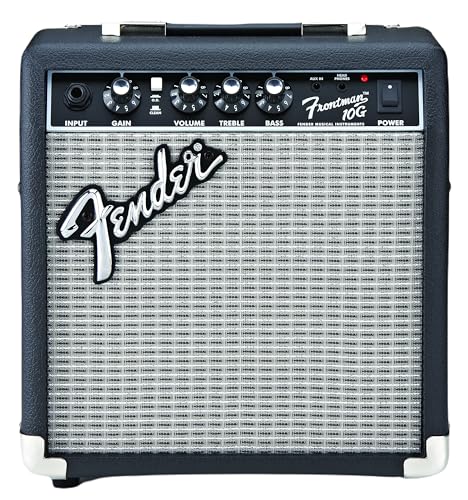
Fender Frontman 10G Electric Guitar Amplifier
“Fender Frontman 10G is the standard bedroom practice amp — clean Fender tone at 10 watts stays apartment-neighbor-safe and the overdrive channel is usable for rock without being embarrassing.”
See Today’s Price →
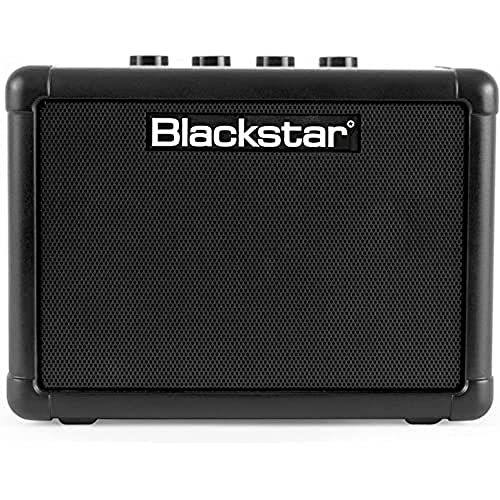
Blackstar Fly 3 Mini Guitar Amp
“Blackstar Fly 3 packs 3 watts and a real ISF tone control into a palm-sized body — the best mini amp for students who practice in small spaces or need to travel with their guitar kit.”
See Today’s Price →
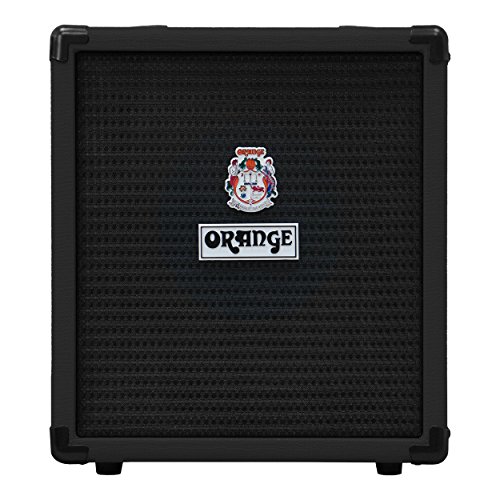
Orange Crush Bass 25 Bass Guitar Combo Amp
“Orange Crush Bass 25 is the best-sounding practice bass amp available — the parametric mid control and warm Orange tone make every bass sound better, justifying the premium for tone-conscious players.”
See Today’s Price →Guitar Amp for Beginners (2026) Buying Guide
 Photo by Alexey Demidov / Pexels
Quick Take: For home practice, a 10-watt solid-state amp covers everything — bedroom volume runs 1-3 watts regardless of the nameplate. The Fender Frontman 10G gives you two channels (clean and drive) at a low entry price. If silent practice with headphones is a priority, the Blackstar Fly 3 includes a headphone output.
Great for: Beginners picking up their first instrument, songwriters, and musicians who want a personal practice instrument at home
Not ideal if: You want to play in a band immediately — a single guitar is a starting point, not a complete rig without amp, cables, and accessories
Quick Verdict
The Fender Frontman 10G ($69) is our top pick — two channels (clean + overdrive), 6-inch speaker, and enough volume for bedroom and small room practice.
What to Look For in a Beginner Guitar Amp
A practice amp is the essential companion to your first electric guitar — it shapes your tone, allows volume control for apartment practice, and provides the overdrive/distortion sound that makes electric guitar what it is.
Wattage for beginners: 10-20 watts is the ideal beginner range. 10W (Fender Frontman 10G) is loud enough for bedroom and small room practice with plenty of headroom. 20W (Orange Crush 20) is appropriate for a larger bedroom or small rehearsal. 3W mini amps (Blackstar Fly 3) are for ultra-quiet/bedroom-only practice. Avoid 1W or under — they lack volume range and dynamic response.
Key Specs Explained
Two-channel vs single channel: the most useful amp feature for beginners is two channels — a clean channel (natural unaffected guitar tone) and a drive channel (adds overdrive/distortion). The Fender Frontman 10G has both. Learning to switch between clean and drive is foundational for most popular music styles.
EQ controls (bass, middle, treble): these three knobs shape your tone. For a starting reference: bass at 6, middle at 5, treble at 7. Boost treble for crunchy rhythm tone; cut treble for warm clean tone. Boost mids for lead tones that cut through a mix. Single-knob "tone" controls are found on very cheap amps — always choose an amp with at least bass and treble controls.
Speaker Size and Cabinet
The 6-inch speaker in the Frontman 10G produces adequate bass response for home practice. 8-inch and 10-inch speakers (found in 20-30W practice amps) produce fuller bass and sound noticeably better at moderate volumes. For guitar tones that feel "real," a larger speaker in a medium-sized cabinet makes a significant difference.
Common Mistakes to Avoid
Headphone output: the Blackstar Fly 3 includes a headphone output for silent practice — essential for late-night playing. The Frontman 10G does not include a headphone jack. If silent practice is a priority, prioritize an amp with a headphone output.
Not sure which guitar to choose? See our acoustic vs electric guitar guide for help making the right call.
Watch Before You Buy
Frequently Asked Questions
What wattage amp does a beginner need?
What's the difference between tube and solid-state amps?
Do I need effects built into a practice amp?
Can I use a guitar amp for acoustic and electric guitar?
Is it worth spending more on a first amp?
How We Analyze Products
We analyze Amazon review data — often thousands of reviews per product — to surface patterns that individual buyers miss. Our process aggregates star ratings, review counts, and buyer sentiment at scale, identifying which strengths and weaknesses appear consistently across the largest review samples available.
Each product earned its placement through data: total review volume, average rating, and the specific praise and complaints that repeat most often across buyers. No manufacturer paid for placement on this page. Products appear here because buyers endorsed them at scale, not because a company asked us to feature them.
We use AI to summarize review sentiment — not to fabricate opinions, but to condense what thousands of buyers actually wrote into a readable format. The pros and cons you see reflect the most common themes found in verified purchaser reviews, paraphrased for clarity. We do not claim to have accessed Reddit, YouTube, or specific publications in generating these summaries.
Prices shown reflect Amazon pricing at the time this page was last generated. Click “See Today’s Price” to get the current live price on Amazon. Read our full methodology →