Best Harmonicas 2026: Blues, Diatonic & 12-Hole Chromatic

Best Overall: Hohner Special 20 at $29.99. Professional build, airtight comb, and excellent bendability make this the standard for serious harmonica players.
See Today’s Price →At a Glance
Showing 3 of 3 products
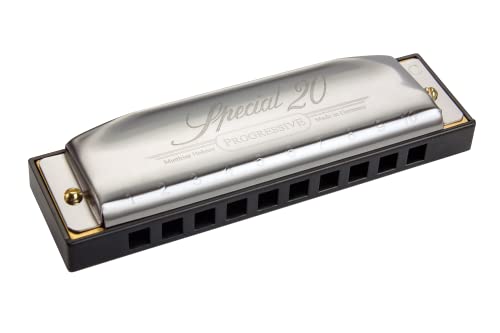
Hohner Special 20 Diatonic Harmonica Key of C
“Hohner Special 20 is the best mid-range harmonica for serious players — the recessed reed plate design eliminates sharp edges and the responsive reeds play accurately across the full range.”
See Today’s Price →What we like
Watch out for
Read Full Analysis
The Hohner Special 20 is the harmonica of choice for professional blues and rock players worldwide. The plastic comb eliminates the swelling issue of wooden-comb harmonicas, maintaining airtight reed seal throughout temperature and humidity changes. Cover plates are recessed for comfortable positioning against the lips. Reed response is precise, allowing full-range bending from holes 2 through 9. The Special 20 is the instrument that professional players teach from — when a tutorial says "harmonica in C", this is what they mean. At $29.99, it bridges the gap between toy harmonicas and expensive professional instruments, delivering professional performance at an accessible price.

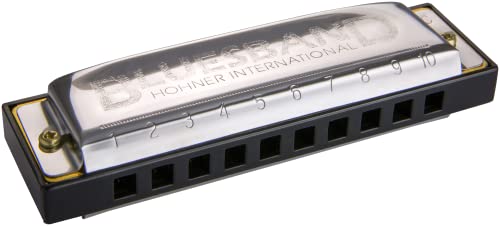
Hohner Blues Band Harmonica Key of C
“Hohner Blues Band is the most affordable Hohner harmonica for absolute beginners — reliable enough to learn on without spending Hohner Special 20 money before committing to the instrument.”
See Today’s Price →What we like
Watch out for
Read Full Analysis
The Hohner Blues Band is the most recommended first harmonica for absolute beginners — not because it is the best instrument, but because it is good enough to learn on and affordable enough that buying it feels risk-free. Brass reed plates and ABS comb construction provide consistent performance for learning single notes and chords. At $9.99, it covers the first 3-6 months of learning before most players are ready to upgrade. When you have learned to bend notes and want a better instrument, the Hohner Special 20 is the natural upgrade. This is the harmonica that every music teacher reaches for when someone asks "should I buy a harmonica before committing?"

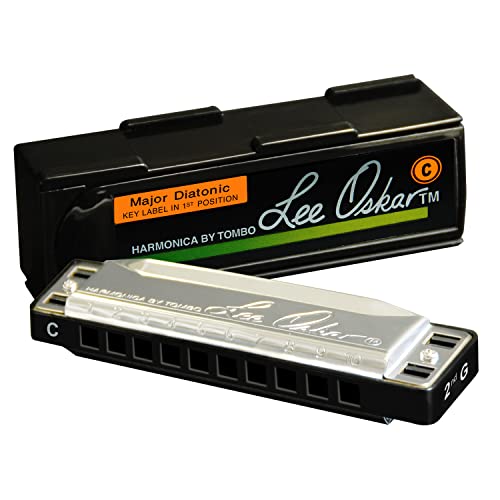
Lee Oskar Harmonica Key of C Major Diatonic
“Lee Oskar Major Diatonic is the preferred harmonica for gigging musicians — the modular design allows reed plate replacement without buying a new harmonica, making it the most cost-effective pro optio”
See Today’s Price →What we like
Watch out for
Read Full Analysis
The Lee Oskar Major Diatonic takes a different approach to harmonica longevity: instead of buying a new instrument when reeds wear out, you replace just the reed plate assembly for $14.99. This innovation makes Lee Oskar the economical choice for regular players who would otherwise spend $30+ every few months. The tone is brighter and more cutting than the Hohner Special 20, with a forward presence that projects well in live settings. Reed tolerances are precise, enabling full blues bending capability. The screwed cover plates allow easy disassembly for cleaning and maintenance — a feature unavailable on most harmonicas at any price. A long-term investment for committed players.
Harmonicas Buying Guide
 Photo by Jakson Martins / Pexels
Diatonic vs. Chromatic: Start Diatonic
Harmonicas come in two main types. Diatonic harmonicas are tuned to a single key and play the notes of that scale — they're the instrument of blues, folk, country, and rock harmonica. All three harmonicas on this page are diatonic in the key of C, which is the standard starting key for beginners. Chromatic harmonicas add a slide button that accesses all 12 semitones, making them useful for jazz and classical music but significantly more complex to learn. Unless you specifically intend to play jazz harmonica, start with a diatonic in C. You'll find more tutorials, tab resources, and beginner material in C than any other key.
Hohner Special 20 vs. Blues Band: The Quality Gap
The Hohner Blues Band at $13.49 is the most affordable way to determine if you want to keep playing harmonica. The reed quality and airtightness are basic — it works, but bending notes (a core blues technique) is harder than it needs to be, and it won't last long under heavy play. The Hohner Special 20 at $58.80 is where serious playing starts: recessed reed plates, a comfortable plastic comb, and airtight construction that makes bending and overblowing significantly more accessible. If you've played harmonica before or are serious about learning, start with the Special 20. The Blues Band is better treated as a test instrument, not a learning instrument.
Lee Oskar: The Longevity Argument
The Lee Oskar at $49.99 sits between the Blues Band and Special 20 in price but competes with the Special 20 on quality. Its primary advantage is the reed plate replacement system — Lee Oskar sells replacement reed plates separately, which means when the reeds wear out or go out of tune (inevitable with heavy playing), you replace the plates rather than the whole instrument. This makes the Lee Oskar a better long-term investment for players who stick with harmonica past the beginner stage. The Special 20 is also repairable but Lee Oskar makes the replacement parts more accessible and standardized.
Keys: Why C Is First and What Comes Next
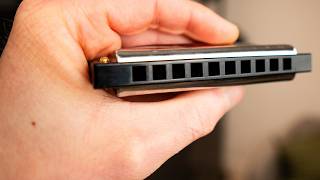
Buy your first harmonica in C. Nearly every harmonica tutorial, tab, and YouTube lesson defaults to C. Once you can play in C, you'll want other keys — blues players typically build a collection spanning A, Bb, C, D, E, F, and G to match different song keys. Blues harmonica is typically played in "cross harp" or second position, meaning a song in E uses an A harmonica, a song in A uses a D harmonica, and so on. This is learned naturally as you progress, but understanding it early helps: the key written on the harmonica is not necessarily the key of the song you're playing.
Harmonica Maintenance and Common Mistakes
Don't blow hard into a new harmonica trying to make it louder — reeds are delicate metal strips and overblowing with bad technique is the primary cause of reed failure. Play gently at first, letting air flow naturally rather than forcing it. After playing, tap the harmonica gently (holes down) on your palm to remove moisture, then store it in a case. Never leave it in a hot car — heat warps the comb, especially on wooden combs. If a reed goes flat or stops responding, avoid bending the reed yourself; professional harmonica repair or reed replacement is the correct fix. The plastic combs on the Special 20 and Lee Oskar are more durable and moisture-resistant than traditional wood combs.
Related Guides

Frequently Asked Questions
What key harmonica should beginners start with?
Diatonic vs chromatic harmonica for beginners?
Hohner Special 20 vs Lee Oskar — which is better?
How do you bend notes on a harmonica?
How long does a harmonica last?
How We Analyze Products
We analyze Amazon review data — often thousands of reviews per product — to surface patterns that individual buyers miss. Our process aggregates star ratings, review counts, and buyer sentiment at scale, identifying which strengths and weaknesses appear consistently across the largest review samples available.
Each product earned its placement through data: total review volume, average rating, and the specific praise and complaints that repeat most often across buyers. No manufacturer paid for placement on this page. Products appear here because buyers endorsed them at scale, not because a company asked us to feature them.
We use AI to summarize review sentiment — not to fabricate opinions, but to condense what thousands of buyers actually wrote into a readable format. The pros and cons you see reflect the most common themes found in verified purchaser reviews, paraphrased for clarity. We do not claim to have accessed Reddit, YouTube, or specific publications in generating these summaries.
Prices shown reflect Amazon pricing at the time this page was last generated. Click “See Today’s Price” to get the current live price on Amazon. Read our full methodology →