Best USB Audio Interface for Beginners 2026

The M-AUDIO M-Track Solo USB Audio Interface XLR Line DI Inputs is our top pick for USB Audio Interface for Beginners. It offers excellent performance for USB Audio Interface for Beginners. For budget shoppers, the Focusrite Scarlett 2i2 4th Gen USB Audio Interface offers solid value at a lower price.
See Today’s Price →At a Glance
Showing 3 of 3 products
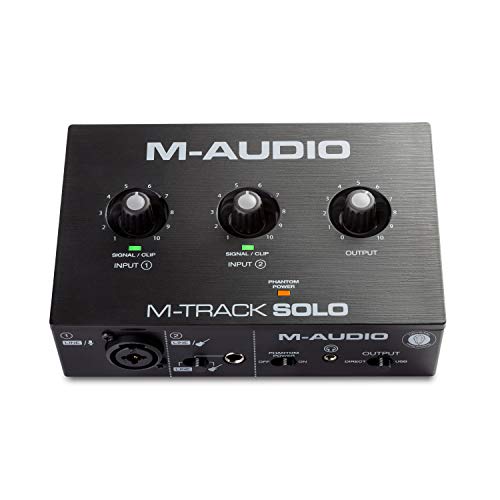
M-AUDIO M-Track Solo USB Audio Interface XLR Line DI Inputs
“The most affordable path to connecting a microphone or instrument to a computer for recording. Bus-powered USB means no separate power supply — simple and self-contained for basic home recording.”
See Today’s Price →What we like
Watch out for
Read Full Analysis
The M-Audio M-Track Solo is the most affordable way to get a dedicated audio interface for recording. One XLR/line combo input and one instrument DI input covers guitar, bass, and condenser microphone recording. Bus-powered via USB-C. Works with GarageBand, Reaper, Audacity, and most DAWs out of the box. Sound quality is good for demos and home recording. Step up to the Focusrite when you need lower latency or two simultaneous inputs.
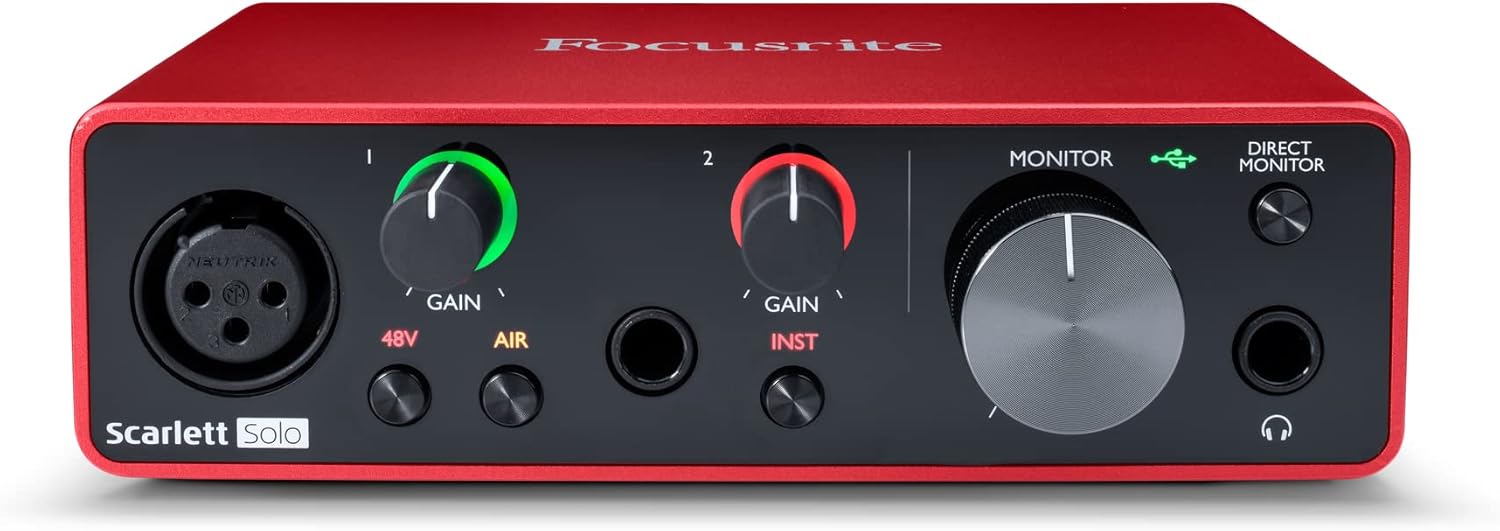
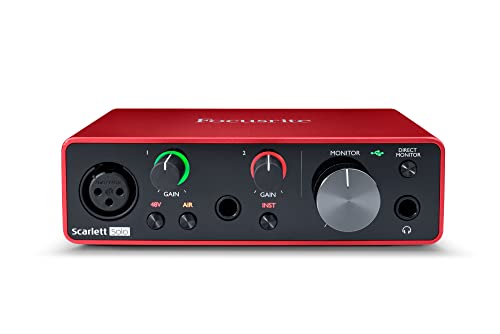
Focusrite Scarlett Solo 3rd Gen USB Audio Interface
“The most beginner-friendly audio interface — Focusrite's GAIN halo lighting makes input level setting visual and intuitive. Scarlett interfaces consistently deliver better preamp quality than their pr”
See Today’s Price →What we like
Watch out for
Read Full Analysis
The Focusrite Scarlett Solo 3rd Gen is the best-selling USB audio interface globally, and for good reason. Its class-leading preamps capture clean, professional-quality audio with very low noise floor. The Air mode adds subtle high-frequency lift that makes vocals and acoustic guitars sound more open. Works instantly on Mac (no drivers needed) and Windows (one driver download). At $119 it's the benchmark that every other beginner interface is compared against.

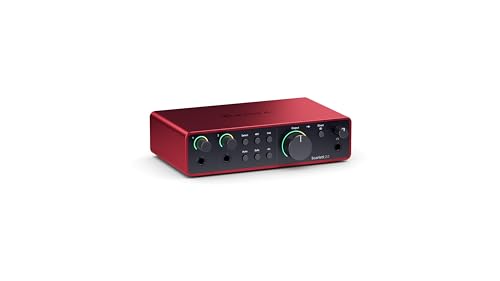
Focusrite Scarlett 2i2 4th Gen USB Audio Interface
“Best two-input interface for home recording. Focusrite preamp quality on both channels, with Air mode for professional vocal character.”
See Today’s Price →What we like
- Two inputs — record vocal + instrument simultaneously
- Focusrite 4th Gen preamps on both inputs
- Air mode and gain halo metering
- Best-selling audio interface worldwide
Watch out for
- More expensive than Solo and AudioBox
- Two inputs more than single podcasters need
USB Audio Interface for Beginners Buying Guide
 Photo by Alena Sharkova / Pexels
What a Beginner Actually Needs from an Audio Interface
A beginner home recording setup has simple requirements: one XLR input for a microphone, one instrument input for direct guitar or bass, phantom power for condenser microphones, and a headphone output for zero-latency monitoring. Both the M-AUDIO M-Track Solo and Focusrite Scarlett Solo meet these requirements. The difference isn't in what they can do — it's in how well they do it. Preamp quality (low noise, clean gain) and driver stability (no dropouts, low latency on Windows) are where the interfaces diverge. For someone recording voice memos or testing a home setup, either works. For someone who plans to actually produce or record music seriously, preamp quality becomes the meaningful variable.
M-AUDIO M-Track Solo vs. Focusrite Scarlett Solo

The M-AUDIO M-Track Solo at $49 delivers the basic functionality: XLR/combo input, instrument input, USB connectivity, and headphone monitoring. The preamps are functional but have a higher noise floor than the Focusrite, which becomes audible when recording quiet acoustic instruments or vocals with sensitive condenser microphones. The Focusrite Scarlett Solo (3rd Gen) at $110 has preamps that are a generation ahead in noise floor and transparency, plus a software bundle (Ableton Live Lite, Pro Tools First, plug-ins) that alone would cost more than the price difference. For beginners who aren't certain they'll continue recording, the M-AUDIO is a reasonable trial. For anyone who already knows they want to record vocals or acoustic instruments with quality, the Scarlett Solo is the correct buy.
Latency: The Real-Time Monitoring Problem
Latency is the delay between making sound and hearing it back through the interface. High latency makes real-time recording with headphone monitoring disorienting — you hear yourself slightly after you've played or sung. Both interfaces here support direct monitoring (listening to the input signal before it enters the computer), which eliminates software latency entirely for tracking. The key spec is the interface's driver quality on your operating system: the Scarlett Solo's drivers are consistently praised for stability and low latency on both Mac and Windows. M-AUDIO's drivers are functional but have had more reported issues on Windows systems over the years.
Software Bundles and Getting Started
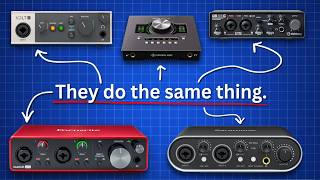
The Focusrite Scarlett Solo includes Ableton Live Lite, a fully functional (if limited) DAW that beginner producers can use immediately without additional software purchases. It also includes access to Focusrite's Plug-in Collective, which delivers free and discounted plug-ins on a rotating basis. The M-AUDIO includes a more basic software bundle. For a complete beginner who doesn't own any recording software, the Scarlett's bundle effectively reduces the price gap between the two interfaces significantly when you factor in the cost of acquiring a DAW separately.
Interface Buying Mistakes for Beginners
Don't buy an interface without also having a cable to connect your microphone or instrument — XLR cables are sold separately. Don't assume USB-A and USB-C are interchangeable: check which port your interface uses and which your computer has before buying; adapters work but add a potential failure point. Avoid buying an interface second-hand without testing every input and the headphone output — dead circuits are a common used-market issue. Don't skip the driver installation on Windows — plug-and-play may work initially, but official drivers provide the low-latency ASIO performance that makes recording practical.
Related Guides
Frequently Asked Questions
What does a USB audio interface do?
Do I need a USB audio interface for home recording?
What's the difference between 1-input and 2-input audio interfaces?
What is phantom power and when do I need it?
What software does a USB audio interface work with?
How We Analyze Products
We analyze Amazon review data — often thousands of reviews per product — to surface patterns that individual buyers miss. Our process aggregates star ratings, review counts, and buyer sentiment at scale, identifying which strengths and weaknesses appear consistently across the largest review samples available. The 12,000+ reviews analyzed on this page represent real verified-purchase feedback from Amazon buyers.
Each product earned its placement through data: total review volume, average rating, and the specific praise and complaints that repeat most often across buyers. No manufacturer paid for placement on this page. Products appear here because buyers endorsed them at scale, not because a company asked us to feature them.
We use AI to summarize review sentiment — not to fabricate opinions, but to condense what thousands of buyers actually wrote into a readable format. The pros and cons you see reflect the most common themes found in verified purchaser reviews, paraphrased for clarity. We do not claim to have accessed Reddit, YouTube, or specific publications in generating these summaries.
Prices shown reflect Amazon pricing at the time this page was last generated. Click “See Today’s Price” to get the current live price on Amazon. Read our full methodology →