Best Woodwind Instrument Reeds 2026

Alto sax players: Vandoren SR2125 Traditional Reeds ($39.00/10) are the standard — consistent, well-voiced, and specified by most conservatories. Clarinet students: D'Addario Rico Bb Clarinet Reeds ($24.99/10) are the most commonly recommended beginner-to-intermediate reed. Budget option: generic Strength 2.5 clarinet reeds ($24.99/10) work for daily practice when saving premium reeds for lessons.
See Today’s Price →At a Glance
| # | Product | Award | Price |
|---|---|---|---|
| 1 | Best Overall | $38.99 Buy → |
|
| 2 | Best Budget Clarinet Reeds | $9.99 Buy → |
|
| 3 |  Rico Organic Bb Clarinet Reeds, S… Rico Organic Bb Clarinet Reeds, S…D'Addario |
Best Mid-Range Clarinet Reeds | $24.99 Buy → |
Woodwind Instrument Reeds Buying Guide
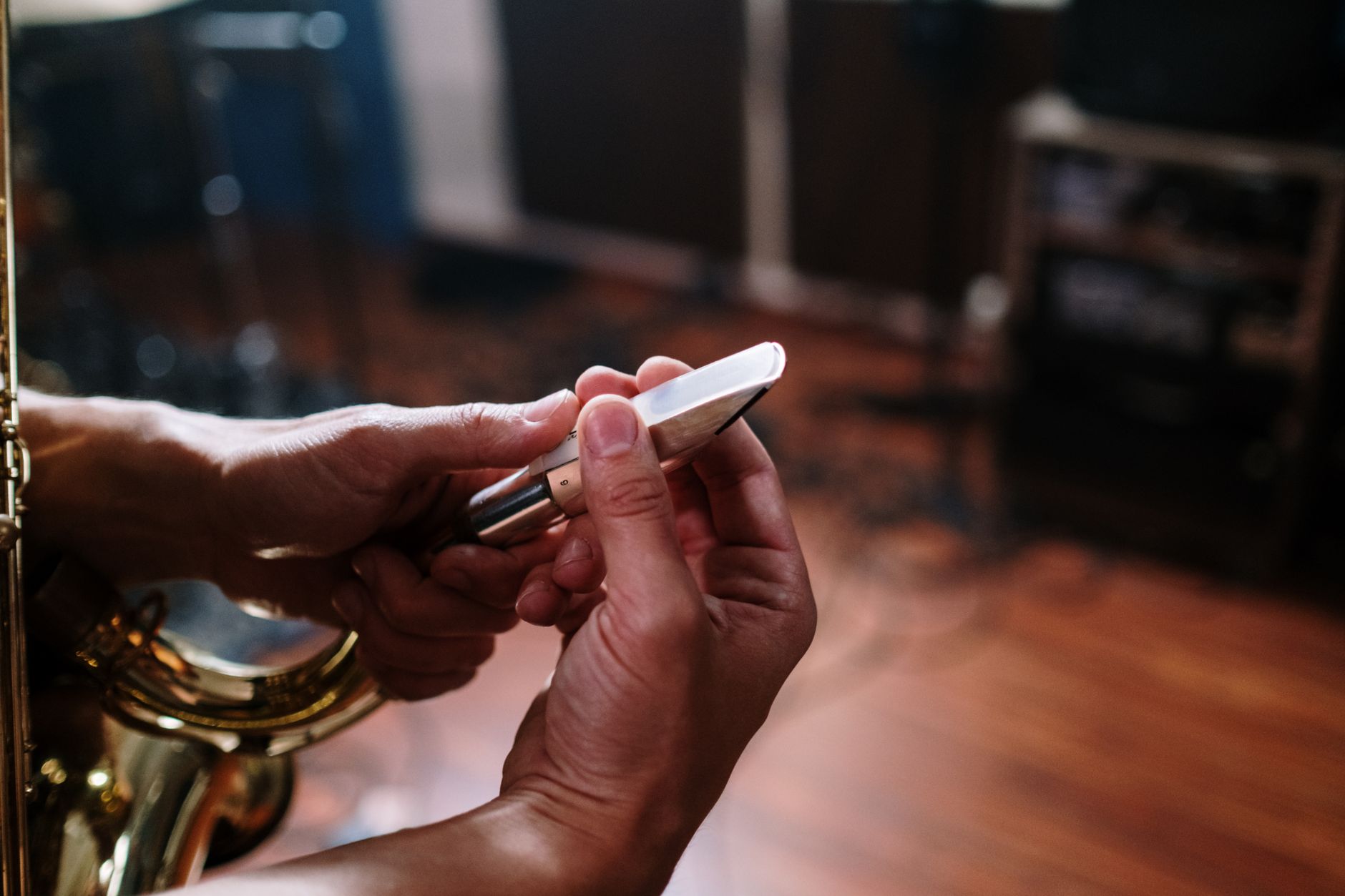 Photo by cottonbro studio / Pexels
How we picked these. We compared woodwind reeds across strength rating consistency, cane quality and box-to-box uniformity, natural cane vs. synthetic material response, beginner vs. advanced playability, and cost per usable reed, cross-referencing picks from band directors, clarinet and saxophone instructors, and music school curriculum recommendations. Products were selected for consistent response, airtight seal, and durability at each player experience level.
How to Choose Woodwind Instrument Reeds
Reeds are the most misunderstood piece of woodwind equipment — beginners often blame their instrument or mouthpiece for problems that are actually caused by a poor-fitting or incorrect-strength reed. Understanding reed strength, cut, and brand helps players at every level get more consistent results from their practicing and performing.
Reed Strength: What the Numbers Mean
Reed strength (1, 1.5, 2, 2.5, 3, 3.5, 4, 4.5, 5) measures the thickness and resistance of the reed. Lower numbers respond more easily but sacrifice tone control and projection at higher volumes. Higher numbers require more embouchure strength but reward the player with more tonal depth and dynamic range.
Starting strength for beginners:
- Clarinet: Strength 2 to 2.5 (most common teacher recommendation)
- Alto saxophone: Strength 2 to 2.5
- Tenor saxophone: Strength 2.5 to 3 (larger mouthpiece opening typically needs softer reed)
- Soprano saxophone: Same as alto (similar mouthpiece dimensions)
A reed that is too hard causes flat tone, poor response in the upper register, and embouchure fatigue. A reed that is too soft produces a thin, bright tone, squeaks easily, and feels uncontrolled. When in doubt, start softer — it is easier to build embouchure strength than to compensate for a reed that is too hard.
Reed Cuts: Filed vs. Unfiled
Filed (Traditional) cut: A thin, even coat of cane is removed from the upper area of the vamp (the thin part of the reed), creating a slightly darker, more centered tone. Vandoren Traditional reeds use this cut. More common in classical playing.

Unfiled (Natural) cut: The cane is cut without the filing step, producing a brighter, more immediately responsive tone. Rico and many student-grade reeds use the unfiled cut. More common in jazz and beginner instruction because the immediate response is forgiving for developing players.
Neither is objectively better — the right cut depends on your mouthpiece, playing style, and the sound you are trying to produce.
Brand Consistency and Reed Selection
Even premium reed brands ship boxes with variance. A standard box of 10 Vandoren reeds might contain 7 excellent reeds, 2 acceptable reeds, and 1 that should be discarded. This is normal — cane is a natural material with inherent variation.
Experienced players rotate through multiple reeds simultaneously, using a reed holder to store 4-6 reeds at various stages of break-in. A freshly opened reed should never be played for a full rehearsal or performance — soak it briefly and play it for 10-15 minutes over several days to break it in before relying on it.
Storage and Care
Reeds stored dry will warp and require significant break-in time. Reed holders that maintain slight humidity (Vandoren Hygro Case, d'Addario Reed Vitalizer System) extend reed life and reduce morning-session frustration. Do not store reeds in their original plastic sleeves after use — they trap moisture unevenly and accelerate warping. Always re-flatten a warped reed on a flat surface (glass or the reed case window) by applying slight moisture and pressure before discarding it.
When to Replace a Reed
Replace a reed when:
- The tip is chipped or has visible breaks in the cane
- The reed produces a consistently airy, thin tone despite being properly hydrated
- Tuning becomes unstable and does not stabilize after break-in
- The flat area (table) of the reed has warped and cannot be re-flattened
A well-maintained reed can last 2-4 weeks with daily practice. Beginners often change reeds more frequently because developing embouchure muscles stress the reed differently than trained players.
Related Guides
- Best Guitar Capos
- Best Guitar Tuners
- Best Drum Practice Pads
Watch Before You Buy


“Vandoren Traditional reeds — the industry standard for classical and jazz alto sax players.”
See Today’s Price →What we like
- Vandoren traditional reeds are industry standard
- Strength 2.5 is versatile for most styles
- 10-box value
Watch out for
- Premium price vs generic reeds
- Reeds still need individual break-in
- Quality varies slightly reed to reed
Read Full Analysis
Vandoren SR2125 Alto Sax Traditional Reeds are made from a single piece of premium cane and filed to the Traditional cut — the most widely used reed profile for classical players and the starting point most teachers recommend for beginners and intermediates. Strength 2.5 is a medium resistance that balances response ease with tone control. Vandoren reeds use a vamp cut that concentrates cane thickness toward the center of the blade, producing a focused, centered tone with strong projection. The box of 10 at $38.99 is standard packaging — expect 6-8 good reeds per box depending on your playing style, with the remaining reeds usable after adjustment or rotation into a reed holder. Best for alto sax students and intermediate players who want reliable, consistent reeds that match what their teacher and most sheet music is voiced for.
“Generic-brand Bb clarinet reeds in Strength 2.5 — good practice reeds at the lowest price.”
See Today’s Price →What we like
- Best price per reed in the 2.5 strength category
- Plastic case protects reeds
- 10-pack supply
Watch out for
- Noticeably less consistent than name-brand reeds
- Variable response reed to reed
- May need more break-in time
Read Full Analysis
These Bb Clarinet Reeds in Strength 2.5 offer an entry-level practice option for students who go through reeds quickly and need a cost-effective supply. At $9 for 10 reeds, they are the least expensive clarinet reeds available and serve well as everyday practice reeds — saving the better Rico or Vandoren reeds for lessons and performances. Cane consistency is lower than name-brand alternatives, meaning more variance between reeds in a box. Best for beginners practicing daily who need a large supply without a high per-reed cost, or for doubling musicians who play clarinet occasionally alongside a primary instrument.
“D'Addario Rico Bb clarinet reeds — consistent, widely available, and teacher-recommended.”
See Today’s Price →What we like
- D'Addario Rico reeds are widely trusted
- Strength 2.5 suits most intermediate players
- 10-pack value
Watch out for
- Less consistent than Vandoren at higher prices
- Must break in each reed individually
Read Full Analysis
D'Addario Woodwinds Rico Bb Clarinet Reeds in Strength 2.5 are the most commonly recommended reed for beginner to intermediate clarinet students. Rico reeds use an unfiled (natural) cut that produces a bright, responsive tone with easy articulation — characteristics that make them forgiving for developing embouchures. At $24 for 10, they sit between the budget generic reeds and premium Vandoren options in both price and consistency. Most clarinet teachers specify Rico strength 2 or 2.5 for beginning students. Best for students who need a reliable everyday reed that matches what their teacher expects and performs well across a range of mouthpiece models.
Frequently Asked Questions
What strength reed should a beginner clarinet or saxophone player start with?
How many reeds from a box of 10 will actually be usable?
What is the difference between Vandoren and Rico reeds?
Can I use the same reed strength I use for one instrument on a different instrument?
How do I break in a new reed?
How We Analyze Products
We analyze Amazon review data — often thousands of reviews per product — to surface patterns that individual buyers miss. Our process aggregates star ratings, review counts, and buyer sentiment at scale, identifying which strengths and weaknesses appear consistently across the largest review samples available. The 12,836+ reviews analyzed on this page represent real verified-purchase feedback from Amazon buyers.
Each product earned its placement through data: total review volume, average rating, and the specific praise and complaints that repeat most often across buyers. No manufacturer paid for placement on this page. Products appear here because buyers endorsed them at scale, not because a company asked us to feature them.
We use AI to summarize review sentiment — not to fabricate opinions, but to condense what thousands of buyers actually wrote into a readable format. The pros and cons you see reflect the most common themes found in verified purchaser reviews, paraphrased for clarity. We do not claim to have accessed Reddit, YouTube, or specific publications in generating these summaries.
Prices shown reflect Amazon pricing at the time this page was last generated. Click “See Today’s Price” to get the current live price on Amazon. Read our full methodology →