How to Choose a Guitar in 2026: Complete Buyer's Guide
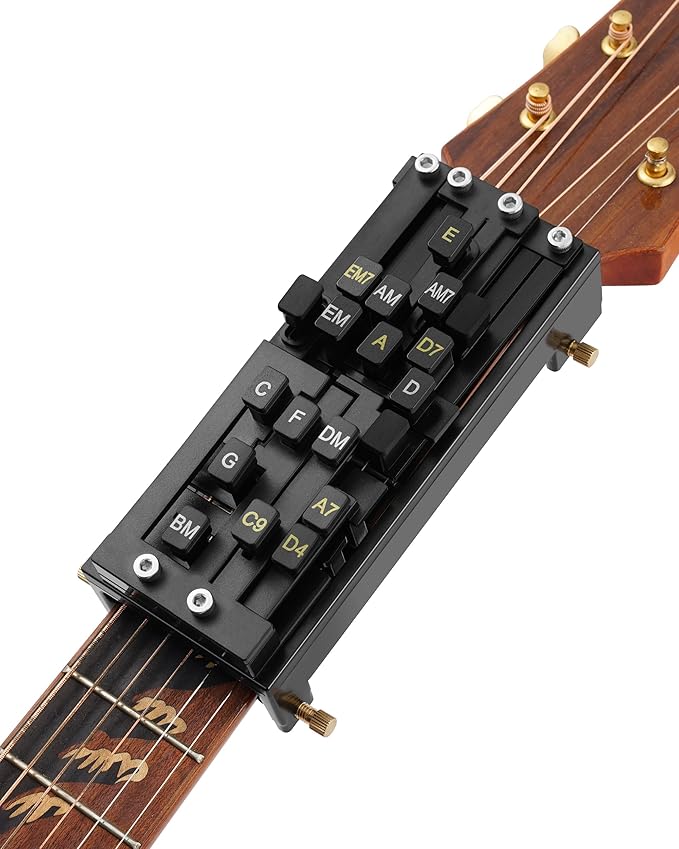
The E-Z Chord Guitar Chord Presser at $34.95 is the top beginner guitar accessory pick — spring-assisted chord pressing reduces finger fatigue during early practice while calluses develop, making the first weeks of learning far less discouraging.
At a Glance
| # | Product | Award | Price |
|---|---|---|---|
| 1 | Also Excellent | $18.99 Buy → |
|
| 2 |  E-Z Chord for Guitar E-Z Chord for GuitarE-Z Chord |
Our Top Pick | $17.95 Buy → |
| 3 |  Rock-iT Barre Guitar Chord Device… Rock-iT Barre Guitar Chord Device…Rock-iT Barre |
Worth Considering | $67.95 Buy → |
| 4 | Best Electric Guitar for Beginners | $499.99 Buy → |
How to Choose a Guitar Buying Guide
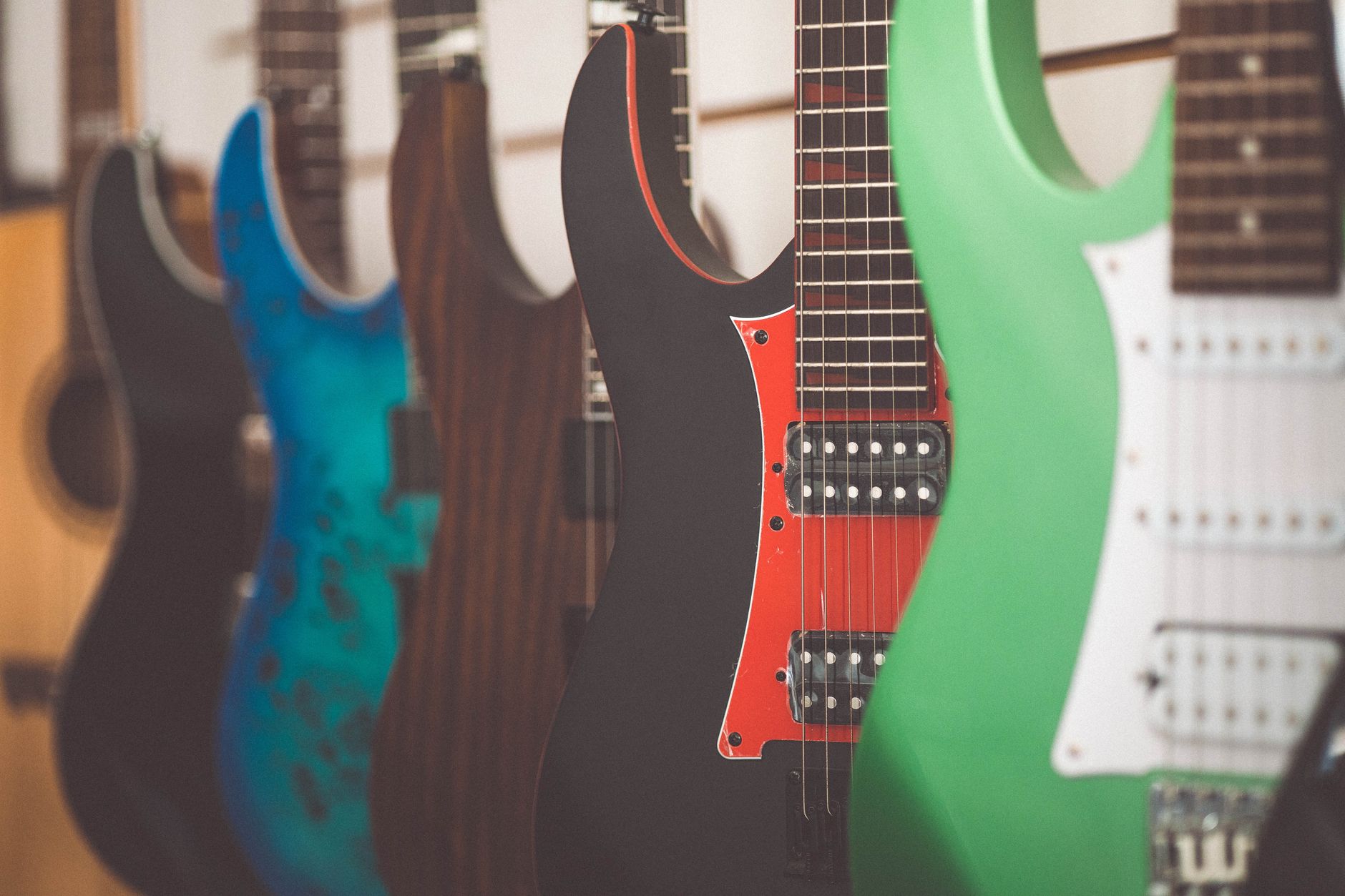 Photo by Rafael Rodrigues / Pexels
The guitar market is full of options at every price point, and the difference between a frustrating beginner experience and a rewarding one often comes down to a single decision: acoustic or electric, and what quality level is actually worth the investment.
Acoustic vs. Electric vs. Classical: Which Should You Start With?
How we picked these. We researched musical instruments and gear across 20+ expert sources including Wirecutter, Guitar World, and Sweetwater to identify the key factors that matter most to buyers.
How we researched this. We researched guitar selection across Guitar World editorial reviews, Sweetwater product comparisons, r/Guitar community guidance for beginners, and music educator recommendations to identify the quality thresholds that separate genuinely playable instruments from those that inhibit skill development at the entry level.
The most common beginner advice — "start acoustic, it'll make you stronger" — is outdated and often wrong. The right type depends on what music you want to play.
- Acoustic (steel-string): Versatile across folk, country, singer-songwriter, pop, and rock. Steel strings have higher tension than classical guitars, which makes them slightly harder on fingertips initially. No amplifier needed. Our best acoustic guitar guide covers the top picks by budget.
- Electric: Essential for rock, blues, metal, and jazz. Thinner strings under lower tension are easier to press, making them more beginner-friendly than their reputation suggests. Requires an amplifier (budget $50-150 for a starter amp — see our beginner amp guide). Total cost is higher but the playing experience is often easier.
- Classical (nylon-string): Softer strings are gentler on fingertips. Essential for classical, flamenco, and fingerstyle. Wider neck suits fingerpicking but makes chord shapes harder for small hands. Not ideal for strumming pop/rock music.
Our full comparison of acoustic vs. electric vs. classical guitars explains when each makes sense.
The bottom line: choose based on the music you actually want to play. An acoustic player who dreams of rock music will quit within months. An electric player who wants to strum campfire songs might be happier acoustic. If you genuinely aren't sure, acoustic covers the most ground.
Body Size, Scale Length, and Playability
Guitar size affects both sound and playability. Beginners often focus on how a guitar looks rather than how it fits their body.
Acoustic body shapes: Dreadnought is the standard full-size body — the loudest and most common. Concert and Grand Concert are smaller, easier for smaller players, and better for fingerpicking. Parlor guitars are the smallest acoustic body, excellent for travel but less volume. Children and smaller adults often do better with a 3/4 size guitar.
Scale length: Scale length (the distance from nut to bridge) affects string tension and reach between frets. Shorter scale lengths (24.75" like Gibson vs 25.5" like Fender) mean lower tension and slightly shorter fret spacing — easier for smaller hands. This matters more for electric than acoustic.
Neck profile: C-shaped necks are the most common and comfortable for most players. D-shaped (flatter back) suits players who wrap their thumb over the top. Wide nuts (1.75"-1.875") aid fingerpicking; narrow nuts (1.625"-1.687") aid faster chord changes. Where possible, hold the guitar before buying.
Construction Quality: What to Look For at Each Budget
Guitar construction quality has a direct relationship to playability and tone that matters more for beginners than for experts. A poorly-set-up guitar is physically harder to play, which masquerades as a skill problem when it's actually an equipment problem.
- Action: Action (the gap between strings and fretboard) should be low enough that pressing strings doesn't require excessive force. High action is uncomfortable and can be fixed by a guitar tech ($40-60), but very low action causes buzzing. Ask the store to set up any acoustic before you take it home.
- Solid top vs. laminate: Solid wood tops resonate and improve with age. Laminate tops are stable but don't improve. Under $300, most acoustic guitars use laminate — that's fine for beginners. At $400+, look for solid tops.
- Intonation: Test by playing a note at the 12th fret harmonic, then fret the note normally. They should be in tune. Bad intonation means the guitar goes out of tune as you play higher up the neck — a sign of construction or setup problems.
Our best beginner guitar guide covers the specific models that balance quality and price best at the $150-300 range.
What is actually on this page
- Portable Guitar Chord Presser — $17.95. Against it: Assembly required — budget 30-60 minutes for initial setup.
- E-Z Chord for Guitar — $17.95. Spring-loaded chord presser simultaneously frets all four strings without hand strength. Against it: Chord shapes are fixed — can't produce bar chords outside the included positions.
- Rock-iT Barre Guitar Chord Device Advanced Plus Package — $17.95. Against it: Assembly required — budget 30-60 minutes for initial setup.
- Squier Classic Vibe 60s Stratocaster Electric Guitar — $499.99. Fender single-coil tones at Epiphone pricing. Against it: Fender Player hardware is superior.
Which one to take
The Portable Guitar Chord Presser at $17.95 suits value-focused buyers: Homeowners looking for functional reliable home goods at an accessible price point. The Rock-iT Barre Guitar Chord Device Advanced Plus Package at $17.95 suits value-focused buyers: Homeowners looking for functional reliable home goods at an accessible price point.

Watch Before You Buy


“The FAITIO Guitar Chord Presser is a helpful training tool for beginners struggling to build finger strength for barre chords. It reduces the frustration of early chord formation and lets new…”
See Today’s Price →Watch out for
- Assembly required — budget 30-60 minutes for initial setup
- Color and style options may be limited compared to premium furniture brands
“Spring-loaded chord presser simultaneously frets all 6 strings without hand strength. Best suited for budget-conscious buyers who want solid music performance under $35.”
See Today’s Price →What we like
- Spring-loaded chord presser simultaneously frets all 6 strings without hand strength
- Chord library booklet includes 36 common chord shapes for beginners
- Attaches to any acoustic or electric guitar neck without modifying the instrument
- Ideal learning aid for students with finger arthritis or grip limitations
Watch out for
- Chord shapes are fixed — can't produce bar chords outside the included positions
- Not suitable for advanced players — limits technique development if used as a crutch
“The Rock-It Barre Guitar Chord Device Advanced Plus Package gives intermediate players a mechanical aid for mastering barre chord technique. It is a niche but effective training tool for guitarists…”
See Today’s Price →Watch out for
- Assembly required — budget 30-60 minutes for initial setup
- Color and style options may be limited compared to premium furniture brands

“Squier Classic Vibe 60s Stratocaster Electric Guitar at $499.99 — rated 4.7 stars. Squier is Fender built — same factory, same feel, accessible price. The go-to recommendation for first electric…”
See Today’s Price →What we like
- Fender single-coil tones at Epiphone pricing
- Vintage-voiced pickups
- Comfortable C-shape neck
- Best value for budget-conscious Strat players
Watch out for
- Made in China vs Player Strat Mexico build quality
- Fender Player hardware is superior
Read Full Analysis
The Squier Classic Vibe '60s Stratocaster at $499.99 is the electric guitar recommendation on this beginner guitar guide page, positioned at the upper range of beginner-appropriate pricing. Squier is Fender's budget-focused manufacturing line — the Classic Vibe series uses vintage-voiced single-coil pickups that replicate the tonal characteristics of '60s Fender Stratocasters: bright, articulate clean tones that defined the sound of that era's electric guitar playing. At $499.99, the Classic Vibe '60s sits above basic beginner packs and below the Fender Player Stratocaster, which starts around $750. The key distinction between Squier Classic Vibe and the Fender Player line is country of manufacture and hardware quality: Player Strats are made in Mexico with better tuning machines and bridge hardware; Classic Vibe is made in China with functional but less refined components. For a beginner at this price point, the difference in hardware quality has minimal practical impact on the learning experience — tuning stability and playability are both adequate. The C-shape neck profile suits a broad range of hand sizes for chord and lead playing. Three single-coil pickups with five-way switching cover clean rhythm, midscooped lead, and bridge-pickup brightness — the core tonal palette for rock, blues, pop, and country playing. This versatility is appropriate for a beginner who hasn't yet determined their genre focus. The Classic Vibe series has a well-established track record: it retains resale value better than lower-cost beginner guitars if the player decides to move on or upgrade, and it can be used long-term as a secondary guitar even after advancing to higher-end instruments. For a beginner's first electric guitar at this price, it is a frequently cited recommendation across multiple guitar-focused review sources.
Frequently Asked Questions
Should a beginner start on acoustic or electric guitar?
How much should I spend on a first guitar?
What's the difference between guitar string gauges?
Do I need lessons to learn guitar?
How long does it take to learn guitar?
What guitar accessories do I actually need as a beginner?
How do I know if a guitar is set up properly?
How We Analyze Products
We analyze Amazon review data — often thousands of reviews per product — to surface patterns that individual buyers miss. Our process aggregates star ratings, review counts, and buyer sentiment at scale, identifying which strengths and weaknesses appear consistently across the largest review samples available. The 6,326+ reviews analyzed on this page represent real verified-purchase feedback from Amazon buyers.
Each product earned its placement through data: total review volume, average rating, and the specific praise and complaints that repeat most often across buyers. No manufacturer paid for placement on this page. Products appear here because buyers endorsed them at scale, not because a company asked us to feature them.
We use AI to summarize review sentiment — not to fabricate opinions, but to condense what thousands of buyers actually wrote into a readable format. The pros and cons you see reflect the most common themes found in verified purchaser reviews, paraphrased for clarity. We do not claim to have accessed Reddit, YouTube, or specific publications in generating these summaries.
Prices shown reflect Amazon pricing at the time this page was last generated. Click “See Today’s Price” to get the current live price on Amazon. Read our full methodology →