Sennheiser vs beyerdynamic Studio Headphones: Which German Brand Wins?

beyerdynamic DT 770 Pro 80 Ohm is our top pick for recording sessions: its closed-back design isolates sound during tracking, prevents bleed into microphones, and delivers accurate bass monitoring. Sennheiser HD 560S is the better choice for mixing, mastering, and critical listening where soundstage and transparency matter more.
See Today’s Price →At a Glance
Showing 3 of 3 products
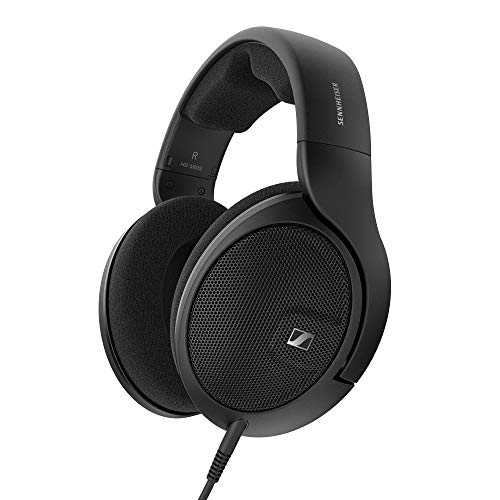
Sennheiser HD 560S Open-Back Headphones
“Best for mixing, mastering, and critical listening. Open-back soundstage provides the natural, speaker-like transparency that closed-back headphones cannot achieve.”
See Today’s Price →What we like
- Open-back design for natural wide soundstage
- Reference-neutral tuning for accurate mixing
- Lightweight for extended listening sessions
- Excellent soundstage for audiophile and gaming use
Watch out for
- No sound isolation — leaks in both directions
- Not for recording sessions
- Requires quiet environment
Read Full Analysis
Sennheiser HD 560S Open-Back Headphones are the reference-grade open-back headphones — the open-back design allows air to pass through the ear cup, providing a natural, spacious soundstage that sounds closer to listening through studio monitors than closed-back alternatives. This openness creates a wider spatial presentation ideal for mixing and critical listening. The HD 560S uses a lightweight transducer tuned for neutral frequency response — the 120-ohm impedance provides a flat, accurate sound signature without the coloration of headphones tuned for consumer listening. Against beyerdynamic DT 770 Pro closed-back, the HD 560S is open-back — it leaks sound into the environment and picks up ambient noise, making it unsuitable for recording environments but providing superior spatial accuracy for mixing. The HD 560S's 300-gram weight is remarkably light for full-size open-back headphones, improving extended session comfort. For mix engineers, producers, and critical listeners who work in quiet environments and prioritize accurate spatial presentation, HD 560S is a compelling reference option.

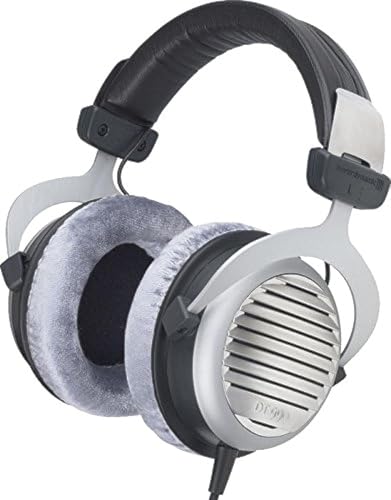
beyerdynamic DT 990 Pro 250 Ohm Open-Back Headphones
“Best for amplified studio setups where beyerdynamic build quality meets open-back monitoring.”
See Today’s Price →What we like
- Open-back wide soundstage
- Extended high-frequency detail
- 250 ohm quality for amplified use
- beyerdynamic build quality and reputation
Watch out for
- Requires headphone amplifier for best results at 250 ohm
- Bright treble — can be fatiguing on long sessions
Read Full Analysis
beyerdynamic DT 990 Pro 250 Ohm Open-Back Headphones are beyerdynamic's open-back alternative to the closed DT 770 Pro — the open design provides the spacious soundstage of open-back headphones with beyerdynamic's characteristic bright, detailed treble response. The 250-ohm impedance requires a headphone amplifier or interface with a strong headphone output to achieve adequate volume levels. The velour ear pads and padded headband provide comfort for multi-hour sessions. Against Sennheiser HD 560S open-back, the DT 990 Pro has a notably more V-shaped sound signature with enhanced bass and treble versus the HD 560S's more neutral tuning — a preference choice that divides audiophiles and recording professionals. The brighter treble provides detail retrieval that some engineers prefer for hearing high-frequency recording problems; others find the non-neutral tuning introduces mix decisions they don't trust. For producers who have evaluated both and prefer beyerdynamic's treble-forward detail extraction for their mixing workflow, DT 990 Pro is a capable open-back reference option.
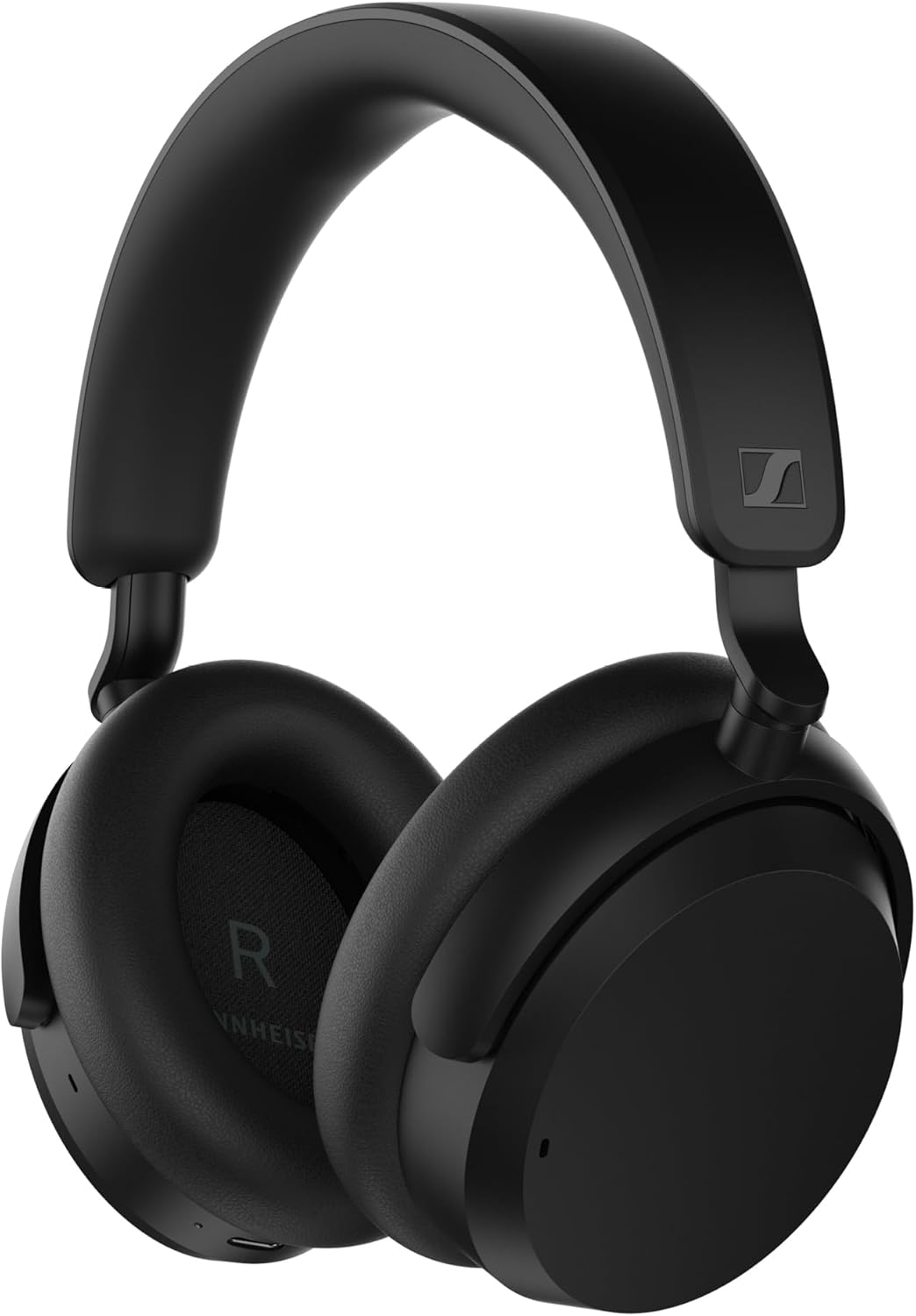
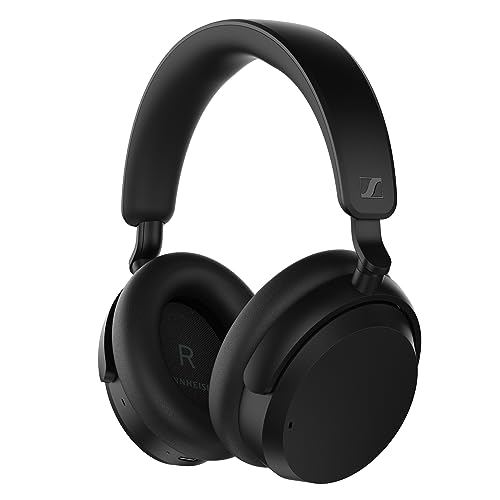
Sennheiser ACCENTUM Wireless Noise Cancelling Headphones
“The Sennheiser ACCENTUM delivers the house sound that made Sennheiser famous — neutral, detailed, and fatigue-free — in a wireless package at $150. The ANC is functional rather than exceptional, and c”
See Today’s Price →What we like
- Sennheiser's signature neutral, reference-quality sound at $150
- 50-hour battery with ANC off
- Lightweight 230g for all-day comfort
- Honest, balanced tuning preferred by critical listeners
- USB-C charging
Watch out for
- ANC is adequate but not class-leading
- No LDAC — aptX only
- Microphone quality is mediocre
- Minimal app features
Sennheiser vs beyerdynamic Studio Headphones Buying Guide
## Sennheiser vs beyerdynamic Studio Headphones: Complete 2026 Comparison
beyerdynamic DT 770 Pro 80 Ohm is our recommendation for most studio and home recording use. The closed-back design makes it the professional standard for recording — when you're tracking vocals or instruments with a microphone, you need closed-back headphones to prevent sound leaking into the recording. The 80-ohm version drives well from audio interfaces without requiring a dedicated headphone amplifier. Great for: Recording sessions where isolation is needed (vocal tracking, live sessions), producers who need accurate monitoring without distraction, home studio users without separate headphone amps. Not ideal if: You primarily mix and master and want the wide, natural soundstage that only open-back headphones provide.

Closed vs Open: The Only Question That Matters

This comparison is really about use case, not brand quality. Open and closed-back headphones serve fundamentally different purposes:
Closed-back (DT 770 Pro): Isolation for recording sessions, monitoring in loud environments, focus without distraction. Sound stays in; outside noise stays out.
Open-back (HD 560S): Natural soundstage for mixing, mastering, and critical listening. Air flows freely for a more speaker-like experience but leaks sound both ways.
The wrong headphone for the use case is worse than a cheaper correct headphone.
Sound Signature: Complementary, Not Competing
beyerdynamic DT 770 Pro is well-known for elevated bass and bright treble — a V-shaped sound signature that's fun for music listening and works well for tracking (helps you hear the low end you're recording). Sennheiser HD 560S is flatter/more neutral — better for mixing where accurate representation is more important than an enjoyable listening experience.
Both are comfortable for extended use but different. beyerdynamic has higher clamping force (stays put during active recording sessions). Sennheiser has lower clamping force (more comfortable for 3+ hour mixing sessions). For marathon mixing sessions, the HD 560S is generally preferred.
beyerdynamic DT 770 Pro for recording, tracking, and monitoring in studio sessions. Sennheiser HD 560S for mixing, mastering, and critical listening where open-back soundstage and transparency are valued.

Frequently Asked Questions
Should I use open-back or closed-back headphones for recording?
What is the difference between 80 ohm and 250 ohm beyerdynamic DT 770 Pro?
Are Sennheiser HD 560S headphones good for gaming?
Do beyerdynamic DT 770 Pro need a headphone amplifier?
Which headphones are better for music production overall?
How We Analyze Products
We analyze Amazon review data — often thousands of reviews per product — to surface patterns that individual buyers miss. Our process aggregates star ratings, review counts, and buyer sentiment at scale, identifying which strengths and weaknesses appear consistently across the largest review samples available. The 20,300+ reviews analyzed on this page represent real verified-purchase feedback from Amazon buyers.
Each product earned its placement through data: total review volume, average rating, and the specific praise and complaints that repeat most often across buyers. No manufacturer paid for placement on this page. Products appear here because buyers endorsed them at scale, not because a company asked us to feature them.
We use AI to summarize review sentiment — not to fabricate opinions, but to condense what thousands of buyers actually wrote into a readable format. The pros and cons you see reflect the most common themes found in verified purchaser reviews, paraphrased for clarity. We do not claim to have accessed Reddit, YouTube, or specific publications in generating these summaries.
Prices shown reflect Amazon pricing at the time this page was last generated. Click “See Today’s Price” to get the current live price on Amazon. Read our full methodology →