Shure vs Audio-Technica Microphone 2026: Broadcast Legend vs Studio
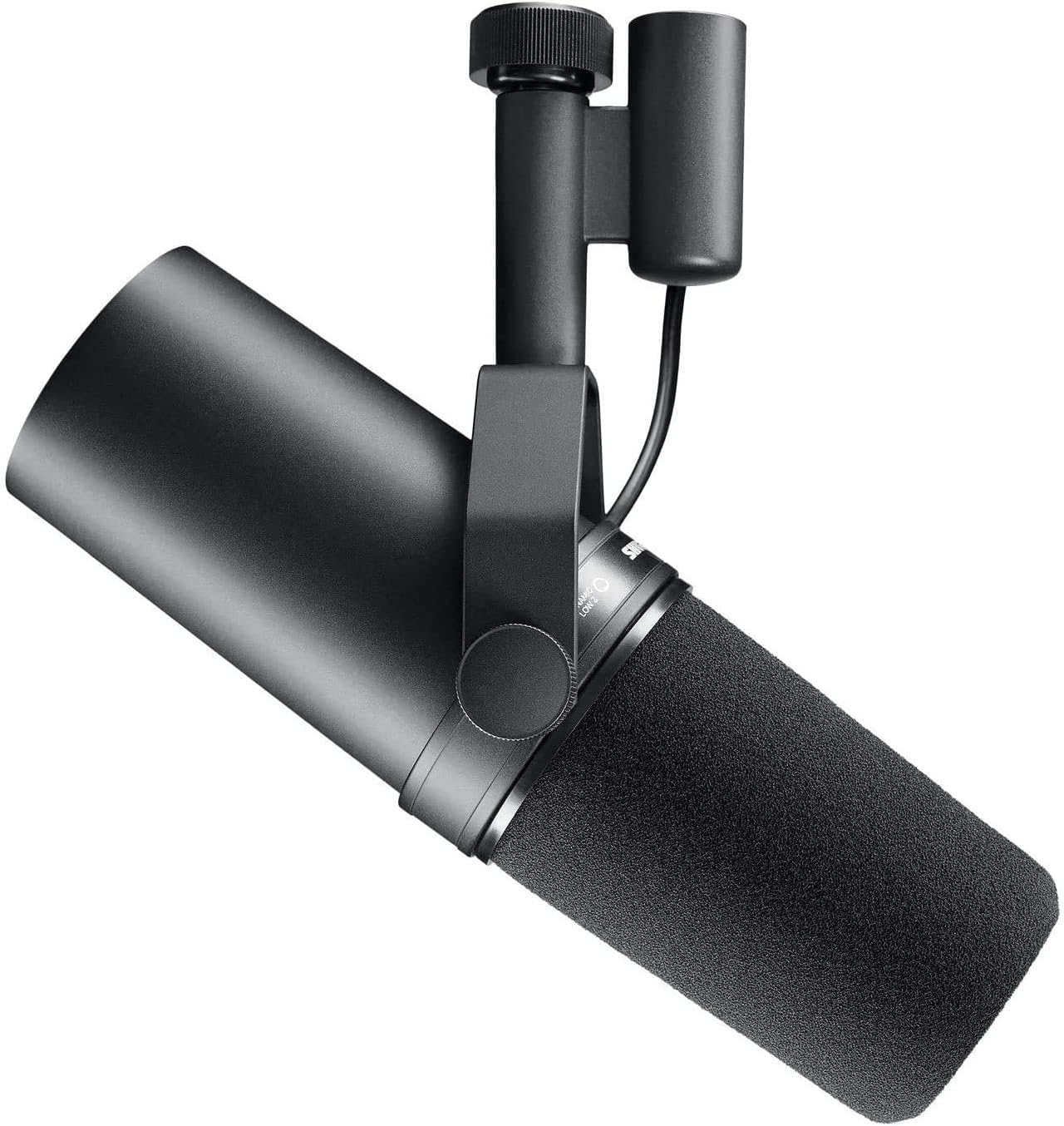
Shure SM7B is our top pick for podcasters, broadcasters, and vocal recording in untreated rooms. The SM7B's internal shielding and rejection of room noise is unmatched at any price. Audio-Technica AT2020 is the better value for home studio recording where you have some acoustic treatment and want condenser detail at under $100.
See Today’s Price →At a Glance
Showing 3 of 3 products
Shure SM7B Vocal Dynamic Microphone
“The professional broadcast standard. Sounds professional even in untreated rooms — the defining advantage over condenser mics.”
See Today’s Price →What we like
- Internal EMI shielding blocks interference
- Rejects room noise and reflections
- Industry broadcast standard — podcast and radio
- Built-in air suspension eliminates vibration noise
Watch out for
- Expensive — ~$399 plus Cloudlifter needed
- Requires high-gain preamp for best results
- No USB option — XLR only
Read Full Analysis
Shure SM7B Vocal Dynamic Microphone is the broadcast standard microphone — originally developed for broadcast and radio applications, the SM7B became the dominant podcasting and streaming microphone due to its ability to capture clean, warm vocal sound in untreated rooms without capturing the room reflections that condenser microphones would emphasize. The cardioid pattern and integrated pop filter handle close-proximity vocal work without plosive distortion. The bass rolloff and presence boost switches allow tonal shaping without external EQ. Against Audio-Technica AT2020 condenser on this page, SM7B is a dynamic microphone — more resistant to room noise and background interference, better for untreated recording spaces. The SM7B requires a preamp with significant gain (60-70dB) — a Cloudlifter or interface with strong preamp (like Focusrite Scarlett Solo's upgraded preamp) is necessary. For podcasters, streamers, and vocal performers who record in untreated rooms, the SM7B's noise rejection and warm vocal character justify its position as the category-defining broadcast vocal microphone.

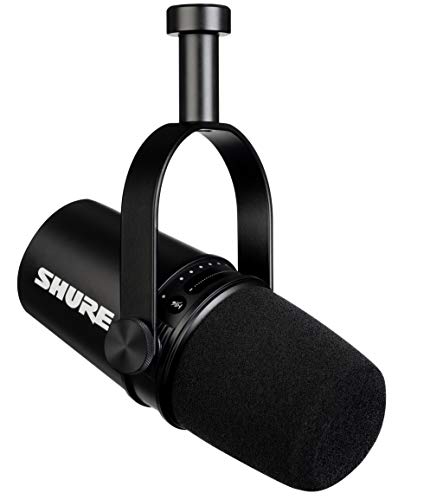
Shure MV7 USB Podcast Microphone Black
“The Shure MV7 is the professional's choice for streaming in noisy environments — its dynamic capsule and voice-isolating technology deliver broadcast-quality audio with superior background noise rej”
See Today’s Price →What we like
- Dynamic mic design rejects background noise far better than condensers
- Dual USB and XLR output — upgrades to audio interface later without replacing mic
- Voice-isolating technology targets voice frequencies
- Touch-panel controls for gain, monitoring, and mute on the mic body
- ShurePlus MOTIV app for EQ and compression on-device
- Built like professional broadcast equipment
Watch out for
- Cardioid-only (no multiple polar patterns like Blue Yeti)
- More expensive at $150
- Dynamic mics can sound thinner than condensers without proximity effect
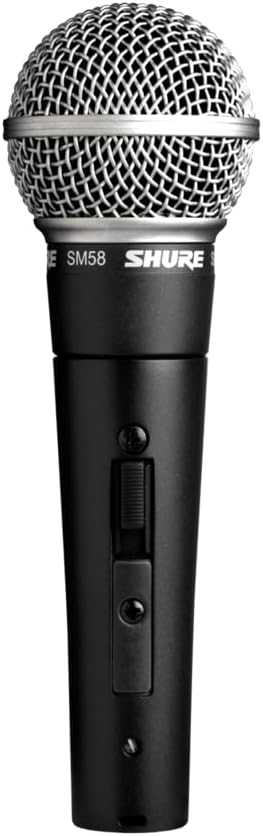
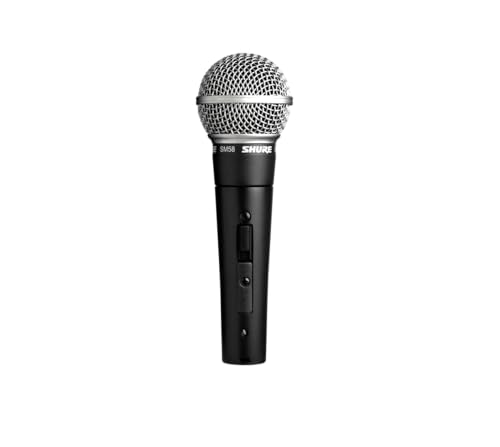
Shure SM58S Dynamic Vocal Microphone Cardioid with On/Off Switch
“The SM58 with the on/off switch that live performers prefer for MC work and between-song breaks. The switch mechanism is solid enough that accidental activation during singing is minimal.”
See Today’s Price →Shure vs Audio-Technica Microphone Buying Guide
## Shure vs Audio-Technica Microphone: Complete 2026 Comparison
Shure SM7B is the professional broadcast standard for a reason: its internal electromagnetic shielding blocks computer and lighting interference, its cardioid pattern rejects room reflections, and its built-in air suspension eliminates mechanical noise from typing and desk vibrations. Podcasters from Joe Rogan to Barack Obama have used it. At $399, it's a serious investment — but it's also a lifetime purchase. Great for: Podcasters, broadcasters, voice actors, and home recording artists without acoustic treatment. Anyone who records in a less-than-ideal acoustic environment. Professional use cases where audio quality is non-negotiable. Not ideal if: Budget is under $200 — the SM7B requires a preamp with sufficient gain (Cloudlifter recommended) which adds $60-150 to the total cost.

Dynamic vs Condenser: The Fundamental Choice
This is the most important decision in microphone selection. Dynamic microphones (SM7B) are less sensitive, more directional, and resistant to acoustic problems. Condenser microphones (AT2020) are more sensitive, capture more detail, but also capture more room noise, reflections, and interference.
If you record in a treated studio: condenser mics like the AT2020 will sound better. If you record in an untreated room, office, or bedroom: dynamic mics like the SM7B will sound more professional despite the price difference.
The SM7B's low sensitivity (-59 dBV/Pa) requires a preamp with 60+ dB of clean gain. Most audio interfaces provide 50-55 dB max, resulting in a noisy signal without a Cloudlifter ($150) or high-gain interface. The true SM7B cost is $399 + $150 Cloudlifter = ~$550 for most setups. Budget accordingly.
SM7B for professional broadcast, podcast, and vocal recording in any environment — it solves acoustic problems that condenser mics amplify. AT2020 for home studio music recording in a treated space where its condenser sensitivity is an asset, not a liability.
Frequently Asked Questions
Do I need a Cloudlifter with the Shure SM7B?
Is the Audio-Technica AT2020 better than the SM7B?
Can I use these microphones for YouTube videos?
What audio interface do I need for a Shure SM7B or AT2020?
Which is better for recording acoustic guitar: Shure or Audio-Technica?
How We Analyze Products
We analyze Amazon review data — often thousands of reviews per product — to surface patterns that individual buyers miss. Our process aggregates star ratings, review counts, and buyer sentiment at scale, identifying which strengths and weaknesses appear consistently across the largest review samples available. The 24,939+ reviews analyzed on this page represent real verified-purchase feedback from Amazon buyers.
Each product earned its placement through data: total review volume, average rating, and the specific praise and complaints that repeat most often across buyers. No manufacturer paid for placement on this page. Products appear here because buyers endorsed them at scale, not because a company asked us to feature them.
We use AI to summarize review sentiment — not to fabricate opinions, but to condense what thousands of buyers actually wrote into a readable format. The pros and cons you see reflect the most common themes found in verified purchaser reviews, paraphrased for clarity. We do not claim to have accessed Reddit, YouTube, or specific publications in generating these summaries.
Prices shown reflect Amazon pricing at the time this page was last generated. Click “See Today’s Price” to get the current live price on Amazon. Read our full methodology →