Best Cat Litter Box Liners 2026: Jumbo & Drawstring
PETSWORLD Heavy Duty liners are the best choice for cats that dig aggressively — the thicker material resists claw punctures that immediately compromise cheaper liners. For value-first buyers, the 80-count drawstring bags ($24.99) are adequately thick for cats that scratch moderately, and the cost per liner is hard to beat. Jonny Cat Jumbo ($10.99/15-count) is the best buy for jumbo boxes or trying liners before committing to a larger quantity.
Cat Litter Box Liners Buying Guide
 Photo by MuffinLand / Pexels
## How to Choose Cat Litter Box Liners
Cat litter box liners simplify the least pleasant aspect of cat ownership — changing litter. The right liner makes cleanup fast and odor-controlled; the wrong one tears when your cat scratches and creates a bigger mess than just cleaning the box directly. Here's what to look for.
Why Cats Scratch Through Liners (and How to Prevent It)
The primary reason cat owners abandon litter box liners is that their cat claws right through them. Cats scratch in the litter box for two reasons: to bury waste (natural instinct) and to find the "right" spot. This scratching motion digs claws into the liner repeatedly, and thin plastic tears quickly. The solution is thickness — heavier gauge plastic resists puncture significantly better than thin liners, even under the same scratching behavior.
Liners marked "heavy duty" should be at least 15-20 microns thick. At this thickness, most cats can scratch without puncturing the liner. Very aggressive diggers may still tear through any plastic liner — for these cats, switching to a self-cleaning litter box or a box with smooth, easy-to-wipe sides may be more practical.
PETSWORLD Heavy Duty Liners: Best for Aggressive Scratchers
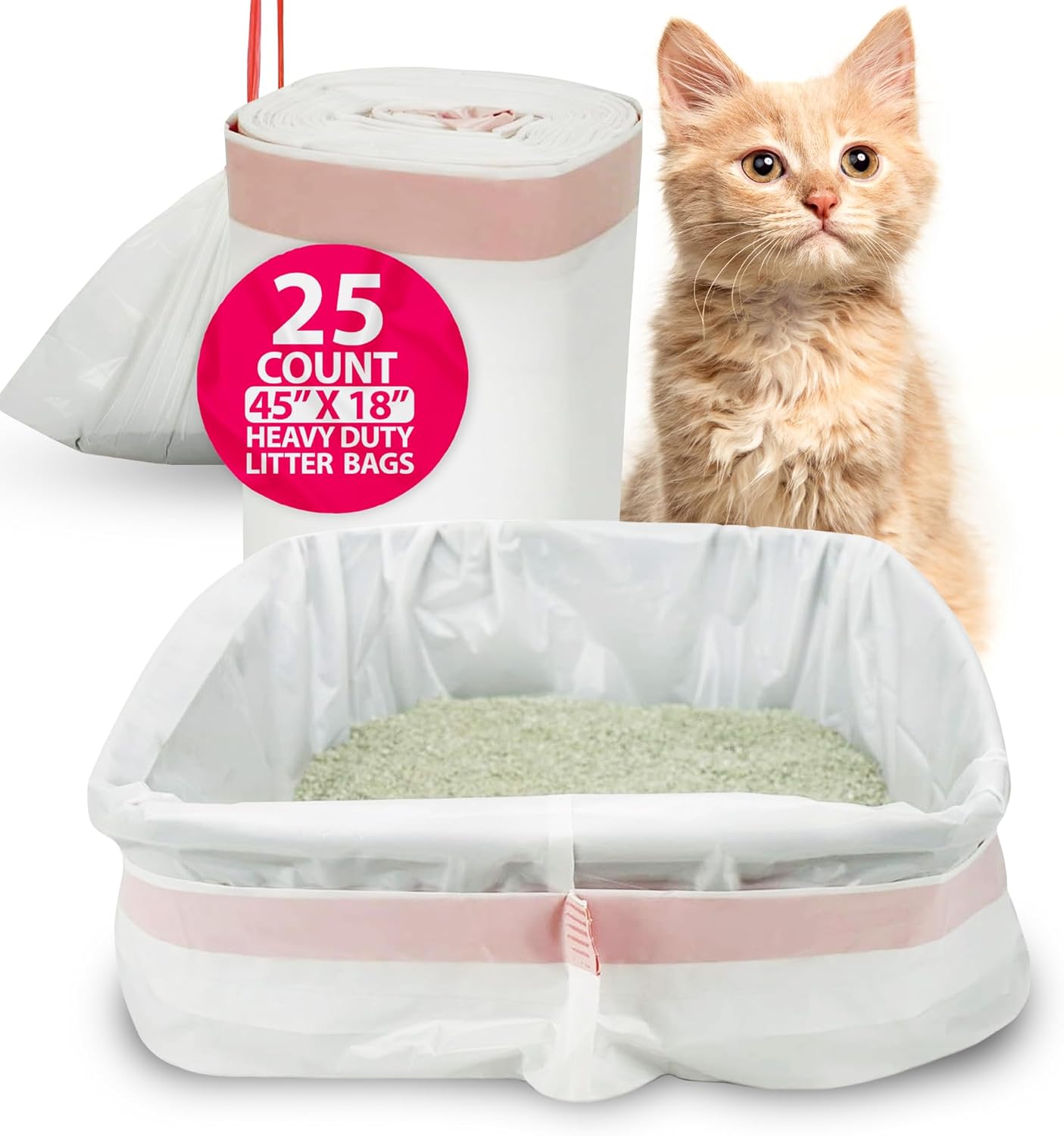
PETSWORLD makes the thickest, most claw-resistant liners in this guide. The unscented design avoids the problem of fragrance additives that many cats find aversive — some cats refuse to use a liner with a strong scent, and masking the scent of their waste can discourage proper litter box behavior. The drawstring closure pulls tight to seal waste inside for odor-free disposal. At $26.99/60-count, it's the highest per-liner cost ($0.45) but the lowest rate of mid-change liner failures.
80-Count Drawstring Waste Bags: Best Value for Moderate Diggers
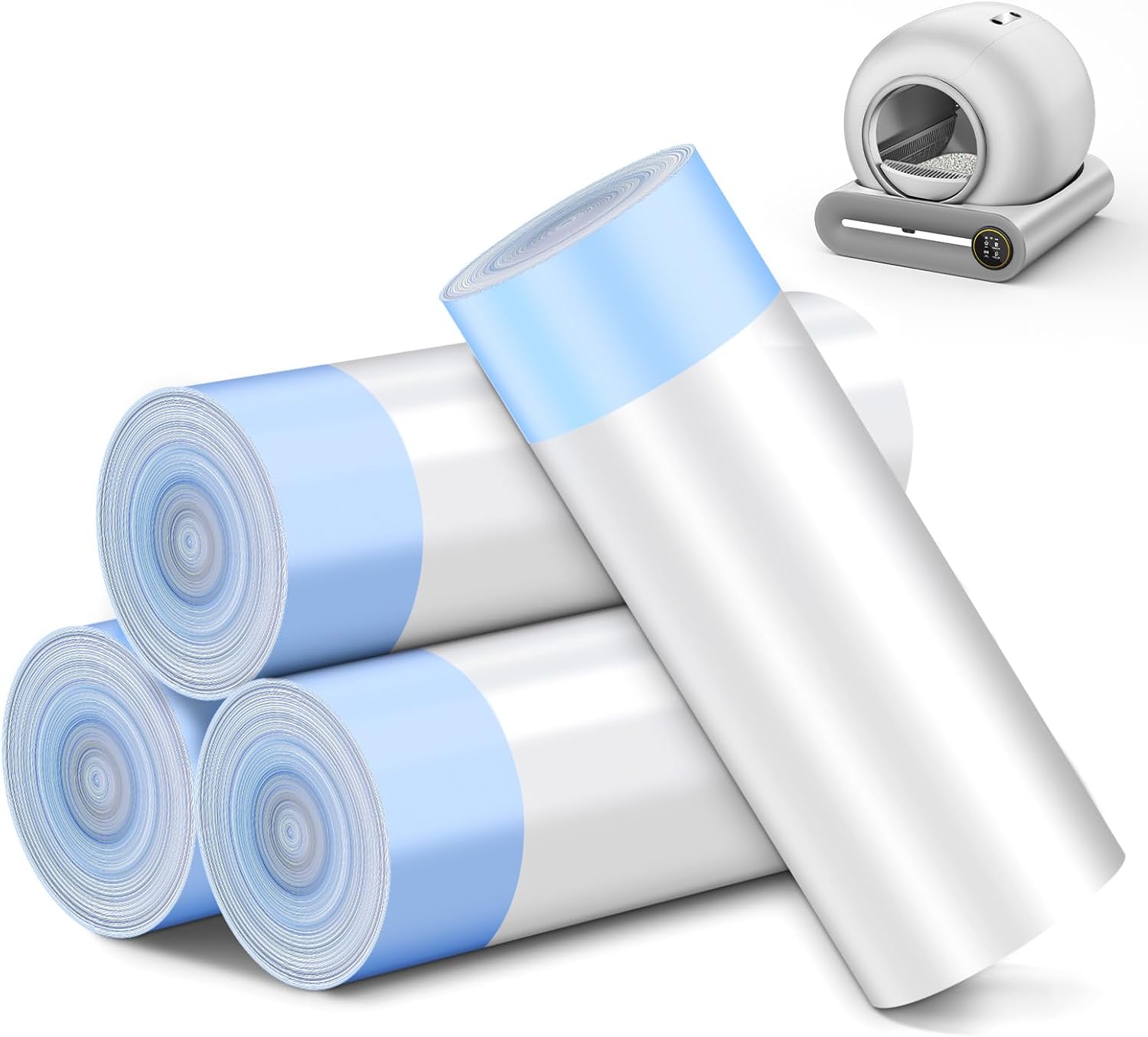
The 80-count bags at $24.99 ($0.31 per liner) are the best cost-per-liner in this guide for practical everyday use. The 17.8 x 17.8 inch size fits most standard-sized litter boxes. The drawstring closure works the same as PETSWORLD — pull the string and tie off for odor containment. The slightly thinner material performs well for cats that scratch normally but may puncture for aggressive diggers.
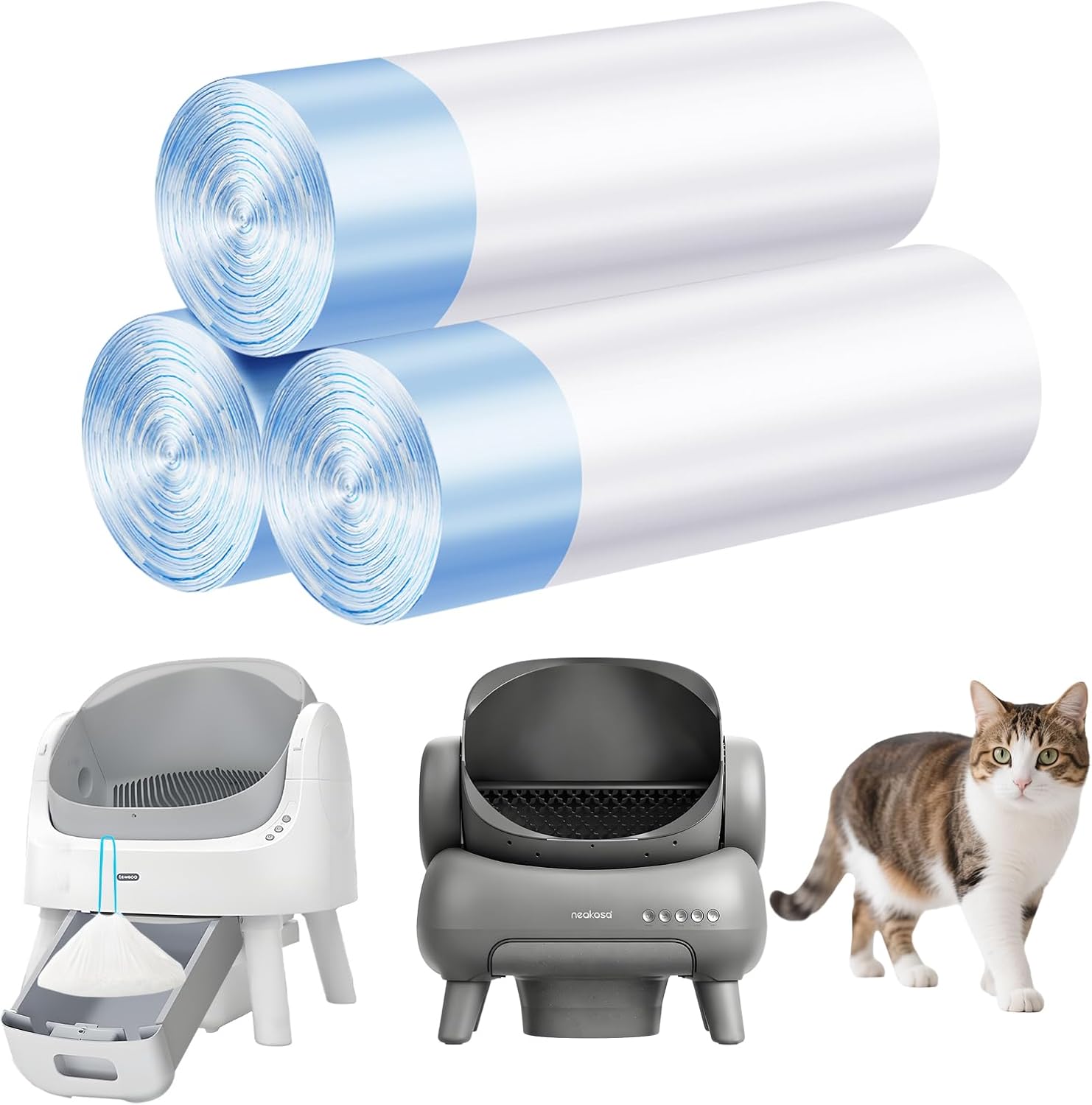
Cat Litter Box Liners 26x16 Drawstring 60-Count: Best for Large Boxes
At 26 x 16 inches, these liners are sized for longer rectangular litter boxes — common in the "extra-large" category from brands like Petmate and Nature's Miracle. Most standard cat litter box liners are sized for square or compact rectangular boxes; fitting a large liner to a large box prevents the bunching and slipping that makes liners ineffective. For households with large cats (Maine Coons, Norwegian Forest Cats) who need extra-large boxes, this is the correctly sized option.
Jonny Cat Jumbo Liners: Best for Trying Liners or Jumbo Boxes
Jonny Cat is one of the original cat litter liner brands, and the 15-count jumbo packs are widely available in pet stores. The "jumbo" size fits very large hooded or open-top jumbo litter boxes. At $10.99/15-count ($0.73 per liner), this is the most expensive per-liner option in this guide — it's the right choice for households with very large boxes that need specific sizing, or for cat owners trying liners for the first time before buying a larger quantity.
Drawstring liners are the easiest to use — pull the exposed drawstring around the outside of the box, and when it's time to change, pull the string tight to cinch and seal, then lift and tie. Older-style liners with tie-flaps (two plastic tabs you tie together) are less convenient and don't seal as odor-effectively. Liners without closures require tying a knot in the bag, which is messy when the bag is full. For daily or multi-day litter changes, drawstring is the only practical closure type.
Many cat litter box liners come in "baby powder" or "lavender" scented versions. While these might appeal to human noses, many cats are sensitive to artificial fragrance and may avoid a scented liner. If your cat currently uses the litter box consistently and you're introducing liners for the first time, use unscented — fragrance is an unnecessary variable that could disrupt established litter box behavior.
What to Look For When Buying Cat Litter Box Liners
Thickness (gauge): Heavy duty designation indicates thicker plastic. For cats that dig aggressively, this matters more than any other feature. Size match: Measure your litter box before buying. A liner too small won't cover the sides; too large creates excess material that your cat may claw through as it bunches. Drawstring closure: Strongly preferred for mess-free removal. Unscented: The default should be unscented unless you've confirmed your cat doesn't object to fragrance. Count per package: Most cats require full litter changes every 1-2 weeks (depending on how many cats and how much litter). Calculate how many liners you need per month and buy accordingly.The per-liner cost ranges from $0.31 (80-count value pack) to $0.73 (Jonny Cat jumbo). For most cat owners, the 80-count value pack is the right everyday purchase — adequate thickness for normal use at the lowest cost. The PETSWORLD heavy duty option ($0.45/liner) is worth the premium if you've previously had liners torn by your cat. The jumbo liners are a size-specific purchase, not a quality upgrade for standard-size boxes.
At a Glance
| # | Product | Award | Price | Our Score | |
|---|---|---|---|---|---|
| 1 |  PETSWORLD Heavy Duty Cat Litter Box Lin… PETSWORLD Heavy Duty Cat Litter Box Lin… |
Best Overall | $26 | 9.2 | Buy → |
| 2 |  Cat Litter Box Drawstring Waste Bags 17… Cat Litter Box Drawstring Waste Bags 17… |
Best Value 80-Pack | $24 | 8.9 | Buy → |
| 3 |  Cat Litter Box Liners 26x16 in Drawstri… Cat Litter Box Liners 26x16 in Drawstri… |
Best for Large Boxes | $21 | 8.5 | Buy → |
| 4 | 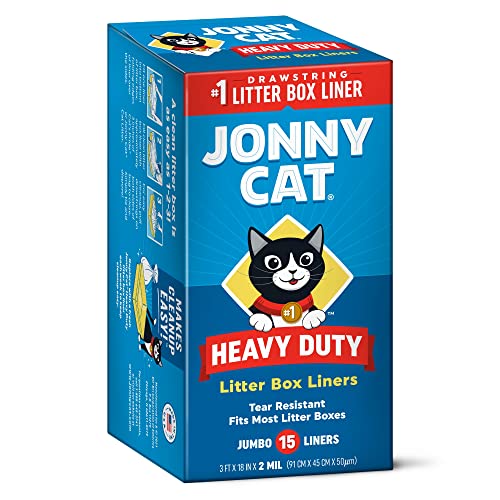 Jonny Cat Jumbo Litter Box Liners, Heav… Jonny Cat Jumbo Litter Box Liners, Heav… |
Best for Jumbo Boxes | $10 | 8.2 | Buy → |
Showing 4 of 4 products
PETSWORLD Heavy Duty Cat Litter Box Liners with Drawstring Unscented
“When standard liners fail, heavy-duty drawstring bags handle even the most vigorous diggers.”
See Today’s Price →
Cat Litter Box Drawstring Waste Bags 17.8x17.8 in 80-Count 4 Rolls
“Great value drawstring liners that make full litter changes much cleaner and faster.”
See Today’s Price →
Cat Litter Box Liners 26x16 in Drawstring 60-Count
“A solid reliable liner that simplifies regular litter changes for cat households.”
See Today’s Price →
Jonny Cat Jumbo Litter Box Liners, Heavy Duty Drawstring, 15 Count
“Jonny Cat jumbo liners are the right pick for oversized litter boxes that standard liners don't fit.”
See Today’s Price →Frequently Asked Questions
Do cat litter box liners actually work?
Why does my cat scratch through litter box liners?
What size litter box liner do I need?
How often should I change the litter box liner?
Can I use trash bags instead of cat litter liners?
How We Analyze Products
We analyze Amazon review data — often thousands of reviews per product — to surface patterns that individual buyers miss. Our process aggregates star ratings, review counts, and buyer sentiment at scale, identifying which strengths and weaknesses appear consistently across the largest review samples available. The 30,229+ reviews analyzed on this page represent real verified-purchase feedback from Amazon buyers.
Each product earned its placement through data: total review volume, average rating, and the specific praise and complaints that repeat most often across buyers. No manufacturer paid for placement on this page. Products appear here because buyers endorsed them at scale, not because a company asked us to feature them.
We use AI to summarize review sentiment — not to fabricate opinions, but to condense what thousands of buyers actually wrote into a readable format. The pros and cons you see reflect the most common themes found in verified purchaser reviews, paraphrased for clarity. We do not claim to have accessed Reddit, YouTube, or specific publications in generating these summaries.
Prices shown reflect Amazon pricing at the time this page was last generated. Click “See Today’s Price” to get the current live price on Amazon. Read our full methodology →