Home ›
Pet › Best Dog Food for Dachshunds in 2026
About This Guide
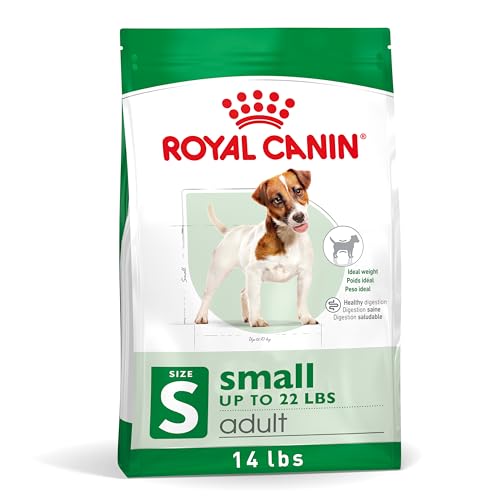
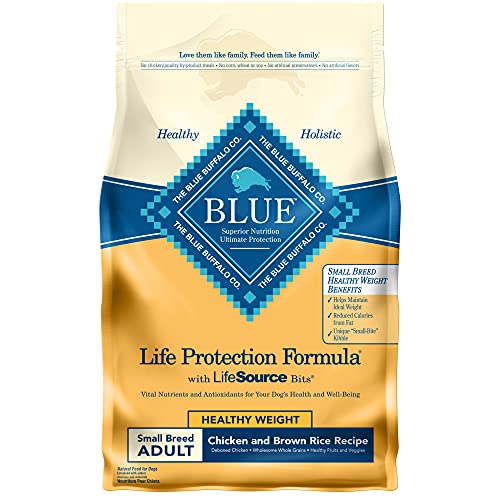
Royal Canin Small Breed Adult ($60) is the best for Dachshunds — L-carnitine supports fat metabolism and kibble sizing suits their small mouth. Blue Buffalo Healthy Weight Small Breed ($40) is better for overweight Dachshunds needing fewer calories.
Dog Food for Dachshunds Buying Guide
 Photo by Felix Perez Mercado / Pexels
Quick Verdict: Our top pick is the Blue Buffalo Life Protection Formula Healthy Weight Small Breed Adult Dry Dog Food, 6 lb (Best for Weight Management) — Lower-calorie small breed formula with L-carnitine -- designed for weight-prone dogs where every pound matters for sp.... Priced at $39.97.
Who This Guide Is For
This guide is for you if:
- Your dog has specific dietary needs — allergies, joint issues, kidney disease, or age-related changes
- You want to understand ingredient quality and label claims before switching to a premium diet
- Your vet recommended a dietary change and you want to understand your options
Skip this guide if:
- You just want a quick pick — see our top dog food picks
- Your dog has a serious diagnosed condition — those require direct vet guidance
Quick verdict: Royal Canin Small Breed Adult is the best dog food for Dachshunds overall -- L-carnitine supports fat metabolism, calorie density is calibrated for small-breed weight management, and kibble sizing suits the Dachshund's small mouth. For Dachshund owners prioritizing weight loss over maintenance, Blue Buffalo Life Protection Healthy Weight Small Breed provides lower calorie density with L-carnitine specifically for overweight individuals.
The Dachshund is a breed built around a single structural compromise: a long spine and short legs on a muscular frame. That compromise is manageable -- millions of Dachshunds live full, healthy, pain-free lives -- but only when nutrition actively protects what anatomy puts at risk. Understanding IVDD and what you can do about it through diet is the foundation of responsible Dachshund ownership.
IVDD: What It Is and Why Obesity Makes It Catastrophic
▶
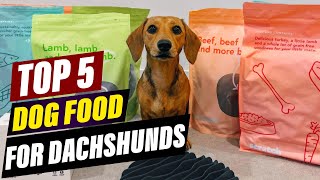
Top 5 Dog Foods for Dachshunds in 2026
Intervertebral disc disease (IVDD) is the most significant health condition in the Dachshund breed. Between 19-24% of Dachshunds will experience IVDD symptoms in their lifetime -- the highest rate of any breed. The condition occurs when the cushioning discs between vertebrae harden (chondrodystrophy, a genetic trait in Dachshunds), become less shock-absorbing, and eventually herniate -- pressing on the spinal cord.
IVDD has multiple grades. Grade 1-2 IVDD (pain, mild weakness) is often managed conservatively with crate rest and anti-inflammatories. Grade 3-5 IVDD involves partial to complete paralysis and frequently requires spinal surgery costing $3,000-$8,000, with outcomes that depend heavily on how quickly treatment begins.
Here is where nutrition becomes critical: every additional pound of body
weight management increases the compressive force on an already-compromised spine. A Dachshund that should weigh 18 lbs but weighs 25 lbs is subjecting vulnerable discs to 40-50% greater mechanical load with every step, jump, and stair climb. Veterinary orthopedic specialists consistently identify obesity as the most modifiable risk factor for IVDD severity and progression.
The Weight Management Imperative
Most Dachshunds owners underestimate how overweight their dogs are. The Dachshund's low-slung build makes 2-3 extra pounds nearly invisible to the eye -- it distributes across a long frame rather than forming an obvious belly. Use body condition scoring (BCS): you should be able to feel your Dachshund's ribs with light pressure and see a visible waist tuck when viewed from above. If you can't feel ribs without pressing, your dog is overweight.
Calorie targets by size:
- Miniature Dachshund (under 11 lbs): 200-300 calories/day
- Standard Dachshund (16-32 lbs): 500-700 calories/day
These are lower than most dog food feeding guides suggest for their weight -- because Dachshunds are low-activity-per-pound dogs who conserve energy efficiently. Most owners who follow feeding guide amounts without body condition checking are overfeeding by 15-25%. Use kitchen scales and calorie counts rather than cup measurements.
Protein: High Percentage, Low Calories
▶
Ollie vs The Farmer’s Dog | Best Dog Food Subscription in 2026?
The ideal Dachshund food is high in protein and low in total calories -- a combination that requires choosing formulas carefully. High protein (25%+) preserves the back-supporting muscle mass that acts as a natural brace for the Dachshund's vulnerable spine. Insufficient protein leads to muscle wasting that puts more load on discs. But traditional high-protein foods often come with high fat content that drives calorie counts up. Look for:
- Protein 25% minimum (30%+ preferred)
- Fat 10-14% (lower end for weight management)
- Calorie density under 340 kcal/cup (standard adult small breed range)
- L-carnitine on the ingredient list -- this amino acid helps convert stored fat to energy and has been shown to assist weight loss in dogs
Small Kibble: A Structural Necessity
Dachshunds have small mouths with proportionally smaller jaws than their body size suggests. Standard adult dog kibble (12-14mm diameter) is genuinely too large for comfortable chewing in many Dachshunds. Swallowing oversized kibble whole causes esophageal irritation and inadequate mechanical chewing -- the first step in digestion. Look for kibble explicitly labeled "small breed" -- these are typically 8-10mm, sized appropriately for a Dachshund's jaw mechanics.
Royal Canin's small breed formula goes further, shaping kibble to support chewing action in small-mouthed breeds. This matters not just for comfort but for reducing the gulping behavior that contributes to gas and gastrointestinal discomfort -- another Dachshund vulnerability.
What Dachshunds Should Not Eat
High-fat foods accelerate weight gain in a breed where every pound has spinal consequences. Avoid foods with fat percentages above 15% for weight-stable adults, and above 12% for individuals actively losing weight. Calorie-dense treats are a hidden major contributor -- a single standard dog treat can represent 10-15% of a Miniature Dachshund's daily calorie budget. Switch to small training treats (1-2 calories each) and account for all treats in the daily calorie total.
Raw diets can be appropriate for Dachshunds if properly formulated, but commercially prepared raw should be nutritionally complete and calorie-controlled -- many raw formulas are calorie-dense in ways that are difficult to manage for a weight-sensitive breed.
Joint Support Beyond the Spine
Dachshunds' front legs handle the weight of that long, low body differently than other breeds -- their unusual bone formation (from the same chondrodystrophy gene that affects their discs) puts distinct stress on front elbows and shoulders. Glucosamine and chondroitin supplementation or foods that include meaningful levels of these
joint nutrients (250mg+ glucosamine/cup) provide additional protective nutrition beyond spine-specific weight management.
Frequently Asked Questions
How much should I feed my Dachshund?
Miniature Dachshunds (under 11 lbs) typically need 200-300 calories/day. Standard Dachshunds (16-32 lbs) need 500-700 calories/day. These are lower than most feeding guides suggest -- Dachshunds are energy-efficient dogs who gain weight easily. Weigh your dog monthly and adjust portions based on body condition score rather than following feeding guide amounts blindly.
Can food prevent IVDD in Dachshunds?
Diet cannot prevent the genetic predisposition to IVDD that Dachshunds carry. However, maintaining healthy weight is the single most effective modifiable intervention to reduce severity and delay onset. An overweight Dachshund is dramatically more likely to experience serious disc herniation than a lean one. Nutrition doesn't cure the genetics -- it controls the mechanical stress that triggers disc failure.
Should Dachshunds eat grain-free food?
Not for most Dachshunds. Grain-free diets have been associated with dilated cardiomyopathy in an FDA investigation, and grains like rice, barley, and oats are well-tolerated by most Dachshunds. Unless your Dachshund has a documented grain sensitivity, a grain-inclusive small-breed formula is the safer choice.
What treats are safe for Dachshunds?
Low-calorie training treats (1-2 calories each) are best. Baby carrots, cucumber slices, and small apple pieces are popular low-calorie options. Avoid standard-sized commercial treats -- they often contain 20-50 calories each, representing a significant fraction of a Miniature Dachshund's daily budget. Never give bones or high-fat treats that could cause pancreatitis.
When should I switch my Dachshund to senior food?
Most veterinary nutritionists recommend switching to senior formulas around age 7-8 for small breeds. Senior Dachshund food typically has reduced calories (helpful for less active seniors), maintained protein (critical for muscle mass that supports the spine), and added joint nutrients. Discuss timing with your vet based on your individual dog's body condition and activity level.
How We Analyze Products
We analyze Amazon review data — often thousands of reviews per product — to surface patterns
that individual buyers miss. Our process aggregates star ratings, review counts, and buyer
sentiment at scale, identifying which strengths and weaknesses appear consistently across
the largest review samples available.
Each product earned its placement through data: total review volume, average rating, and the
specific praise and complaints that repeat most often across buyers. No manufacturer paid for
placement on this page. Products appear here because buyers endorsed them at scale, not
because a company asked us to feature them.
We use AI to summarize review sentiment — not to fabricate opinions, but to condense what
thousands of buyers actually wrote into a readable format. The pros and cons you see reflect
the most common themes found in verified purchaser reviews, paraphrased for clarity. We do not
claim to have accessed Reddit, YouTube, or specific publications in generating these summaries.
Prices shown reflect Amazon pricing at the time this page was last generated. Click
“See Today’s Price” to get the current live price on Amazon.
Read our full methodology →