Best Dog Food for Siberian Huskies in 2026
Purina Pro Plan Sport 30/20 Salmon & Rice is the best dog food for Huskies -- its salmon-based protein delivers omega-3 EPA/DHA that northern breeds specifically need for skin health, and the 30/20 protein-fat ratio supports the Husky's athletic muscle maintenance without the excessive calories that cause weight gain in the breed's surprisingly efficient metabolism. For owners seeking a budget-friendly alternative, Taste of the Wild Pacific Stream provides salmon as the primary protein with similar omega-3 benefits at lower cost.
Dog Food for Siberian Huskies Buying Guide
 Photo by Sergei Starostin / Pexels
Who This Guide Is For
This guide is for you if:
- Your dog has specific dietary needs — allergies, joint issues, kidney disease, or age-related changes
- You want to understand ingredient quality and label claims before switching to a premium diet
- Your vet recommended a dietary change and you want to understand your options
Skip this guide if:
- You just want a quick pick — see our top dog food picks
- Your dog has a serious diagnosed condition — those require direct vet guidance
Quick verdict: Purina Pro Plan Sport 30/20 Salmon & Rice is the best dog food for Huskies -- its salmon-based protein delivers omega-3 EPA/DHA that northern breeds specifically need for skin health, and the 30/20 protein-fat ratio supports the Husky's athletic muscle maintenance without the excessive calories that cause weight gain in the breed's surprisingly efficient metabolism. For owners seeking a budget-friendly alternative, Taste of the Wild Pacific Stream provides salmon as the primary protein with similar omega-3 benefits at lower cost.

The Calorie Paradox: Huskies Are Metabolically Efficient
Zinc-Responsive Dermatosis: The Northern Breed Skin Condition
Zinc-responsive dermatosis (ZRD) is a skin condition almost unique to northern breeds -- Siberian Huskies and Alaskan Malamutes are the most commonly affected. It presents as crusty, scaly, or thickened skin around the muzzle, eyes, ears, and pressure points. Unlike zinc deficiency in other breeds, Huskies with ZRD often have normal blood zinc levels but cannot absorb zinc efficiently from food -- they require higher dietary zinc than standard formulas provide. Two syndromes are recognized: Syndrome I: The true northern breed form -- genetic inability to absorb zinc normally from the gut, regardless of dietary amount. Requires zinc supplementation (zinc methionine or zinc sulfate) under veterinary guidance in addition to a high-zinc diet. Syndrome II: Caused by calcium-heavy diets that block zinc absorption, or genuinely low-zinc food. Resolves with dietary correction. For both forms, the nutritional approach is the same: feed a food with zinc as a prominent mineral (zinc proteinate, zinc methionine, or zinc sulfate near the top of the supplement list), and use animal proteins that naturally carry zinc (beef, lamb, fish) rather than plant-heavy formulas where zinc bioavailability is poor. Fish-based proteins are particularly valuable for Huskies with ZRD because fish delivers both zinc and the omega-3 fatty acids that reduce skin inflammation directly. A Husky on a salmon-based food will show better skin response than one on a chicken-and-rice formula even at equal zinc levels, because the omega-3 anti-inflammatory effect complements zinc's structural role.Omega-3 Fatty Acids: More Critical in Northern Breeds
Protein Requirements: High but Not Extreme
The Husky's working heritage demands high-quality protein for muscle maintenance. Active Huskies need 28-32% protein; sedentary pets can manage on 24-26% without muscle loss if calorie intake is appropriate. The quality of protein matters as much as quantity -- animal-based first ingredients (salmon, chicken, lamb) provide more bioavailable amino acids than plant proteins. One consideration specific to Huskies: the breed has a high prevalence of food sensitivities, particularly to chicken and beef. If your Husky shows chronic ear infections, paw licking, or skin inflammation despite adequate nutrition, a protein sensitivity trial (novel protein like salmon or venison for 8-12 weeks) is often the diagnostic first step. This is one reason fish-based formulas are so valuable for Huskies -- they provide high protein while serving as a novel protein for chicken-sensitized individuals.Grain-Free vs. Grain-Inclusive for Huskies
The FDA's DCM investigation applies to Huskies as it does to all breeds. Huskies don't have the same genetic cardiac predisposition as Rottweilers or Great Danes, but the precautionary approach is the same: unless there's a specific reason to avoid grains (documented sensitivity), grain-inclusive formulas are the safer current recommendation. Rice and oats are well-tolerated by most Huskies. The exception is if a Husky is on a fish-based grain-free formula specifically for a protein sensitivity trial -- in that case, discuss cardiac monitoring with your vet.Feeding Huskies in Summer vs. Winter
At a Glance
| # | Product | Award | Price | Our Score | |
|---|---|---|---|---|---|
| 1 | 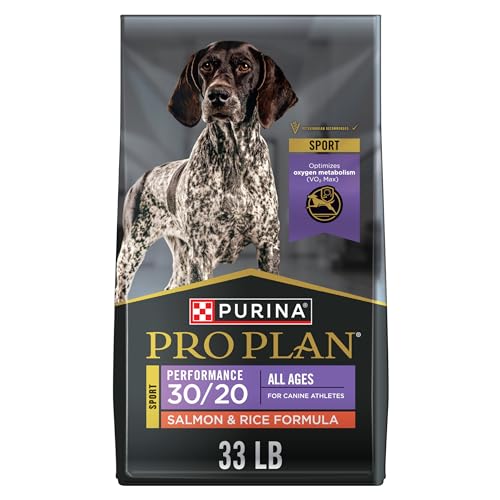 Purina Pro Plan Sport 30/20 Salmon & Ri… Purina Pro Plan Sport 30/20 Salmon & Ri… |
Best Overall | $74 | 9.2 | Buy → |
| 2 | 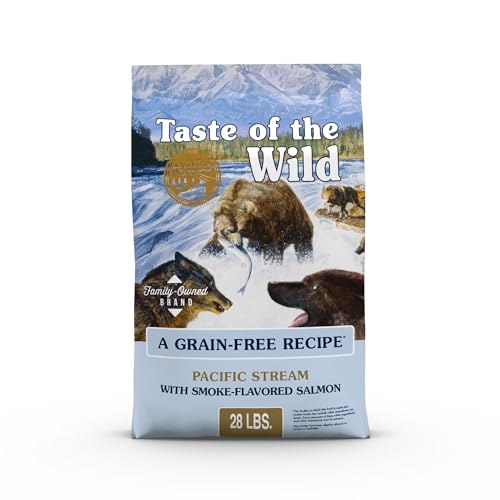 Taste of the Wild Pacific Stream Grain-… Taste of the Wild Pacific Stream Grain-… |
Best Value | $58 | 8.9 | Buy → |
| 3 | 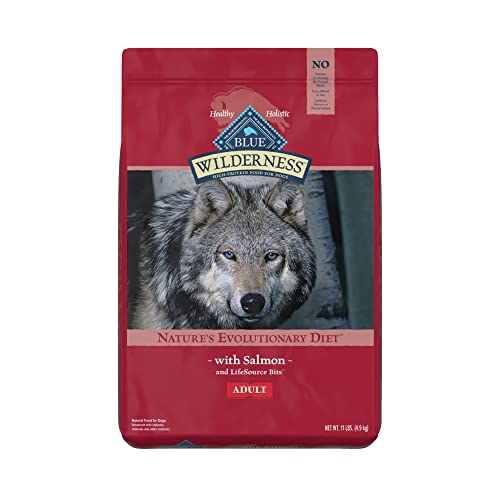 Blue Buffalo Wilderness High Protein Gr… Blue Buffalo Wilderness High Protein Gr… |
Best for Skin & Coat | $46 | 8.5 | Buy → |
| 4 | 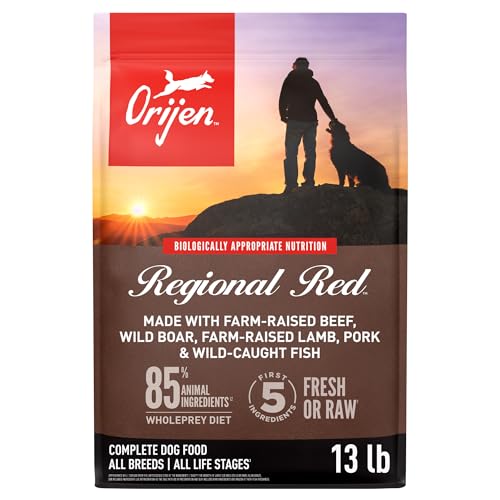 ORIJEN Regional Red Grain-Free High Pro… ORIJEN Regional Red Grain-Free High Pro… |
Best Premium Option | $81 | 8.2 | Buy → |
Showing 4 of 4 products
Purina Pro Plan Sport 30/20 Salmon & Rice Formula Dry Dog Food, 33 lb
“The gold standard for Husky nutrition -- 30% salmon protein plus 20% fat matches the athletic Husky's fuel needs while delivering the fish-based omega-3s that northern breeds specifically require for ”
See Today’s Price →What we like
- 30% protein / 20% fat for athletic working breed
- Salmon primary protein delivers omega-3 EPA/DHA for skin health
- Directly addresses zinc-responsive dermatosis via fish-based omega-3s
- Amino acids for lean muscle maintenance and recovery
Watch out for
- High calorie density requires portion discipline for sedentary Huskies
- More expensive per pound than chicken-based alternatives

Taste of the Wild Pacific Stream Grain-Free Dry Dog Food, Smoked Salmon, 28 lb
“Taste of the Wild's Pacific Stream delivers smoked salmon as the primary protein -- the best value fish-based formula for Huskies. The 32% protein and comprehensive omega-3 profile addresses northern ”
See Today’s Price →What we like
- Smoked salmon as primary ingredient for maximum omega-3 content
- 32% protein for high-energy northern breeds
- K9 Strain Probiotics for digestive and immune health
- No corn, wheat, soy, or artificial additives
Watch out for
- Grain-free formula -- discuss DCM monitoring with vet
- Price fluctuates significantly depending on retailer
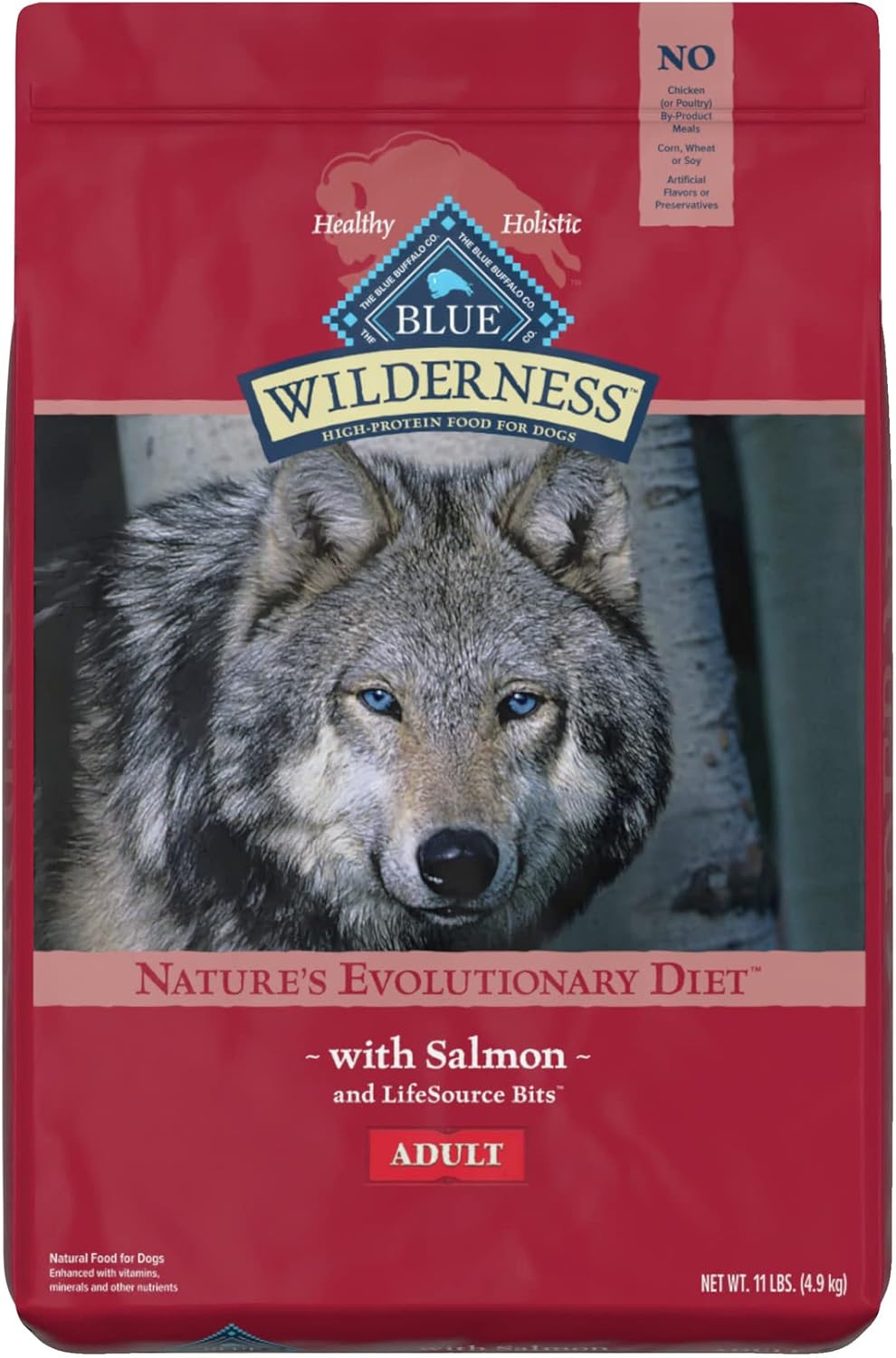
Blue Buffalo Wilderness High Protein Grain Free Adult Dry Dog Food, Salmon, 11 lb
“Blue Buffalo Wilderness Salmon delivers the highest protein percentage in this category at 34%, with pure salmon as the primary protein -- no chicken by-products that could trigger sensitivities. Idea”
See Today’s Price →What we like
- Salmon as primary ingredient -- highest bioavailable omega-3 delivery
- 34% protein -- highest in this category
- Grain-free with no chicken or poultry by-products
- LifeSource Bits with vitamins, minerals, and antioxidants
Watch out for
- 11 lb bag requires frequent purchases for large dogs
- Grain-free formula warrants cardiac monitoring discussion with vet

ORIJEN Regional Red Grain-Free High Protein Dry Dog Food, 13 lb
“Orijen Regional Red's 85% animal ingredient pledge and 38% protein sets the premium standard. The poultry-free red meat formula suits Huskies with chicken sensitivities, though supplemental fish oil i”
See Today’s Price →What we like
- 85% quality animal ingredients (beef, wild boar, lamb, pork)
- 38% crude protein -- premium density for working dogs
- Fresh and raw ingredients for maximum nutrient bioavailability
- Poultry-free -- suitable for chicken-sensitive Huskies
Watch out for
- Most expensive per-pound option in this category
- Red meat primary (not fish) -- lower omega-3 than salmon-based formulas
- 13 lb bag is relatively small for a large active dog
Frequently Asked Questions
Why does my Husky have crusty skin around the face and eyes?
How much should I feed my Husky?
Do Huskies need a fish-based food?
Why is my Husky losing so much fur?
Can Huskies eat a raw diet?
Do Huskies need more food in winter?
How We Analyze Products
We analyze Amazon review data — often thousands of reviews per product — to surface patterns that individual buyers miss. Our process aggregates star ratings, review counts, and buyer sentiment at scale, identifying which strengths and weaknesses appear consistently across the largest review samples available.
Each product earned its placement through data: total review volume, average rating, and the specific praise and complaints that repeat most often across buyers. No manufacturer paid for placement on this page. Products appear here because buyers endorsed them at scale, not because a company asked us to feature them.
We use AI to summarize review sentiment — not to fabricate opinions, but to condense what thousands of buyers actually wrote into a readable format. The pros and cons you see reflect the most common themes found in verified purchaser reviews, paraphrased for clarity. We do not claim to have accessed Reddit, YouTube, or specific publications in generating these summaries.
Prices shown reflect Amazon pricing at the time this page was last generated. Click “See Today’s Price” to get the current live price on Amazon. Read our full methodology →