Best Dog Food for Yorkshire Terriers (Yorkies) in 2026
Royal Canin Yorkshire Terrier Adult is the best dog food for Yorkies -- the kibble texture is specifically designed to reduce dental plaque (Yorkies experience periodontal disease at higher rates than nearly any other breed), the biotin and omega-3/6 profile supports their distinctive silky coat, and the calorie density meets the needs of a tiny dog with a fast metabolism. For Yorkies with sensitive digestion or protein sensitivities, Blue Buffalo Basics Limited Ingredient Turkey formula eliminates common allergens while maintaining complete nutrition.
Dog Food for Yorkshire Terriers (Yorkies) Buying Guide
 Photo by Erwin Bosman / Pexels
Who This Guide Is For
This guide is for you if:
- Your dog has specific dietary needs — allergies, joint issues, kidney disease, or age-related changes
- You want to understand ingredient quality and label claims before switching to a premium diet
- Your vet recommended a dietary change and you want to understand your options
Skip this guide if:
- You just want a quick pick — see our top dog food picks
- Your dog has a serious diagnosed condition — those require direct vet guidance
Quick verdict: Royal Canin Yorkshire Terrier Adult is the best dog food for Yorkies -- the kibble texture is specifically designed to reduce dental plaque (Yorkies experience periodontal disease at higher rates than nearly any other breed), the biotin and omega-3/6 profile supports their distinctive silky coat, and the calorie density meets the needs of a tiny dog with a fast metabolism. For Yorkies with sensitive digestion or protein sensitivities, Blue Buffalo Basics Limited Ingredient Turkey formula eliminates common allergens while maintaining complete nutrition.

Dental Disease: The Yorkie's Most Prevalent Health Problem
Hypoglycemia: Shared Risk with Chihuahuas
Like Chihuahuas, Yorkies face genuine hypoglycemia risk -- the same combination of tiny liver glycogen reserves, minimal muscle glucose storage, and fast metabolism. Yorkie puppies under 3 months old are at highest risk, but adults under 4 lbs remain vulnerable. Feeding protocol mirrors Chihuahuas:- Puppies under 3 months: 4 meals per day
- Puppies 3-6 months: 3 meals per day
- Adults: minimum 2 meals per day; many Yorkie owners free-feed successfully given the breed's typically non-obesogenic metabolism
Coat Health: The Silky Yorkshire Coat Needs Nutritional Support

Digestive Sensitivity: A Yorkie Reality
Yorkies have sensitive digestive systems that react to food changes, stress, and dietary indiscretions more dramatically than many other breeds. Chronic loose stools, intermittent vomiting, and finicky eating are common complaints. Causes include: Protein sensitivities: Chicken is the most common culprit in Yorkies. If your Yorkie has chronic soft stools and your food lists chicken as the primary protein, a protein switch trial (turkey, fish, or lamb for 8-12 weeks) is diagnostic. Pancreatitis risk: Yorkies are predisposed to pancreatitis, particularly from high-fat foods or sudden fat intake (table scraps, high-fat treats). Choose foods with fat percentages under 16% and avoid giving human food entirely. Signs of pancreatitis: vomiting, hunched posture, and reluctance to eat, especially after exposure to fatty food. Highly digestible formulas with limited ingredients reduce the digestive burden. Prebiotics and probiotics (Lactobacillus acidophilus, Bacillus coagulans) support the gut microbiome stability that makes Yorkie digestion more resilient.Portosystemic Shunts: A Yorkie-Specific Metabolic Concern

At a Glance
| # | Product | Award | Price | Our Score | |
|---|---|---|---|---|---|
| 1 | 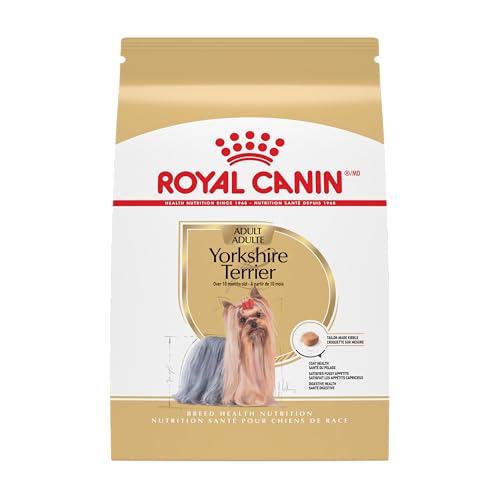 Royal Canin Yorkshire Terrier Adult Bre… Royal Canin Yorkshire Terrier Adult Bre… |
Best Overall | $61 | 9.2 | Buy → |
| 2 | 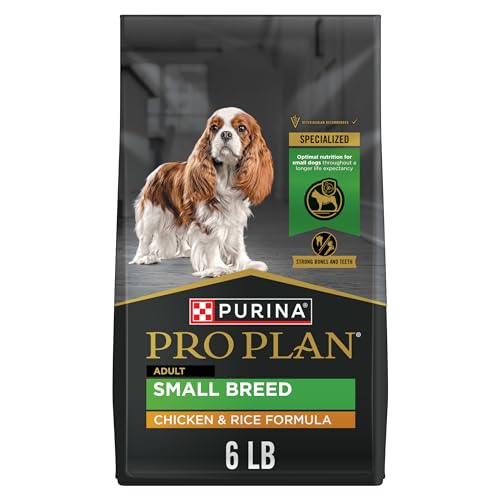 Purina Pro Plan Small Breed Adult Dry D… Purina Pro Plan Small Breed Adult Dry D… |
Best Value | $20 | 8.9 | Buy → |
| 3 | 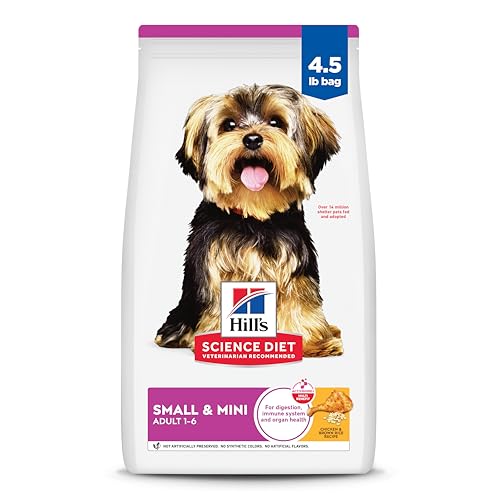 Hill's Science Diet Adult Small & Mini … Hill's Science Diet Adult Small & Mini … |
Best for Dental Health Support | $23 | 8.5 | Buy → |
| 4 | 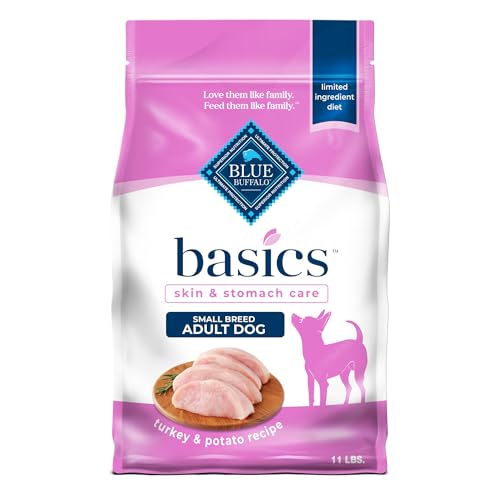 Blue Buffalo Basics Adult Small Breed L… Blue Buffalo Basics Adult Small Breed L… |
Best for Sensitive Digestion | $44 | 8.2 | Buy → |
Showing 4 of 4 products
Royal Canin Yorkshire Terrier Adult Breed Specific Dry Dog Food, 10 lb
“Royal Canin Yorkshire Terrier formula is the only food designed with Yorkie dental health as a primary engineering objective. The kibble texture reduces plaque formation through every meal -- the most”
See Today’s Price →What we like
- Kibble texture specifically designed to reduce dental plaque -- the Yorkie's #1 health issue
- Biotin and omega-3/6 complex for silky Yorkshire coat
- Calorie density appropriate for 4-7 lb Yorkies
- Formulated for digestive sensitivity common in the breed
Watch out for
- Most expensive per-pound option
- 10 lb bag -- significant upfront cost for a tiny dog's multi-month supply

Purina Pro Plan Small Breed Adult Dry Dog Food Chicken & Rice With Probiotics, 6 lb
“Purina Pro Plan's small breed formula consistently ranks top among veterinary nutritionists for overall quality-to-price ratio. The live probiotic guarantee is particularly valuable for Yorkies' famou”
See Today’s Price →What we like
- Guaranteed live probiotics support sensitive Yorkie digestion
- High protein chicken base for tiny breed muscle maintenance
- Calorie density calibrated for small breed metabolism
- Excellent cost-per-pound for a premium brand
Watch out for
- Not Yorkie breed-specific -- no dedicated dental or coat formulation
- Chicken-based -- not suitable for Yorkies with poultry sensitivities

Hill's Science Diet Adult Small & Mini Chicken & Brown Rice Recipe Dry Dog Food, 4.5 lb
“Hill's Science Diet Small & Mini is the default vet recommendation for small breed dental and digestive health support. Its clinical research backing makes it a reliable conservative choice for Yorkie”
See Today’s Price →What we like
- Clinically proven antioxidant blend for immune and cellular health
- Small kibble provides mechanical dental cleaning action
- No. 1 vet-recommended small breed brand
- Highly digestible for sensitive stomachs
Watch out for
- 4.5 lb bag -- higher per-pound cost for budget-conscious owners
- No breed-specific dental texture like Royal Canin

Blue Buffalo Basics Adult Small Breed Limited Ingredient Diet Turkey & Potato Recipe, 11 lb
“Blue Buffalo Basics Limited Ingredient formula is the go-to diagnostic and maintenance food for Yorkies with chronic digestive issues. The single turkey protein eliminates virtually all common Yorkie ”
See Today’s Price →What we like
- Single turkey protein -- eliminates chicken, beef, dairy, egg allergens
- Limited ingredient formula reduces digestive burden
- Omega-3 and omega-6 for coat health
- No corn, wheat, soy, or artificial additives
Watch out for
- Grain-free formula warrants DCM discussion with vet
- Not breed-specific -- no dental texture formulation
Frequently Asked Questions
Why do Yorkies have such bad teeth?
How much should I feed my Yorkie?
My Yorkie is a picky eater -- what should I do?
Can Yorkies eat grain-free food?
What causes Yorkies to have loose stools?
How do I support my Yorkie's coat through nutrition?
How We Analyze Products
We analyze Amazon review data — often thousands of reviews per product — to surface patterns that individual buyers miss. Our process aggregates star ratings, review counts, and buyer sentiment at scale, identifying which strengths and weaknesses appear consistently across the largest review samples available.
Each product earned its placement through data: total review volume, average rating, and the specific praise and complaints that repeat most often across buyers. No manufacturer paid for placement on this page. Products appear here because buyers endorsed them at scale, not because a company asked us to feature them.
We use AI to summarize review sentiment — not to fabricate opinions, but to condense what thousands of buyers actually wrote into a readable format. The pros and cons you see reflect the most common themes found in verified purchaser reviews, paraphrased for clarity. We do not claim to have accessed Reddit, YouTube, or specific publications in generating these summaries.
Prices shown reflect Amazon pricing at the time this page was last generated. Click “See Today’s Price” to get the current live price on Amazon. Read our full methodology →