Best Essentials for New Dog Owners 2026 — First-Time Dog Owner Checklist
The 5 essentials every new dog owner needs: collar with ID tag ($19), 6-foot leash ($5), crate sized to your dog ($31), dog bed ($20), and a quality food appropriate for age and size. Everything else can wait until you know your dog. Total for basics: $75–$120.
Essentials for New Dog Owners Buying Guide
 Photo by Samson Katt / Pexels
## The Complete New Dog Owner Checklist
Bringing home your first dog is exciting and overwhelming simultaneously. Pet stores and online advice push dozens of products — most of which you don't need immediately. This guide separates what you need before your dog comes home from what can wait.
Before Your Dog Arrives (Week 1 Non-Negotiables)


- Dog bed ($20–$50): Once your dog settles in and you know if they prefer plush or elevated
- Training treats: Small, soft treats for positive reinforcement training — the most important habit to build in the first month
- Baby gate ($30–$50): To create safe zones and limit access during the adjustment period
- Pee pads ($15–$25): For indoor housetraining, especially in apartments or with puppies. Amazon Basics Dog and Puppy Pee Pads at $20.81 for 100 count covers roughly a month of housetraining accidents. Enzymatic cleaner ($10–$15): For accidents. Regular cleaners don't break down pet odor proteins — dogs return to spots that smell like urine even after cleaning
1. Transition slowly. If you know what food your dog was eating before, transition over 7–10 days by mixing old food with new. Abrupt food changes cause digestive upset (diarrhea, vomiting).
2. Feed twice daily. Free-feeding (food available all day) makes it impossible to monitor appetite changes that signal health problems. Schedule morning and evening meals.
3. Match food to life stage. Puppy food has higher protein and calories for growth. Large breed puppy food has controlled calcium levels for joint development. Senior food has fewer calories for lower activity levels.

Crate Training — The Foundation of Housetraining

A crate is not a punishment. Used correctly, it's your dog's bedroom — a place they choose to rest and feel safe. Never put a dog in a crate as punishment.
The rule: a dog's maximum comfortable crate time is their age in months + 1 hour (maximum 8 hours for adult dogs). An 8-week puppy should not be crated longer than 3 hours during the day.

Build positive associations: feed meals in the crate, give treats for voluntarily entering, cover sides with a blanket to create a den feeling.
Skip: Dog strollers, Halloween costumes, and novelty accessories — learn your dog's personality before buying these. Skip: Retractable leashes — they teach dogs to pull, snap in cold weather, and create tangling hazards. Standard 6-foot leash first. Skip: Multiple dog beds before knowing your dog's preferences — some dogs prefer plush, some prefer firm surfaces, some prefer elevated mesh. Wait one week before investing in a specific style. Skip: Automatic feeders in week 1 — mealtimes are bonding and training opportunities. Hand-feeding every meal in the first week accelerates bonding and establishes you as the food provider.
Schedule within 2 weeks of bringing your dog home. Bring: all vaccination records from shelter/breeder, any medications. Vet will: complete wellness exam, update vaccinations, recommend parasite prevention, establish baseline health records. Ask about: heartworm prevention, flea/tick prevention, and when to schedule spay/neuter if applicable.

At a Glance

Showing 3 of 3 products
GoTags Personalized Dog Collar Stainless Steel ID Tag Included
“A personalized collar with built-in ID tag that eliminates the jingle of separate tags. The direct engraving on the collar hardware is more durable than standard rivet-on tags.”
See Today’s Price →
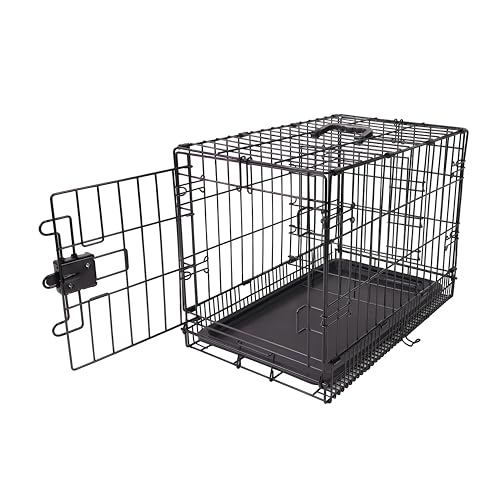
Amazon Basics Foldable Metal Dog Crate (24")
“The Amazon Basics folding crate is the most practical value — divider panel for puppy training, leak-proof pan, and collapses flat in seconds.”
See Today’s Price →What we like
- Folds flat for easy storage and travel
- Leak-proof pan included
- Divider panel for puppies
- Durable metal wire construction
Watch out for
- Wire spacing of approximately 1.5 inches allows toy breeds and puppies below 8 weeks with small heads to slip between bars — a fine-mesh insert or breed-appropriate wire spacing crate is required for these cases
- No divider panel included — the full 24x18-inch floor space is too large for effective potty training, which benefits from a just-big-enough crate space; a separate divider panel costs an additional $10–15
- Single latch door mechanism has been cited in Amazon reviews as opening under sustained pressure from a determined dog — a secondary carabiner clip through the latch is a standard precaution for dogs that have previously escaped wire crates
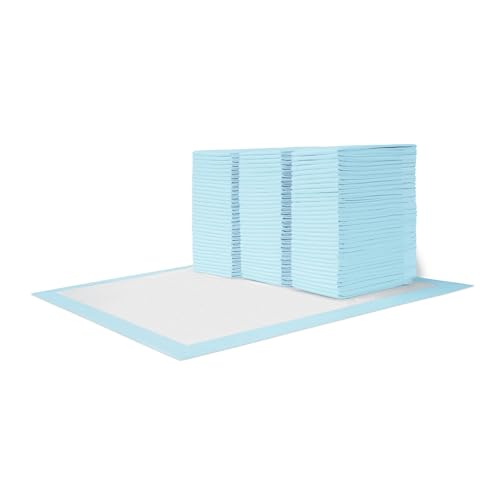
Amazon Basics Dog and Puppy Pee Pads 5-Layer Regular 22x22 Inch 100 Count
“The best value training pad — 5-layer construction and reliable absorbency at the lowest cost per pad.”
See Today’s Price →What we like
- 5-layer construction including moisture-lock plastic bottom
- Holds up to 2 cups of liquid without leaking
- Under $0.17 per pad — use generously without cost anxiety
- Adhesive strips keep pads in place
Watch out for
- Standard 22x22" size only — not for large breeds
- Neutral scent — no attractant for early training stages
- Basic packaging vs some competitors
Frequently Asked Questions
What should I buy before bringing my first dog home?
How much does a first dog cost in the first year?
Should I get a puppy or an adult dog?
How long does housetraining take?
Do I need to crate train my dog?
How We Analyze Products
We analyze Amazon review data — often thousands of reviews per product — to surface patterns that individual buyers miss. Our process aggregates star ratings, review counts, and buyer sentiment at scale, identifying which strengths and weaknesses appear consistently across the largest review samples available. The 232,334+ reviews analyzed on this page represent real verified-purchase feedback from Amazon buyers.
Each product earned its placement through data: total review volume, average rating, and the specific praise and complaints that repeat most often across buyers. No manufacturer paid for placement on this page. Products appear here because buyers endorsed them at scale, not because a company asked us to feature them.
We use AI to summarize review sentiment — not to fabricate opinions, but to condense what thousands of buyers actually wrote into a readable format. The pros and cons you see reflect the most common themes found in verified purchaser reviews, paraphrased for clarity. We do not claim to have accessed Reddit, YouTube, or specific publications in generating these summaries.
Prices shown reflect Amazon pricing at the time this page was last generated. Click “See Today’s Price” to get the current live price on Amazon. Read our full methodology →