How to Choose a Dog Food: Complete Guide (2026)
Apply the WSAVA criteria: board-certified vet nutritionist on staff, AAFCO feeding trials, published research, owned plants. Hill's, Royal Canin, Purina Pro Plan, and Eukanuba pass all four. Skip grain-free unless your dog has a diagnosed grain allergy.
At a Glance
| # | Product | Award | Price | |
|---|---|---|---|---|
| 1 | Our Top Pick | $36 | Buy → | |
| 2 | Also Excellent | $33 | Buy → | |
| 3 | Worth Considering | Check Price | Buy → |

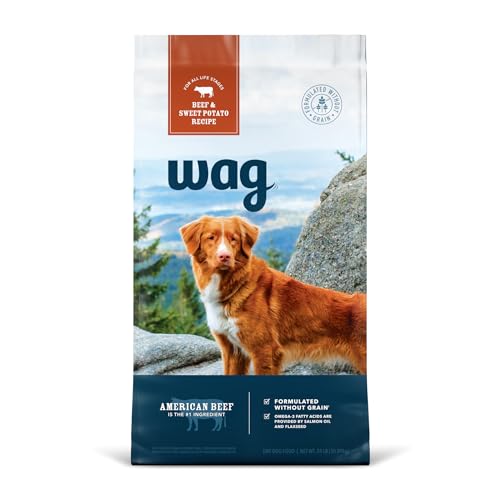
How to Choose a Dog Food Buying Guide
The dog food aisle is the most marketing-driven category in pet supplies. Brands prey on owner anxiety with claims like "real meat first," "grain-free," "human-grade," and "ancestral diet" — most of which are either meaningless, misleading, or actively counter to current veterinary nutrition science. The actual criteria that matter are simple, but require ignoring 80% of what packaging tells you. Here is what to look for, what to ignore, and how to match food to your specific dog's life stage and breed.
WSAVA criteria — the only filter that matters
The World Small Animal Veterinary Association (WSAVA) publishes guidelines for evaluating pet food brands. There are four criteria: (1) employs at least one full-time, board-certified veterinary nutritionist (a Diplomate of the American College of Veterinary Nutrition); (2) conducts AAFCO feeding trials, not just formulation matching to AAFCO nutrient profiles; (3) publishes peer-reviewed nutrition research; (4) has owned manufacturing plants with documented quality control. Most boutique brands meet 0-1 of these. Hill's Science Diet, Royal Canin, Purina Pro Plan, and Eukanuba meet all three.
This is why veterinarians recommend Purina Pro Plan even though Blue Buffalo's marketing claims sound more appealing. The brands meeting all three WSAVA criteria fund the research that creates the AAFCO nutrient profiles other brands match against. They are upstream of the standard.
Life stage matters more than brand
Puppies (under 12 months for small/medium breeds, under 18 months for large breeds): need higher protein (22-32% on dry matter basis) and adequate calcium-phosphorus ratios for bone development. Large-breed puppies need specific calcium control to prevent developmental orthopedic disease — see our large breed puppy food picks. Generic adult food fed to a Great Dane puppy can cause joint problems for life.
Adult (1-7 years): protein 18-25%, fat 8-15%, depending on activity level. Working dogs need higher; couch dogs need lower. See Best Dog Food 2026 for general picks and Best Dog Food for Large Breeds for breed-specific options.
Senior (7+ for most breeds, 5+ for giant breeds): moderately reduced calories, joint support (glucosamine, chondroitin), kidney-friendly phosphorus levels. Best Dog Food for Senior Dogs covers the specific picks.
Reading the label correctly
"Complete and balanced" with AAFCO statement: this is mandatory. The statement should say "formulated to meet AAFCO nutrient profiles for [life stage]" OR "animal feeding tests using AAFCO procedures substantiate that [product] provides complete and balanced nutrition." Feeding trial substantiation is stronger than formulation matching.
Ingredient list: ingredients are listed by weight before processing. "Deboned chicken" sounds better than "chicken meal" on the label, but chicken meal contains 300% more protein per ounce because the water has been removed. The first ingredient list trick — "real chicken first!" — is mostly marketing because the dehydrated chicken meal further down the list contributes more actual protein.
By-products are not bad. Chicken by-product meal includes organs (liver, kidneys, heart) which contain higher concentrations of taurine, B vitamins, and iron than skeletal muscle. Wild canids preferentially eat organs first. The "no by-products!" marketing is rejecting nutritionally superior ingredients to appeal to human food preferences.
Grain-free is the biggest myth — and it can hurt your dog
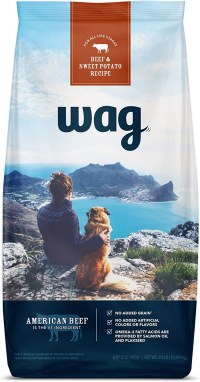
The FDA has investigated a link between grain-free diets and dilated cardiomyopathy (DCM) in dogs since 2018, and the data points to legumes (peas, lentils, chickpeas) commonly substituted for grains in grain-free formulas as a likely cause. Unless your dog has a diagnosed grain allergy (which is rare — far rarer than marketing implies), feeding grain-inclusive food is the safer choice. Whole grains like rice, oats, and barley are well-tolerated by dogs and provide important fiber and B vitamins.
For dogs with documented food allergies, see Best Dog Food for Allergies 2026 — true allergies are usually to specific proteins (chicken, beef) rather than grains, and limited-ingredient diets are the proper response.
Special diets for medical conditions
Diabetes, kidney disease, heart disease, and joint conditions require specific dietary management. Diabetes: low simple-carbohydrate, moderate-protein, fiber-rich. See Best Dog Food for Diabetes 2026. Kidney disease: reduced phosphorus, moderate high-quality protein, omega-3s. Best Dog Food for Kidney Disease 2026 covers IRIS staging and prescription options. Heart disease: taurine-fortified, sodium-controlled. See Best Dog Food for Heart Health 2026. Joint health: glucosamine, chondroitin, omega-3s — Best Dog Food for Joint Health.
Common mistakes
Switching foods every few weeks because "variety is good." Dogs do not need dietary variety the way humans do. Frequent food switches cause GI upset and make it impossible to identify food intolerances. Pick a complete-and-balanced food and stick with it for 8+ weeks before evaluating.
Buying based on Amazon reviews. The "my dog loves it!" review tells you palatability but nothing about nutrition. A 5-star food can have a recall history or fail WSAVA criteria entirely.
Feeding raw or "BARF" diets without veterinary nutritionist supervision. Home-prepared diets are nutritionally incomplete in 95%+ of formulations evaluated by veterinary nutritionists. Raw diets also carry salmonella risk for the household, especially with immunocompromised humans.
Picky eater feedback loops. A "picky" dog is often an overfed dog with too many table scraps. The fix is portion control and treat reduction, not switching to a more expensive premium food. See Best Dog Food for Picky Eaters 2026 if this is genuinely a behavioral issue rather than a feeding-routine issue.
Watch Before You Buy

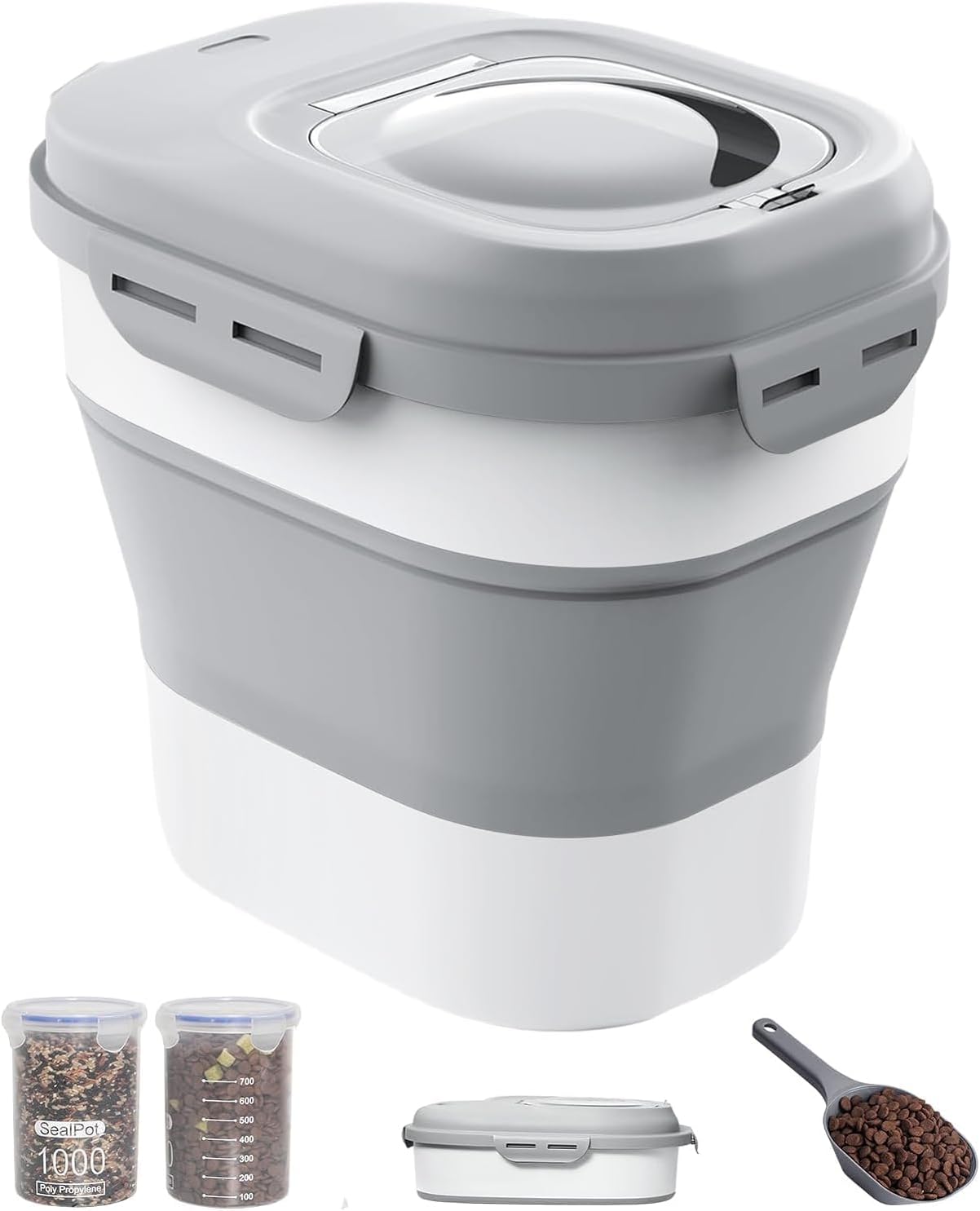
“A practical wheeled food storage bin that keeps large kibble bags fresh and easy to manage.”
See Today’s Price →What we like
- 30-35 lb capacity handles large bags
- Airtight keeps food fresh longer
- Wheels for easy moving
Watch out for
- Plastic wheels may break on rough floors
- Lid seal must be checked regularly
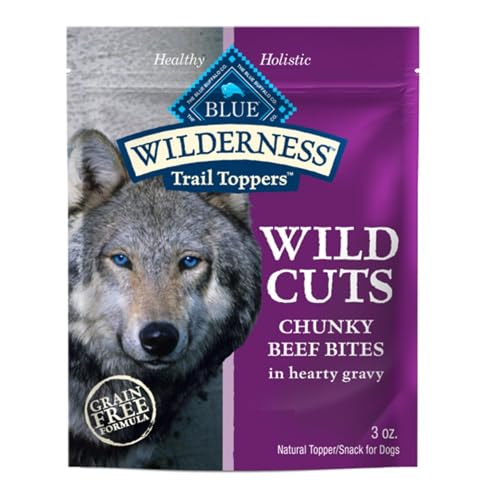
“One of the most trusted grain-free adult dog foods for owners prioritizing high protein content.”
See Today’s Price →What we like
- Blue Buffalo Wilderness premium quality
- Grain-free wild-inspired recipe
- Real meat first ingredient
Watch out for
- Premium price
- Grain-free debate ongoing in canine nutrition community
How We Analyze Products
We analyze Amazon review data — often thousands of reviews per product — to surface patterns that individual buyers miss. Our process aggregates star ratings, review counts, and buyer sentiment at scale, identifying which strengths and weaknesses appear consistently across the largest review samples available. The 1,596+ reviews analyzed on this page represent real verified-purchase feedback from Amazon buyers.
Each product earned its placement through data: total review volume, average rating, and the specific praise and complaints that repeat most often across buyers. No manufacturer paid for placement on this page. Products appear here because buyers endorsed them at scale, not because a company asked us to feature them.
We use AI to summarize review sentiment — not to fabricate opinions, but to condense what thousands of buyers actually wrote into a readable format. The pros and cons you see reflect the most common themes found in verified purchaser reviews, paraphrased for clarity. We do not claim to have accessed Reddit, YouTube, or specific publications in generating these summaries.
Prices shown reflect Amazon pricing at the time this page was last generated. Click “See Today’s Price” to get the current live price on Amazon. Read our full methodology →